7 Creative Warm-Up Routines for Swimmers That Maximize Performance
Discover 7 innovative swimming warm-up routines that boost performance and prevent injury. From dynamic land moves to aqua yoga flows, transform your pool prep today!
Why it matters: Your pre-swim routine sets the tone for your entire workout and can make the difference between a mediocre session and peak performance in the pool.
The challenge: Traditional warm-ups often feel repetitive and boring which leads many swimmers to skip this crucial step or rush through it without proper preparation.
What’s new: These seven innovative warm-up techniques will transform your approach to pool preparation while boosting your stroke efficiency and reducing injury risk.
Disclosure: As an Amazon Associate, this site earns from qualifying purchases. Thank you!
Dynamic Land-Based Movements to Activate Your Swimming Muscles
Your body needs strategic activation before hitting the water, and these targeted movements prepare your key swimming muscles while increasing blood flow throughout your kinetic chain.
Arm Circles and Shoulder Rolls
Start with small forward arm circles for 10 seconds, then gradually increase to large circles before reversing direction. Roll your shoulders backward in slow, controlled motions to release tension in your rotator cuffs and deltoids. These movements activate the shoulder girdle that powers every stroke you’ll take in the pool.
Hip Circles and Leg Swings
Circle your hips clockwise for 8-10 rotations to mobilize your core connection and lower back. Follow with front-to-back leg swings against a wall, then side-to-side swings to activate your hip flexors and glutes. Your kick power originates from these large muscle groups that drive propulsion through the water.
Torso Twists and Core Activation
Rotate your torso left and right with arms extended to engage your obliques and spinal muscles. Add gentle reaching movements overhead while twisting to activate your lats and serratus anterior. These core-focused movements prepare the rotational strength you need for efficient stroke mechanics and body positioning.
Progressive Pool Entry Warm-Up for Gradual Muscle Preparation
Your muscles need time to adjust to the water temperature and resistance before diving into intense swimming. This progressive approach prevents shock to your system while systematically preparing your body for optimal performance.
Shallow Water Walking and Jogging
Start your pool warm-up by walking forward and backward in waist-deep water for 2-3 minutes. Progress to gentle jogging motions while maintaining good posture and engaging your core muscles. This gradual movement pattern increases circulation and helps your body adapt to water resistance without overwhelming your cardiovascular system.
Gentle Stretching in Chest-Deep Water
Move to chest-deep water and perform gentle arm circles, shoulder shrugs, and light torso rotations. The water’s buoyancy supports your joints while providing natural resistance for dynamic stretching. Focus on movements that mimic your swimming strokes to activate the specific muscle groups you’ll use during your workout.
Basic Floating and Breathing Exercises
Practice controlled floating on your back and front while focusing on rhythmic breathing patterns. Alternate between 30-second floating holds and gentle flutter kicks to establish your breathing rhythm. This combination helps you find your natural buoyancy position and creates the mental focus needed for efficient stroke technique.
Stroke-Specific Drills to Prime Your Swimming Technique
Target specific muscle groups and movement patterns with stroke-focused drills that prepare your body for efficient technique. These drills activate the precise muscle chains you’ll use during your main workout.
Freestyle Catch-Up Drill
Perform this drill by keeping one arm extended forward while the other completes a full stroke cycle. Your extended arm waits until the stroking arm returns to the starting position before beginning its own stroke. This drill enhances your catch timing and promotes better body rotation while building shoulder stability for longer freestyle sets.
Backstroke Single Arm Progression
Start with one arm at your side while the other performs the backstroke motion. Focus on proper hand entry above your shoulder and maintain steady body position throughout the stroke. Switch arms every 25 yards to develop balanced technique and strengthen your core muscles that stabilize your body during backstroke swimming.
Breaststroke Pull-Breathe-Kick Sequence
Break down breaststroke into three distinct phases: pull your arms through the water first, then lift your head to breathe, and finally execute the kick. This separation drill helps you master the timing between upper and lower body movements. Practice this sequence slowly to build the muscle memory needed for efficient breaststroke rhythm.
High-Intensity Interval Warm-Up for Competitive Swimmers
Competitive swimmers need warm-ups that match their training intensity and prepare their bodies for peak performance. This high-intensity approach bridges the gap between activation and race-pace preparation.
25-Meter Sprint Intervals
Sprint intervals activate your fast-twitch muscle fibers and prepare your neuromuscular system for explosive movements. Start with 4×25 meters at 70% effort with 15-second rest periods between each sprint.
Progress to 85% effort for the final two sprints to simulate race conditions. Your heart rate should reach 150-160 BPM by the fourth interval.
Pyramid Distance Building
Pyramid sets gradually increase your cardiovascular load while maintaining stroke technique under fatigue. Begin with 25-50-75-50-25 meter intervals at moderate to high intensity.
Rest 10 seconds between shorter distances and 20 seconds before the 75-meter peak. This progression mirrors competitive race pacing and prepares your body for sustained high-intensity efforts.
Mixed Stroke Combinations
Mixed stroke sequences engage different muscle groups and prevent technique breakdown during intense training. Alternate between freestyle and backstroke for 4×50 meters or combine butterfly and breaststroke for power development.
Switch strokes every 25 meters to maintain neural activation across all swimming movements. This approach ensures comprehensive muscle recruitment before your main training set.
Aqua Yoga Flow for Flexibility and Mind-Body Connection
This mindful aqua routine combines ancient yoga principles with water’s natural resistance to create a unique warm-up experience. You’ll enhance both physical preparation and mental focus before diving into your main swimming workout.
Standing Water Poses
Position yourself in waist-deep water and begin with modified warrior poses that engage your core against water resistance. Hold tree pose while the water challenges your balance and forces deeper muscle activation. These standing sequences prepare your body’s stabilizing muscles while calming your mind through focused breathing.
Floating Meditation Sequence
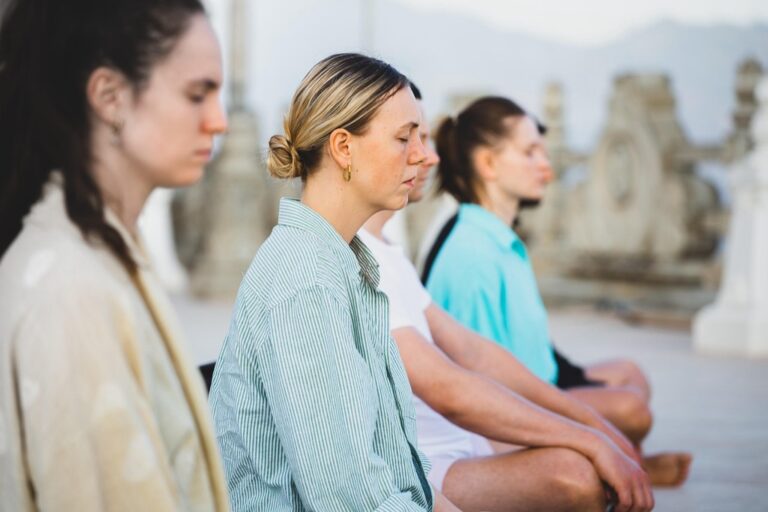
Float on your back and perform gentle spinal twists that decompress your vertebrae naturally. Allow the water’s buoyancy to support modified child’s pose stretches that open your shoulders and hips. This floating meditation reduces pre-swim anxiety while increasing your body awareness in the aquatic environment.
Breath-Synchronized Movements
Coordinate slow arm circles with deep inhales and exhales to establish your swimming rhythm early. Practice gentle underwater breath holds combined with flowing movements that mimic your stroke patterns. These synchronized sequences create the mind-body connection essential for efficient swimming technique during your main workout.
Partner-Based Warm-Up Routines for Team Training
Team training transforms solitary warm-ups into collaborative preparation that builds chemistry while priming your body for intense workouts. These partner-based routines create accountability and add competitive elements that make pre-swim preparation more engaging.
Synchronized Swimming Exercises
Mirror movements with your partner create perfect symmetry while activating swimming muscles through coordinated arm circles and torso rotations. You’ll perform identical stroke motions facing each other, matching tempo and range of motion to develop timing awareness.
Side-by-side floating challenges core stability as you maintain parallel positions during gentle kicks and sculling movements. This exercise builds the spatial awareness essential for relay exchanges and lane discipline during competitive sets.
Resistance Training with Pool Noodles
Enjoy effortless floating with the WOW First Class Pool Noodle. Its soft, ribbed foam provides a comfortable, non-slip grip, while the durable, UV-resistant design ensures long-lasting use.


Push-pull patterns using pool noodles between partners create variable resistance that targets stroke-specific muscle groups while building functional strength. One partner provides resistance while the other performs swimming motions, then you switch roles every 30 seconds.
Tug-of-war variations in chest-deep water engage your entire kinetic chain while improving grip strength and core stability. You’ll pull against your partner’s resistance using different hand positions that mimic catch phases of various strokes.
Relay-Style Movement Patterns
Tag team intervals alternate 25-meter swims between partners, creating active recovery periods that maintain elevated heart rates while allowing technique focus. One partner swims while the other performs poolside dynamic stretches or treading water.
Follow-the-leader sequences challenge stroke adaptation as partners alternate leading 50-meter sets with different stroke combinations. This pattern improves stroke versatility and reaction time while maintaining consistent warm-up intensity throughout the session.
Creative Toy and Equipment Integration for Fun Warm-Ups
Transform your standard pool equipment into exciting warm-up challenges that’ll make you actually look forward to preparation time. Smart equipment integration turns mundane gear into motivation boosters while targeting the same muscle groups you’d activate through traditional methods.
Kickboard Obstacle Courses
Improve your kicking technique with the Sunlite Sports Kickboard. Its ergonomic design and non-slip grip offer comfortable support for effective swim training, whether you're a beginner or seasoned swimmer.

Create floating slalom courses using multiple kickboards positioned at varying distances and angles throughout your lane. Navigate through these obstacles using different kicks – flutter kick for speed sections, dolphin kick for underwater segments, and breaststroke kick for precision turns. This approach develops spatial awareness while activating your core and improving kick technique under challenging conditions.
Pull Buoy Challenges
Improve your body position and build upper body strength with the Speedo Pull Buoy. Its soft, durable EVA foam construction helps elevate hips and legs, allowing you to focus on stroke technique.
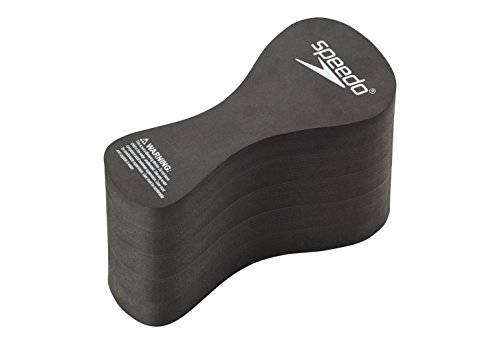
Design relay-style races where you pass the pull buoy between swimmers or challenge yourself to maintain perfect body position through increasingly difficult stroke combinations. Try single-arm freestyle while balancing the buoy between your ankles, or attempt backstroke with the buoy held overhead between your hands. These variations force deeper core engagement while building stroke-specific strength.
Water Weights and Resistance Tools
Strengthen your muscles with Sportneer Water Dumbbells! Made of high-density EVA foam, these comfortable and durable weights provide satisfying resistance for effective water aerobics and fitness. Easy to assemble and transport for workouts anywhere.

Incorporate foam dumbbells and resistance bands for dynamic underwater strength circuits that mirror swimming movements. Perform chest flies with water weights while treading water, or use resistance bands anchored poolside for stroke simulation exercises. These tools add variable resistance that challenges your stabilizing muscles differently than water alone, preparing your body for the demands of efficient swimming.
Build strength with this pair of 5-pound Amazon Basics dumbbells. The neoprene coating provides a comfortable, non-slip grip, while the hexagon shape prevents rolling for safe storage.

Conclusion
These seven creative warm-up routines offer you the perfect solution to transform your pre-swim preparation from mundane to motivating. By incorporating dynamic land movements aqua yoga flows partner exercises and equipment-based challenges you’ll discover that warming up becomes an enjoyable part of your swimming journey rather than a chore to skip.
Remember that consistency is key when implementing these techniques. Start with one or two routines that resonate with your swimming goals and gradually build your warm-up repertoire. Your body will thank you with improved performance reduced injury risk and enhanced stroke efficiency.
The next time you approach the pool don’t just jump in and start swimming. Take those extra minutes to properly prepare your body and mind. Your main workout will feel smoother your technique will be sharper and you’ll develop a deeper connection with the water that elevates your entire swimming experience.
Frequently Asked Questions
Why is a pre-swim warm-up routine important?
A pre-swim warm-up is crucial for enhancing workout performance and minimizing injury risk. It activates key swimming muscles, increases blood flow, and prepares your body for optimal stroke efficiency in the water. Proper warm-ups also help establish rhythmic breathing patterns and improve mental focus before your main swimming workout.
What are the best land-based exercises for swimmers?
Effective land-based warm-up exercises include arm circles and shoulder rolls to engage the shoulder girdle, hip circles and leg swings for core and lower body mobility, and torso twists for core activation. These dynamic movements increase blood flow and prepare your muscles for swimming-specific movements.
How should I enter the pool for warm-up?
Start with shallow water walking and jogging to increase circulation and adapt to water resistance. Progress to gentle stretching in chest-deep water, utilizing buoyancy for dynamic stretches that mimic swimming strokes. Finish with basic floating and breathing exercises to establish proper rhythm and mental focus.
What are stroke-specific warm-up drills?
Key stroke-specific drills include the Freestyle Catch-Up Drill for timing and body rotation, Backstroke Single Arm Progression for balanced technique and core strength, and Breaststroke Pull-Breathe-Kick Sequence for movement timing. These drills target specific muscle groups and movement patterns for each swimming stroke.
How do high-intensity interval warm-ups work?
High-intensity interval warm-ups prepare competitive swimmers for peak performance through 25-meter sprint intervals (progressing from 70% to 85% effort), pyramid distance building to increase cardiovascular load, and mixed stroke combinations. These techniques activate fast-twitch muscle fibers and prepare the neuromuscular system.
What is Aqua Yoga Flow for swimmers?
Aqua Yoga Flow combines yoga principles with water resistance to enhance flexibility and mental focus. It includes standing water poses like modified warrior and tree poses, floating meditation sequences with spinal twists, and breath-synchronized movements to establish swimming rhythm and create mind-body connection.
How can partner warm-ups benefit team training?
Partner-based warm-ups transform solitary preparation into collaborative training that builds team chemistry. They include synchronized swimming exercises for timing awareness, side-by-side floating challenges for core stability, resistance training with pool noodles, and relay-style movement patterns to maintain elevated heart rates.
Can pool toys and equipment make warm-ups more fun?
Enjoy summer pool time with this 30-piece diving toy set! It includes rings, sticks, balls, and more, plus a bonus storage bag for easy cleanup and organization.

Yes, creative use of pool equipment can make warm-ups engaging and effective. Kickboard obstacle courses develop spatial awareness and kick technique, pull buoy challenges enhance core engagement, and water weights create dynamic underwater strength circuits that mimic swimming movements while adding variable resistance.