7 Ideas for Water-Based Mindfulness Activities That Transform Stress
Discover 7 water-based mindfulness activities that harness water’s calming power to reduce stress and enhance focus. From floating meditation to rain listening, transform everyday water interactions into peaceful moments of presence and inner tranquility.
Why it matters: Water naturally calms your mind and body, making it the perfect companion for mindfulness practice.
The big picture: From ocean waves to kitchen faucets, you can transform ordinary water encounters into powerful moments of presence and awareness.
What’s next: These seven simple activities will help you harness water’s therapeutic properties to reduce stress, improve focus, and cultivate inner peace wherever you find yourself.
Disclosure: As an Amazon Associate, this site earns from qualifying purchases. Thank you!
Mindful Water Breathing: Synchronizing Breath With Flowing Water
Water’s natural rhythms provide perfect timing cues for mindfulness breathing exercises. You’ll discover that matching your breath to water sounds creates a deeply calming meditation experience.
Finding Your Rhythm With Natural Water Sounds
Natural water sources produce consistent rhythmic patterns that guide your breathing naturally. Ocean waves create 6-8 second cycles perfect for slow inhaling and exhaling. Stream bubbles and fountain splashes offer faster 3-4 second patterns for energizing breath work. Position yourself close enough to hear subtle water sounds without distraction.
Creating Intentional Breathing Patterns
Match your inhale to water’s upward movement and exhale to its downward flow. Count four beats as water rises then four beats as it falls or flows away. Gentle waterfalls work perfectly for extended 8-count breathing patterns. Start with 2-minute sessions and gradually extend to 10 minutes for deeper relaxation.
Using Water Visualization Techniques
Picture water flowing through your body as you breathe to enhance the calming effect. Imagine cool streams entering through your nose and washing away tension with each exhale. Visualize ocean waves filling your lungs completely then receding to carry stress away. This mental imagery amplifies water breathing’s therapeutic benefits significantly.
Sensory Water Meditation: Engaging All Five Senses
Water-based mindfulness becomes most powerful when you engage multiple senses simultaneously. This creates a rich sensory experience that anchors your attention and deepens your meditative state.
Tactile Awareness Through Water Temperature
Temperature variations enhance mindful presence through physical sensation. Alternate between warm and cool water on your hands or feet during meditation. Feel the contrast as you shift from one temperature to another, noticing how your body responds to each change. This temperature awareness creates immediate physical anchoring that pulls your attention into the present moment.
Listening to Water’s Natural Symphony
Water produces distinct sound layers that guide focused listening meditation. Focus on individual elements within water’s soundscape – the high-pitched trickle, the deep underlying flow, or the rhythmic splashing patterns. Train your ear to separate these audio layers, using each sound as a meditation anchor. Different water sources create unique acoustic signatures that offer varied listening experiences.
Visual Focus on Water Movement Patterns
Moving water creates natural focal points that support sustained visual meditation. Watch how light dances on water surfaces, observe ripple patterns spreading outward, or follow individual droplets as they fall. These visual elements provide dynamic meditation objects that hold attention without becoming monotonous. Water’s constant movement offers fresh visual input while maintaining consistent meditative focus.
Floating Meditation: Achieving Weightless Mindfulness
Floating meditation transforms your water experience by removing gravity’s constant pull on your awareness. You’ll discover how weightlessness creates a unique mental state that’s impossible to replicate on land.
Preparing Your Body for Floating Practice
Position yourself in chest-deep water where you can easily stand if needed. Start by practicing the basic back float with arms extended like a starfish. Your ears should be submerged while your face remains above water.
Test different arm positions to find your natural buoyancy point. Most people float better with arms spread wide rather than at their sides.
Letting Go of Physical Tension
Release muscle tension starting from your toes and moving upward through each body part. The water naturally supports your weight, so consciously relax muscles you’d normally use for posture and balance.
Focus on releasing your neck and shoulder muscles first. These areas hold the most tension and will dramatically improve your floating experience once relaxed.
Maintaining Mental Awareness While Floating
Keep your attention anchored by focusing on the gentle water movement around your body. Notice how small currents create subtle pressure changes against your skin. This sensory awareness prevents your mind from drifting into daydreaming.
Count your breaths or repeat a simple mantra if your thoughts become scattered. The rhythmic nature of floating naturally supports sustained concentration.
Mindful Swimming: Transforming Exercise Into Meditation
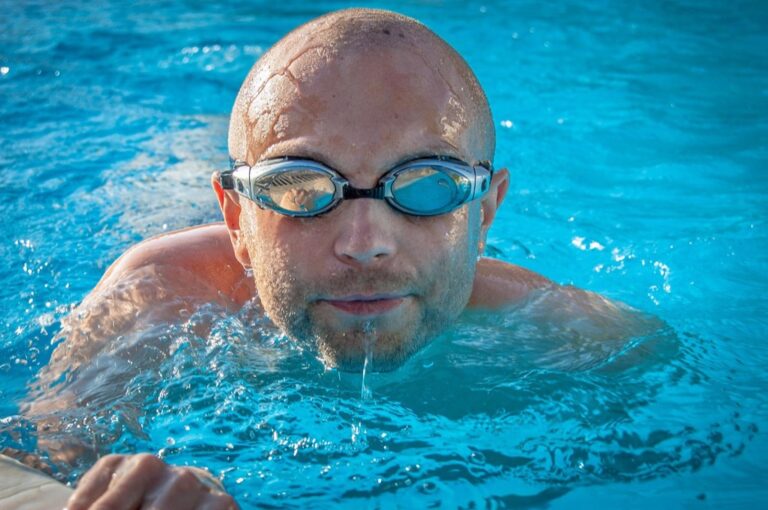
Swimming naturally lends itself to meditation when you shift focus from performance to presence. The rhythmic nature of strokes creates an ideal foundation for mindful movement in water.
Achieve a flawless, semi-matte complexion with e.l.f. Flawless Satin Foundation. This lightweight, vegan formula provides medium coverage that blends seamlessly to improve skin tone and texture.


Coordinating Breath With Stroke Rhythm
Match your breathing pattern to your stroke count for deeper meditation. Count three strokes before each breath, creating a natural rhythm that anchors your attention.
This breathing synchronization transforms mechanical swimming into flowing meditation. Your breath becomes the metronome that guides both movement and mental focus through the water.
Focusing on Body Movement Through Water
Notice how water resistance creates feedback against every muscle group. Feel the water’s pressure against your palms, the gentle drag along your torso, and the subtle lift beneath your body.
This tactile awareness keeps your mind present in each moment. The water’s constant contact provides sensory anchors that prevent mental wandering during your swimming meditation.
Creating Swimming Mantras for Mental Clarity
Develop simple phrases that match your stroke rhythm like “flow-with-ease” or “strong-and-calm.” Repeat these mantras silently as you swim, syncing words with your movements.
Swimming mantras create mental clarity by giving your mind a focal point beyond stroke mechanics. The repetitive nature of both swimming and mantra work together to deepen your meditative state.
Water Walking Meditation: Slow Movement Practice
Water walking transforms regular wading into a mindful movement practice that deepens your connection with water’s natural resistance and flow.
Establishing Mindful Pace in Shallow Water
Start with deliberate slowness – aim for half your normal walking speed when you first enter knee-deep water. Your legs will naturally want to move faster against the resistance, but maintaining this slower pace creates the foundation for mindful awareness.
Focus on each step’s complete cycle from lift to placement. The water’s buoyancy changes your natural gait rhythm, making this slower pace feel surprisingly natural once you adjust.
Feeling Water Resistance Against Your Body
Water resistance becomes your meditation anchor – notice how the water pushes back against your shins, thighs, and torso with each forward movement. This resistance varies with your speed and the water’s depth, creating constantly changing sensations.
Pay attention to how your muscles engage differently to move through water versus air. The water’s pressure against your body provides immediate feedback about your movement quality and helps maintain present-moment focus.
Maintaining Present-Moment Awareness
Use the water’s sounds and sensations as your focal point – the gentle splashing, the feeling of water flowing around your legs, and the shifting resistance patterns keep pulling your attention back to the present moment.
When your mind wanders, return focus to the simple act of placing one foot in front of the other. The water’s natural feedback makes it easier to catch mental drift and return to mindful walking.
Rain Meditation: Connecting With Nature’s Rhythm
Rain creates one of nature’s most consistent meditation soundscapes, offering a rhythmic backdrop that naturally draws your attention inward. Unlike other water-based practices, rain meditation lets you connect with water’s energy without physical contact.
Listening to Rainfall as Meditation Anchor
Position yourself near a window or covered outdoor area where rain sounds are clearest. Focus on the steady percussion of raindrops hitting different surfaces – rooftops, leaves, and pavement create distinct tonal layers. Let the natural white noise wash away mental chatter while you breathe in sync with the rainfall’s rhythm, using each drop as an anchor point for wandering thoughts.
Practicing Gratitude During Rain Showers
Transform rainy moments into gratitude sessions by acknowledging water’s life-giving properties. Reflect on how this same rain nourishes plants, replenishes groundwater, and sustains ecosystems around you. Express appreciation for clean water access, the comfort of shelter, and nature’s ability to cleanse and renew both the environment and your mental state through each rainfall.
Using Rain Sounds for Indoor Mindfulness
Create rain meditation sessions using recorded rainfall sounds when natural rain isn’t available. Choose high-quality recordings that capture different intensities – gentle drizzle for subtle focus or heavy downpours for deeper concentration. Set a consistent practice time and location, allowing the familiar rain sounds to signal your mind that it’s time to shift into mindful awareness and inner stillness.
Waterside Observation: Mindful Nature Watching
Waterside observation transforms passive sitting into active meditation by using natural water environments as your mindfulness anchor. You’ll discover that lakes, rivers, and streams provide constantly changing visual and auditory focal points that keep your attention present without overwhelming your senses.
Choosing the Perfect Water Location
Natural shorelines beat constructed waterways for mindfulness practice. Look for spots with gentle water movement like slow-moving streams or calm lake edges where you can sit comfortably for 15-20 minutes. Avoid high-traffic areas with boat noise or crowded beaches that’ll pull your attention away from your internal awareness.
Observing Water Wildlife and Ecosystems
Water environments teem with life that enhances your mindful observation practice. Watch for ripples from fish movement, birds landing on the surface, or insects creating tiny water circles. These natural interactions become meditation anchors that help you stay present while connecting with the ecosystem’s rhythmic cycles and seasonal patterns.
Practicing Non-Judgmental Awareness
Your mind will label everything you see – that’s normal and expected. Notice when you start categorizing sounds as “annoying” or sights as “beautiful” then gently return focus to pure observation without the commentary. This practice trains your awareness to witness water’s natural movements and surrounding life without needing to evaluate or change anything.
Conclusion
Water offers you a gateway to deeper mindfulness that’s accessible wherever you find yourself. Whether you’re floating in a pool or listening to raindrops against your window these practices help you tap into water’s natural calming power.
The beauty of water-based mindfulness lies in its simplicity. You don’t need special equipment or perfect conditionsâjust your willingness to be present with whatever water source surrounds you.
Start with whichever activity resonates most with you today. Your mindfulness journey with water can begin as simply as taking three conscious breaths while washing your hands. Each moment you spend connecting with water’s rhythm brings you closer to the peace and clarity you’re seeking.
Frequently Asked Questions
What is water-based mindfulness and how does it work?
Water-based mindfulness uses the therapeutic properties of water to enhance meditation and stress relief. It works by engaging with water through various senses – sound, touch, sight, and movement – to create mindful awareness. The natural rhythms and properties of water help anchor attention in the present moment, promoting relaxation and inner peace through activities like breathing with water sounds or observing water movement.
How do I practice mindful water breathing techniques?
Start by finding a water source with rhythmic sounds like ocean waves or flowing streams. Match your breathing pattern to the water’s natural rhythm – inhale as waves build, exhale as they recede. Use visualization techniques like imagining water flowing through your body to wash away tension. This synchronization creates a deeply calming meditation experience that enhances relaxation.
What is sensory water meditation and how do I engage all five senses?
Sensory water meditation involves fully engaging sight, sound, touch, smell, and taste to deepen your water experience. Listen to distinct sound layers, feel temperature variations between warm and cool water, observe movement patterns, notice water’s fresh scent, and if safe, taste clean water mindfully. This multi-sensory approach creates a rich experience that anchors attention and enhances meditation depth.
How can I practice floating meditation safely?
Find calm, safe water where you can float comfortably. Release physical tension, especially in your neck and shoulders, and find your natural buoyancy point. Focus on gentle water movements around your body while maintaining mental awareness through breath counting or mantras. Always ensure proper water safety conditions and consider having supervision if you’re inexperienced with floating.
Can swimming be turned into a meditation practice?
Yes, mindful swimming transforms exercise into meditation by focusing on presence rather than performance. Coordinate your breathing with stroke rhythm, creating a meditative flow. Pay attention to water resistance against your body as a sensory anchor. Develop swimming mantras that align with your stroke pattern to enhance mental clarity and deepen the meditative experience.
What is water walking meditation and how do I practice it?
Water walking meditation involves slow, deliberate movement in knee-deep water. Focus on the complete cycle of each step, using water resistance as a meditation anchor that provides immediate feedback about movement quality. The water’s sounds and sensations help maintain present-moment awareness, transforming regular wading into a mindful movement practice that deepens your connection with water.
How can I practice rain meditation indoors and outdoors?
For outdoor rain meditation, position yourself near a window or covered outdoor area to listen to rainfall’s distinct tonal layers. Use the natural white noise as a meditation anchor while practicing gratitude for water’s life-giving properties. Indoors, use recorded rainfall sounds to create meditation sessions, focusing on the rhythmic patterns to cultivate mindful awareness and inner stillness.
What is waterside observation meditation?
Waterside observation transforms passive sitting into active meditation by using natural water environments as mindfulness anchors. Choose serene locations like calm streams or lake edges. Observe water wildlife and ecosystem interactions without judgment, simply noticing thoughts and sensations as they arise. This practice deepens your connection with water’s natural rhythms and surrounding environment.
What are the main benefits of water-based mindfulness practices?
Water-based mindfulness offers multiple benefits including stress reduction, enhanced focus, and improved mental clarity. The therapeutic properties of water naturally calm the nervous system, while rhythmic water sounds and movements help anchor attention in the present moment. These practices can be adapted to various settings and skill levels, making mindfulness accessible through everyday water interactions.
Do I need special equipment or locations for water mindfulness?
No special equipment is required for most water mindfulness practices. You can start with everyday water sources like faucets, showers, or recorded water sounds. While natural water bodies like oceans, streams, or lakes enhance the experience, many techniques can be practiced at home. The key is developing mindful awareness of water’s therapeutic properties wherever you encounter it.