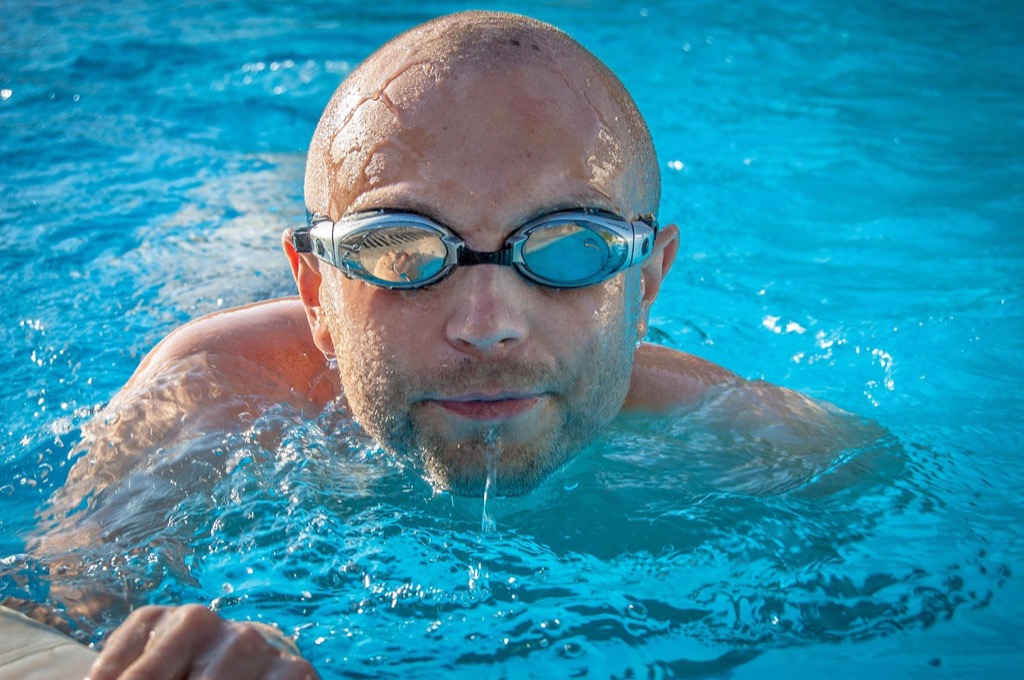
5 Adapting Swimming Techniques for Shallow Waters That Prevent Injury
Master 5 essential swimming techniques for shallow waters. Learn stroke modifications, safety tips, and efficient movements to swim confidently in limited depth while avoiding injuries.
Swimming in shallow waters presents unique challenges that require specific technique adjustments to maintain efficiency and safety. Whether you’re navigating a shallow lake during a triathlon or dealing with low tide conditions at the beach, your standard swimming form won’t always cut it.
The bottom line: Mastering shallow water techniques protects you from injury while keeping your stroke mechanics smooth and powerful when depth becomes an issue.
Disclosure: As an Amazon Associate, this site earns from qualifying purchases. Thank you!
Understanding Shallow Water Swimming Challenges
Swimming in shallow water creates unique obstacles that don’t exist in deeper environments. You’ll face restricted movement patterns and increased risk of injury when your usual techniques meet hard surfaces below.
Water Depth Limitations
Shallow depths restrict your stroke mechanics and body position fundamentally. Your arms can’t complete full underwater pulls when the bottom sits just feet below. Recovery phases get shortened as you avoid hitting sand or pool floors during backstroke rotations.
Safety Considerations
Bottom contact poses the greatest risk in shallow water swimming scenarios. Your hands, feet, and knees become vulnerable to scrapes, cuts, and impact injuries from rocks, shells, or pool surfaces. Diving starts become impossible when water depth drops below safe minimums.
Equipment Modifications
Standard swimming gear requires adjustments for shallow water conditions effectively. Longer fins increase your risk of bottom strikes during kicks. Pull buoys and kickboards work better than paddles, which extend your reach dangerously close to hard surfaces underneath.
Mastering the Modified Freestyle Stroke
You’ll need to completely rethink your freestyle technique when swimming in shallow water. The traditional long, deep strokes that work in standard pools become liability when there’s only 2-3 feet of water beneath you.
Shortening Your Stroke Length
Shorten your stroke to about 60% of your normal reach to avoid scraping the bottom. You’ll take more strokes per length but maintain better control and safety. Focus on quick, efficient arm turnover rather than distance per stroke, keeping your hands closer to the surface throughout the entire stroke cycle.
Adjusting Body Position
Keep your body flatter and closer to the surface than normal freestyle position. Reduce your hip drop and maintain a higher head position to prevent your torso from sinking too deep. This modified position sacrifices some hydrodynamics but prevents painful contact with the pool floor or lake bottom.
Hand Entry Techniques
Enter your hands at a shallower angle, almost parallel to the water surface instead of the typical 45-degree entry. Skip the deep catch phase and begin your pull immediately after entry. This technique keeps your entire stroke in the top 12 inches of water while maintaining forward propulsion.
Perfecting the Shallow Water Breaststroke
Breaststroke adapts better to shallow water than other strokes because it naturally keeps your body horizontal and your arms work in front of you. The key lies in modifying your kick depth and streamlining your movements to work within the limited space.
Reducing Kick Amplitude
Narrow your kick to half the normal width to prevent your feet from hitting the bottom during the recovery phase. Keep your knees closer together and focus on a quick, snappy kick that stays within the top 18 inches of water. This compressed motion actually increases your kick frequency, maintaining propulsion while avoiding painful toe stubs.
Streamlining Arm Movements
Shorten your arm extension to 75% of your normal reach and keep your hands closer to the surface throughout the entire stroke cycle. Skip the deep sculling phase and focus on a quick, efficient pull that never goes below 12 inches deep. Your arms should work in a more compact oval pattern rather than the traditional wide sweep.
Breathing Pattern Adjustments
Lift your head slightly higher than normal to compensate for the reduced body roll and water displacement in shallow conditions. Time your breath at the peak of each stroke when your chest naturally rises, but avoid excessive head lifting that creates drag. Every-stroke breathing works better in shallow water since you can’t rely on body rotation for easy air access.
Adapting Backstroke for Limited Depth
Backstroke presents unique challenges in shallow water since you can’t see the bottom approaching. Your arm recovery and body position need immediate adjustments to prevent injuries and maintain stroke efficiency.
Controlling Arm Recovery
Keep your arms closer to your body during the recovery phase, reducing the typical wide arc by about 40%. Your hands should clear the water surface by only 2-3 inches instead of the standard high recovery. This compressed motion prevents your knuckles from scraping the bottom while maintaining forward momentum.
Minimizing Splash Impact
Reduce your entry angle to create a flatter hand placement that skims rather than pierces the water. Your palm should hit the surface at approximately 15 degrees instead of the usual vertical entry. This technique eliminates the deep catch phase that could strike the bottom in depths under 4 feet.
Navigation Techniques
Use peripheral vision to track pool edges or shoreline markers since you’re swimming blind. Count your strokes between known landmarks and establish consistent rhythm patterns for distance estimation. In open water, designate a spotter on shore to signal direction changes or hazards ahead.
Developing Efficient Dolphin Kick Variations
Your dolphin kick transforms completely in shallow water, requiring precise adjustments to maintain power while avoiding bottom contact. These variations keep you moving efficiently when traditional underwater dolphin kicks become impossible.
Surface-Level Undulation
Surface-level undulation replaces deep underwater phases with controlled waves just beneath the water’s surface. You’ll keep your entire body within the top 8 inches of water, creating a flowing motion that mimics dolphin movement without diving deep.
Focus on small, rapid undulations rather than large amplitude waves. Your chest leads the motion while your hips follow in a compressed pattern that generates forward thrust without requiring significant depth changes.
Rhythm and Timing Modifications
Rhythm modifications increase your kick frequency by 20-30% compared to deep water dolphin kicks. You’ll shorten the time between each undulation cycle, creating quicker bursts of propulsion that compensate for reduced amplitude.
Time your breathing to match every third or fourth kick cycle rather than holding your breath for extended periods. This modified timing maintains oxygen flow while keeping your rhythm consistent throughout shallow water sections.
Core Engagement Strategies
Core engagement intensifies dramatically in shallow water dolphin kicks, requiring constant tension through your entire midsection. You’ll engage your transverse abdominis and obliques simultaneously to create the wave-like motion without relying on vertical space.
Practice isometric holds between kick cycles to build the specific core strength needed for sustained shallow water undulation. Your core becomes the primary power source when leg amplitude decreases, making targeted strengthening essential for technique development.
Conclusion
Mastering shallow water swimming transforms your aquatic experience from frustrating to fluid. You’ll discover that these adapted techniques aren’t just safety measures—they’re performance enhancers that expand your swimming capabilities across diverse environments.
Your success depends on consistent practice and gradual implementation of each modification. Start with one technique at a time and build your shallow water toolkit systematically.
Remember that shallow water swimming demands heightened awareness and precise execution. You’re not just swimming—you’re navigating a unique aquatic challenge that requires both technical skill and strategic thinking. These adaptations will serve you well whether you’re competing in open water events or simply enjoying a beach day with confidence.
Frequently Asked Questions
What makes swimming in shallow water more challenging than regular swimming?
Swimming in shallow water restricts movement patterns and limits stroke mechanics. The reduced depth prevents full underwater pulls, shortens recovery phases, and forces swimmers to modify their body position. There’s also an increased risk of injury from scraping or hitting the bottom, rocks, or pool surfaces, making standard swimming techniques ineffective and potentially dangerous.
How should I modify my freestyle stroke for shallow water?
Shorten your stroke length to about 60% of normal reach to avoid bottom contact. Focus on quick arm turnover with a flatter body position closer to the surface. Enter your hands at a shallower angle, skip the deep catch phase, and keep your entire stroke motion within the top 12 inches of water while maintaining forward propulsion.
Which swimming stroke works best in shallow water?
Breaststroke adapts best to shallow water due to its horizontal body position and forward arm movements. The stroke naturally keeps swimmers closer to the surface, making it easier to avoid bottom contact while maintaining efficiency. Other strokes require more significant modifications to work effectively in limited depth.
What equipment modifications are needed for shallow water swimming?
Use shorter fins to prevent bottom strikes and opt for pull buoys or kickboards instead of paddles. Standard swimming equipment may be too long for shallow depths, so choosing compact alternatives helps minimize the risk of hitting the bottom while maintaining training effectiveness and safety.
How do I safely navigate while swimming backstroke in shallow water?
Since you can’t see the bottom approaching, keep arms closer to your body during recovery, reducing the typical arc by 40%. Maintain only 2-3 inches clearance above water surface. Use peripheral vision to track pool edges or shoreline markers, count strokes between landmarks, and consider having a spotter in open water.
What breathing adjustments should I make in shallow water?
Lift your head slightly higher than usual and time breaths at the peak of each stroke to minimize drag. For backstroke, breathing remains natural, but for other strokes, coordinate breathing with the modified stroke timing. This ensures consistent oxygen flow while maintaining the compressed stroke mechanics required for shallow water.
How can I practice dolphin kick effectively in shallow water?
Focus on surface-level undulation within the top 8 inches of water, using small, rapid movements led by the chest. Increase kick frequency by 20-30% compared to deep water kicks. Maintain constant core tension and time breathing to every third or fourth kick cycle. Practice isometric holds to build the specific core strength needed.