
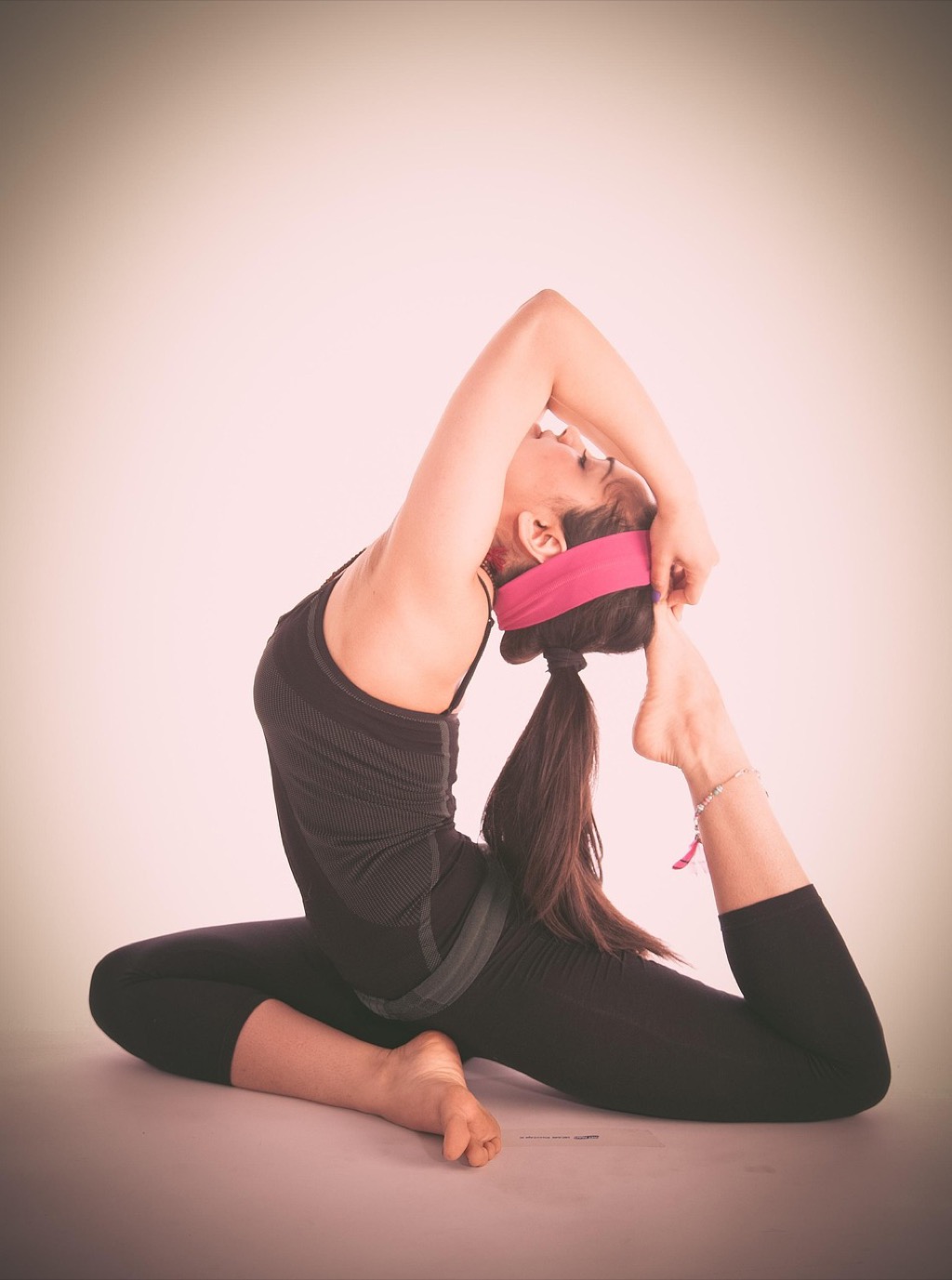
7 Ways to Integrate Yoga Into Swim Training That Pro Athletes Use
Discover 7 essential yoga poses that boost swim performance through enhanced flexibility, breathing control, and core strength. Perfect for swimmers seeking injury prevention and improved technique.
Why it matters: Combining yoga with swim training can transform your performance in the pool by improving flexibility, breathing control, and core strength.
The big picture: Elite swimmers increasingly turn to yoga to enhance their training routines, reduce injury risk, and develop the mental focus needed for competitive success.
What’s next: These seven targeted yoga poses will help you build the specific muscle groups and movement patterns that directly translate to faster, more efficient swimming.
Disclosure: As an Amazon Associate, this site earns from qualifying purchases. Thank you!
Understanding the Connection Between Yoga and Swimming Performance
Yoga transforms your swimming by targeting the exact physical and mental demands water training places on your body. Both disciplines require controlled breathing, core stability, and fluid movement patterns that complement each other perfectly.
Your breathing mechanics improve dramatically when you practice yoga poses that emphasize breath control. Swimming demands rhythmic breathing coordination with stroke timing, while yoga teaches you to maintain steady oxygen flow during challenging positions.
Core strength becomes your foundation for both activities. Yoga poses like plank and boat pose develop the deep abdominal muscles that stabilize your body position in water. This stability translates directly to better stroke efficiency and reduced energy waste during long swim sets.
Flexibility gains from yoga address swimming’s repetitive motion limitations. Your shoulders, hips, and spine become more mobile through targeted stretching, preventing the tight muscle patterns that restrict your stroke range and increase injury risk.
Preparing Your Body: Essential Warm-Up Poses Before Swimming
Your pre-swim routine sets the foundation for better performance and injury prevention. These targeted yoga poses prepare your spine and shoulders for the demands of swimming.
Cat-Cow Pose for Spinal Mobility
Start on hands and knees, alternating between arching your back (cow) and rounding it toward the ceiling (cat). This movement activates your entire spine and mimics the undulating motion your body creates during freestyle and butterfly strokes. Flow between positions for 8-10 repetitions to increase vertebral flexibility and warm up your core muscles before entering the water.
Shoulder Rolls and Arm Circles
Roll your shoulders backward in large, deliberate circles for 10 repetitions, then reverse direction. Follow with arm circles, starting small and gradually increasing the diameter until you’re making full overhead rotations. These movements prepare your shoulder joints for the repetitive overhead motion of swimming strokes while increasing blood flow to the rotator cuff muscles.
Pose 1: Downward Facing Dog for Shoulder Strength and Flexibility
Downward Facing Dog builds the shoulder strength and flexibility you’ll need for powerful swim strokes. This foundational pose targets your deltoids, rotator cuffs, and lats while opening tight chest muscles from repetitive swimming motions.
Steps to perform:
- Start on hands and knees with wrists under shoulders
- Tuck toes under and lift hips up and back
- Press palms firmly into the ground while lengthening your spine
- Hold for 30-60 seconds, breathing deeply
The pose mimics the overhead reach of freestyle and backstroke while strengthening stabilizing muscles around your shoulder joints. You’ll notice improved stroke power and reduced shoulder fatigue during longer training sessions.
Pose 2: Cobra Pose for Core Stability and Back Extension
Cobra pose strengthens your spine extensors and core muscles while counteracting the forward-hunched position you develop from hours of swimming. You’ll build the back strength essential for maintaining proper body alignment during all four competitive strokes.
Step-by-step instructions:
• Lie face down with palms flat beneath your shoulders
• Press your pelvis into the floor while lifting your chest
• Keep your shoulders away from your ears and engage your core
• Hold for 30-45 seconds while breathing deeply
This pose directly targets your erector spinae muscles and deep core stabilizers that maintain your streamlined position in the water. You’ll notice improved posture and reduced lower back fatigue during longer training sets.
The chest-opening aspect of cobra pose also enhances your breathing capacity by expanding your ribcage. This translates to more efficient oxygen uptake during flip turns and sprint intervals when breathing becomes restricted.
Pose 3: Warrior II for Hip Flexibility and Leg Strength
Warrior II builds the hip flexibility and leg power you need for stronger kicks and better streamline position. This pose targets your hip flexors, glutes, and quadriceps while improving lateral stability.
Step-by-step instructions:
- Start in a wide-legged forward fold, then turn your right foot out 90 degrees
- Bend your right knee directly over your ankle, keeping your thigh parallel to the pool deck
- Extend your arms parallel to the floor, reaching actively through your fingertips
- Hold for 30-45 seconds, then switch sides
Your hip flexors open significantly in this pose, directly improving your flutter kick efficiency and dolphin kick power. The sustained leg engagement mimics the muscular endurance you’ll need during long training sets.
Pose 4: Thread the Needle for Shoulder Mobility and Rotation
Thread the Needle targets shoulder rotation and upper back mobility, addressing the tight areas swimmers develop from repetitive overhead strokes. This pose directly counteracts the internal rotation patterns that limit your stroke reach and power.
Start in tabletop position with hands under shoulders and knees under hips. Thread your right arm underneath your left arm, lowering your right shoulder and temple to the floor. Hold for 30-45 seconds before switching sides.
Focus on the gentle twist through your thoracic spine as you thread through. You’ll feel the stretch across your posterior deltoids and between your shoulder blades – exactly where swimmers hold tension from countless freestyle and backstroke repetitions.
This mobility work translates directly to improved catch phase mechanics. Better shoulder rotation means you can reach farther forward during your stroke entry, maximizing your distance per stroke and reducing the compensatory movements that lead to shoulder impingement.
Pose 5: Pigeon Pose for Hip Flexor Release and Recovery
Pigeon Pose directly targets the hip flexors and glutes that become chronically tight from hours of flutter kicks and streamline positions. You’ll feel an immediate release in the front hip area where swimming’s repetitive leg movements create stubborn tension.
Step-by-Step Instructions:
- Start in tabletop position with hands under shoulders and knees under hips
- Bring your right knee forward behind your right wrist while sliding your left leg straight back
- Lower your right ankle toward your left wrist creating a 90-degree angle with your front leg
- Square your hips toward the floor and slowly fold forward over your front leg
- Hold for 30-60 seconds breathing deeply into the stretch
- Switch sides and repeat with your left leg forward
The deep hip flexor stretch from Pigeon Pose translates directly to improved underwater dolphin kicks and more efficient starts off the blocks. Your streamline position becomes tighter when hip flexors aren’t pulling your pelvis into anterior tilt.
Regular practice of this pose accelerates recovery between training sessions by releasing fascial restrictions that develop from repetitive kicking motions. You’ll notice less hip stiffness during warm-ups and better range of motion during breaststroke’s frog kick pattern.
Pose 6: Fish Pose for Chest Opening and Breathing Enhancement
Fish Pose opens your chest and throat while strengthening your upper back muscles that swimming often neglects. This backbend directly counteracts the forward shoulder position you develop from hours of stroke work.
Steps to perform Fish Pose:
- Lie on your back with legs extended and arms alongside your body
- Press your forearms into the floor and lift your chest toward the ceiling
- Arch your upper back and gently rest the crown of your head on the ground
- Hold for 30-60 seconds while breathing deeply through your nose
- Release slowly by lifting your head and lowering your chest
Fish Pose expands your ribcage and stretches your intercostal muscles between the ribs. This enhanced chest mobility directly improves your breathing capacity during bilateral breathing patterns and flip turn sequences.
The pose also strengthens your rhomboids and middle traps while stretching tight pectoral muscles. You’ll notice improved stroke rotation and reduced shoulder impingement after incorporating this chest-opening movement into your training routine.
Pose 7: Child’s Pose for Active Recovery and Mental Focus
Child’s Pose completes your yoga-swim integration by providing deep recovery and mental reset after intense training sessions. This restorative position targets the lower back, hips, and shoulders while calming your nervous system.
Start by kneeling on your mat with your big toes touching and knees hip-width apart. Sit back on your heels and slowly fold forward, extending your arms overhead and resting your forehead on the mat. Hold this position for 60-90 seconds while focusing on deep, rhythmic breathing.
Child’s Pose actively releases tension in your hip flexors and lower back muscles that tighten during flip turns and streamline positions. The gentle forward fold stretches your latissimus dorsi and posterior deltoids, counteracting the repetitive pulling motions of competitive strokes.
This pose enhances your mental training by creating a meditative state that mirrors the focused breathing patterns essential for race preparation. The sustained hold builds the same type of mental endurance you’ll need during challenging training sets and competitive events.
Creating Your Weekly Yoga-Swimming Training Schedule
Timing your yoga-swimming integration determines whether you’ll maximize performance benefits or create additional fatigue that hinders your pool training.
Pre-Swim Yoga Routine Timing
Perform your yoga warm-up 15-20 minutes before entering the water to activate key muscle groups without causing fatigue. Focus on 3-4 poses targeting shoulders, hips, and spine mobility. Cat-Cow, Downward Dog, and gentle spinal twists prepare your body for stroke mechanics while maintaining energy reserves for your swim workout.
Post-Swim Recovery Sequence
Complete your recovery yoga sequence within 30 minutes after swimming while muscles remain warm and pliable. Emphasize hip flexor releases, chest opening, and spinal decompression through poses like Pigeon, Fish, and Child’s Pose. This timing maximizes flexibility gains and accelerates muscle recovery between training sessions.
Common Mistakes to Avoid When Combining Yoga and Swimming
Rushing through poses immediately before swimming creates muscle fatigue instead of activation. You’ll compromise your stroke mechanics if you hold challenging poses like Warrior II for too long during pre-swim routines.
Skipping post-swim yoga sessions when you’re tired undermines recovery benefits. Your muscles need those gentle stretches within 30 minutes of training to prevent tightness from setting in overnight.
Forcing deep stretches when your muscles are cold leads to injury risk. Always perform dynamic movements first, especially for shoulder-intensive poses like Thread the Needle.
Practicing only one type of pose limits your swimming improvements. You need the balance of strength-building poses like Cobra and recovery positions like Child’s Pose for complete training integration.
Holding your breath during poses contradicts swimming’s emphasis on controlled breathing. Practice steady inhalation and exhalation patterns in each position to reinforce proper swimming breath control.
Ignoring individual stroke needs reduces yoga’s effectiveness. Backstrokers need more chest opening work, while breaststrokers require extra hip flexor attention through poses like Pigeon.
Conclusion
You’ve now discovered how yoga can transform your swimming performance through targeted poses that address your sport-specific needs. These seven key poses offer a complete approach to enhancing your flexibility core strength and breathing control.
The combination of proper timing consistent practice and mindful execution will help you maximize the benefits of this powerful training partnership. Remember that yoga isn’t just about physical preparation – it’s also your gateway to improved mental focus and faster recovery.
Start incorporating these poses into your routine today and you’ll quickly notice improvements in your stroke efficiency injury prevention and overall swimming performance. Your body and your lap times will thank you for making this smart training investment.
Frequently Asked Questions
How does yoga improve swimming performance?
Yoga enhances swimming performance by improving flexibility, breathing control, and core strength. It helps swimmers develop better stroke mechanics, prevents injuries caused by repetitive motions, and builds the mental focus needed for competition. The controlled breathing techniques in yoga directly translate to better rhythmic coordination in the water.
What are the best yoga poses for swimmers?
The seven essential yoga poses for swimmers include Downward Facing Dog for shoulder strength, Cobra Pose for core stability, Warrior II for hip flexibility, Thread the Needle for shoulder mobility, Pigeon Pose for hip flexor release, Fish Pose for chest opening, and Child’s Pose for recovery and mental focus.
When should swimmers practice yoga in relation to their swim training?
Swimmers should practice yoga 15-20 minutes before entering the water as a warm-up routine to prepare their bodies. Additionally, a recovery yoga sequence should be performed within 30 minutes after swimming to aid muscle recovery and prevent stiffness while the body is still warm.
What warm-up yoga poses should swimmers do before training?
Essential warm-up poses include Cat-Cow for spinal mobility, which mimics swimming’s undulating motion, shoulder rolls to prepare joints for overhead movements, and arm circles to activate the shoulder complex. These poses help prevent injuries and prepare the body for swimming-specific movements.
What common mistakes should swimmers avoid when combining yoga with swimming?
Common mistakes include rushing through poses, skipping post-swim yoga sessions, forcing deep stretches, practicing only one type of pose, holding breath during poses, and ignoring stroke-specific needs. Taking time to perform poses correctly and maintaining proper breathing ensures maximum benefits.
How does yoga help prevent swimming injuries?
Yoga addresses swimming’s repetitive motion limitations by improving mobility in shoulders, hips, and spine. It strengthens supporting muscles, particularly the core, which leads to better stroke efficiency. The increased flexibility and balanced muscle development help prevent overuse injuries common in swimmers.
