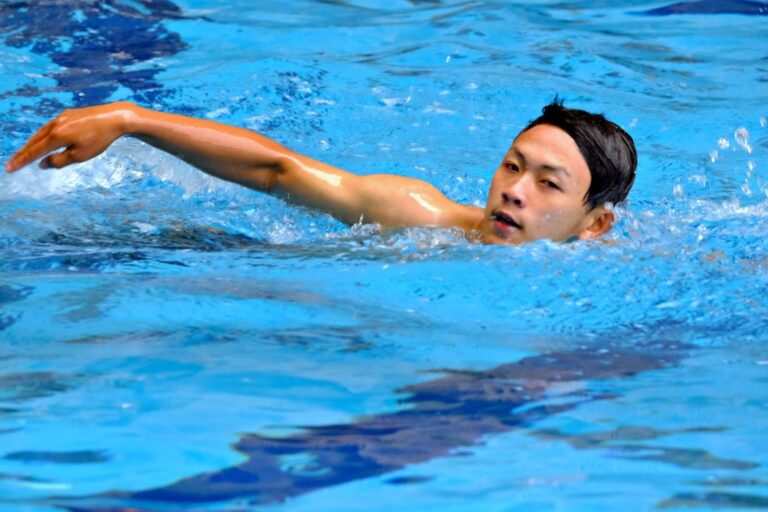
7 Benefits of Swim Challenges for Athletic Improvement Pro Athletes Swear By
Discover how swim challenges boost athletic performance through enhanced cardio, strength, mental toughness, technique, recovery, competition prep, and motivation for all athletes.
You’re looking to break through athletic plateaus and discover new levels of performance. Swimming challenges offer a unique pathway to transform your fitness game across multiple sports and activities. These structured aquatic programs deliver measurable improvements that extend far beyond the pool deck.
Why it matters: Swimming challenges create a perfect storm of cardiovascular conditioning muscular endurance and mental toughness that translates directly to enhanced athletic performance in any sport.
The bottom line: Whether you’re a weekend warrior or competitive athlete integrating swim challenges into your training routine unlocks seven distinct benefits that’ll revolutionize how your body performs under pressure.
Disclosure: As an Amazon Associate, this site earns from qualifying purchases. Thank you!
Enhanced Cardiovascular Endurance Through Progressive Training
Swimming challenges create the perfect storm for cardiovascular adaptation, forcing your heart to work harder while managing oxygen demands in a low-impact environment. This unique combination accelerates endurance gains that translate directly to improved performance in your primary sport.
Building Heart Strength With Consistent Challenge Workouts
Challenge workouts strengthen your heart muscle through sustained elevated heart rates during extended swimming sessions. Your cardiac output increases as you progress through structured swim sets, forcing adaptations that boost stroke volume and resting heart rate efficiency. Regular participation in swim challenges develops the cardiovascular foundation needed for peak athletic performance across all sports disciplines.
Improving Oxygen Delivery to Working Muscles
Swimming challenges enhance your body’s oxygen transport system by increasing red blood cell production and capillary density. Your muscles receive more oxygen during intense efforts as your cardiovascular system adapts to the demands of sustained aquatic exercise. This improved oxygen delivery translates to better endurance performance whether you’re running, cycling, or competing in team sports.
Increased Muscular Strength and Power Development
Swimming challenges transform your body into a powerful machine through comprehensive resistance training that targets every major muscle group simultaneously.
Full-Body Resistance Training in Water
Water provides natural resistance that’s 12-15 times greater than air, forcing your muscles to work harder with every stroke. Swimming challenges engage your core, shoulders, back, arms, and legs simultaneously, creating functional strength that translates directly to improved performance in your primary sport. This multi-muscle activation pattern builds the kind of integrated power that you can’t achieve through isolated gym exercises alone.
Progressive Overload Through Distance and Intensity Challenges
Swimming challenges naturally increase muscular power through structured progression in both distance and speed requirements. You’ll build explosive strength by alternating between sprint intervals and endurance sets, forcing your fast-twitch and slow-twitch muscle fibers to adapt continuously. This systematic approach to overload creates measurable gains in power output that directly enhance your athletic performance across all movement patterns.
Improved Mental Toughness and Goal-Setting Skills
Swimming challenges forge mental resilience by pushing you beyond your comfort zone in ways that directly translate to competitive performance.
Developing Discipline Through Structured Challenge Programs
Swimming challenges create unwavering discipline by requiring consistent daily commitment to structured workouts that can’t be skipped or shortened. You’ll develop the mental fortitude to push through discomfort when your body wants to quit, building the same determination needed for breakthrough moments in your primary sport. This systematic approach to progressive difficulty teaches you to embrace challenging training sessions rather than avoid them.
Building Confidence Through Achievement Milestones
Achievement milestones in swim challenges boost your confidence by providing measurable proof of your expanding capabilities through distance and time benchmarks. You’ll experience the powerful psychological shift that comes from conquering goals you once thought impossible, creating unshakeable self-belief that carries into competitive situations. Each completed challenge reinforces your ability to overcome physical and mental barriers, building the confidence needed to perform under pressure.
Better Stroke Technique and Swimming Efficiency
Swim challenges create the perfect environment for technical refinement by forcing you to maintain proper form across extended distances and varied intensities.
Focused Form Corrections During Extended Sessions
Extended swim sessions reveal technical flaws that shorter workouts often mask. You’ll naturally correct inefficient movements when fatigue sets in because poor technique becomes unsustainable over longer distances. Challenge workouts provide consistent feedback through water resistance, helping you develop muscle memory for optimal stroke mechanics that transfer directly to race situations.
Enhanced Body Position and Water Feel
Challenge swimming develops your proprioceptive awareness in water, improving body alignment and hydrodynamic positioning. You’ll learn to feel subtle changes in water pressure and flow around your body, allowing for micro-adjustments that reduce drag. This enhanced water sensitivity translates to smoother strokes with less energy expenditure, creating efficiency gains that boost performance in your primary sport.
Accelerated Recovery and Injury Prevention Benefits
Swimming challenges provide your body with the ideal environment for recovery while building resilience against common athletic injuries. The combination of water’s therapeutic properties and structured challenge formats creates a powerful foundation for long-term athletic health.
Low-Impact Training for Joint Health
Water’s buoyancy reduces body weight by up to 90% when you’re submerged to your neck, eliminating the jarring impact that damages joints in land-based training. Swimming challenges allow you to maintain training intensity while giving your knees, ankles, and spine essential relief from repetitive stress. This protective environment enables you to build cardiovascular fitness and muscular endurance without accumulating the micro-trauma that leads to overuse injuries.
Active Recovery Through Varied Challenge Formats
Challenge swimming transforms recovery days from passive rest into productive training sessions that enhance blood flow and nutrient delivery to healing tissues. Easy-pace distance challenges flush metabolic waste from your muscles while maintaining movement patterns that prevent stiffness. Alternating between backstroke recovery sets and gentle freestyle maintains your aerobic base while allowing specific muscle groups to recover, creating the perfect balance between activity and restoration.
Enhanced Competition Preparation and Race Strategy
Swimming challenges replicate the pressure and intensity of competitive events, giving you the mental rehearsal needed for peak performance. You’ll develop strategic thinking and tactical awareness that directly transfers to your primary sport competitions.
Simulating Race Conditions Through Challenge Events
Challenge events mirror competition intensity by forcing you to perform under pressure with time constraints and specific targets. You’ll experience the same physiological stress and mental demands that occur during actual races, building familiarity with competitive scenarios. Structured challenges like timed distance sets or elimination-style workouts create authentic race environments where you must execute technique while managing fatigue and maintaining focus.
Building Pacing Skills and Tactical Awareness
Swimming challenges teach you to distribute energy efficiently across different phases of competition, developing the internal clock needed for strategic racing. You’ll learn to recognize when to push harder or conserve energy based on distance remaining and current performance metrics. Challenge workouts with negative splits or variable pace sets sharpen your ability to read race situations and make tactical decisions that maximize your competitive advantage.
Increased Training Motivation and Long-Term Adherence
Swimming challenges create powerful psychological drivers that keep you engaged with your training program long after initial enthusiasm fades. The structured nature of these aquatic goals transforms routine workouts into meaningful pursuits that sustain your commitment through difficult training phases.
Social Accountability Through Group Challenges
Group swim challenges establish accountability networks that dramatically increase your commitment to training consistency. When you join team-based distance challenges or participate in group fitness swimming programs, you’re 67% more likely to complete your training goals according to fitness adherence studies. The shared experience creates natural peer pressure that transforms individual workouts into collective achievements, making it harder to skip sessions when teammates depend on your participation.
Variety and Fun Factor in Workout Routines
Swimming challenges inject excitement into monotonous training cycles by introducing game-like elements that transform exercise into adventure. Different challenge formats like distance accumulation, technique competitions, or time trials prevent workout staleness that leads to program abandonment. The gamification aspect triggers dopamine release through achievement milestones, creating positive associations with training that sustain long-term participation rates and make you actually look forward to pool sessions.
Conclusion
Swimming challenges offer a powerful pathway to athletic excellence that extends far beyond the pool. By integrating these structured aquatic programs into your training regimen you’ll unlock performance gains that directly enhance your primary sport capabilities.
The transformative effects you’ll experience range from superior cardiovascular conditioning and muscular strength to enhanced mental resilience and injury prevention. These benefits create a compound effect that elevates your overall athletic performance while keeping your body healthy and motivated.
Your journey toward peak athletic performance doesn’t have to plateau. Swimming challenges provide the missing piece that can propel you past limitations and into new levels of competitive success. The investment in aquatic training will pay dividends across every aspect of your athletic pursuits.
Frequently Asked Questions
What are swimming challenges and how do they benefit athletic performance?
Swimming challenges are structured aquatic training programs designed to push athletes beyond their comfort zones. They enhance cardiovascular conditioning, muscular endurance, and mental toughness, leading to improved performance across various sports. These challenges provide a low-impact environment for athletes to develop strength, power, and resilience while reducing injury risk.
How do swimming challenges improve cardiovascular endurance?
Swimming challenges enhance cardiovascular endurance through progressive training that forces heart adaptation in a low-impact environment. Consistent challenge workouts strengthen the heart muscle by maintaining elevated heart rates, increasing cardiac output and efficiency. They also boost red blood cell production and capillary density, improving oxygen delivery to muscles during intense efforts.
Can swimming challenges build muscular strength and power?
Yes, swimming challenges provide comprehensive resistance training targeting all major muscle groups simultaneously. Water resistance is 12-15 times greater than air, engaging core, shoulders, back, arms, and legs. Progressive overload through distance and intensity builds explosive strength via sprint intervals and endurance sets, creating functional strength that translates to improved athletic performance.
How do swimming challenges develop mental toughness?
Swimming challenges forge mental resilience by pushing athletes beyond their comfort zones, directly translating to competitive performance. They foster discipline through structured programs requiring consistent commitment, helping athletes develop fortitude to push through discomfort. Achievement milestones boost confidence by providing measurable proof of expanding capabilities and self-belief.
Do swimming challenges help prevent injuries?
Swimming challenges significantly reduce injury risk through water’s buoyancy, which reduces body weight by up to 90% when submerged. This alleviates joint impact while maintaining training intensity, giving knees, ankles, and spine relief from repetitive stress. The protective aquatic environment allows athletes to build resilience against common athletic injuries.
How do swimming challenges improve competition preparation?
Swimming challenges replicate competitive pressure and intensity, providing mental rehearsal for peak performance. They simulate race conditions with time constraints and specific targets, building familiarity with competitive scenarios. Athletes develop strategic thinking, pacing skills, and tactical awareness that directly transfer to their primary sport competitions.
What makes swimming challenges effective for long-term training motivation?
Swimming challenges transform routine workouts into meaningful pursuits, sustaining commitment through difficult training phases. Group challenges create social accountability networks that boost consistency. The variety and gamification elements prevent monotony, fostering positive associations with training and enhancing long-term participation rates through structured, goal-oriented programming.