7 Best Ocean Conservation Volunteer Programs for Beginners
Discover 7 top volunteer programs protecting beaches and marine life. From sea turtle conservation to coral restoration, find your perfect ocean conservation opportunity today.
You can make a real difference for our planet’s coastlines while gaining hands-on conservation experience through volunteer beach programs. These opportunities let you protect marine ecosystems, clean up plastic pollution, and monitor wildlife populations alongside dedicated scientists and conservationists. Whether you’re passionate about sea turtle protection or coral reef restoration, the right volunteer program can transform your environmental interests into meaningful action.
Disclosure: As an Amazon Associate, this site earns from qualifying purchases. Thank you!
Sea Turtle Conservancy – Protecting Ancient Mariners
The Sea Turtle Conservancy offers volunteers the chance to safeguard these remarkable creatures that have navigated our oceans for over 100 million years. You’ll work directly with marine biologists to protect nesting sites and monitor hatchling success rates.
Hands-On Turtle Monitoring and Protection
You’ll patrol nesting beaches during peak season from May through October, tracking female turtles as they come ashore to lay eggs. Your responsibilities include measuring nesting mothers, recording GPS coordinates of nests, and documenting species identification data. You’ll also assist with tagging programs that help researchers track individual turtles across their migration routes.
Beach Patrol and Nest Relocation Programs
You’ll conduct early morning patrols to identify new nests and assess threats from erosion, predators, or human activity. When nests face danger, you’ll carefully relocate eggs to protected hatcheries using specialized techniques. Your work includes installing protective cages around vulnerable nests and removing obstacles that could prevent hatchlings from reaching the ocean.
Research Data Collection and Analysis
You’ll gather critical data on nest temperatures, incubation periods, and hatching success rates that inform conservation strategies. Your measurements include clutch sizes, egg dimensions, and environmental factors affecting nest survival. You’ll also input field data into research databases and assist with statistical analysis that guides protection policies for endangered sea turtle populations.
Surfrider Foundation – Grassroots Ocean Protection
You’ll find Surfrider Foundation’s volunteer programs operating through 170+ chapters worldwide, making ocean protection accessible in your local community. This nonprofit empowers everyday people to become ocean advocates through hands-on conservation work.
Beach Cleanup and Plastic Pollution Prevention
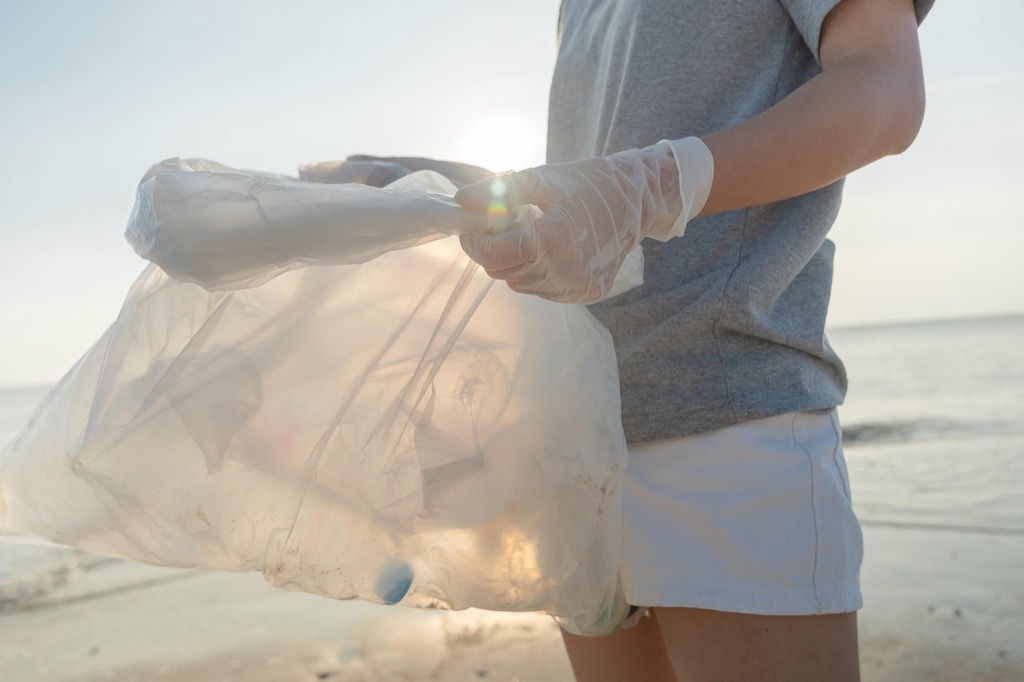
Clean beach events with Surfrider Foundation remove thousands of pounds of debris annually from coastlines. You’ll participate in monthly cleanups that track pollution data, identifying common trash items like cigarette butts, plastic bottles, and food wrappers. These efforts directly reduce marine debris while building awareness about single-use plastics in your community.
Water Quality Testing and Monitoring
Testing ocean water quality becomes your regular volunteer responsibility through Surfrider’s Blue Water Task Force program. You’ll collect water samples from beaches, harbors, and river mouths to test for bacteria levels that affect swimmer safety. Your data helps identify pollution sources and protects public health at popular swimming spots.
Coastal Access and Preservation Advocacy
Advocacy work with Surfrider Foundation protects your right to enjoy public beaches and coastal areas. You’ll attend city council meetings, participate in letter-writing campaigns, and support legislation that prevents beach privatization. These efforts ensure future generations can access the same coastal spaces you love today.
Ocean Conservancy – Global Marine Debris Solutions
Ocean Conservancy leads the world’s largest volunteer-driven beach conservation effort through comprehensive marine debris solutions. You’ll join a global network that’s documented over 348 million pieces of trash collected from coastlines worldwide.
International Coastal Cleanup Leadership
You’ll participate in the world’s largest single-day volunteer event for ocean health every September. Ocean Conservancy coordinates over 1 million volunteers across 100+ countries who remove debris and document pollution patterns. Your data contributions help shape international policy and identify the top sources of marine litter affecting coastal ecosystems globally.
Marine Debris Research and Documentation
You’ll collect standardized data using Ocean Conservancy’s comprehensive tracking system during cleanup events. Volunteers document debris types, quantities, and locations to create the world’s largest marine litter database. Your research contributions directly inform scientific studies and policy recommendations that address plastic pollution at its source through legislative action.
Community Education and Outreach Programs
You’ll engage in educational initiatives that reach over 17 million people annually through Ocean Conservancy’s outreach efforts. Volunteers lead school presentations, community workshops, and social media campaigns that raise awareness about marine debris impacts. Your advocacy work helps build support for plastic reduction policies and sustainable practices in coastal communities nationwide.
Coral Restoration Foundation – Reef Recovery Missions
Coral reefs support 25% of all marine species despite covering less than 1% of ocean floors. The Coral Restoration Foundation offers you direct involvement in saving these underwater rainforests through science-based restoration programs.
Coral Nursery Maintenance and Monitoring
You’ll tend underwater coral nurseries where fragmented corals grow on specialized structures before transplantation. Daily tasks include cleaning algae from coral fragments, measuring growth rates, and documenting survival percentages. Volunteers work alongside marine biologists to maintain optimal growing conditions for endangered coral species like staghorn and elkhorn corals.
Reef Restoration Diving Programs
You’ll transplant healthy coral fragments from nurseries directly onto degraded reef sites using specialized tools and techniques. Diving volunteers receive training in coral handling, underwater construction methods, and site assessment protocols. Each restoration dive contributes to rebuilding reef structure that can withstand hurricane impacts and ocean acidification.
Marine Ecosystem Health Assessment
You’ll collect water quality data, photograph coral health conditions, and monitor fish populations at restoration sites. Volunteers use underwater tablets to record bleaching events, disease outbreaks, and predator activities that affect coral survival. This data helps scientists track restoration success rates and adapt techniques for maximum ecosystem recovery impact.
Oceana – Science-Based Conservation Action
Oceana stands as the world’s largest international ocean advocacy organization, mobilizing supporters to win policy victories for the oceans. You’ll join campaigns that combine rigorous science with strategic advocacy to protect marine ecosystems on a global scale.
Marine Protected Area Campaigns
You’ll advocate for establishing and expanding marine protected areas that safeguard critical ocean habitats. Volunteers support campaigns to create no-take zones where fish populations can recover and marine ecosystems can thrive. These efforts focus on protecting spawning grounds, nursery areas, and migration corridors essential for healthy ocean biodiversity.
Fisheries Conservation and Sustainability
You’ll work on campaigns to end overfishing and promote sustainable fishing practices worldwide. Volunteers help advocate for science-based catch limits, seasonal closures, and gear restrictions that protect vulnerable species. These initiatives target industrial fishing fleets while supporting small-scale fishers who depend on healthy ocean resources for their livelihoods.
Plastic Pollution Policy Advocacy
You’ll campaign for policies that reduce single-use plastics and prevent ocean pollution at its source. Volunteers support legislation banning plastic bags, styrofoam containers, and microplastics in personal care products. These advocacy efforts focus on corporate accountability and government action to address the 8 million tons of plastic entering oceans annually.
Marine Conservation Institute – Protecting Ocean Wildlife
The Marine Conservation Institute tackles ocean protection through science-driven conservation strategies that create lasting impact for marine ecosystems. You’ll join researchers and conservationists working to establish protected marine areas and conduct vital biodiversity research.
Blue Parks Network Development
You’ll help expand the world’s only science-based certification program for marine protected areas through data collection and field assessments. Volunteers support site evaluations by documenting marine life populations and measuring habitat quality indicators. Your contributions help identify new Blue Parks candidates and strengthen protection standards for existing certified sites.
Marine Biodiversity Research Projects
You’ll participate in comprehensive species monitoring programs that track marine wildlife populations across different ocean habitats. Volunteers assist marine biologists with underwater surveys, fish population counts, and marine mammal observation protocols. Your research contributions help scientists understand ecosystem health trends and develop targeted conservation strategies for threatened species.
Habitat Restoration and Protection
You’ll engage in hands-on restoration work that rebuilds damaged marine ecosystems through kelp forest restoration and seagrass bed rehabilitation projects. Volunteers transplant native marine vegetation, remove invasive species, and monitor recovery progress using scientific protocols. Your restoration efforts directly improve critical habitats that serve as nurseries for commercially important fish species and marine wildlife.
National Audubon Society – Coastal Bird Conservation
You’ll find Audubon’s coastal bird conservation programs offer specialized protection for shorebirds and seabirds facing habitat loss from development and climate change. These science-based initiatives connect you with critical conservation work protecting vulnerable species across America’s coastlines.
Shorebird Monitoring and Protection
Monitor nesting colonies of endangered species like piping plovers and least terns during breeding season. You’ll conduct weekly bird counts, document nesting success rates, and install protective barriers around sensitive areas. Volunteers track migration patterns and collect banding data that helps scientists understand population trends across flyway routes.
Coastal Habitat Restoration Projects
Restore native dune vegetation and salt marsh habitats that provide essential nesting and feeding areas for coastal birds. You’ll remove invasive plant species, plant native grasses like American beachgrass, and build living shoreline structures using oyster shells. These projects create resilient coastal ecosystems that support both bird populations and storm protection.
Climate Change Impact Research
Document shifting bird populations and breeding patterns as sea levels rise and storm intensity increases. You’ll collect temperature data from nesting sites, monitor changes in food availability, and track how species adapt to altered coastal conditions. This research informs Audubon’s climate adaptation strategies for protecting vulnerable bird species across changing landscapes.
Conclusion
Beach conservation volunteer programs offer you an incredible opportunity to make a tangible difference in protecting our planet’s most vulnerable coastal ecosystems. Whether you’re passionate about sea turtles coral reefs or marine birds these seven organizations provide meaningful ways to turn your environmental concerns into direct action.
Your participation goes beyond temporary impact â you’ll be contributing to long-term scientific research that shapes conservation policies worldwide. From collecting crucial data on pollution patterns to helping restore damaged habitats every volunteer hour creates lasting change for marine life.
Ready to dive into ocean conservation? Choose the program that aligns with your interests and location. Your coastal adventure awaits and the ocean needs dedicated volunteers like you to ensure these precious ecosystems thrive for generations to come.
Frequently Asked Questions
What types of activities can volunteers do in beach conservation programs?
Volunteers can participate in beach cleanups, sea turtle monitoring, coral restoration, water quality testing, and coastal bird protection. Activities include patrolling nesting beaches, transplanting coral fragments, removing marine debris, conducting wildlife surveys, and habitat restoration projects like planting native vegetation and removing invasive species.
How do volunteer beach programs contribute to scientific research?
Volunteers collect standardized data on marine debris, water quality, wildlife populations, and nesting success rates. This information contributes to global databases used by scientists to track pollution patterns, monitor ecosystem health, inform conservation strategies, and support policy recommendations for ocean protection.
What is the Sea Turtle Conservancy and what do volunteers do there?
The Sea Turtle Conservancy protects sea turtles through volunteer programs where participants work with marine biologists to patrol nesting beaches, track and measure nesting mothers, document nests, relocate eggs to protected hatcheries, and gather data on nest temperatures and hatching success rates.
How does the Surfrider Foundation engage volunteers in ocean protection?
Surfrider Foundation operates through 170+ chapters worldwide, organizing beach cleanups that remove thousands of pounds of debris annually. Volunteers also test ocean water quality through the Blue Water Task Force program, advocate for beach access protection, and raise awareness about single-use plastic pollution.
What is the International Coastal Cleanup organized by Ocean Conservancy?
The International Coastal Cleanup is the world’s largest single-day volunteer event for ocean health, held every September. Over 1 million volunteers across 100+ countries participate in removing debris and documenting pollution patterns, contributing to the world’s largest marine litter database.
How can volunteers help with coral reef restoration?
Through the Coral Restoration Foundation, volunteers maintain underwater coral nurseries, clean algae from coral fragments, transplant healthy corals onto degraded reefs, collect water quality data, and monitor fish populations. They receive training in coral handling and underwater construction methods.
What advocacy work does Oceana involve volunteers in?
Oceana volunteers campaign to establish marine protected areas, advocate for sustainable fishing practices to end overfishing, and push for policies that reduce single-use plastics. They work to win policy victories that protect marine ecosystems and ensure ocean sustainability globally.
How does the Marine Conservation Institute use volunteers?
Volunteers help establish protected marine areas, expand the Blue Parks Network through documentation of marine life, participate in underwater surveys and fish counts, and engage in habitat restoration projects like kelp forest and seagrass bed rehabilitation to improve critical marine habitats.
What coastal bird conservation work can volunteers do with Audubon Society?
Volunteers monitor nesting colonies of endangered species like piping plovers and least terns, conduct weekly bird counts, participate in habitat restoration by removing invasive species and planting native vegetation, and document climate change impacts on bird populations and breeding patterns.
Do I need special training to volunteer for beach conservation programs?
Most programs provide necessary training on-site. While some activities like coral restoration diving require certification, many programs welcome beginners and offer education in areas like wildlife identification, data collection methods, and conservation techniques. Basic swimming skills may be required for certain programs.