5 Ways to Test Natural Water Quality for Family Safety
Discover 5 practical methods to test water quality in lakes, rivers & streams using visual inspection, chemical tests, biological indicators & more. Protect your health naturally!
Why it matters: Clean water isn’t just essential for drinking – it’s the foundation of healthy ecosystems that support wildlife and recreational activities you love. Whether you’re planning a swimming trip to your local lake or concerned about fish populations in nearby streams, understanding water quality helps you make informed decisions about safety and environmental health.
The big picture: You don’t need expensive lab equipment to get meaningful insights about water conditions. Simple field tests and visual assessments can reveal critical information about pollution levels, algae blooms, and overall ecosystem health that directly impact both human activities and aquatic life.
What’s ahead: We’ll walk you through five practical methods that range from basic observation techniques to affordable testing kits you can use right at the water’s edge.
Disclosure: As an Amazon Associate, this site earns from qualifying purchases. Thank you!
Visual Inspection: The First Line of Defense in Water Quality Assessment
Your eyes are your most valuable tool for quickly assessing water quality in natural bodies. Before you even reach for testing equipment, a thorough visual inspection can reveal critical information about potential contamination and overall water health.
Observing Water Color and Clarity Changes
Clear water that lets you see several feet down typically indicates good quality conditions. Murky brown or green tints often signal sediment runoff or algae blooms that can harbor harmful bacteria. Red or orange coloration may indicate iron deposits or industrial contamination requiring immediate attention.
Identifying Surface Debris and Algae Growth
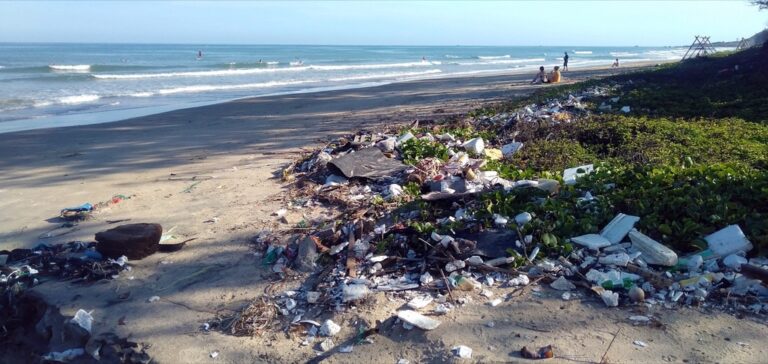
Floating trash, dead fish, or excessive plant matter suggests pollution or ecosystem imbalance. Thick algae mats create green scums that reduce oxygen levels and produce toxins dangerous to humans and wildlife. Fresh algae growth appears bright green while older blooms turn darker and emit stronger odors.
Spotting Oil Sheens and Foam Formations
Rainbow-colored films on the water surface indicate petroleum contamination from boats or nearby industrial sources. Natural foam from organic matter appears white and dissipates quickly while persistent colored foam suggests chemical pollutants. These sheens often concentrate near shorelines and in calm water areas.
Detecting Unusual Odors and Scents
Fresh water should smell neutral or slightly earthy without strong chemical or sewage odors. Rotten egg smells indicate hydrogen sulfide from decomposing organic matter or bacterial contamination. Sweet or chemical scents suggest industrial pollutants while fishy odors may signal algae blooms or poor water circulation.
Chemical Testing: Using Test Kits for Accurate Water Analysis
While visual inspection reveals obvious problems, chemical testing uncovers invisible contaminants that could pose serious health risks. Portable test kits give you precise measurements of key water quality indicators without needing expensive laboratory equipment.
pH Level Testing for Acidity and Alkalinity
pH testing reveals water’s chemical balance using simple strip tests or digital meters. Healthy freshwater typically ranges between 6.5-8.5 pH, with readings below 6.0 indicating acidic conditions that can harm aquatic life. Acidic water often results from acid rain or mining runoff, while alkaline readings above 9.0 suggest agricultural pollution or limestone geology.
Dissolved Oxygen Measurement Techniques
Dissolved oxygen testing measures life-supporting capacity using electronic probes or chemical test kits. Cold water holds more oxygen than warm water, with healthy levels ranging 8-12 mg/L in winter and 5-8 mg/L in summer. Low oxygen readings below 4 mg/L indicate pollution, algae blooms, or excessive organic decay that threatens fish populations.
Nitrate and Phosphate Level Detection
Nitrate and phosphate testing identifies nutrient pollution using colorimetric test strips or liquid reagents. Elevated nitrates above 10 mg/L suggest fertilizer runoff or sewage contamination, while phosphates exceeding 0.05 mg/L trigger harmful algae blooms. These nutrients create oxygen-depleting conditions that devastate aquatic ecosystems through eutrophication processes.
Heavy Metal Contamination Screening
Heavy metal testing detects toxic elements using specialized test strips or portable analyzers. Lead levels above 15 ppb pose serious health risks, while copper concentrations exceeding 1.3 mg/L indicate industrial pollution or old plumbing systems. Mercury, cadmium, and chromium require professional testing due to their extremely low safe thresholds and potential bioaccumulation.
Biological Indicators: Nature’s Water Quality Sensors
Living organisms tell the most honest story about water quality because they can’t hide from pollution effects over time.
Macroinvertebrate Population Assessment
You’ll find healthy water bodies teeming with diverse bottom-dwelling creatures like mayfly larvae, caddisfly cases, and stonefly nymphs. These pollution-sensitive species disappear when water quality declines, leaving behind only hardy worms, midges, and leeches that tolerate contaminated conditions. Count different species types in a small area—more variety indicates cleaner water.
Fish Health and Behavior Observation
Healthy fish display vibrant colors, clear eyes, and active swimming patterns near the surface during feeding times. You’ll notice stressed fish exhibiting sluggish movement, gasping at the surface, or showing visible lesions and fungal infections on their bodies. Dead fish floating or concentrated in shallow areas signal serious contamination problems requiring immediate attention.
Aquatic Plant Diversity Analysis
Clean water supports balanced plant communities with submerged grasses, floating lilies, and emergent cattails growing in distinct zones. You’ll spot trouble when single algae species dominate, creating thick mats that block sunlight and deplete oxygen levels. Excessive plant decay or unusual plant colors often indicate nutrient pollution from agricultural runoff or sewage discharge.
Bacterial Contamination Testing Methods
Simple coliform bacteria test strips provide quick results for dangerous E. coli contamination within 24-48 hours of water collection. You can purchase affordable testing kits from pool supply stores or online retailers for under $20. Professional lab testing remains necessary for comprehensive bacterial analysis, especially before drinking from natural sources or after suspected sewage contamination events.
Physical Parameter Measurement: Quantifying Water Characteristics
Physical measurements provide concrete data about water conditions that complement your visual and chemical assessments. These quantifiable parameters help you understand the complete picture of water quality.
Temperature Monitoring and Seasonal Variations
Temperature affects water quality in ways you might not expect. Warmer water holds less dissolved oxygen while encouraging bacterial growth and algae blooms. Use a simple digital thermometer to track temperature patterns throughout the day and across seasons. Healthy water bodies maintain relatively stable temperatures with gradual seasonal changes rather than sudden spikes.
Turbidity Assessment Using Measurement Tools
Turbidity measures how cloudy your water appears and affects everything from light penetration to aquatic life. A Secchi disk provides accurate turbidity readings – lower the disk until it disappears then measure the depth. You can also use electronic turbidity meters for precise measurements. Clear water should allow visibility of 3-6 feet in most natural bodies.
Conductivity Testing for Dissolved Solids
Electrical conductivity reveals the concentration of dissolved minerals and salts in water. Higher conductivity often indicates pollution from road salt runoff or agricultural chemicals. Digital conductivity meters give instant readings measured in microsiemens per centimeter. Freshwater typically ranges from 50-1500 μS/cm while readings above 2000 μS/cm suggest contamination issues.
Flow Rate and Water Level Documentation
Moving water stays healthier than stagnant water because flow provides oxygen and prevents pollutant buildup. Document flow patterns using a simple float test – time how long objects take to travel measured distances. Record water levels using permanent markers on rocks or posts. Consistent flow rates and stable water levels indicate healthy watershed conditions.
Professional Laboratory Analysis: Comprehensive Water Quality Evaluation
When field testing reaches its limits, professional laboratory analysis provides the most accurate picture of water quality. Lab testing reveals contaminants at microscopic levels that simple test kits can’t detect.
Collecting Proper Water Samples for Testing
Proper sampling technique determines your results’ accuracy. Use sterile containers provided by the lab and collect samples from multiple depths and locations. Fill containers completely to avoid air exposure and keep samples cold during transport. Never touch the inside of collection bottles or allow contamination from your hands or equipment.
Understanding Laboratory Report Results
Lab reports contain detailed measurements that require careful interpretation. Compare your results against EPA drinking water standards and local environmental benchmarks. Pay attention to detection limits and confidence intervals rather than just pass/fail indicators. Focus on trends over time rather than single measurements for meaningful water quality assessment.
Identifying Contaminants Beyond Field Testing
Laboratory analysis detects invisible threats your field tests miss entirely. Professional testing identifies specific bacteria strains, parasites like Giardia and Cryptosporidium, and trace pharmaceuticals in water systems. Heavy metals, pesticides, and industrial chemicals require sophisticated equipment that only certified labs possess. These contaminants often exist at harmful levels without obvious visual or chemical indicators.
Scheduling Regular Professional Assessments
Annual testing establishes baseline conditions while seasonal testing tracks changes. Schedule comprehensive analysis during spring runoff and late summer when contamination risks peak. Increase testing frequency near agricultural areas, urban runoff zones, or after significant weather events. Document results over multiple years to identify pollution trends and seasonal patterns affecting water quality.
Conclusion
Regular water quality assessment empowers you to protect both your health and the environment around you. By combining these five approaches you’ll develop a comprehensive understanding of any water body’s condition and potential risks.
Start with simple visual inspections and gradually incorporate more advanced testing methods as needed. Remember that consistent monitoring over time provides the most valuable insights into water quality trends.
When in doubt always err on the side of caution and seek professional analysis. Your vigilance today helps preserve these vital water resources for future generations while keeping you and your community safe.
Frequently Asked Questions
What are the main visual signs that indicate poor water quality?
Look for murky or discolored water, excessive algae growth, surface debris like trash or dead fish, oil sheens, unusual foam formations, and strange odors. Clear water typically indicates good quality, while brown, green, or other unusual colors suggest contamination from sediment runoff, algae blooms, or chemical pollutants.
Can I test water quality without expensive laboratory equipment?
Yes, you can assess water quality using simple field tests and visual observations. Portable test kits are available for measuring pH, dissolved oxygen, nitrates, and phosphates. Visual inspection, biological indicators like fish behavior, and physical measurements provide valuable insights without costly equipment.
What chemical tests are most important for water quality assessment?
Key chemical tests include pH levels, dissolved oxygen, nitrate and phosphate concentrations, and heavy metal screening. These tests reveal invisible contaminants that pose health risks. Portable test kits can handle basic chemical analysis, though professional testing is recommended for comprehensive heavy metal detection.
How do biological indicators help determine water quality?
Living organisms act as natural water quality sensors. Healthy macroinvertebrate populations, active fish behavior, and diverse aquatic plant life indicate good water quality. Conversely, dead fish, declining populations, or excessive algae growth suggest pollution or ecosystem imbalance requiring further investigation.
When should I seek professional laboratory analysis for water testing?
Professional testing is recommended for comprehensive contamination screening, establishing baseline conditions, detecting contaminants that field tests miss, and in high-risk contamination areas. Lab analysis provides detailed reports on bacteria, heavy metals, and other hazardous substances requiring specialized equipment and expertise.
What physical parameters should I measure when assessing water quality?
Important physical measurements include water temperature, turbidity (cloudiness), electrical conductivity, flow rates, and water levels. These parameters provide concrete data about water conditions and help identify pollution sources. Temperature affects dissolved oxygen levels, while turbidity indicates suspended particles or sediment.
How often should water quality be monitored?
Regular monitoring frequency depends on water use and contamination risk. For drinking water sources, monthly testing is recommended. Recreational waters should be tested seasonally or after significant weather events. Areas with known contamination risks may require more frequent professional assessment to track changes over time.