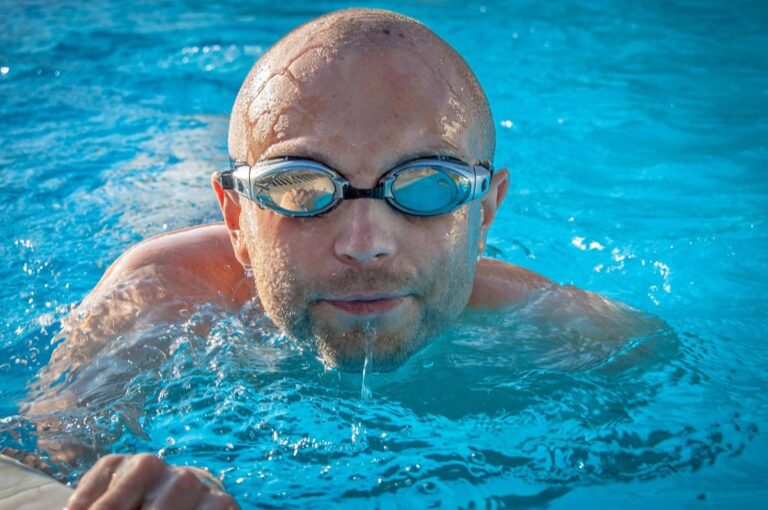
7 Ways to Reduce Pool Chemicals & Save Money
Discover 7 innovative ways to maintain your pool with fewer chemicals – from solar covers to enzyme products – saving money while creating a healthier swimming environment.
Maintaining a pristine pool doesn’t always require hefty amounts of chemicals that can be harsh on your skin and wallet. As pool owners search for eco-friendly alternatives, innovative approaches to water maintenance have emerged that can significantly reduce your chemical dependency.
These creative solutions not only minimize your environmental footprint but also create a more natural swimming experience while extending the life of your pool equipment.
Disclosure: As an Amazon Associate, this site earns from qualifying purchases. Thank you!
7 Creative Ideas to Reduce Pool Chemical Usage Without Compromising Water Quality
- Install a Pool Cover
Using a pool cover when your pool isn’t in use blocks sunlight that accelerates chlorine degradation. You’ll reduce chemical consumption by up to 35-60% while minimizing debris that would otherwise demand additional sanitizers. Quality covers also prevent evaporation, maintaining proper water levels and chemical balance.
- Implement a Salt Chlorine Generator
Salt chlorine generators convert ordinary salt into chlorine through electrolysis. You’ll need less store-bought chlorine as the system produces sanitizer on demand. These systems typically reduce chemical usage by 50-80% while delivering softer water that’s gentler on skin, eyes, and swimwear.
- Add Enzyme Products
Pool enzymes break down organic contaminants like oils, lotions, and other non-living debris. You’ll need fewer shock treatments and sanitizers when using enzyme products regularly. These products work continuously, consuming oils and organic matter before they can become food for algae or bacteria.
- Install UV or Ozone Systems
UV and ozone systems destroy up to 99.9% of bacteria and viruses instantly. You’ll reduce chlorine usage by 50-75% as these systems handle much of the sanitization process. These advanced technologies neutralize contaminants through oxidation rather than chemical reactions.
- Use Natural Minerals
Mineral systems with silver and copper ions provide supplementary sanitization. You’ll maintain cleaner water with up to 50% less chlorine when using mineral dispensers or cartridges. These minerals naturally inhibit algae and bacteria growth without harsh chemical side effects.
- Practice Regular Physical Cleaning
Brushing walls and vacuuming your pool removes contaminants before they demand chemical intervention. You’ll prevent biofilm buildup that harbors bacteria and consumes sanitizers. Weekly cleaning maintains water clarity while reducing the chemical load needed for maintenance.
- Maintain Proper Water Circulation
Running your pump efficiently distributes existing chemicals evenly throughout the water. You’ll maximize sanitizer effectiveness by ensuring 8-12 hours of daily circulation during swimming season. Proper water movement prevents dead zones where algae can flourish despite chemical treatment.
Installing a UV or Ozone System to Naturally Sanitize Your Pool
How UV Systems Disinfect Water
UV systems use powerful ultraviolet light to destroy bacteria, viruses, and algae in your pool water as it passes through the filtration system. These rays break down the DNA of microorganisms, rendering them unable to reproduce or cause contamination. Unlike chlorine, UV treatment works instantly without creating harmful byproducts, allowing you to reduce chemical usage by up to 50-70% while maintaining crystal-clear water.
Benefits of Ozone Treatment for Chemical Reduction
Ozone systems inject powerful O₃ molecules into your pool water, oxidizing contaminants on contact. This natural sanitizer destroys bacteria 3,000 times faster than chlorine and eliminates oils, lotions, and other organic materials without harsh chemicals. By installing an ozone generator, you’ll reduce chlorine needs by 60-90%, minimize red eyes and skin irritation, and enjoy silkier, odor-free water that’s gentler on swimwear and pool equipment.
Using Pool Covers to Minimize Chemical Evaporation and Debris
Pool covers serve as your first line of defense against excessive chemical use. They create a physical barrier that prevents evaporation, blocks debris, and reduces the workload on your sanitizing system.
Solar Covers: Dual Benefits for Temperature and Chemical Preservation
Solar covers (bubble covers) trap heat while blocking up to 95% of water evaporation, significantly reducing chemical loss. These transparent covers allow sunlight to warm your pool while preventing chlorine from degrading due to UV exposure. You’ll save on both heating costs and chemical expenses while extending the effectiveness of your sanitizing agents.
Automatic Covers: Maximum Protection for Minimal Effort
Automatic covers provide the highest level of protection against debris and evaporation with push-button convenience. You’ll reduce chemical usage by up to 35-50% by blocking leaves, dirt, and preventing wind-accelerated evaporation. Their seamless integration with pool edges creates an almost hermetic seal, maximizing chemical retention and minimizing maintenance time.
Implementing Natural Enzymes and Mineral Systems
Enzyme-Based Products That Break Down Organic Matter
Enzyme products work tirelessly to break down oils, lotions, and organic waste in your pool water. These natural catalysts digest contaminants that typically consume chlorine, reducing sanitizer demand by up to 30%. Simply add weekly treatments according to your pool size—they’re compatible with all sanitizer types and won’t affect pH levels. Enzyme formulas create cleaner water with less chemical intervention.
Copper and Silver Ionization as Chemical Alternatives
Copper and silver ionization systems release microscopic metal ions that eliminate bacteria and algae on contact. These systems can reduce chlorine requirements by 50-80% while providing residual protection for days. The initial investment ($500-$1,500) pays off through significant chemical savings within 1-2 seasons. Many pool owners report softer water, eliminated eye irritation, and extended equipment life after installation.
Maintaining Proper Water Circulation and Filtration
Upgrading to Energy-Efficient Variable Speed Pumps
Variable speed pumps significantly reduce your chemical usage by providing optimal water circulation at lower power. These pumps allow you to customize flow rates throughout the day, ensuring chemicals distribute evenly while consuming up to 80% less energy than single-speed models. By maintaining consistent water movement, you’ll prevent dead zones where algae thrives, ultimately requiring fewer sanitizing chemicals.
Optimizing Filtration Schedules for Better Chemical Balance
Strategic filtration scheduling maximizes chemical efficiency while minimizing usage. Run your filter during peak sunlight hours (10 AM-4 PM) when UV radiation most rapidly depletes chlorine. Aim for water turnover every 8-12 hours rather than continuous operation. Programming shorter, more frequent cycles prevents chemical stratification and ensures proper dispersion, reducing the need for shock treatments by up to 25%.
Harvesting Rainwater for Eco-Friendly Pool Refills
Rainwater harvesting offers a sustainable alternative to using treated municipal water for your pool. This natural approach can significantly reduce your chemical usage while being environmentally responsible and cost-effective.
Setting Up a Rainwater Collection System
Installing a rainwater collection system requires minimal equipment but delivers maximum benefits. Start with clean gutters connected to downspouts that direct water into food-grade storage barrels or cisterns. Position collection containers on elevated platforms to create gravity-fed systems that eliminate the need for additional pumping. Install first-flush diverters to automatically redirect initial runoff containing contaminants away from your storage system.
Proper Treatment Before Adding to Your Pool
Rainwater must be properly filtered and balanced before adding to your pool. First, pass collected water through a multi-stage filtration system to remove debris, insects, and microscopic contaminants. Test the rainwater’s pH, alkalinity, and hardness levels using standard pool testing kits. Add appropriate balancing chemicals in smaller quantities than typically needed for municipal water—rainwater generally requires 40-60% less initial chemical treatment due to its natural softness and lack of pre-existing chemicals.
Creating a Natural Swimming Pool with Biological Filtration
Natural swimming pools offer an eco-friendly alternative that dramatically reduces the need for chemicals by mimicking natural aquatic ecosystems. These pools use plants and beneficial microorganisms rather than chemicals to keep water clean and safe.
Plants That Naturally Filter Pool Water
Water lilies provide excellent surface coverage while absorbing excess nutrients that algae would otherwise consume. Cattails and bulrushes excel at removing toxins and heavy metals through their extensive root systems. Submerged oxygenators like hornwort and water milfoil actively release oxygen while filtering water. These aquatic plants work together to create a self-sustaining ecosystem that needs minimal chemical intervention.
Designing a Regeneration Zone for Your Pool
The regeneration zone should comprise 30-50% of your pool’s total surface area for optimal filtration capacity. Design this area with varying depths (8-30 inches) to accommodate different plant species and create a natural transition. Install a specialized substrate mixture of gravel, sand, and zeolite to support beneficial bacteria growth. Position the zone to receive 6+ hours of daily sunlight while ensuring good water circulation between swimming and regeneration areas.
Practicing Smart Pool Chemistry Testing and Management
Using Digital Testing Methods for Precision
Digital pool testers provide significantly more accurate readings than traditional test strips, reducing chemical waste from overtreatment. These devices measure chemical levels with precision within 0.01 ppm, allowing you to add exactly what your pool needs—nothing more. Apps that sync with digital testers can track chemical patterns over time, helping you anticipate needs before problems develop and use up to 30% fewer chemicals annually.
Adjusting Chemicals Based on Actual Usage Patterns
Customize your chemical routine according to real pool usage rather than following a rigid schedule. Heavy swim days require slightly more sanitizer, while periods of low activity need minimal treatment. Monitor bather load carefully—a pool party with 10 swimmers demands different treatment than a week of non-use. Creating a flexible maintenance calendar based on your family’s swimming habits can reduce chemical consumption by 20-25% while maintaining perfect water quality.
Conclusion: Balancing Pool Enjoyment with Environmental Responsibility
By implementing these innovative approaches to pool maintenance you’re not just saving money on chemicals but actively participating in environmental stewardship. From installing pool covers and UV systems to embracing natural solutions like rainwater harvesting and plant-based filtration your options are diverse and effective.
Remember that reducing chemical usage doesn’t mean compromising water quality. Smart testing strategies paired with proper circulation can actually enhance your swimming experience while minimizing your ecological footprint.
Take the first step today by incorporating one or two of these methods. You’ll enjoy a healthier swimming environment extended equipment life and the satisfaction of maintaining your pool in harmony with nature. Your pool can be both a refreshing oasis and a testament to responsible resource management.
Frequently Asked Questions
What are the benefits of using eco-friendly pool maintenance methods?
Eco-friendly pool maintenance reduces environmental impact, enhances swimming comfort, and extends equipment lifespan. These methods decrease exposure to harsh chemicals, create a more natural swimming experience, and prevent premature deterioration of pool components. Additionally, many green alternatives like UV systems and pool covers can reduce operational costs over time while maintaining excellent water quality.
How much can pool covers reduce chemical usage?
A quality pool cover can reduce chemical usage by 35-50%. Covers prevent chlorine degradation from UV rays and minimize debris accumulation, which would otherwise increase sanitizer demand. Solar covers specifically trap heat and block up to 95% of water evaporation, preserving chemicals and reducing costs while maintaining proper water chemistry.
How do salt chlorine generators work?
Salt chlorine generators convert ordinary salt into chlorine through electrolysis, producing sanitizer on demand. The system passes saltwater through an electrolytic cell that transforms salt (sodium chloride) into hypochlorous acid—the same sanitizing agent found in traditional chlorine. This provides consistent sanitization without storing or handling chemical chlorine, reducing chloramine buildup and eye irritation.
What are enzyme products and how do they help pool maintenance?
Enzyme products are specialized formulations that break down oils, lotions, and organic waste in pool water. These natural catalysts accelerate the decomposition of contaminants that would otherwise consume sanitizer. By eliminating these organics, enzyme products can reduce sanitizer demand by up to 30% without affecting pH levels, resulting in clearer water and fewer chemical adjustments.
Can UV or ozone systems completely eliminate the need for chlorine?
No, UV and ozone systems cannot completely eliminate chlorine needs, but they can significantly reduce usage by 50-90%. These systems provide powerful disinfection at the point of water circulation but don’t offer residual protection throughout the pool. A minimal amount of chlorine (0.5-1.0 ppm) is still required to maintain sanitization between filtration cycles and prevent bacterial growth.
How do copper and silver ionization systems sanitize pool water?
Copper and silver ionization systems release microscopic metal ions into the water that eliminate bacteria and algae. Copper ions primarily target algae, while silver ions destroy bacteria and viruses. These positively charged ions rupture cell walls of microorganisms and prevent their reproduction. This technology can reduce chlorine requirements by 50-80% while providing weeks of residual protection.
How can proper water circulation reduce chemical usage?
Proper water circulation prevents stagnant areas where algae and bacteria thrive, reducing the need for excess chemicals. Efficient circulation distributes sanitizers evenly, eliminating “dead zones” and maximizing chemical effectiveness. Upgrading to variable speed pumps and optimizing run times during peak sunlight hours can reduce chemical usage by up to 25% while improving overall water quality.
What is a natural swimming pool and how does it work?
A natural swimming pool is an eco-friendly system that mimics natural aquatic ecosystems to clean water without chemicals. It features a swimming area connected to a regeneration zone (30-50% of the pool’s surface) where aquatic plants and beneficial bacteria naturally filter contaminants. Water lilies, cattails, and submerged oxygenators work together to absorb nutrients, outcompete algae, and maintain clear water through biological processes rather than chemical treatment.
How can rainwater harvesting benefit my pool?
Rainwater harvesting provides chemical-free water for pool refills, reducing chemical demand by 40-60% compared to municipal water. Collected rainwater contains no chloramines, metals, or dissolved solids that typically require chemical treatment. A properly designed system with food-grade storage tanks and first-flush diverters supplies soft, natural water that’s easier to balance and maintain, saving on chemicals while being environmentally responsible.
How can smart testing improve pool chemical efficiency?
Smart digital testing provides precise chemical readings, preventing overtreatment and wasted chemicals. Unlike test strips or basic kits, digital testers measure exact levels of sanitizers, pH, and other parameters within 0.01 increments. This precision allows for minimal chemical additions based on actual needs rather than estimation. When combined with customized treatment schedules based on pool usage patterns, smart testing can reduce chemical consumption by 20-30% while maintaining optimal water quality.