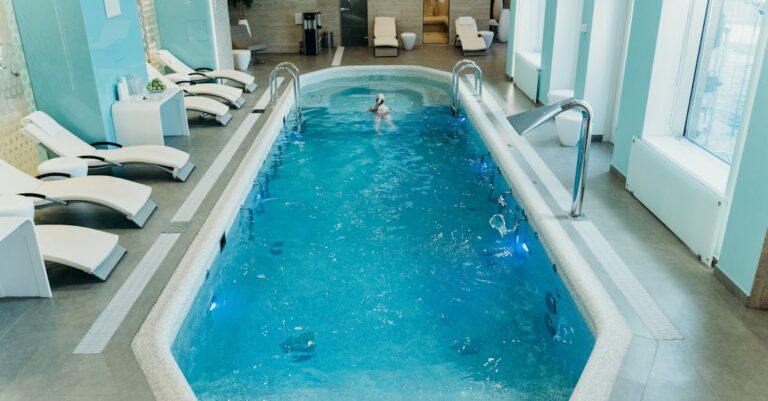
7 Natural Ways to Control Pool Algae Experts Recommend
Discover 7 eco-friendly ways to combat pool algae naturally, from baking soda and vitamin C to UV systems and plant-based treatments. Save money while keeping your pool crystal clear!
Nothing ruins a refreshing pool day faster than discovering a green, slimy film coating your once-crystal-clear water. Algae invasions aren’t just unsightly—they can harbor bacteria, create slippery surfaces, and damage your pool’s filtration system over time.
You don’t need to rely on harsh chemicals to keep your pool pristine. Natural algae control methods offer effective alternatives that are gentler on your skin, better for the environment, and often more budget-friendly than traditional chemical treatments.
Disclosure: As an Amazon Associate, this site earns from qualifying purchases. Thank you!
Understanding Pool Algae: Causes and Types
Why Algae Grows in Swimming Pools
Algae thrives in your pool when three key factors align: nutrients, sunlight, and inadequate sanitizer levels. Phosphates and nitrates from rainwater, debris, and even swimmers provide food for algae spores. These microscopic spores constantly enter your pool through the air, rain, or on swimwear, rapidly multiplying when conditions are favorable.
Common Types of Pool Algae
Green algae is the most common type, appearing as a slimy coating on walls or floating in water. Black algae forms stubborn, root-like structures in concrete and plaster surfaces. Yellow or mustard algae resembles pollen or sand and resists normal chlorine levels. Pink “algae” isn’t actually algae but a bacteria that forms slimy deposits along waterlines.
Balancing Pool Chemistry Naturally
The Importance of pH Levels
Maintaining proper pH levels (7.2-7.8) is critical for natural algae prevention. When your pool’s pH balance strays, chlorine becomes less effective, creating the perfect environment for algae growth. Balanced pH also prevents skin irritation, equipment corrosion, and reduces chemical needs—saving you money while keeping your pool naturally cleaner.
Natural pH Adjusters
Instead of harsh commercial chemicals, try natural pH adjusters like baking soda to raise pH and alkalinity. For lowering pH, white vinegar offers an eco-friendly alternative to muriatic acid. Borax (sodium tetraborate) can help stabilize pH levels naturally. Always add these substances gradually, testing between applications to avoid overcorrection.
Using Baking Soda for Algae Prevention
How Baking Soda Works Against Algae
Baking soda (sodium bicarbonate) helps prevent algae growth by stabilizing your pool’s pH levels. It creates an alkaline environment that’s less hospitable to algae development while supporting your sanitizer’s effectiveness. Baking soda doesn’t kill existing algae directly but creates conditions where algae struggles to thrive, making it an excellent preventative measure in your natural pool maintenance routine.
Proper Application Methods
To use baking soda effectively, test your pool water first to determine the current pH and alkalinity levels. Add 1.5 pounds of baking soda per 10,000 gallons of water to raise alkalinity by 10 ppm. Distribute it evenly around the pool’s perimeter rather than dumping in one spot. Wait at least 6 hours before retesting and making additional adjustments to avoid overcorrection.
Harnessing the Power of Vitamin C
Ascorbic Acid as an Algaecide
Vitamin C (ascorbic acid) offers a powerful natural solution for pool algae control. It works by neutralizing metals in water that algae need to thrive, essentially starving them of essential nutrients. Unlike harsh chemicals, ascorbic acid doesn’t create harmful byproducts or irritate skin and eyes, making it ideal for swimmers with sensitivities. This natural acid also helps clarify cloudy water by binding with mineral particles.
Application Techniques and Frequency
To use vitamin C for algae control, dissolve 1 pound of ascorbic acid powder per 10,000 gallons of pool water. Add the solution around the pool’s perimeter with the pump running to ensure even distribution. Apply weekly as a preventative measure during warm months or every 3-4 days when actively combating an algae bloom. For best results, apply in the evening when UV exposure won’t degrade the ascorbic acid’s effectiveness.
Implementing Natural Circulation Methods
The Role of Proper Water Flow
Proper water circulation prevents algae from establishing colonies in stagnant areas of your pool. When water constantly moves, algae spores can’t easily attach to surfaces and begin multiplying. Circulation distributes sanitizers evenly throughout your pool, ensuring all areas receive algae-fighting protection. Additionally, moving water discourages the formation of dead zones where algae typically thrives.
Manual and Automatic Circulation Options
You can improve circulation manually by using a pool brush to stir water in corners and steps daily, especially during hot periods. For automatic options, consider installing additional return jets aimed at problem areas or investing in a circulation pump that operates separately from your main filtration system. Programmable timers allow you to run circulation during peak algae growth periods (typically midday) without wasting energy around the clock.
Utilizing UV Light Systems
How UV Light Destroys Algae Cells
UV light systems deliver high-intensity ultraviolet radiation that penetrates algae cell walls, damaging their DNA and preventing reproduction. This process effectively neutralizes algae without adding chemicals to your pool water. The UV rays disrupt cellular functions, causing algae to die off naturally while leaving beneficial bacteria intact. Unlike chemical treatments, UV light doesn’t create resistance in algae populations over time.
Installing and Maintaining UV Systems
Installing a UV system requires connecting it to your pool’s circulation system after the filter but before water returns to the pool. Most systems need a dedicated electrical outlet and regular maintenance that includes cleaning the quartz sleeve every 3-6 months. The UV lamp typically needs replacement annually, regardless of use. Proper sizing is crucial—choose a system rated for your pool’s volume and flow rate to ensure effective algae prevention.
Incorporating Plant-Based Algaecides
Plant-based algaecides offer a natural alternative to harsh pool chemicals, effectively controlling algae while minimizing environmental impact and reducing skin irritation for swimmers.
Barley Straw and Barley Extract
Barley straw releases compounds that naturally inhibit algae growth as it decomposes in water. Add one pound of barley straw per 10,000 gallons of pool water in mesh bags placed near return jets. For faster results, liquid barley extract provides the same benefits without the decomposition waiting period.
Tea Tree Oil Solutions
Tea tree oil contains powerful antimicrobial properties that combat algae while being gentle on pool equipment. Mix 15-20 drops of pure tea tree oil with water in a spray bottle to target problem areas, or add 1-2 ounces per 10,000 gallons directly to your pool water weekly during warm months for prevention.
Maintaining Consistent Pool Maintenance Routines
Taking control of algae doesn’t have to mean harsh chemicals or expensive treatments. These seven natural methods—pH balancing with baking soda, vitamin C applications, proper water circulation, UV light systems, plant-based algaecides, and regular maintenance—work together to create an environment where algae simply can’t thrive.
By implementing these eco-friendly solutions, you’ll enjoy a cleaner pool that’s safer for swimmers and the environment. The key is consistency—even the most effective natural treatments require regular application and monitoring.
Your crystal-clear pool is achievable through these natural methods that save money while reducing chemical dependency. Start with one approach and gradually incorporate others for a comprehensive algae prevention system that keeps your pool sparkling all season long.
Frequently Asked Questions
What causes algae growth in swimming pools?
Algae grows in pools when three conditions align: excess nutrients, sunlight, and inadequate sanitizer levels. Phosphates and nitrates from debris, rainwater, or personal care products provide nutrients. Warm weather and sunlight accelerate growth, while low chlorine or other sanitizer levels fail to prevent algae establishment. Regular cleaning, proper chemical balance, and adequate filtration are essential for prevention.
How can I identify different types of pool algae?
Green algae appears as a slimy, green coating on surfaces and makes water cloudy. Black algae forms stubborn, dark spots on concrete and plaster with protective layers that resist treatment. Yellow/mustard algae resembles pollen or sand and often returns after treatment. Pink “algae” is actually bacteria that creates slimy pink deposits in corners and on equipment.
Why is pH balance important for preventing algae?
Proper pH (7.2-7.8) ensures chlorine and other sanitizers work effectively against algae. Imbalanced pH reduces sanitizer efficiency, creating an environment where algae thrive. Balanced pH also prevents skin irritation, equipment corrosion, and reduces overall chemical needs, making maintenance more cost-effective while naturally discouraging algae growth.
Can baking soda prevent algae growth?
Baking soda doesn’t kill algae directly but helps prevent it by stabilizing pH and increasing alkalinity. This creates conditions where algae struggle to grow and enhances the effectiveness of sanitizers. Add approximately 1.5 pounds per 10,000 gallons to raise alkalinity by 10 ppm, distributing it evenly around the pool perimeter. Wait 6 hours before retesting.
How does vitamin C (ascorbic acid) combat pool algae?
Vitamin C neutralizes metals in pool water that algae need to thrive, effectively starving them of essential nutrients. Unlike harsh chemicals, it doesn’t create harmful byproducts or irritate skin and eyes. Dissolve 1 pound of ascorbic acid powder per 10,000 gallons and add while the pump runs. Apply weekly for prevention or every 3-4 days during active blooms.
Why is water circulation important for algae prevention?
Constant water movement prevents algae from establishing colonies in stagnant areas and ensures even distribution of sanitizers throughout the pool. Use a pool brush daily to stir water in corners and steps, especially during hot weather. Consider installing additional return jets or a separate circulation pump with programmable timers for automatic optimization during peak algae growth periods.
How do UV light systems control algae?
UV light systems destroy algae cells by penetrating their walls and damaging their DNA, preventing reproduction without adding chemicals to pool water. The system needs proper sizing based on pool volume and flow rate. Maintenance includes regular cleaning of the quartz sleeve and annual replacement of the UV lamp. This method effectively neutralizes algae while preserving beneficial bacteria.
What plant-based algaecides work for pool maintenance?
Barley straw and barley extract release compounds during decomposition that inhibit algae growth. Place mesh bags of barley straw in skimmer baskets or directly in the pool. Tea tree oil offers antimicrobial properties that target algae while remaining gentle on pool equipment. These natural alternatives provide effective control without the harsh chemicals of traditional algaecides.