7 Seasonal Pool Leak Prevention Strategies That Save Thousands
Discover 7 essential strategies to prevent pool leaks across seasons. Save money, conserve water, and extend your pool’s life with these expert maintenance tips year-round.
Owning a pool comes with responsibilities, and preventing leaks should be at the top of your maintenance checklist. As seasons change, your swimming pool faces different challenges that could lead to costly leaks if left unaddressed. From freezing winter temperatures to summer heat expansion, each season requires specific prevention strategies to keep your pool watertight and ready for enjoyment.
Understanding how to adapt your pool maintenance routine throughout the year isn’t just about saving water—it’s about protecting your investment. With the right seasonal approach, you’ll avoid expensive repairs and extend the life of your pool for years to come. These seven proven prevention strategies will help you tackle potential leak issues before they drain your wallet.
Disclosure: As an Amazon Associate, this site earns from qualifying purchases. Thank you!
1. Understanding Seasonal Pool Leak Risks
Seasonal changes directly impact your pool’s structural integrity and can create conditions that lead to leaks. Recognizing these seasonal risk patterns allows you to implement targeted prevention strategies.
Common Causes of Pool Leaks in Different Seasons
Winter freeze-thaw cycles can crack pipes and structural components as water expands. Summer’s intense heat may cause liner shrinkage and separation at seams. Fall brings debris that can clog systems and create pressure points, while spring’s heavy rains can shift ground beneath pools, stressing structures and connections.
Why Prevention Is More Cost-Effective Than Repairs
A simple seasonal inspection costs $75-150, while major leak repairs can exceed $2,500. Water loss from undetected leaks adds $30-100 monthly to utility bills. Prevention extends your pool’s lifespan by 5-7 years, eliminating the need for premature renovation and protecting surrounding landscape from water damage.
2. Spring Preparation: Inspecting Your Pool After Winter Dormancy
Checking for Freeze-Thaw Damage
Spring is the critical time to examine your pool for freeze-thaw damage that occurred during winter. Inspect the pool shell for cracks, particularly at stress points like corners and around fittings. Look for displaced tiles, uneven deck sections, or sunken areas that signal ground shifting. Examine your vinyl liner for tears, stretching, or separation that could lead to costly leaks as water pressure increases during refilling.
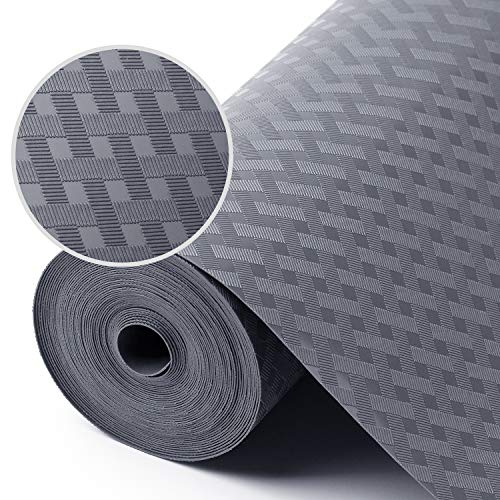
Protect your shelves and drawers with these BPA-free EVA liners. They're easy to cut, clean, and waterproof, making them ideal for keeping your kitchen and refrigerator organized and fresh.

Examining Pool Equipment for Winter Wear
Your pool equipment needs thorough inspection after winter hibernation. Test your pump for unusual noises, leaks, or difficult start-up—these indicate worn seals or internal damage. Examine all pipe connections, valves, and gaskets for visible cracks or brittleness. Check heater components, particularly copper heat exchangers that may have corroded during dormancy. Replace damaged O-rings and clean filter systems before restarting to prevent pressure-related leaks.
Efficiently heat your space with this durable 20x20 water-to-air heat exchanger. Featuring copper ports and aluminum fins, it maximizes heat transfer for residential or commercial use.

3. Summer Maintenance: Preventing Leaks During Peak Usage
Summer brings peak pool usage alongside intense heat that can strain your pool system and create conditions for leaks. With proper maintenance strategies, you can prevent costly damage during these high-activity months.
Monitoring Water Levels During High-Temperature Periods
Summer heat accelerates evaporation, with pools losing 1-3 inches of water weekly. Track water levels daily using a skimmer line marker to distinguish between normal evaporation and potential leaks. If your pool loses more than ¼ inch daily beyond evaporation rates, investigate promptly as this indicates a likely leak requiring immediate attention.
Addressing Chemical Balance to Protect Pool Liners
This durable, standard gauge vinyl liner provides a vibrant blue finish for your 24-foot round above ground pool. Its strong, double-welded seams ensure a secure fit for 48-inch or 52-inch sidewalls.

Maintain pH between 7.2-7.6 and chlorine at 1-3 ppm to prevent liner deterioration. Summer’s heat and increased bather load can rapidly deplete chemicals, creating acidic conditions that weaken vinyl liners and concrete surfaces. Test water 2-3 times weekly during peak summer months, adjusting chemicals promptly to prevent microscopic cracks that develop into serious leaks.
4. Fall Protection: Preparing Your Pool for Temperature Drops
As summer fades into fall, your pool faces new challenges from dropping temperatures and seasonal debris. Preventative measures during autumn can safeguard your pool against leaks that commonly develop during this transitional period.
Properly Clearing Debris to Prevent Pressure Points
Fall brings a constant shower of leaves, twigs, and debris that can clog your pool’s skimmer and pump baskets. These blockages create pressure points in your filtration system, potentially causing cracks in pipes or equipment. Use a leaf rake daily and install a quality pool cover to minimize debris accumulation. Remember that decomposing organic matter can also damage vinyl liners and seals if left unattended.
Adjusting Water Levels for Winterization
The correct water level is crucial during fall to prevent structural damage that leads to leaks. For inground pools, lower the water to just below the skimmer opening—approximately 4-6 inches below the pool’s edge. For above-ground pools, maintain water 1-2 inches below the skimmer. Never drain your pool completely, as this causes hydrostatic pressure that can crack pool floors and pop vinyl liners, creating major leak points when refilled.
5. Winter Safeguarding: Protecting Against Freeze Damage
Winter presents unique challenges for pool owners as freezing temperatures can damage pool components and create costly leaks. Proper winterization is your best defense against freeze-related damage that can compromise your pool’s integrity.
Professional Winterization Techniques
Professional winterization services typically include blowing out plumbing lines, adding antifreeze to pipes, and properly sealing all openings. This comprehensive approach costs $200-$350 but saves thousands in potential repair bills. Professionals use specialized equipment to remove 100% of water from pipes—something DIY methods can’t guarantee—preventing freeze expansion and subsequent cracks.
Using Winter Covers to Prevent Structural Stress
Protect your 15-ft x 30-ft oval pool all winter long with this durable, dark navy blue cover. Its solid design blocks debris and limits algae growth, while a 4-ft overlap ensures a secure fit with included cable and winch.

Quality winter covers do more than keep debris out—they distribute weight evenly across your pool structure. Mesh safety covers can support up to 485 pounds per square foot, preventing snow and ice accumulation from stressing pool walls. For above-ground pools, air pillows placed under covers create crucial ice expansion space, reducing pressure on pool walls by up to 70% during freeze-thaw cycles.
6. Year-Round Technology: Leak Detection Systems Worth Investing In
Modern technology has revolutionized pool maintenance, offering sophisticated systems that detect leaks before they become expensive problems. These technologies provide year-round protection regardless of seasonal changes.
Smart Water Level Monitors
Get real-time alerts for critical water levels with the Risinglink Smart Water Level Monitor. It connects to your 2.4GHz WiFi and sends text/email notifications, featuring a durable stainless steel float sensor and IP65 waterproof housing.

Smart water level monitors track your pool’s water levels continuously, alerting you to unusual drops that exceed normal evaporation rates. These WiFi-enabled devices sync with your smartphone, sending real-time notifications when water levels change significantly. Many systems can differentiate between typical evaporation and actual leaks, providing data logs that help identify patterns over time.
Automated Pressure Testing Equipment
Test hydraulic systems on excavators and machinery with this kit. It features five accurate gauges up to 600bar/10000psi and includes 13 interchangeable test couplings for wide compatibility.
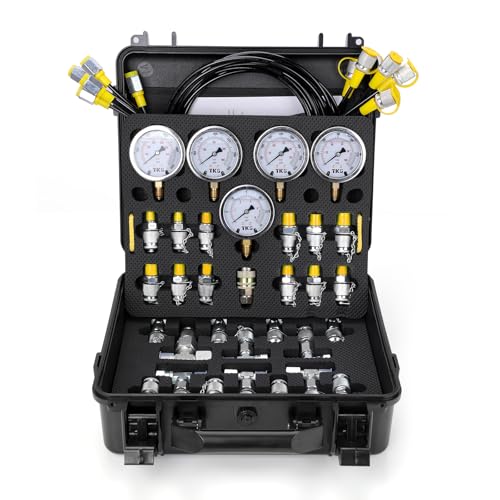
Automated pressure testing equipment eliminates guesswork by systematically checking your pool’s plumbing system for leaks. These devices measure pressure changes in your pipes over designated time periods, identifying even minuscule leaks that might go unnoticed. Most systems can pinpoint problem areas with precision, reducing diagnostic time and allowing for targeted repairs instead of extensive excavation.
7. Professional Services: When to Call in the Experts
Seasonal Inspection Schedules
Professional pool inspections should be scheduled strategically throughout the year for maximum effectiveness. Book comprehensive inspections in early spring before opening and late fall before winterization. Many leak detection specialists offer quarterly service packages that can identify potential problems during critical seasonal transitions, saving you up to 60% on emergency repair costs.
Signs That Indicate Professional Intervention Is Needed
Call a professional immediately if water levels drop more than 1/4 inch daily, your water bill unexpectedly spikes, or you notice damp spots around your pool area. Equipment that’s constantly running, algae blooms despite proper chemical balance, or visible cracks in structural elements are clear warning signs. These symptoms often indicate problems beyond DIY solutions and require specialized equipment for proper diagnosis.
Conclusion: Creating Your Customized Year-Round Leak Prevention Plan
Protecting your pool from leaks isn’t just a seasonal task but a year-round commitment that pays dividends. By implementing these seven prevention strategies throughout the changing seasons you’ll safeguard your investment and enjoy worry-free swimming for years to come.
Remember that each pool is unique and may require a customized approach based on your climate local conditions and pool type. Combining regular DIY inspections with professional services and leveraging modern technology creates your strongest defense against costly leaks.
Take action now by creating a maintenance calendar that incorporates these seasonal strategies. Your future self will thank you when you’re swimming in a well-maintained leak-free pool while your neighbors struggle with unexpected repairs and water loss.
Frequently Asked Questions
How much water loss indicates a pool leak versus normal evaporation?
Water loss exceeding 1/4 inch per day (more than 1-2 inches per week) typically indicates a leak rather than normal evaporation. In hot, dry conditions, natural evaporation accounts for about 1/4 inch daily. If you’re consistently adding more water than this, especially if water level drops when the pool system is off, you likely have a leak that requires inspection.
What are the most common areas for pool leaks to develop?
The most common leak areas include the skimmer and return jet connections, underground plumbing, pump and filter systems, and the pool shell or liner itself. Vinyl liners are prone to tears, while concrete pools may develop cracks. The equipment pad is particularly vulnerable as it contains multiple connection points where pipes join pool equipment.
How often should I inspect my pool for potential leaks?
Conduct thorough inspections at least quarterly, with particular attention during seasonal transitions. Monthly visual checks during the active swimming season can catch minor issues before they become major problems. Daily monitoring of water levels during summer and weekly checks during off-seasons are recommended as part of routine maintenance.
Can I perform leak detection myself or should I hire a professional?
Simple leak detection can be performed yourself using the bucket test (comparing pool water loss to evaporation) and dye testing around suspected areas. However, for systematic diagnosis, underground plumbing issues, or when you can’t locate a leak, professional services are recommended. They use specialized equipment like pressure testing, sonic detection, and thermal imaging for accurate results.
How does winter freezing affect pool leak development?
Freezing temperatures cause water to expand by approximately 9%, creating significant pressure within pool plumbing systems. This expansion can crack pipes, damage equipment, and stress seals and connections. Without proper winterization (blowing out lines, adding antifreeze to pipes, and maintaining appropriate water levels), freeze-thaw cycles can create new leak points or worsen existing minor cracks.
What’s the average cost to repair a pool leak?
Pool leak repair costs vary widely based on location and leak severity. Simple repairs like patching a vinyl liner may cost $200-500, while complex underground plumbing repairs can range from $500-2,500. Major structural cracks might cost $1,000-5,000+ to fix. Preventative maintenance is significantly more economical, typically costing $200-400 for seasonal inspections.
How do chemicals affect pool leak development?
Improper chemical balance, particularly low pH (acidic water), can deteriorate pool surfaces, corrode metal components, and degrade seals and gaskets. Over time, this chemical damage creates microscopic weaknesses that develop into leaks. Maintain pH between 7.2-7.8, chlorine at 1-3 ppm, and balanced alkalinity (80-120 ppm) to prevent chemical-related leak issues.
What role does pool pressure play in leak prevention?
Balanced pressure throughout your pool system is crucial for leak prevention. Clogged filters create excess pressure that can stress pipe connections and equipment seals. Similarly, air in the system causes pressure fluctuations that stress components. Regular backwashing, cleaning filter cartridges, and checking for proper pump operation helps maintain appropriate system pressure and prevents pressure-related leaks.