6 Best Boat Marine Radios For Communication For Boaters
Stay safe on the water with our guide to the 6 best marine radios. Discover top communication devices offering reliable range, durability, and clear signals.
Whether you are navigating a bustling harbor or drifting through a quiet coastal inlet, a reliable marine radio is the single most important safety tool on your vessel. It bridges the gap between you and the Coast Guard, fellow boaters, and marina operators when cellular service inevitably fails. Investing in the right communication gear isn’t just about convenience; it’s about ensuring you have a lifeline when conditions turn south.
Disclosure: As an Amazon Associate, this site earns from qualifying purchases. Thank you!
Essential Marine Radio Features for Boaters
When selecting a radio, prioritize units with Digital Selective Calling (DSC). This feature allows you to send an automated distress signal with your exact GPS coordinates at the touch of a button. It transforms a vague "help" call into a precise rescue mission for emergency responders.
Look for a high IPX-rating, ideally IPX7 or higher, which ensures the device remains functional even if submerged. Water resistance is not a luxury; it is a necessity in an environment defined by salt spray and unpredictable weather. Finally, consider whether you need a fixed-mount unit for long-range power or a handheld for portability.
Standard Horizon GX2400: Best Overall Choice


The Standard Horizon GX2400 is the gold standard for most recreational boaters because it packs an integrated AIS receiver into a compact, reliable chassis. You get the benefit of seeing nearby commercial traffic on your screen without needing to wire up a separate, expensive black box.
This unit is perfect for the weekend cruiser who wants professional-grade safety features without a steep learning curve. It is rugged, intuitive, and offers a loud, clear speaker that cuts through engine noise. If you want a "buy it once, use it for a decade" solution, this is the radio for your helm.
Icom IC-M510: Top Premium Connectivity Pick

If you demand the absolute latest in technology, the Icom IC-M510 is your best bet. Its standout feature is the ability to control the radio remotely via your smartphone using the RS-M500 app, which is a game-changer when you are away from the helm but need to monitor traffic.
This radio is designed for the tech-savvy boater who values sleek aesthetics and seamless integration. While it comes at a premium price point, the build quality and sophisticated interface justify the investment. It is the ideal choice for those who want their marine electronics to feel as modern as the rest of their boat.
Cobra MR HH600: Best Handheld GPS Radio
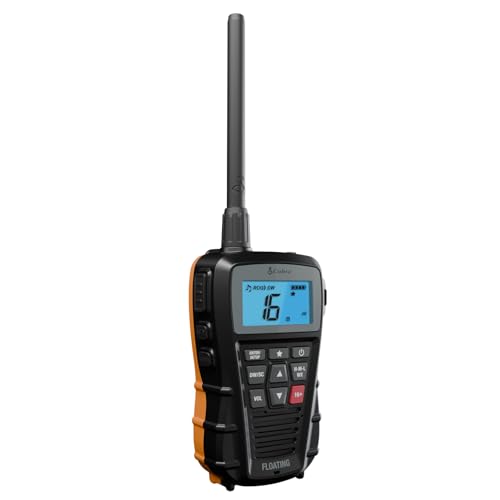
The Cobra MR HH600 is the ultimate "grab-and-go" safety device. It features a built-in GPS and a unique "Rewind-Say-Again" feature that lets you replay the last 20 seconds of incoming audio, ensuring you never miss a critical weather report or navigation instruction.
This radio is essential for paddlers, small skiff owners, or as a secondary backup for larger yachts. Because it floats and includes a high-visibility orange core, it is easy to recover if it slips overboard during a choppy crossing. If you need a versatile, portable radio that can handle an emergency on its own, look no further.
Garmin VHF 215i: Best Integrated AIS System
Garmin has mastered the art of interface design, and the VHF 215i is no exception. Its primary strength is how perfectly it integrates into an existing Garmin MFD (Multi-Function Display) ecosystem, making AIS data visualization incredibly smooth and responsive.

This unit is built for boaters who already rely on a Garmin chartplotter and want a unified dashboard. The clarity of the display and the ease of navigating menus make it a stress-free experience during high-traffic situations. It’s a powerhouse for those who prioritize a clean, consolidated helm.
Uniden UM380: Best Value Fixed-Mount Radio
Stay safe on the water with the Uniden UM385BK marine radio. This waterproof radio features NOAA weather alerts, DSC emergency calling, and access to all USA/International/Canadian marine channels.

Not every boater needs a screen full of complex data or smartphone connectivity. The Uniden UM380 is a straightforward, no-nonsense radio that excels at the basics: clear transmission, reliable reception, and rugged durability.
This is the perfect choice for the budget-conscious boater or someone who just wants a simple, dependable radio for communication with the local marina. It occupies a small footprint, making it easy to mount in tight spaces. You aren’t paying for bells and whistles here—just a solid, reliable communication tool.
B&G V60-B: Best Choice for Sailing Vessels
The B&G V60-B is engineered specifically with the sailor in mind. It includes a built-in AIS transponder, meaning it doesn’t just receive traffic data—it actively broadcasts your position to other vessels, which is critical for safety in open water.
The interface is optimized for the specific challenges of sailing, including features that help manage wind and current data. If you are planning offshore passages or coastal cruising, the added visibility provided by the B&G transponder is a massive safety upgrade. It is a sophisticated tool for those who take their sailing seriously.
Critical Installation and Safety Tips
Proper installation is just as important as the radio itself. Always mount your antenna as high as possible to maximize your line-of-sight range, and ensure all connections are sealed with dielectric grease to prevent corrosion. A radio is only as good as its antenna; don’t skimp on the cable or the mount.
Before you head out, verify that your MMSI (Maritime Mobile Service Identity) number is correctly programmed into the unit. This number is your digital fingerprint and is vital for DSC distress calls. Test your radio by performing a "radio check" with a local marina or another boater, but avoid testing on Channel 16, which is reserved strictly for emergencies.
Understanding Marine Radio Channels
Channel 16 is the international hailing and distress frequency, and it must be monitored at all times while underway. Keep your transmissions on this channel brief, professional, and limited to emergency or initial contact purposes. Once you have established a connection, switch to a working channel like 68, 69, or 72.
Understand that marine radio is a "party line" system; everyone on the channel can hear your conversation. Use clear, standard English and avoid unnecessary chatter to keep the airwaves open for others. Familiarize yourself with local weather channels, as these are your best source for real-time, localized marine forecasts.
Maintaining Your Marine Radio Equipment
Salt is the enemy of all marine electronics. Wipe down your radio and microphone with a damp, fresh-water cloth after every outing to prevent salt buildup on the buttons and screen. If your radio has a removable handset, check the coiled cord for cracks or signs of wear where water might seep in.
Periodically inspect your antenna connections for any signs of oxidation or fraying. If you notice a decrease in range or increased static, the antenna cable is usually the first culprit. A little preventative maintenance goes a long way in ensuring your radio is ready when you need it most.
Selecting the right marine radio is a balance between your specific vessel type and your typical cruising habits. Whether you choose a simple, rugged fixed-mount or a high-tech handheld with GPS, ensure you know how to operate it under pressure. Stay safe on the water, keep your channels clear, and always prioritize your communication setup before leaving the dock.