7 Ways to Adjust Kayak Adventures for Low Water That Locals Swear By
Discover 7 expert strategies to navigate low water kayaking conditions. Learn route scouting, gear selection, timing tips, and wildlife observation techniques for memorable adventures.
The big picture: Low water levels can turn your favorite kayaking route into a challenging obstacle course of exposed rocks and shallow channels.
Why it matters: Drought conditions and seasonal changes increasingly force paddlers to adapt their adventures or risk damaging their gear and missing out on water time altogether.
What’s next: Smart kayakers know how to modify their approach when water levels drop â from choosing the right equipment to finding alternative routes that still deliver an amazing experience on the water.
Disclosure: As an Amazon Associate, this site earns from qualifying purchases. Thank you!
Scout Alternative Routes and Waterways
Low water conditions often reveal hidden opportunities you’d never discover during normal flows. The key is shifting your perspective from traditional routes to creative alternatives that work with the water you’ve got.
Research Deeper Channels and Alternative Put-In Points
Check downstream sections where tributaries converge – these spots typically maintain better depth even during dry spells. Many rivers have deeper pools below dams or near bridge pilings that remain navigable when upstream sections become impassable.
Look for alternative launch points closer to your destination. That favorite 8-mile paddle might become a perfectly enjoyable 4-mile trip when you start from the halfway bridge instead.
Use Online Water Level Resources and Local Knowledge
USGS water gauges give you real-time data before you make the drive to your launch point. Anything below 50% of normal flow typically signals the need for route adjustments.
Connect with local paddle shops and fishing guides who know which sections stay deep during low water. They’ll point you toward spring-fed streams or deeper river bends that recreational paddlers often overlook but work perfectly for adapted kayak adventures.
Master essential fishing skills with The Total Fishing Manual. This guide from Field & Stream offers 318 techniques to improve your angling game.


Modify Your Kayak Selection for Shallow Conditions
Your kayak choice makes the difference between scraping along the bottom and gliding smoothly through low water sections. The right vessel adapts to challenging conditions while protecting both you and your gear.
Choose Kayaks with Shallow Draft and Lightweight Design
Shallow draft kayaks draw less water and navigate skinny conditions with ease. Look for boats with flat bottoms or minimal rocker that ride higher in the water column.
Lightweight designs offer better portability when you’ll inevitably need to drag or carry your kayak over exposed rocks and sandbars. Shorter kayaks typically draft less water and maneuver more easily around obstacles that emerge in low water.
Consider Inflatable Options for Rocky Terrain Navigation
Inflatable kayaks bounce off rocks instead of cracking like rigid hulls. Their flexible construction absorbs impact from underwater obstacles that would damage traditional kayaks.
Enjoy kayaking with a friend in the Intex Explorer K2! This inflatable kayak features a durable design for stability and includes aluminum oars, adjustable seats, and a high-output pump for easy inflation.

Modern inflatables offer surprising durability and performance while weighing significantly less than hard-shell alternatives. You’ll appreciate the reduced weight when portaging around impassable shallow sections becomes necessary during your low water adventures.
Adjust Your Paddling Technique for Low Water Navigation
Low water demands a completely different paddling approach than what you’d use during normal flows. You’ll need to modify your stroke technique and develop new skills to navigate shallow sections efficiently without damaging your kayak or exhausting yourself.
Master the Art of Reading Water and Finding Channels
Reading water becomes critical when depths drop below normal levels. Look for darker patches that indicate deeper channels, often found along outside bends where current naturally scours the bottom deeper.
Follow the main current thread, which typically marks the deepest path through shallow areas. Watch for ripples and surface disturbances that reveal submerged rocks or sandbars you’ll want to avoid.
Learn Efficient Dragging and Portaging Methods
Dragging your kayak becomes inevitable in extremely shallow sections, but proper technique prevents damage and saves energy. Keep your kayak straight and pull from the bow handle using your legs, not your back.
For rocky areas, lift and carry short distances rather than dragging across sharp surfaces. Position one hand on the cockpit rim and the other on the bow for balanced portaging over obstacles.
Time Your Adventures According to Water Release Schedules
Strategic timing transforms challenging low-water conditions into manageable paddling opportunities. You’ll maximize your success by aligning your trips with predictable water patterns.
Monitor Dam Release Schedules and Rainfall Patterns
Dam operators typically release water on predictable schedules throughout the week. Check hydroelectric facility websites or call directly for release times – most facilities provide 24-48 hour advance notice.
Track recent rainfall patterns using weather radar apps to predict temporary water level increases. Even light rain upstream can add crucial inches to shallow sections within 6-12 hours.
Plan Early Morning or Late Evening Trips for Optimal Conditions
Early morning launches capitalize on overnight water accumulation and cooler temperatures that reduce evaporation rates. You’ll find water levels at their daily peak before afternoon heat draws moisture from shallow areas.
Evening paddles benefit from potential afternoon thunderstorms that boost water levels temporarily. Launch 2-3 hours after rain stops to allow debris to clear while maintaining elevated water flow.
Pack Essential Gear for Low Water Challenges
Low water conditions demand specialized gear that standard paddling trips don’t require. You’ll need equipment for walking on exposed rocks and protection from increased sun exposure in shallow areas.
Bring Creek Shoes and Protective Equipment for Walking
Enjoy comfort and protection with these quick-drying water shoes. The anti-slip sole shields your feet from hazards, while the lightweight, flexible design makes them ideal for various activities.

Creek shoes with aggressive treads become essential when you’re walking and dragging your kayak across rocky sections. Choose shoes that dry quickly and provide ankle support on uneven terrain.
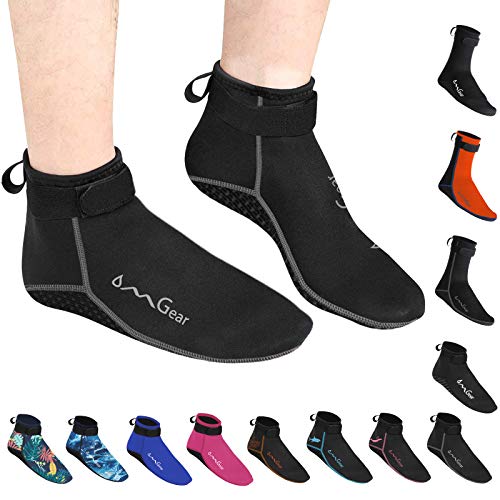
Neoprene booties offer protection from sharp rocks while maintaining flexibility for paddling. Pack knee pads or lightweight shin guards if you’ll be pulling your kayak through extended shallow sections.
Enjoy watersports with OMGear 3mm neoprene socks! They protect your feet from cuts and cold water, while the anti-slip sole ensures secure footing.
Include Extra Water and Sun Protection for Exposed Areas
Get powerful sun protection with Neutrogena Ultra Sheer SPF 70. This lightweight, non-greasy formula absorbs quickly, leaving a clean, matte finish while shielding skin from UVA/UVB rays.

Low water means less shade coverage and more reflection off exposed rocks and sandbars. Bring twice your normal water supply since you’ll be working harder and sweating more.
Pack wide-brimmed hats and long-sleeve UV shirts for exposed areas where tree cover disappears. Apply sunscreen to often-missed spots like your feet and the back of your hands where glare reflects upward.
Stay protected from sun and rain with this water-repellent bucket hat. It features a wide brim, adjustable chin strap, and breathable mesh panels for comfortable outdoor wear.

Embrace Alternative Kayaking Activities During Drought
When drought conditions make your favorite rivers impassable, it’s time to pivot your kayaking focus toward skill development and exploring different water environments. These alternatives can actually improve your overall paddling abilities while keeping you on the water.
Try Pool Sessions and Flatwater Skills Development
Pool sessions become invaluable when rivers run too shallow to paddle safely. You’ll master roll techniques, rescue skills, and paddle strokes in controlled conditions without worrying about rocks or low water hazards.
Local swimming pools and aquatic centers often host kayak clubs during off-peak hours. These sessions let you practice bracing, wet exits, and combat rolls repeatedly until they become second nature.
Explore Lake Kayaking and Coastal Alternatives
Lakes maintain consistent water levels regardless of drought conditions, offering reliable paddling opportunities when rivers disappoint. You’ll discover longer touring distances and different navigation challenges that enhance your overall kayaking skillset.
Coastal kayaking provides year-round alternatives with tidal dynamics that create varied paddling experiences. Salt water environments teach you to read currents and manage different water conditions while drought affects inland waterways.
Focus on Wildlife Observation and Photography Opportunities
Low water conditions create exceptional opportunities for wildlife observation as animals concentrate around remaining water sources. You’ll discover photography angles and wildlife behaviors that aren’t visible during normal water levels.
Take Advantage of Concentrated Wildlife in Remaining Pools
Animals gather at deeper pools and water holes during low-flow periods, creating prime viewing opportunities you won’t find during normal conditions. Fish become concentrated in these refuges, attracting herons, egrets, and other wading birds that hunt in the shallows.
Position your kayak quietly upstream from these pools and use binoculars to observe feeding behaviors. Early morning and late evening offer the best wildlife activity when animals feel safer approaching open water.
Capture Unique Perspectives of Exposed Rock Formations
Receding water reveals geological features normally hidden beneath the surface, offering dramatic backdrops for photography. Exposed bedrock, layered stone formations, and carved channels tell the story of centuries of water flow.
Use your kayak’s low profile to capture intimate shots of these formations from water level. The contrast between remaining pools and exposed rock creates compelling compositions that showcase the river’s natural architecture in ways impossible during high water.
Conclusion
Low water conditions don’t have to end your kayaking season. With the right preparation and mindset shift you can transform challenging situations into rewarding adventures that sharpen your skills and open new possibilities.
These adaptive strategies will help you maintain your passion for paddling while discovering hidden gems along familiar waterways. Remember that seasonal challenges often present the best opportunities for growth as a kayaker.
Your willingness to embrace these modifications will not only preserve your gear and safety but also expand your paddling repertoire for years to come. Every low water adventure builds the experience you’ll need when conditions return to normal.
Frequently Asked Questions
What equipment is best for kayaking in low water conditions?
Choose kayaks with shallow draft and lightweight designs for easier navigation and portability. Inflatable kayaks are excellent for rocky terrain as they bounce off obstacles without damage. Essential gear includes creek shoes with aggressive treads, neoprene booties for protection, extra water, and enhanced sun protection like wide-brimmed hats and UV shirts.
How can I find navigable water during drought conditions?
Use USGS water gauges to check real-time water levels before trips. Scout for alternative routes and deeper channels, especially where tributaries converge. Connect with local paddle shops and fishing guides for insider knowledge on navigable sections. Look for downstream put-in points that often maintain better depth than upstream locations.
What paddling techniques work best in shallow water?
Develop water-reading skills to identify deeper channels by looking for darker water patches and following the main current. Modify your stroke techniques for shallow navigation and learn efficient dragging methods to conserve energy. Position yourself to avoid submerged obstacles and practice controlled maneuvering in tight spaces.
When is the best time to kayak during low water periods?
Plan trips around dam release schedules by checking hydroelectric facility websites or calling directly. Monitor rainfall patterns using weather radar apps to predict temporary water level increases. Early morning launches take advantage of overnight water accumulation, while evening paddles may benefit from afternoon storms.
What alternative activities can I do when rivers are too low?
Focus on skill development through pool sessions to master rolls, rescue techniques, and paddle strokes. Explore lake kayaking for consistent water levels and different challenges. Consider coastal kayaking for year-round alternatives with tidal dynamics. These activities enhance overall paddling skills while waiting for river conditions to improve.
Are there benefits to kayaking during low water conditions?
Low water reveals exceptional wildlife observation opportunities as animals concentrate around remaining water sources. Receding water exposes unique geological features perfect for photography. Position quietly upstream from deeper pools during early morning or evening for optimal wildlife viewing when animal activity is heightened.