7 Steps to Layer Sunscreen With Other Skincare Experts Swear By
Experts agree: Skincare order matters. Learn the 7 steps to layer sunscreen correctly over serums and moisturizers for maximum, effective UV protection.
You’ve packed the cooler, grabbed the towels, and found the perfect spot on the sand for a long day of sun and surf. But the best days at the water can be the hardest on your skin, and that five-dollar bottle of spray-on sunscreen isn’t going to cut it alone. A smart, layered skincare routine is your first and best piece of gear for any aquatic adventure.
Disclosure: As an Amazon Associate, this site earns from qualifying purchases. Thank you!
Why Proper Skincare Layering Matters at the Beach
Spending a day at the beach, lake, or pool exposes your skin to more than just UV rays. You’re dealing with a combination of sun, wind, salt, and chlorine—all of which can compromise your skin’s natural barrier. Proper layering isn’t about vanity; it’s about building a resilient defense system.
Think of it like dressing for cold weather. You wouldn’t wear just one giant parka. You wear a base layer, a mid-layer, and a shell to create a functional, protective shield. Skincare works the same way. Each step prepares the skin for the next, ensuring your final layer, the sunscreen, can adhere properly and perform its job without interference.
The wrong products or the wrong order can be a disaster. A heavy, oily moisturizer applied right before your SPF can cause the sunscreen to pill up or slide right off with your first bead of sweat. Conversely, starting with a foundation of hydration and antioxidants helps your skin stay balanced, making it a better canvas for your sun protection. This isn’t just about preventing a sunburn; it’s about maintaining skin health through harsh conditions.
Step 1: Cleanse With CeraVe Hydrating Cleanser
This gentle, non-foaming cleanser effectively removes makeup and impurities while providing 24-hour hydration with hyaluronic acid, ceramides, and glycerin. It leaves skin feeling moisturized and non-greasy, making it ideal for normal to dry and sensitive skin.
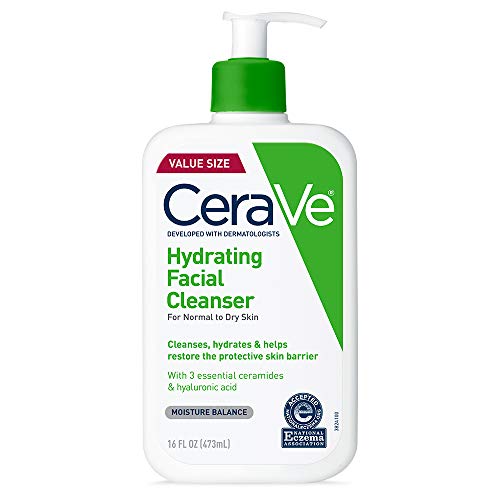

Your day of sun protection starts with a clean slate, but not a stripped one. The goal is to remove any dirt or oil from overnight without stripping away the essential lipids that form your skin’s protective barrier. A harsh, foaming cleanser can leave your skin feeling tight and vulnerable before you’ve even stepped outside.
That’s why starting with a gentle, hydrating cleanser is non-negotiable. A product like CeraVe’s Hydrating Cleanser uses ceramides and hyaluronic acid to cleanse while respecting the skin’s moisture balance. This is crucial. You want your skin to be calm and hydrated, ready to absorb the beneficial ingredients that follow, not in a state of stressed-out defense.
Step 2: Apply SkinCeuticals C E Ferulic Serum
This potent Vitamin C serum with 15% L-Ascorbic Acid, Vitamin E, and Ferulic Acid visibly reduces wrinkles and firms skin. It offers long-lasting antioxidant protection, enhancing radiance and improving skin tone for a youthful glow.

Before you even think about blocking the sun, you should consider boosting your skin’s own defense mechanisms. This is where a potent antioxidant serum comes in. While sunscreen is your primary shield against UV rays, it can’t block 100% of them. An antioxidant serum acts as a safety net.
A well-formulated Vitamin C serum, like the industry-standard SkinCeuticals C E Ferulic, helps neutralize the free radical damage from UV radiation that gets past your sunscreen. Think of it as an insurance policy. It works beneath the surface to protect against long-term damage like fine lines and discoloration. Applying it to clean, dry skin allows it to penetrate deeply and get to work, creating a powerful secondary line of defense for the entire day.
Step 3: Hydrate With La Roche-Posay Toleriane
Hydration is key, but the type of moisturizer you use before a beach day is critical. A thick, heavy cream can create a greasy film that prevents your sunscreen from properly binding to your skin. The last thing you want is your expensive SPF pilling up or melting off before you hit the water.
Opt for a lightweight, non-comedogenic moisturizer that absorbs quickly. Something like La Roche-Posay’s Toleriane Double Repair Face Moisturizer provides necessary hydration with ingredients like niacinamide and ceramides without leaving a heavy residue. This step locks in the moisture your skin needs to stay plump and comfortable under the sun, creating the perfect, smooth base for your sunscreen application.
Step 4: Apply EltaMD UV Sport Broad-Spectrum SPF 50
EltaMD UV Sport SPF 50 provides broad-spectrum sun protection for active lifestyles. The water and sweat-resistant zinc oxide formula lasts up to 80 minutes without leaving a greasy residue.

This is the most important step in your entire routine. For any day involving water or sweat, a dedicated "sport" sunscreen is the only real option. These formulas are specifically engineered to be water-resistant and adhere to the skin through intense activity.
Don’t be shy with the application. Most people apply less than half the amount of sunscreen needed for full protection. The rule of thumb is a nickel-sized dollop for the face and neck alone. A product like EltaMD UV Sport is a workhorse because it’s designed to stay put. Make sure you cover often-missed spots: your ears, the back of your neck, your hairline, and the tops of your feet. This is your primary shield, and its effectiveness depends entirely on applying enough of it.
Step 5: Wait 15 Minutes Before Water Exposure
This is the step everyone wants to skip, and it’s one of the biggest mistakes you can make. Chemical sunscreens, which are common in sport formulas, don’t work instantly. They need time to be absorbed by the skin and form a protective chemical bond.
If you apply your sunscreen and immediately jump into the lake or ocean, you’re essentially washing it off before it has a chance to do its job. The standard recommendation is to wait at least 15 minutes after application before getting wet or even sweating heavily. Set a timer on your phone. Use this time to set up your umbrella or inflate your float. This brief waiting period makes a massive difference in the level of protection you actually receive.
Step 6: Add a Tint With ILIA Super Serum Skin Tint
This award-winning tinted serum combines makeup, skincare, and SPF 40 for a dewy finish. It visibly hydrates, smooths, and refines skin while protecting against UV rays, blue light, and pollution with non-nano zinc oxide.

For those who prefer a bit of coverage, a tinted product can be a great addition—as long as you use it correctly. The key is to see it as a booster layer, not your primary sun protection. A product like the ILIA Super Serum Skin Tint offers light coverage and an additional layer of mineral SPF.
Never use a tinted moisturizer or skin tint in place of your dedicated sport sunscreen. You simply won’t apply enough of it to get the stated SPF value on the bottle. Instead, apply your sport sunscreen first, let it set, and then lightly apply the tinted product over it. This gives you a more even complexion while adding a secondary layer of mineral protection on top of your chemical shield.
Step 7: Reapply With a Shiseido Clear Sunscreen Stick
Get powerful SPF 50+ protection with Shiseido's Clear Sunscreen Stick. This lightweight, invisible formula is effective in heat and water, and can be applied under or over makeup for easy, on-the-go coverage.

Your morning application is just the beginning. Sunscreen is not a one-and-done deal, especially on a water day. No sunscreen is truly "waterproof"; they are "water-resistant" for a specific duration, typically 40 or 80 minutes.
This is where a sunscreen stick becomes your best friend. A stick like the Shiseido Clear Sunscreen Stick is perfect for reapplication because it can be applied over wet or sandy skin without creating a goopy mess. It’s easy to swipe across your face, ears, and neck without even needing a mirror. Reapply every two hours, or immediately after swimming or excessive sweating. This diligence is what separates people who go home happy from those who go home with a painful, damaging burn.
Ultimately, a great day on the water is a safe one, and that starts with protecting your skin. This layered approach isn’t complicated; it’s a deliberate strategy to build a robust shield against the elements. By prepping your skin and choosing the right products in the right order, you’re ensuring your sun protection works as hard as you play.