6 Lake Swimming Safety Strategies That Every Parent Should Know
Lakes pose unique risks like murky water and sudden drop-offs. Learn 6 key strategies, from proper life jacket use to spotting hazards, for a safer swim.
That perfect summer day at the lake can turn in an instant. One moment kids are splashing happily by the shore, the next a child has silently slipped beneath the dark water. Understanding that a lake is not a concrete pool is the first and most critical step toward preventing a tragedy.
Disclosure: As an Amazon Associate, this site earns from qualifying purchases. Thank you!
Understanding Unique Lake Swimming Hazards
Lakes are fundamentally different from pools, and that difference demands our respect. Unlike the predictable, clear environment of a swimming pool, a lake is a wild, living ecosystem with hidden variables. The water is often murky, concealing the bottom and anything in it.
You can’t see how deep it is just by looking. The bottom isn’t a smooth, even surface; it can be soft mud, sharp rocks, or a tangle of submerged branches. This lack of visibility and unpredictable terrain means a child who is standing one moment can be in over their head the next. These natural elements aren’t just inconveniences—they are active risks that change how we must approach supervision and safety.
Active Supervision: The ‘Water Watcher’ System
Active supervision isn’t just being nearby; it’s a dedicated, focused job. Drowning is fast and silent, often happening without the splashing and yelling we see in movies. This is why the ‘Water Watcher’ system is so effective for groups. One adult is designated the official Water Watcher for a set period, like 15 minutes, and their only task is to watch the kids in the water.
This means no phone, no books, no distracting conversations. When their time is up, they physically hand a tag or bracelet to the next designated adult, confirming the transfer of responsibility. This simple system eliminates the dangerous assumption that "someone" is watching. When everyone is watching, no one is watching. The Water Watcher system ensures there is always one pair of eyes with one single purpose.
USCG-Approved PFDs: The Stearns Puddle Jumper
This US Coast Guard-approved kids' swim vest offers UPF 30+ sun protection and comfortable, secure flotation for children 33-55 lbs. Its child-safe design with adjustable straps and quick-release buckles makes learning to swim fun and secure.

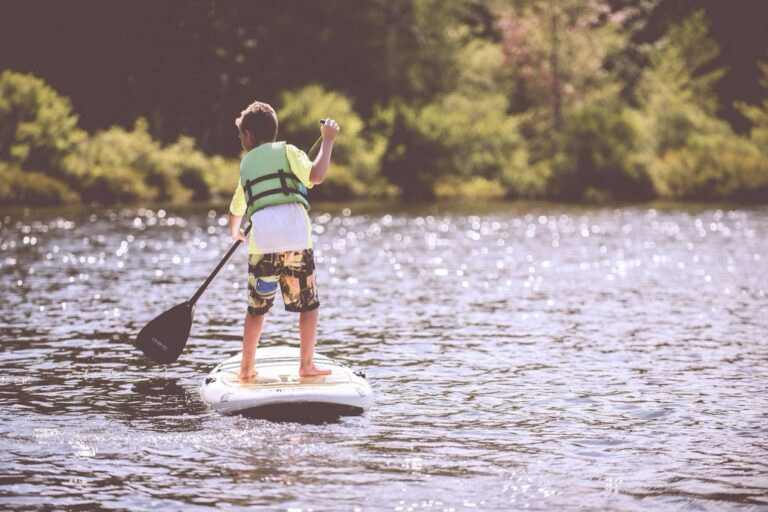
Let’s be clear: pool noodles and inflatable water wings are toys, not life-saving devices. For non-swimmers and young children, a properly fitted, U.S. Coast Guard-approved Personal Flotation Device (PFD) is non-negotiable. These devices are designed and tested to keep a child’s head above water, a function that simple inflatables can’t guarantee.
Enhance pool fun and fitness with these versatile swim noodles. This 40-pack includes durable, lightweight foam noodles in assorted colors, ideal for swim training and aquatic exercise.

The Stearns Puddle Jumper is a popular example of a Type III/V hybrid PFD, which combines chest flotation with arm bands for mobility. Its design encourages a more natural swimming position than some traditional life vests, which is why many parents prefer it. However, the specific brand is less important than the USCG-approved label.
Stay safe on the water with this US Coast Guard-approved life jacket. Enjoy comfort and breathability with its open-sided design, adjustable buckles, and durable nylon shell.

The most critical factor with any PFD is the fit. It must be snug, following the weight and chest size recommendations on the label. A vest that’s too large can ride up around a child’s face, failing to keep their airway clear. Always check the fit by lifting the PFD at the shoulders; if it moves up past the child’s chin and ears, it’s too big. A PFD only works if it’s worn correctly.
Choose Designated Swim Areas and Safe Entry Points
Not all shoreline is created equal. Whenever possible, stick to designated swimming areas. These spots are often chosen because they have a gradual slope, fewer underwater hazards, and are sometimes roped off from boat traffic. Using them leverages the knowledge of park rangers or property managers who have already assessed the area for common risks.
Safe entry is just as important. Never allow children to jump or dive from docks, rocks, or overhanging trees into a lake. You simply don’t know what’s under the surface—a submerged log, a sudden shallow spot, or sharp debris. Teach kids to enter the water feet-first, gradually wading in to get a feel for the depth and the bottom composition. This simple habit prevents countless injuries and removes the deadly risk of a blind jump.
Scan for Hidden Dangers: Weeds and Drop-Offs
Before anyone gets in the water, take a moment to scan the environment. Look for signs of potential hazards that aren’t immediately obvious. Are there large patches of aquatic weeds or lily pads? While they look natural, dense weeds can entangle a swimmer’s legs, causing panic even in calm water. Teach children that if they feel weeds, they should relax, float, and gently kick their way free rather than thrashing.
The other major hidden danger is a sudden drop-off. A gently sloping sandy bottom can abruptly transition into a deep channel just a few feet from shore. This is especially common in man-made lakes and reservoirs. Wade the area yourself first if you’re unsure, or teach older kids to use their feet to feel out the bottom as they move. Acknowledging what you can’t see is a core principle of lake safety.
Cold Water Shock and Hypothermia Awareness
Even on a hot summer day, lake water can be dangerously cold, especially in deeper, spring-fed lakes. The initial plunge into water below 60°F (15°C) can trigger cold water shock. This is an involuntary gasp reflex followed by hyperventilation, and if a person’s head is underwater during that gasp, it can lead to immediate drowning. The best way to prevent this is to enter cold water slowly, giving your body time to acclimate.
Hypothermia is a different, more gradual threat. It occurs when the body loses heat faster than it can produce it, leading to a drop in core body temperature. A child might not feel "cold," but uncontrollable shivering is the first major sign. Other symptoms include confusion, slurred speech, and drowsiness.
Be proactive. Set time limits for swimming in cool water and have towels and warm, dry clothes ready. If a child starts shivering intensely, get them out of the water immediately, dry them off, and wrap them in warm layers. Hot chocolate is more than a treat in this scenario; it helps warm them from the inside out.
Establish a Clear Emergency Action Plan (EAP)
Hope is not a strategy. Before you even lay out the towels, your family should have a clear Emergency Action Plan (EAP). This isn’t about being fearful; it’s about being prepared and efficient when seconds count. Your EAP should be simple and easy to remember.
Key elements of a solid lake EAP include:
- Know your location: Have the park name, lake name, or specific address ready for 911 operators. Cell service can be spotty, so know this beforehand.
- Designate roles: Who calls 911? Who is responsible for gathering other children? Who will guide first responders to your location?
- Have a rescue aid: Keep a throwable flotation device or a rope nearby. The "Reach, Throw, Don’t Go" principle is vital—never enter the water to make a rescue unless you are trained, as you can easily become a second victim.
Discuss the plan with your kids in a calm, age-appropriate way. Knowing what to do in an emergency empowers them and removes the paralysis of panic. It turns a chaotic moment into a series of clear, actionable steps.
Enroll in Swim Lessons and Water Safety Courses
Swim lessons are an essential layer of protection, but it’s crucial to have the right mindset about them. Lessons do not "drown-proof" a child. Instead, they build water competence, confidence, and respect for the water’s power. A child who has had lessons is better equipped to handle an accidental fall-in or an unexpected moment of distress.
Beyond lessons for kids, parents should strongly consider taking a water safety or basic rescue course. Learning CPR and understanding how to use a rescue aid can be life-saving. These courses shift your role from a passive bystander to a capable first responder. Combining a child’s swimming skills with a parent’s preparedness creates the most robust safety net possible.
A day at the lake creates some of the best family memories, and it should. By respecting the unique environment of a lake and layering these safety strategies—from active supervision to emergency planning—you’re not taking the fun away. You’re ensuring you can all come back and do it again, season after season.