7 Pool Leak Sources That Drain Wallets Fast
Discover 7 common pool leak sources from skimmers to underground pipes. Learn to spot signs early, perform simple tests, and prevent costly water loss before minor issues become expensive repairs.
Your pool’s losing water faster than evaporation can explain and you’re wondering where those gallons are disappearing to each day. Pool leaks cost homeowners thousands of dollars annually through wasted water bills and potential structural damage if left unchecked. Learning to identify the seven most common leak sources can save you money and prevent costly repairs down the road.
Why it matters: A small leak that loses just one inch of water per week can waste over 1,000 gallons monthly – that’s serious money flowing straight down the drain.
The bottom line: Most pool leaks originate from predictable locations including skimmers, return lines, main drains, light fixtures, vinyl liner seams, pool equipment, and underground plumbing – and you can spot many of these issues yourself before calling a professional.
Disclosure: As an Amazon Associate, this site earns from qualifying purchases. Thank you!
Understanding the Signs of Pool Water Loss
Spotting pool water loss early prevents minor issues from becoming expensive repairs. You’ll save thousands by recognizing these warning signs before they escalate.
Distinguishing Between Evaporation and Actual Leaks
Normal evaporation removes ¼ to ½ inch of pool water daily, depending on temperature and humidity. You’re dealing with a leak if water loss exceeds ½ inch per day consistently.
Perform the bucket test by placing a water-filled bucket on your pool step and marking both water levels. Check after 24 hours – if your pool drops more than the bucket, you’ve got a leak.
Calculating Normal Water Loss Rates
Pool evaporation rates range from 1-3 inches weekly in typical conditions. Hot, windy days increase evaporation to 1 inch daily, while cool, humid weather reduces it significantly.
Track your water level for one week during normal weather. Consistent loss exceeding 2 inches weekly indicates a leak requiring immediate investigation and professional assessment.
Identifying Skimmer Box Leaks
Skimmer boxes represent one of the most common leak sources in pools due to their constant water contact and multiple connection points. You’ll need to inspect both the structural integrity and sealing components to identify potential problems.
Checking for Cracks in Skimmer Walls
Examine the skimmer walls carefully for hairline cracks or separation around the concrete joint. Look for rust stains or mineral deposits that indicate water seepage through damaged areas. Run your hand along the walls to feel for rough spots or depressions that suggest structural damage requiring immediate repair.
Inspecting Skimmer Gaskets and Seals
Replace your worn skimmer faceplate with this durable set. It features a convenient one-piece butterfly gasket for easy installation and a long-lasting, heavy-duty construction.


Check the rubber gaskets around the skimmer basket and weir door for deterioration or improper seating. Replace any cracked, hardened, or missing gaskets that allow water to bypass the filtration system. Ensure all seals create watertight connections between the skimmer components and pool plumbing lines.
• COMPATIBILITY: Fits most common above ground pool skimmers; not compatible with in ground pools. We encourage all customers to measure their baskets ahead of time to be safe. If your current basket is wider than 7" or has a rim that isn't perfectly round, this will not work with your skimmer • ALWAYS PREPARED: 2 pack gives you a spare basket to make it through the season • CLEAN AND CLEAR: Measuring roughly 6 inches by 4 inches, FibroPool skimmer baskets are a perfect replacement for most above ground pool skimmers • OUT OF THE WAY: Pivot handle conveniently moves to avoid trapping sticks and other debris

Detecting Pool Light Fixture Leaks
Illuminate your pool or spa with the reliable Pentair Amerilite underwater light. Features a stainless steel face ring, superior light diffusion, and a heat-sensing cutoff for safety.

Pool light fixtures create multiple potential failure points where water can escape through deteriorated seals and loose connections. You’ll need to inspect both the light niche housing and electrical conduit pathways to identify these often-overlooked leak sources.
Examining Light Niches for Water Infiltration
Check the light niche for water accumulation behind the fixture lens or visible rust stains around the housing perimeter. Remove the light fixture and inspect the niche walls for hairline cracks or separation where the housing meets the pool shell. Look for mineral deposits or discoloration that indicate chronic water seepage through compromised gaskets or deteriorated caulking around the niche rim.
Testing Conduit Connections
Examine where the electrical conduit enters the light niche for gaps or loose fittings that allow water infiltration. Apply gentle pressure around conduit entry points to identify soft spots or movement indicating failed waterproof connections. Test the conduit pathway by checking for water accumulation in junction boxes or wet spots along the conduit run leading back to your electrical panel.
Locating Pool Liner or Surface Cracks
Pool liner and surface cracks represent the most visible yet often overlooked leak sources in residential pools. You’ll find these defects create direct pathways for water loss that can drain thousands of gallons weekly.
Spotting Vinyl Liner Tears and Punctures
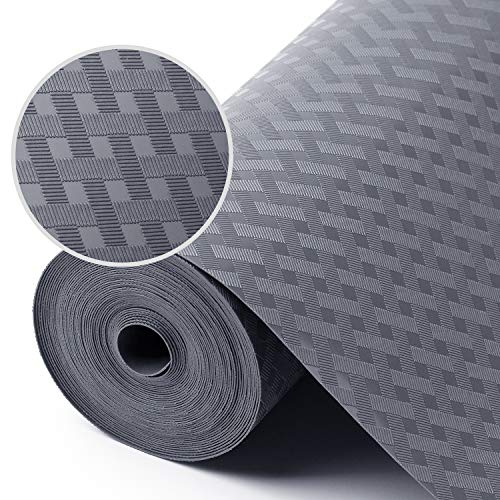
Protect your shelves and drawers with these BPA-free EVA liners. They're easy to cut, clean, and waterproof, making them ideal for keeping your kitchen and refrigerator organized and fresh.
Vinyl liner tears typically appear as jagged edges or clean cuts along seam lines and high-stress areas. You’ll discover most punctures near steps, corners, and return jets where constant water pressure creates weak points. Check underwater areas systematically using a mask and snorkel, as small tears often hide beneath the waterline where debris accumulates.
Finding Concrete Pool Surface Fissures
Concrete pool surface fissures manifest as hairline cracks that radiate from stress points like light fixtures and return fittings. You’ll notice these cracks expand during freeze-thaw cycles and appear darker when wet from water seepage. Focus your inspection on the tile line, steps, and corners where structural movement creates the most surface tension and cracking potential.
Discovering Plumbing Line Leaks
Underground plumbing lines represent the most challenging leak sources to detect but can drain your pool faster than any surface-level issue. These hidden leaks often go unnoticed for weeks while steadily increasing your water bills.
Testing Return Line Integrity
Check return jet pressure by placing your hand over each fitting during pump operation. Weak flow indicates blockages or underground breaks that compromise system efficiency.
Inspect fitting connections where return lines enter the pool wall for loose gaskets or cracked housings. These connection points experience constant pressure changes that can create separation over time.
Checking Suction Line Connections
Monitor skimmer suction strength by observing debris movement patterns around the intake. Reduced suction often signals underground line damage between the skimmer and pump.
Examine main drain performance by testing water draw from the deepest point. Compromised suction lines create air bubbles in your pump basket and reduce overall circulation effectiveness.
Finding Pool Equipment Leaks
Pool equipment represents one of the most concentrated areas for potential water loss due to multiple mechanical connections and constant pressure cycling.
Inspecting Pump and Filter Housing
• 【Import Optical Glass】Crafted from premium AGC optical glass with 8 multi-layer coatings, this ND filter reduces reflections and glare, ensuring superior image quality. • 【Versatile Light Control】With 1 to 9 stops of adjustable light reduction and 360-degree rotation for precise dimming settings, this filter is perfect for diverse scenarios. (Note: Max stops may cause a cross-pattern effect, commonly known as an "X black cross." This phenomenon is natural and temporary, occurring due to the adjustable ND filter's interaction with specific lenses and focal lengths. • 【Glare-Free Surface】Treated with an oxidized sandblasting process, this filter prevents unwanted stray light and minimizes unnecessary reflections on the metal surface. • 【Slim and Secure】At a mere 7.4mm thickness, the CNC-patterned design ensures enhanced friction while rotating, making it easy to attach/detach lenses and accessories anytime, anywhere. • 【Compatibility Note】This ND filter suits all 82mm lenses. Check your camera's lens thread size (usually beside a "ø" diameter symbol) before ordering. Additionally, a 86mm lens cap is required for this 82mm variable ND filter.

Check your pump housing for wet spots around the lid seal and drain plugs. These areas experience constant pressure changes that can cause gaskets to fail and create steady drips.
Examine the filter housing thoroughly for hairline cracks near the pressure relief valve and union connections. You’ll often find telltale mineral deposits or rust stains indicating chronic water seepage.
Examining Heater and Chlorinator Connections
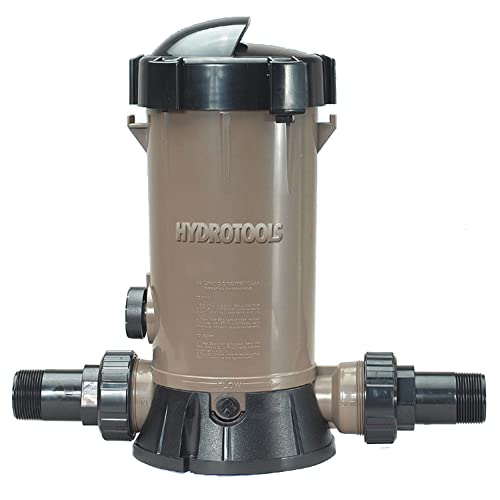
Keep your pool clean with the Hydrotools Automatic Chlorine Feeder. It features a simple SNAP-LOCK lid, adjustable output, and durable, corrosion-resistant construction for easy installation and long-lasting performance.
Inspect all threaded connections on your heater and chlorinator for mineral buildup or corrosion. These fittings expand and contract with temperature changes, loosening over time and creating leak points.
Look for wet patches around union joints and valve stems on chlorination equipment. Even small drops can indicate failing O-rings that need immediate replacement to prevent larger equipment damage.
Uncovering Underground Pipe Leaks
Underground pipe failures represent the most challenging leak detection scenario. These hidden leaks can drain your pool rapidly while remaining invisible for weeks or months.
Using Pressure Testing Methods
Pressure testing isolates specific underground lines to pinpoint leak locations accurately. You’ll need a pressure testing kit to seal individual pipe sections and monitor pressure drops over 15-30 minutes. A pressure loss exceeding 2 PSI during testing confirms underground pipe damage requiring professional excavation and repair.
Identifying Wet Spots Around Pool Area
Saturated soil patches around your pool deck indicate underground water line leaks beneath the surface. You’ll notice consistently soggy areas even during dry weather conditions particularly near equipment pads and return line pathways. These wet zones often develop sinkhole-like depressions as underground water erodes supporting soil beneath concrete surfaces.
Conclusion
Taking action on pool leaks now saves you from expensive repairs later. You’ve learned to spot the seven most common leak sources that drain your pool’s water and your wallet.
Regular inspections become second nature once you know what warning signs to watch for. Check your pool weekly and don’t ignore small problems – they always grow bigger over time.
When you catch leaks early you’ll maintain your pool’s efficiency and protect your investment. Remember that some underground issues require professional help so don’t hesitate to call experts when you’re unsure about complex repairs.
Frequently Asked Questions
How much water loss is normal for a pool?
Normal pool evaporation removes ¼ to ½ inch of water daily. During typical weather conditions, losing more than ½ inch per day or 2 inches weekly indicates a leak rather than normal evaporation. Factors like temperature, humidity, and wind affect evaporation rates, but consistent water loss exceeding these amounts requires immediate investigation.
What are the most common sources of pool leaks?
The most common leak sources include skimmer boxes, return lines, main drains, light fixtures, vinyl liner seams, pool equipment connections, and underground plumbing. Skimmer boxes are particularly prone to leaks due to constant water contact and multiple connection points that can develop cracks or deteriorated gaskets over time.
How can I tell if my skimmer is leaking?
Inspect skimmer walls for hairline cracks, separation, rust stains, or mineral deposits indicating water seepage. Check rubber gaskets around the skimmer basket and weir door for deterioration. Look for consistently wet areas around the skimmer exterior and examine the connection points between skimmer components and pool plumbing lines.
What is the bucket test for detecting pool leaks?
The bucket test involves placing a bucket filled with pool water on a pool step, marking water levels in both the bucket and pool, then comparing water loss after 24 hours. If the pool loses significantly more water than the bucket, you have a leak rather than normal evaporation.
How do I check for pool light fixture leaks?
Inspect the light niche for water accumulation, rust stains, and hairline cracks. Check gaskets and caulking condition around the light fixture. Examine electrical conduit connections for gaps or loose fittings. Apply gentle pressure around these areas to identify potential water infiltration points that may indicate seal failure.
Where should I look for vinyl liner tears?
Focus on high-stress areas like steps, corners, and return jets where tears commonly occur. Perform systematic underwater inspections, checking seams and areas with frequent contact. Look for punctures, cuts, or separation along the liner edges. Even small tears can drain thousands of gallons weekly if left unrepaired.
How can I detect underground plumbing leaks?
Monitor return jet pressure and skimmer suction strength for changes indicating line damage. Look for consistently wet spots around the pool area that may indicate underground leaks. Consider pressure testing specific lines using a testing kit to isolate leak locations and monitor pressure drops in the system.
What equipment areas are prone to leaks?
Inspect pump and filter housing for wet spots around seals and drain plugs. Check for hairline cracks near pressure relief valves. Examine heater and chlorinator connections for mineral buildup or corrosion, particularly around threaded fittings, union joints, and valve stems where O-rings commonly fail.
When should I call a professional for pool leak detection?
Contact a professional when water loss exceeds 2 inches weekly, when you’ve identified potential underground leaks, or when equipment inspections reveal multiple failure points. Professional pressure testing and specialized leak detection equipment can accurately locate hidden leaks that homeowners cannot easily identify or access safely.