7 Water Safety Tips for Alternative Activities That Save Lives
Discover 7 essential water safety tips for paddleboarding, cliff jumping & alternative water sports. Learn about PFDs, swimming skills, weather prep & emergency planning to stay safe.
The big picture: You’re trading traditional beach days for paddleboarding sessions and cliff jumping adventures — but these alternative water activities come with unique risks that standard swimming safety doesn’t cover.
Enjoy versatile water activities with the Roc Paddle Board. Its stable, wide design and durable construction provide excellent balance, while included accessories like a paddle and carry bag ensure a complete, portable experience.

Why it matters: While you’re focused on perfecting your technique or capturing the perfect Instagram shot, overlooking proper safety protocols can turn your thrilling water adventure into a dangerous situation.
What’s ahead: These seven essential safety tips will help you enjoy alternative water activities while protecting yourself and others from preventable accidents.
Disclosure: As an Amazon Associate, this site earns from qualifying purchases. Thank you!
Always Wear Appropriate Personal Flotation Devices
Stay safe on the water with this U.S. Coast Guard-approved throwable flotation cushion. Its durable nylon shell and bright red color ensure visibility and reliable performance in emergencies.

Your personal flotation device becomes your lifeline when alternative water activities take unexpected turns. The right PFD transforms from safety equipment into confidence-building gear that lets you push boundaries while staying protected.
Choose the Right PFD for Your Activity
Type III PFDs work best for most alternative water sports because they allow arm movement while providing reliable buoyancy. Paddleboarding and kayaking demand mobility, so avoid bulky Type I devices that restrict your paddle stroke. Inflatable PFDs offer maximum freedom for activities like cliff jumping, though they cost more and require CO2 cartridge maintenance.
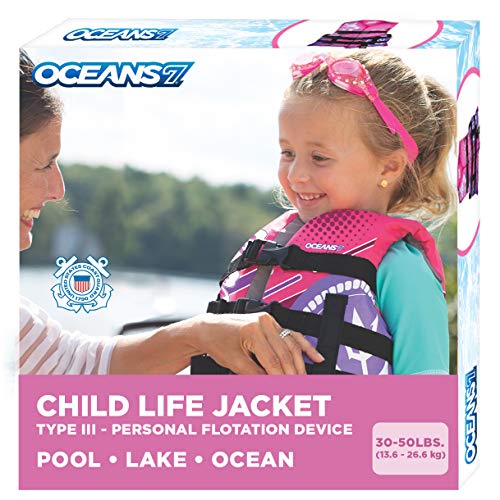
Keep kids safe on the water with this US Coast Guard-approved life jacket (30-50 lbs). The open-sided design and adjustable straps ensure a comfortable, flexible fit for swimming and boating.
Ensure Proper Fit and Coast Guard Approval
A properly fitted PFD shouldn’t ride up past your chin when lifted from the shoulders. Check for the Coast Guard approval stamp on every device – non-approved decorative vests won’t save your life. Test your PFD in shallow water first to understand how it affects your movement and buoyancy before heading into challenging conditions.
Maintain and Inspect Your Equipment Regularly
Sun, salt, and chlorine break down PFD materials faster than most people realize. Inspect zippers, buckles, and foam for cracks or tears before each season and after any hard impacts. Rinse your PFD with fresh water after every saltwater use, and store it in a cool, dry place to prevent UV damage and mold growth.
Know Your Swimming Abilities and Limitations
Your swimming skills determine which water activities you can safely enjoy, not your enthusiasm level. Alternative water sports amplify the consequences of overestimating your abilities.
Assess Your Skill Level Honestly
Rate yourself based on distance, not just staying afloat. If you can’t comfortably swim 200 meters in a pool without stopping, you’re not ready for open water paddleboarding or cliff jumping activities that could require extended swimming.
Practice Swimming in Controlled Environments First
Master treading water for 10 minutes and swimming 50 meters fully clothed before attempting alternative water sports. Pool practice builds the muscle memory and endurance you’ll need when equipment fails or you’re separated from your gear unexpectedly.
Never Overestimate Your Capabilities in Open Water
Open water swimming demands 50% more energy than pool swimming due to currents, waves, and temperature changes. Your 30-minute pool endurance translates to roughly 15-20 minutes in lakes or ocean conditions, even on calm days.
Research Weather and Water Conditions Before You Go
Weather and water conditions change faster than most people realize, especially in open water environments. Taking time to research conditions before your adventure can mean the difference between an epic day and a dangerous situation.
Check Local Weather Forecasts and Warnings
You’ll want to check marine weather forecasts rather than standard weather apps for the most accurate conditions. Look for wind speed predictions, storm warnings, and visibility reports at least 12 hours before departure. Small craft advisories aren’t just for boats – they apply to paddleboards and kayaks too.
Understand Water Temperature and Current Conditions
Water temperature affects your endurance and safety more than air temperature ever will. Cold water below 70°F dramatically increases fatigue and reduces reaction time during activities like cliff jumping. Check recent water temperature reports and understand how hypothermia risk changes your gear needs and activity duration.
Monitor Tide Charts and Water Level Changes
Track local tide conditions with the Northcore Bamboo Tide Clock. This desk-friendly clock, made from sustainable bamboo, rotates every 12 hours and 25 minutes to indicate high and low tides after a simple set up.

Tidal changes create currents that can turn easy paddling into exhausting battles against moving water. Study tide charts to plan your departure and return times around favorable conditions. Lake levels and river flows also fluctuate seasonally, exposing rocks or creating faster currents that weren’t there last season.
Inform Others About Your Water Activity Plans
Communication becomes your lifeline when you’re pursuing alternative water activities in remote locations. Your adventure plans need witnesses who’ll know exactly where you are and when you should return.
Share Your Itinerary with Trusted Contacts
Create a detailed plan that includes your exact launch point, intended route, and expected return time. Share GPS coordinates for cliff jumping spots or remote paddling areas with at least two reliable contacts. Include backup locations you might visit if conditions change, since alternative water activities often require flexibility in planning.
Establish Check-In Times and Emergency Contacts
Set specific check-in windows every 2-4 hours depending on your activity’s duration and risk level. Choose contacts who’ll actually answer their phones and know to call emergency services if you miss your scheduled check-in. Provide them with local emergency numbers for your activity area, as they might need Coast Guard or specialized rescue teams.
Use Technology to Track Your Location
Download offline GPS apps that work without cell service, since many prime water activity spots have spotty coverage. Carry a waterproof GPS beacon or satellite communicator for high-risk activities like solo cliff jumping or remote paddleboarding. Share your live location through smartphone apps when possible, but never rely solely on technology that depends on cell towers.
This survival kit ensures fast rescue with a GPS beacon, bright strobe, and signal mirror. It also includes a waterproof drybag and loud whistle for emergencies.

Learn Proper Safety Techniques for Your Chosen Activity
Each alternative water activity demands specific skills that you can’t simply wing. Professional instruction transforms beginners into confident participants while teaching advanced practitioners nuanced techniques they’d never discover alone.
Take Lessons from Certified Instructors
Certified instructors teach proper technique and spot dangerous habits before they become ingrained. They’ll show you the correct paddle stroke for SUP boarding that prevents shoulder strain and the proper cliff jumping entry that avoids belly flops or dangerous spinal compression.
Most importantly, instructors teach you how to read water conditions specific to your activity and recognize when conditions exceed your skill level.
Practice Emergency Procedures and Self-Rescue Methods
Self-rescue skills become muscle memory through repetition in controlled environments. Practice deep water re-entry onto your paddleboard until you can do it smoothly while tired. Learn to right a flipped kayak using an Eskimo roll technique.
For cliff jumping, master proper water exit techniques and practice swimming to safety in various water conditions before attempting higher jumps.
Understand Equipment-Specific Safety Requirements
Each piece of gear has maintenance requirements and failure points you must recognize. SUP leashes need regular inspection for worn ankle straps that could snap during falls. Kayak spray skirts require proper fitting to prevent entrapment underwater.
Cliff jumping gear like protective footwear needs grip testing on wet surfaces, while wetsuits require seam checks to prevent dangerous tears during water entry.
Stay Alert and Avoid Alcohol or Substances
Your judgment and reaction time are your primary defense mechanisms during water activities. Impairment dramatically increases drowning risk and reduces your ability to respond to changing conditions.
Maintain Clear Judgment and Quick Reaction Times
Alcohol affects your balance and decision-making within minutes of consumption. Your ability to assess water conditions and recognize dangerous situations becomes compromised. Even one drink can slow your reflexes enough to make the difference between successfully self-rescuing and requiring emergency assistance. Save the celebration for after you’re safely back on shore.
Recognize Signs of Fatigue and Hypothermia
Exhaustion creeps up faster in water than on land, especially during demanding activities like cliff jumping. Watch for muscle weakness, difficulty concentrating, or shivering that won’t stop. Cold water accelerates hypothermia onset, causing confusion and poor judgment within 15-30 minutes. Exit the water immediately if you notice slurred speech or uncontrollable shivering in yourself or others.
Keep Hydrated with Non-Alcoholic Beverages
Dehydration happens quickly during water sports due to sun exposure and physical exertion. Drink water every 30 minutes during extended activities like paddleboarding or kayaking. Sports drinks help replace electrolytes during intense sessions lasting over two hours. Avoid caffeinated beverages that can increase dehydration and alcohol that impairs your ability to recognize thirst and fatigue signals.
Prepare Emergency Equipment and Communication Devices
Having the right emergency gear can make the difference between a manageable situation and a life-threatening crisis in remote water locations.
Pack Waterproof First Aid Supplies
Get fast pain and itch relief with Bactine MAX First Aid Spray. Its 4% lidocaine formula numbs pain while killing 99% of germs to protect minor cuts, burns, and bug bites from infection.

Waterproof first aid kits designed for marine environments contain essential supplies that stay dry when you need them most. Standard bandages become useless when soaked, so pack medical tape that adheres to wet skin and quick-clot bandages for cuts. Include emergency hypothermia blankets and waterproof matches in sealed containers for warming situations.
Carry Signaling Devices and Communication Tools
Marine-grade signaling devices work when cell phones fail in remote water areas. Pack waterproof whistles that carry over water noise, bright orange signal mirrors for sunny conditions, and LED strobes visible from aircraft. Satellite communicators like Garmin inReach provide two-way messaging where cell towers can’t reach you.
Know How to Call for Help in Remote Areas
Emergency response protocols differ significantly in remote water locations compared to populated beaches. Program marine radio channels 16 and 70 for Coast Guard contact, and know your GPS coordinates before emergencies strike. Practice using emergency position-indicating radio beacons (EPIRBs) that transmit distress signals to rescue coordination centers worldwide.
Conclusion
Following these seven water safety tips transforms your alternative water adventures from risky ventures into calculated experiences you can truly enjoy. Your preparation and awareness make all the difference between a memorable adventure and a dangerous situation.
Remember that water conditions can change rapidly and your safety depends on making smart decisions before and during your activities. Every piece of equipment you carry and every precaution you take serves as your lifeline when things don’t go as planned.
Start implementing these safety practices on your next water adventure. Your future self will thank you for taking the time to prioritize safety alongside the thrill of exploring new waters.
Frequently Asked Questions
What type of PFD is best for paddleboarding and kayaking?
Type III PFDs are recommended for paddleboarding and kayaking because they offer the ideal balance of buoyancy and mobility. These vest-style life jackets allow for comfortable arm movement while providing adequate flotation. For cliff jumping, inflatable PFDs may be preferred as they’re less restrictive during the jump but still provide essential buoyancy upon water entry.
How can I assess if I’m ready for open water activities?
You should be able to swim at least 200 meters comfortably in a pool before attempting open water activities. Practice swimming in controlled environments to build endurance and muscle memory. Remember that open water swimming requires significantly more energy than pool swimming due to currents, waves, and temperature differences.
What weather conditions should I check before water activities?
Check marine weather forecasts at least 12 hours before departure, focusing on wind speed, storm warnings, and visibility reports. Monitor water temperature, as cold water increases fatigue and reduces reaction time. Also review tide charts and water level changes, as these create currents that can affect paddling conditions and safety.
Why is it important to share my water activity plans?
Informing trusted contacts about your detailed itinerary, including launch points, routes, and expected return times, ensures someone knows your whereabouts if emergencies arise. Establish check-in times and provide emergency contacts. This communication plan becomes crucial when engaging in activities in remote locations where immediate help may not be available.
Should I take lessons for water sports activities?
Yes, taking lessons from certified instructors is highly recommended. Professional instructors teach proper techniques, help identify dangerous habits, and educate you on reading water conditions. They also teach essential emergency procedures and self-rescue methods that become muscle memory through practice in controlled environments.
Can I drink alcohol during water activities?
No, you should avoid alcohol completely during water activities. Even one drink significantly increases drowning risk by impairing judgment, coordination, and reaction time. Alcohol also increases the risk of hypothermia by affecting your body’s ability to regulate temperature in cold water conditions.
What emergency equipment should I bring for remote water activities?
Pack waterproof first aid supplies including medical tape and quick-clot bandages, plus emergency hypothermia blankets. Carry marine-grade signaling devices like waterproof whistles and LED strobes. For remote areas, consider emergency position-indicating radio beacons (EPIRBs) and program marine radio channels for distress communication.