7 Safety Tips for Multi-Use Pools with Alarms That Every Parent Should Know
Discover 7 essential safety tips for multi-use pools with alarm systems. Learn proper barrier installation, maintenance protocols, user education, and emergency response strategies to protect all swimmers effectively.
Multi-use pools present unique safety challenges that require specialized attention and advanced monitoring systems. You’re dealing with varying depths, different activity zones, and multiple user groups simultaneously – making traditional pool safety measures insufficient on their own.
Pool alarms serve as your critical first line of defense, but they’re only effective when properly integrated with comprehensive safety protocols. The right combination of alarm technology and safety practices can dramatically reduce accident risks while maintaining the versatility that makes these pools valuable.
Your pool’s safety depends on understanding how alarm systems work within the broader context of multi-use facility management.
Disclosure: As an Amazon Associate, this site earns from qualifying purchases. Thank you!
Install Pool Alarms at All Entry Points
Get reliable pool safety with the BCONE alarm system. It prevents false alerts, features a loud alarm, and connects to Alexa for convenient control.


Pool alarms lose their effectiveness if they’re not covering every possible access point to your multi-use facility. I’ve seen too many incidents where someone entered through an unmonitored door while the main gate alarm was perfectly functional.
Choose ASTM-Compliant Pool Alarm Systems
ASTM F2208 compliance ensures your pool alarms meet rigorous safety standards for detection sensitivity and false alarm prevention. These systems undergo testing for water disturbance patterns and environmental conditions that cheaper alternatives simply can’t handle. You’ll find ASTM-compliant models detect a 15-pound object entering the water within 20 seconds while filtering out wind and small debris.
Position Alarms on Gates, Doors, and Windows
Strategic alarm placement covers every potential entry point including sliding doors, emergency exits, and windows within 10 feet of the pool deck. Gate alarms should mount on both the latch side and hinge side to prevent bypassing through partial openings. Window alarms become critical in facilities where locker rooms or offices provide direct pool access.
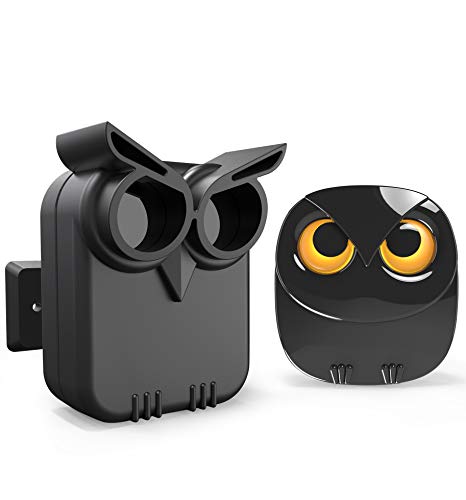
Protect your property with this wireless driveway alarm system. It features a long 1/2-mile range and a motion sensor that detects movement up to 50 feet away, reducing false alarms.
Test Alarm Sensitivity and Volume Levels
Monthly testing ensures your alarms detect actual emergencies without triggering false alerts from normal pool maintenance activities. Set volume levels at 85 decibels minimum so staff can hear alerts over background noise from filtration systems and pool users. Test sensitivity by dropping a 15-pound weight to verify detection while adjusting settings to ignore cleaning equipment and wind-blown debris.
Enjoy safe, great-tasting water with the APEC ROES-50 Reverse Osmosis System. This WQA-certified, USA-assembled system removes up to 99% of impurities and includes a lead-free designer faucet.

Establish Clear Pool Rules for Different User Groups
Multi-use pools demand structured rules that address each user group’s unique needs and safety requirements. Clear guidelines prevent conflicts between swimmers and create safer environments for everyone.
Create Age-Appropriate Swimming Guidelines
Set depth restrictions based on swimming ability rather than just age. Non-swimmers under 12 should stay in shallow areas with constant supervision. Experienced teen swimmers can access deeper zones but must demonstrate treading water for 60 seconds first.
Post Visible Safety Signs Around Pool Area
Install weatherproof signage at eye level near entry points and activity zones. Include depth markers every 10 feet, emergency contact numbers, and specific rules like “No Running” or “Adult Supervision Required.” Replace faded signs immediately to maintain visibility.
Clearly mark your pool depth with these durable, USA-made 6x6 inch vinyl stickers. The skid-resistant markers are easy to install and ensure long-lasting safety compliance.

Designate Specific Hours for Different Activities
Schedule dedicated time blocks to separate incompatible activities safely. Reserve early morning hours for lap swimming, midday for families with young children, and evening slots for teen recreation. This prevents speed conflicts and reduces accident risk.
Maintain Constant Adult Supervision During Pool Use
Active supervision remains your strongest defense against drowning incidents in multi-use pools. While alarms provide crucial early warning, they can’t replace the split-second decision-making that only an attentive adult can provide.
Assign Rotating Lifeguard Duties Among Adults
Rotate supervision duties every 15-20 minutes to prevent attention fatigue that naturally occurs during extended watching periods. Designate one adult as the primary “water watcher” while others handle secondary tasks like setting up activities or managing poolside needs. Create a simple rotation schedule that clearly identifies who’s responsible for active supervision at any given time, ensuring seamless transitions between watchers.
Establish Clear Line-of-Sight Positioning
Position yourself where you can see the entire pool area without obstructions from pool toys, umbrellas, or other swimmers. Move around the pool perimeter as needed to maintain visual contact with all swimmers, especially in areas with varying depths. Choose seating or standing positions that allow you to reach the water within 10 seconds, keeping rescue equipment like reaching poles within arm’s reach.
Enjoy summer pool time with this 30-piece diving toy set! It includes rings, sticks, balls, and more, plus a bonus storage bag for easy cleanup and organization.

Avoid Distractions Like Phones and Reading
Put devices away completely during your designated supervision time – even quick glances at notifications can miss critical moments when drowning occurs silently. Reading, texting, or scrolling social media creates dangerous attention gaps that compromise your ability to recognize distress signals. Save conversations and activities for when you’re off supervision duty, treating water watching as a full-time responsibility that demands your complete focus.
Implement Proper Pool Barrier Systems
Physical barriers work as your most reliable defense layer when multi-use pool alarms detect potential issues. These systems create controlled access points that complement your alarm network.
Install Self-Closing and Self-Latching Gates
Secure your yard, garden, or pool with this heavy-duty, self-locking gate latch. Its gravity lever design and included hardware ensure easy installation and reliable protection for your family and pets.
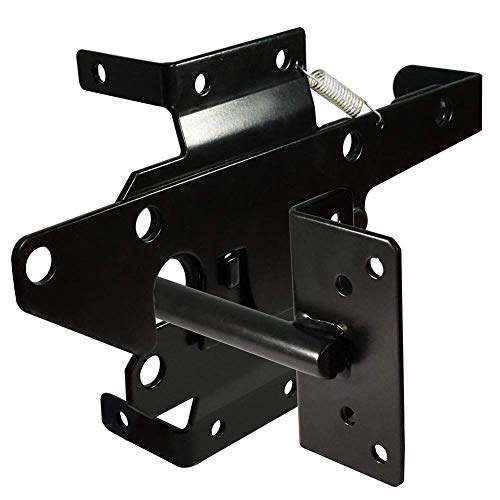
Self-closing gates eliminate human error in multi-use environments where different user groups enter throughout the day. Install magnetic or spring-loaded mechanisms that automatically close within 20 seconds and latch at heights exceeding 54 inches from ground level. Position latches on the pool side to prevent children from reaching over fencing to unlock gates.
Ensure Fence Height Meets Local Safety Codes
Fence height requirements typically mandate 4-foot minimums but multi-use facilities benefit from 5-foot barriers for enhanced security. Check local codes since some jurisdictions require heights up to 6 feet for commercial or semi-public pools. Install vertical picket spacing under 4 inches to prevent climbing footholds while maintaining visibility for supervision.
Remove Climbable Objects Near Pool Perimeter
Eliminate climbing aids within 3 feet of your pool fence including chairs, tables, decorative rocks, and storage boxes. Position outdoor furniture, playground equipment, and landscaping features beyond this clearance zone to prevent unauthorized access. Regularly audit your pool area since users often move objects closer to fencing without considering safety implications.
Regular Maintenance and Testing of Safety Equipment
Your pool’s safety equipment becomes unreliable without consistent maintenance checks. Equipment failures during emergencies can mean the difference between immediate response and tragic outcomes.
Weekly Alarm System Functionality Checks
Test every alarm sensor by triggering each activation method weekly. Drop a weighted object into the pool to verify surface wave detection works properly. Check door and gate alarms by opening each entry point slowly to confirm they sound within 7 seconds of activation.
Monthly Battery Replacement Schedule
Replace all backup batteries in alarm systems monthly regardless of charge levels. Many pool alarm failures occur during power outages when batteries should provide emergency backup power. Mark your calendar for the first Sunday of each month to replace batteries in door sensors, pool alarms, and emergency communication devices.
Annual Professional Safety Equipment Inspection
Schedule certified technician inspections each spring before peak swimming season begins. Professional inspections catch sensor drift, wiring deterioration, and calibration issues that weekly tests can’t detect. Request documentation of all equipment performance metrics and replace any components showing degraded response times or sensitivity levels.
Create Emergency Response Procedures
Multi-use pools require detailed emergency protocols that work hand-in-hand with your alarm systems. When seconds count, having pre-established procedures eliminates confusion and ensures swift response to any water emergency.
Post CPR and First Aid Instructions Visibly
Position laminated CPR and first aid instruction cards at multiple locations around your pool area. Place them near lifeguard stations, main entrances, and pool equipment areas where they’re easily visible during emergencies. Include emergency contact numbers directly on these cards so responders don’t waste time searching for phone numbers when every second matters.
Keep Rescue Equipment Within Easy Reach
Station rescue equipment at strategic points around your multi-use pool perimeter. Install shepherd’s hooks, rescue tubes, and throw rings within 30 feet of any pool edge so you can reach distressed swimmers immediately. Verify all equipment remains in good condition through monthly inspections and replace worn items before they fail during actual emergencies.
Establish Clear Communication Protocols for Emergencies
Develop specific communication chains that activate when pool alarms sound or emergencies occur. Assign primary and backup personnel to call 911, notify facility management, and coordinate with emergency responders. Create simple emergency scripts that staff can follow under pressure, ensuring consistent information gets communicated quickly to all necessary parties.
Educate All Pool Users About Safety Protocols
You’ll find that even the most sophisticated alarm systems work best when everyone understands proper pool safety. Education transforms reactive safety measures into proactive prevention strategies.
Conduct Regular Safety Briefings for New Users
Schedule mandatory 10-minute safety orientations for all first-time users before they enter your multi-use pool facility. Cover basic rules like depth restrictions, alarm system functions, and emergency procedures during these sessions.
Document attendance and require signed acknowledgment forms to ensure accountability. Repeat briefings monthly for frequent users to reinforce critical safety protocols and address any rule changes.
Provide Swimming Lessons for Inexperienced Users
Offer beginner swimming lessons specifically designed for your pool’s unique features like varying depths and different activity zones. Focus on water safety skills including floating, treading water, and recognizing personal swimming limits.
Partner with certified instructors who understand multi-use pool dynamics and can teach age-appropriate safety techniques. These lessons reduce your facility’s overall risk while building user confidence and competence.
Review and Update Safety Rules Seasonally
Assess and modify your safety protocols every three months to address seasonal usage patterns and emerging safety concerns. Summer months may require stricter capacity limits while winter indoor use needs different ventilation and supervision guidelines.
Survey users regularly to identify safety gaps and incorporate their feedback into rule updates. Post revised rules prominently and require all users to acknowledge changes before pool access.
Conclusion
Your multi-use pool’s safety depends on implementing these seven alarm-focused strategies as part of a comprehensive protection system. You can’t rely on any single safety measure alone – combining proper alarms with barriers education and supervision creates the most effective defense against accidents.
Remember that safety protocols require ongoing attention and regular updates. You’ll need to test your systems monthly review your procedures seasonally and stay current with evolving safety standards to maintain optimal protection.
The investment you make in proper safety measures today protects your facility’s users and provides peace of mind for years to come. Start implementing these strategies immediately to transform your multi-use pool into a safer environment for everyone.
Frequently Asked Questions
What makes multi-use pools more challenging from a safety perspective?
Multi-use pools present unique safety challenges due to varying depths and multiple user groups with different swimming abilities. Traditional safety measures alone are inadequate for these complex environments. The diverse user base requires specialized attention and advanced monitoring systems to ensure everyone’s safety, from children to adults with varying skill levels.
Why are pool alarms essential for multi-use facilities?
Pool alarms serve as the critical first line of defense in multi-use facilities by providing immediate alerts when unauthorized access occurs. They must be integrated with comprehensive safety protocols to be effective. ASTM-compliant alarm systems ensure rigorous safety standards and should be strategically placed at all entry points including gates, doors, and windows.
How often should pool alarm systems be tested?
Pool alarm systems should be tested monthly to ensure proper functionality during emergencies. Regular testing helps identify any malfunctions or battery issues before they become critical safety concerns. This routine maintenance is essential for maintaining the reliability of your first line of defense against unauthorized pool access.
What are the key components of effective pool barrier systems?
Effective pool barrier systems include self-closing and self-latching gates, fences that meet local safety code height requirements, and strategic placement around all pool access points. These barriers work as a reliable defense layer that complements alarm networks. Regular audits of the pool area ensure all barriers remain secure and functional.
How can pool rules be tailored for different user groups?
Pool rules should be customized based on age-appropriate swimming guidelines and specific activity types. Designate specific hours for different activities to minimize conflicts and risks. Post visible safety signs throughout the facility and create clear guidelines that address the varying needs and abilities of children, adults, and different swimming skill levels.
What role does adult supervision play in multi-use pool safety?
Active adult supervision is critical in preventing drowning incidents and ensuring rule compliance. Supervisors should maintain constant visual contact with swimmers and rotate duties to prevent fatigue. Designated supervisors help monitor different user groups simultaneously and can quickly respond to emergency situations or rule violations.
How important is safety education for pool users?
Safety education is fundamental for preventing accidents in multi-use pools. Conduct mandatory safety briefings for first-time users and document attendance to ensure accountability. Provide swimming lessons for inexperienced users to build confidence and competence. Regular education helps users understand risks and proper pool behavior.
How often should pool safety protocols be updated?
Pool safety protocols should be reviewed and updated seasonally to address changing usage patterns and emerging safety concerns. Incorporate user feedback into updates and adjust rules based on observed behavior patterns. Regular updates ensure your safety measures remain relevant and effective as facility usage evolves throughout the year.