7 Open Water Swimming Training Strategies Pro Athletes Swear By
Master open water swimming with 7 proven strategies covering breathing techniques, distance training, navigation skills, cold water prep, and race tactics.
Why it matters: Open water swimming demands different skills than pool training â from navigating currents to managing anxiety in unpredictable conditions.
The challenge: Most swimmers train exclusively in controlled pool environments but struggle when they transition to lakes, rivers, or ocean swims where visibility is limited and conditions constantly change.
What’s ahead: These seven proven training strategies will help you build the specific skills, endurance, and mental toughness needed to excel in open water swimming competitions and recreational swims.
Disclosure: As an Amazon Associate, this site earns from qualifying purchases. Thank you!
Master Your Breathing Technique for Open Water Success
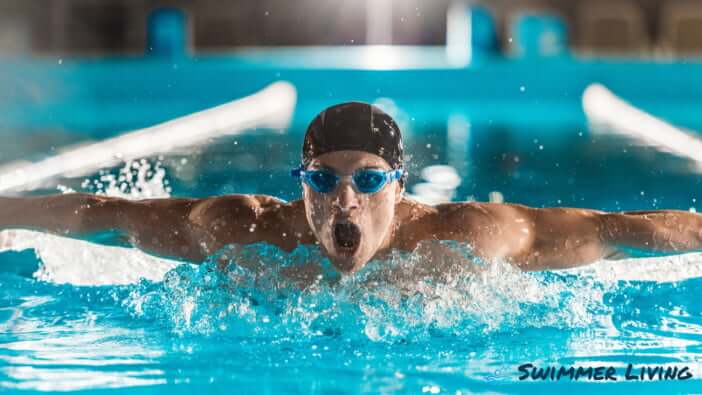
Open water breathing demands skills you simply can’t develop in a calm pool environment. The unpredictable nature of waves, wind, and water conditions requires adaptable breathing techniques that keep you moving forward efficiently.
Practice Bilateral Breathing in Pool Sessions
Bilateral breathing gives you flexibility when waves or sun angle favor one side over the other. Train with both left and right-side breathing patterns during every pool session to build muscle memory. You’ll thank yourself when choppy conditions force you to switch sides mid-swim.
Develop Rhythmic Breathing Patterns for Choppy Waters
Choppy water disrupts your normal breathing rhythm and creates timing challenges. Practice breathing every third and fifth stroke to adapt when waves interfere with your preferred pattern. Consistent rhythm training helps you maintain oxygen flow even when surface conditions become unpredictable.
Train Sighting While Maintaining Proper Breathing
Sighting breaks your breathing rhythm and can leave you gasping if poorly timed. Practice lifting your head to sight during your exhale phase to maintain steady oxygen intake. Coordinate sighting with every sixth or eighth stroke to establish a sustainable pattern that won’t leave you breathless.
Build Endurance Through Progressive Distance Training
Progressive distance training forms the backbone of successful open water swimming preparation. Unlike pool training where you can rely on wall pushes and turns for micro-recoveries, open water demands sustained cardiovascular fitness that can only be built through systematic distance progression.
Start With Base Building Workouts
Base building workouts establish your aerobic foundation through consistent, moderate-intensity swimming. You’ll want to maintain 60-70% of your maximum heart rate during these sessions, focusing on smooth stroke mechanics rather than speed. Start with distances 25% shorter than your target race distance and gradually increase weekly volume by 10% to avoid overtraining injuries.
Incorporate Tempo and Threshold Sets
Tempo and threshold sets develop your lactate threshold, allowing you to swim faster for longer periods. These workouts involve swimming at 80-85% effort for intervals of 400-800 meters with short recovery periods. You’ll build the metabolic efficiency needed to handle pace changes during open water races when currents shift or competitors surge ahead.
Practice Long Continuous Swims
Long continuous swims simulate actual open water conditions where you can’t stop or rest against pool walls. Schedule weekly sessions that gradually approach 80% of your target distance, maintaining steady pacing throughout. These swims develop the mental toughness and physical endurance required when fatigue sets in during the final third of your open water event.
Develop Navigation Skills and Sighting Techniques
Open water swimming demands constant awareness of your position and direction. Unlike pool swimming where black lines guide your path, open water requires active navigation skills to stay on course and reach your destination efficiently.
Learn Efficient Head Lifting Methods
Lift your head during your normal stroke rhythm to minimize disruption. Time your sighting with your breathing pattern by raising your eyes just above the waterline during your pull phase. Keep your lift minimal – you only need to see above the waves, not your entire head above water.
Practice Swimming in Straight Lines
Close your eyes during pool sessions to develop directional awareness. Swim 25-yard intervals without looking at lane lines to train your body’s natural navigation instincts. Focus on maintaining equal stroke count and pressure on both sides to prevent veering left or right in open water.
Use Landmarks and Natural Navigation Points
Identify multiple reference points before entering the water. Choose large, stationary objects like buildings, towers, or distinctive shoreline features that remain visible from water level. Create backup landmarks since your primary target may become obscured by waves, sun glare, or other swimmers during your swim.
Acclimatize to Cold Water Temperatures Gradually
Cold water shock remains one of the biggest challenges for open water swimmers, even those who’ve mastered pool techniques. Your body’s physiological response to cold water can dramatically impact your breathing, stroke rate, and overall performance if you don’t prepare properly.
Start With Shorter Cold Water Exposures
Begin with 5-10 minute cold water sessions to allow your body’s shock response to adapt gradually. You’ll experience an initial gasping reflex and elevated heart rate during your first exposures. Increase your time by 2-3 minutes each session until you can comfortably swim for your target duration without distress.
Build Mental and Physical Cold Water Tolerance
Practice controlled breathing exercises in cold water to manage your body’s panic response effectively. Your peripheral blood vessels will constrict and muscle efficiency will decrease initially. Focus on maintaining steady stroke mechanics while your body adapts to the temperature change over multiple sessions.
Use Proper Wetsuit Fitting and Selection
Choose a wetsuit that fits snugly without restricting your stroke mechanics or breathing patterns. A poorly fitted wetsuit can cause chafing, limit range of motion, or allow cold water to flush through. Test different thickness options based on your local water temperatures and personal cold tolerance levels.
Practice Mass Start and Crowded Swimming Scenarios
Open water races start with hundreds of swimmers packed together, creating chaos that can overwhelm even experienced pool swimmers. You’ll need specific skills to navigate these crowded conditions safely and efficiently.
Train in Group Swimming Situations
Swimming alongside other people requires different skills than solo training sessions. Practice swimming in lanes with multiple swimmers to get comfortable with close proximity and varying speeds.
Join group swim sessions at your local pool or find open water training groups in your area. You’ll develop awareness of other swimmers’ movements and learn to maintain your rhythm despite distractions and contact.
Develop Defensive Swimming Techniques
Protecting yourself from aggressive swimmers becomes essential during mass starts and crowded race conditions. Keep your elbows slightly wider than normal to create a protective barrier around your stroke.
Practice swimming with your head up more frequently to monitor surrounding swimmers and potential hazards. Learn to modify your stroke timing to avoid collisions while maintaining forward momentum through congested areas.
Learn to Handle Physical Contact and Drafting
Physical contact happens constantly in open water races, from accidental kicks to intentional positioning moves. Practice swimming while someone lightly grabs your feet or bumps your shoulders to desensitize yourself to contact.
Master drafting techniques by swimming directly behind another swimmer’s feet, staying within 1-2 feet for maximum benefit. You’ll save up to 20% energy while learning to handle the turbulence and position changes that come with following other swimmers.
Strengthen Mental Resilience and Race Psychology
Your mind determines whether you’ll finish strong or struggle when physical fatigue sets in during long open water swims. Mental preparation transforms nervous energy into focused performance when race conditions challenge your comfort zone.
Visualize Race Day Scenarios and Challenges
Picture yourself swimming through choppy water with limited visibility while maintaining steady rhythm. Practice mental rehearsals of common race challenges like losing sight of buoys, swimming through boat wakes, or dealing with unexpected weather changes. Create detailed mental movies where you successfully navigate these situations using calm decision-making and technical adjustments you’ve practiced.
Practice Positive Self-Talk During Training
Replace negative thoughts with specific performance cues during challenging training sets. Develop personal mantras like “strong catch, smooth glide” or “breathe deep, swim long” that redirect focus from discomfort to technique. Practice these phrases during your hardest pool intervals so they become automatic responses when open water conditions test your resolve.
Develop Strategies for Overcoming Fear and Anxiety
Transform pre-race nerves into focused energy through structured breathing and progressive exposure. Start by swimming in slightly uncomfortable conditions like cooler water or reduced visibility to build confidence gradually. Use box breathing (4 counts in, hold 4, out 4, hold 4) before entering the water to activate your parasympathetic nervous system and maintain control.
Simulate Race Conditions in Training Sessions
You’ll discover that race day feels completely different when you’ve already experienced similar conditions during training. Creating realistic practice scenarios transforms nervous energy into confident execution.
Train at Similar Times and Weather Conditions
Schedule your training sessions at the same time as your target race. Early morning starts require different preparation than afternoon events. Your body temperature, energy levels, and mental focus shift dramatically throughout the day.
Practice in various weather conditions including wind, rain, and overcast skies. Choppy water from afternoon winds creates different sighting challenges than calm morning conditions.
Practice Feeding and Hydration Strategies
Test your nutrition plan during long training swims to avoid race day surprises. Practice consuming gels, sports drinks, or solid foods while treading water in open conditions. Your stomach behaves differently in cold water and stressful situations.
Time your feeding intervals to match race aid station locations. Practice grabbing cups from volunteers or feeding from your support crew.
Rehearse Pre-Race and Post-Race Routines
Develop consistent warm-up and preparation rituals that calm your nerves and prime your body. Practice your exact pre-race sequence including wetsuit timing, final nutrition, and mental preparation techniques. Familiarity reduces anxiety when surrounded by hundreds of other competitors.
Rehearse your post-swim recovery routine including immediate refueling and gradual cool-down procedures.
Conclusion
Open water swimming demands a comprehensive approach that goes far beyond pool-based training. By implementing these seven strategies you’ll develop the specific skills needed to thrive in unpredictable aquatic environments.
Your success depends on consistent practice and gradual progression. Start with one or two strategies that align with your current weaknesses then systematically incorporate the others into your training routine.
Remember that open water swimming is as much a mental challenge as it is physical. The confidence you build through proper preparation will translate directly into improved performance when you’re facing real race conditions.
Take action today by identifying which strategy you’ll implement first. Your future self will thank you when you’re confidently navigating your next open water event with the skills and mental toughness these training methods provide.
Frequently Asked Questions
What makes open water swimming different from pool swimming?
Open water swimming involves unpredictable conditions like currents, waves, and temperature variations that don’t exist in pools. Swimmers must navigate without lane lines, handle mass starts with crowded conditions, and adapt to changing weather. Unlike pools with clear visibility and controlled environments, open water requires enhanced sighting skills, mental toughness, and the ability to swim in straight lines without visual guidance.
How should I adapt my breathing technique for open water swimming?
Practice bilateral breathing to switch sides in choppy conditions, and develop rhythmic patterns like breathing every third or fifth stroke. Coordinate sighting with your exhale phase to avoid gasping for air. Train these techniques in the pool first to build muscle memory, then gradually apply them in open water conditions to maintain steady oxygen flow despite waves and turbulence.
What’s the best way to build endurance for open water events?
Focus on progressive distance training with base-building workouts at 60-70% maximum heart rate. Incorporate tempo and threshold sets to improve lactate threshold and metabolic efficiency. Practice long continuous swims to simulate race conditions and develop mental toughness. Gradually increase weekly distance while maintaining proper form to build the aerobic foundation necessary for open water success.
How can I improve my navigation and sighting skills?
Practice efficient head lifting techniques that minimize stroke disruption during pool sessions. Train swimming in straight lines by closing your eyes periodically. Before entering open water, identify large, stationary landmarks and create backup navigation points. Practice lifting your head during the exhale phase and maintain constant awareness of your position relative to your intended course.
How do I prepare for cold water swimming?
Start with short 5-10 minute cold water exposures and gradually increase duration. Practice controlled breathing exercises in cold conditions to manage panic responses. Select a properly fitted wetsuit based on local water temperatures and test different thickness options. Focus on maintaining steady stroke mechanics despite the cold, and allow your body to adapt progressively over time.
What should I know about mass starts and crowded swimming?
Train in group swimming situations to get comfortable with close proximity and varying speeds. Join local swim groups to practice awareness of other swimmers’ movements. Develop defensive swimming techniques with wider elbow positioning and frequent head lifting. Learn to handle physical contact gracefully and master drafting techniques to conserve energy while navigating crowded race conditions.
How can I build mental toughness for open water swimming?
Visualize race day scenarios including choppy water and weather changes. Practice positive self-talk during training to replace negative thoughts with performance cues. Use structured breathing techniques like box breathing to manage anxiety. Gradually expose yourself to uncomfortable conditions and develop strategies to overcome fear through progressive training and mental preparation techniques.
Should I practice race conditions during training?
Yes, simulate race conditions by training at similar times and in various weather conditions. Practice feeding and hydration strategies during long swims, timing intervals to match aid station locations. Rehearse pre-race and post-race routines to reduce anxiety. Train in conditions that mimic your target race environment to transform nervous energy into confident execution on race day.