8 Ways How to Maintain Pool Temperature in Winter That Cut Costs
Keep your pool warm all winter with heaters, covers, and insulation. Learn cost-effective strategies to maintain 78-82°F temperatures while reducing energy costs by up to 70%.
Winter doesn’t have to mean saying goodbye to your pool. You can keep swimming year-round with the right temperature maintenance strategies that’ll transform your backyard oasis into a warm winter retreat.
The bottom line: Maintaining optimal pool temperature during colder months requires strategic planning and the right equipment investment. From pool heaters and covers to insulation techniques you’ll discover practical solutions that keep your water comfortable while managing energy costs effectively.
Your pool’s winter performance depends on choosing methods that match your climate budget and swimming habits.
Disclosure: As an Amazon Associate, this site earns from qualifying purchases. Thank you!
Understanding Winter Pool Temperature Challenges
Your pool faces three major heat loss challenges during winter months that can dramatically impact your heating costs and swimming comfort.
Heat Loss Through Evaporation
Evaporation accounts for 70% of your pool’s heat loss during winter months. Every gallon of water that evaporates removes approximately 1,048 BTUs of heat from your pool.
Cold air accelerates this process since it holds less moisture than warm air. You’ll notice your pool losing 2-3 degrees overnight on particularly dry winter days.
Impact of Cold Air and Wind
Wind multiplies heat loss by creating a convection effect across your pool’s surface. A 10 mph wind can increase heat loss by up to 300% compared to still air conditions.
Cold air temperatures below 50°F create a significant temperature differential. Your heater works overtime fighting this constant thermal exchange between water and atmosphere.
Ground Temperature Effects
Ground temperatures drop to 35-45°F in most climates during winter months. This creates continuous heat loss through your pool’s floor and walls into the surrounding soil.
Concrete pools lose more heat through conduction than vinyl or fiberglass pools. You’re essentially heating the ground around your pool in addition to the water itself.
Investing in a High-Quality Pool Heater
Heat 5 gallons of water in minutes with this 1500W immersion heater. It features a stainless steel cover for safety and intelligent temperature control with automatic shut-off at 165°F.
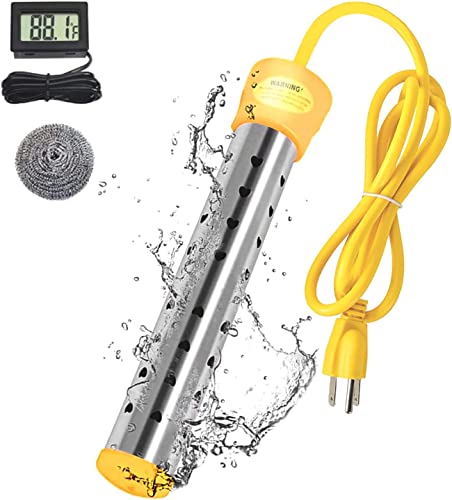

The right pool heater transforms winter swimming from an uncomfortable ordeal into an enjoyable experience. Your heater choice will determine both your comfort level and operating costs throughout the cold months.
Gas Pool Heaters for Quick Heating
Gas heaters deliver the fastest temperature increases when you need immediate pool warming. They’ll heat your pool 1-2 degrees per hour regardless of outside temperature, making them perfect for weekend swimming or unexpected cold snaps. Natural gas units cost less to operate than propane, but both provide reliable heating when solar and heat pumps struggle.
Electric Heat Pumps for Energy Efficiency
Stay comfortable year-round with the BLACK+DECKER Smart Portable Air Conditioner. This 14,000 BTU AC and 10,000 BTU heater cools or heats rooms up to 700 sq. ft. and features convenient app and voice control.

Heat pumps extract warmth from ambient air and transfer it to your pool water with impressive efficiency. They operate at 300-500% efficiency compared to traditional electric heaters, cutting your heating costs significantly. However, they lose effectiveness when temperatures drop below 50°F, requiring backup heating methods during the coldest winter periods.
Solar Pool Heaters for Eco-Friendly Options
Solar systems harness free energy from the sun to maintain comfortable swimming temperatures without ongoing fuel costs. They work best in sunny climates where winter temperatures stay above 40°F consistently. You’ll need adequate roof space and southern exposure to maximize their effectiveness, but they can extend your swimming season by 2-3 months.
Installing a Pool Cover System
Keep your rectangular Intex pool clean and protected with this durable cover. Designed for 103" x 69" or 120" x 72" pools, it helps prevent debris from entering the water.

Pool covers deliver the most significant impact on winter heat retention of any single investment you’ll make. They work by creating a barrier that prevents the evaporation responsible for 70% of your pool’s heat loss.
Solar Pool Covers for Heat Retention
Solar pool covers trap heat during sunny days while preventing overnight heat loss through evaporation. These bubble-wrap-style covers can raise your pool temperature by 8-10 degrees Fahrenheit during peak sun hours. You’ll cut heating costs by 50-70% while extending your swimming season by several weeks in mild winter climates.
Automatic Pool Covers for Convenience
Protect your 18 ft round above ground pool from debris and harsh weather with this durable mesh cover. It features UV resistance, heat-sealed seams, and includes a cable and winch for easy, secure installation.

Automatic pool covers provide superior insulation with R-values up to 12 compared to solar covers’ R-3 rating. They’ll reduce heat loss by up to 95% when properly sealed around pool edges. The convenience factor ensures you’ll actually use the cover daily since deployment takes just 30 seconds with the push of a button.
Liquid Pool Covers as Alternative Solutions
Save water, chemicals, and energy with Aqua Blanket. This liquid pool cover reduces evaporation by up to 40% and helps retain heat, extending your swimming season.

Liquid pool covers create an invisible molecular layer that reduces evaporation by 40-50% without affecting water chemistry or swimming experience. You’ll add one ounce per 500 square feet weekly for continuous protection. They’re particularly effective for irregularly shaped pools where traditional covers don’t fit properly or for heated spas used frequently.
Utilizing Pool Enclosures and Windbreaks
Enjoy beach days more with this windscreen! It blocks blowing sand and chilly breezes, creating a comfortable space. Includes a convenient carry bag.

Pool enclosures and strategic wind barriers work together to create a microclimate that dramatically reduces your winter heating costs. These physical barriers tackle two major heat loss culprits: wind chill and air circulation that accelerates evaporation.
Temporary Pool Enclosures
Temporary enclosures offer flexible winter protection without permanent installation costs. Air-supported dome structures can raise pool temperatures by 10-15 degrees and reduce heating costs by 60%. Retractable enclosures provide year-round versatility, allowing you to open during mild weather while maintaining protection during cold snaps.
Permanent Structure Benefits
Permanent pool houses deliver superior insulation and long-term energy savings. Fixed enclosures maintain consistent temperatures within 5 degrees of your target, even during harsh winter conditions. These structures typically pay for themselves within 3-5 years through reduced heating bills and extended swimming seasons.
Strategic Landscaping for Wind Protection
Strategic windbreaks reduce heat loss by blocking cold air circulation around your pool area. Evergreen hedges planted 10-15 feet from your pool can cut wind speed by 50% without blocking beneficial sunlight. Privacy fencing or decorative screens positioned on prevailing wind sides create effective barriers while enhancing your outdoor space aesthetics.
Optimizing Your Pool’s Circulation System
Your pool’s circulation system becomes your best ally for maintaining winter temperatures when properly configured. Strategic pump operation and flow adjustments can significantly reduce heating costs while ensuring consistent warmth distribution.
Running Pool Pumps During Coldest Hours
Run your pool pump during the coldest nighttime hours to maximize heat retention. Moving water resists freezing and distributes heated water throughout your pool more effectively than stagnant water. Schedule pump operation from midnight to 6 AM when temperatures drop most dramatically.
Adjusting Water Flow Rates
Reduce flow rates by 25-30% during winter months to minimize heat loss through circulation. Slower water movement allows heated water more time to absorb and retain thermal energy before returning to your heater. Balance reduced flow with adequate filtration by extending runtime rather than increasing speed.
Maintaining Proper Equipment Function
Clean your pump basket and skimmer weekly to prevent reduced circulation efficiency. Debris buildup forces your system to work harder and can create cold spots where heated water can’t reach effectively. Check your pool’s return jets monthly to ensure they’re directing warm water downward for optimal heat distribution.
Implementing Insulation Strategies
Strategic insulation creates a thermal barrier that significantly reduces heat loss from your pool’s structure. You’ll save substantial money on heating costs while maintaining consistent water temperatures throughout winter.
Pool Deck Insulation Options
Rigid foam insulation beneath your pool deck reduces ground heat transfer by 40-60%. Install 2-inch thick extruded polystyrene boards around your pool’s perimeter before pouring concrete. Reflective deck coatings bounce heat back into your pool area while reducing surface temperatures by 15-20 degrees on sunny days.
Underground Pipe Insulation
Closed-cell foam pipe insulation prevents heat loss in buried plumbing lines that can waste 10-15% of your heating energy. Wrap all underground pipes with foam sleeves rated for direct burial. Heat trace cables paired with insulation maintain consistent temperatures in exposed sections and prevent freeze damage in extreme cold.
Pool Wall Insulation Techniques
Spray foam insulation applied to pool walls during construction provides R-15 to R-20 thermal resistance. Retrofit existing pools with rigid foam panels attached to exterior walls and covered with protective coating. Insulated pool blankets designed for vertical surfaces reduce heat loss through above-ground pool walls by 30-40% during winter months.
Managing Pool Water Chemistry in Cold Weather
Cold weather creates unique challenges for maintaining proper water chemistry, requiring different approaches than summer pool maintenance. Understanding these winter-specific chemistry needs helps prevent equipment damage and ensures your heated pool remains safe and comfortable.
Balancing pH Levels in Winter
Winter weather causes pH levels to drift higher due to reduced bather load and chemical consumption. You’ll need to test pH levels twice weekly during cold months, as ideal winter pH ranges from 7.2-7.4. Lower temperatures slow down chemical reactions, requiring 25-30% more muriatic acid to achieve the same pH adjustments you’d make in summer.
Adjusting Sanitizer Levels
Chlorine dissipates more slowly in cold water, requiring reduced sanitizer additions to maintain 1-3 ppm free chlorine. You’ll typically need 40-50% less chlorine during winter months compared to summer usage. Test sanitizer levels every 3-4 days instead of daily, as cold temperatures extend chlorine’s effectiveness and reduce consumption rates.
Preventing Algae Growth in Heated Pools
Heated pools create ideal conditions for algae growth even in winter, especially with reduced circulation and sunlight exposure. Maintain consistent chlorine levels and run your circulation system 8-10 hours daily to prevent algae formation. Brush pool walls weekly and shock treat monthly with calcium hypochlorite to eliminate algae spores before they can establish colonies.
Combining Multiple Heating Methods
Stacking different heating systems creates redundancy and maximizes efficiency during harsh winter conditions. You’ll achieve better temperature control while reducing overall operating costs.
Layering Heat Sources for Maximum Efficiency
Heat pumps paired with gas heaters deliver optimal performance across temperature ranges. The heat pump handles mild weather efficiently while the gas unit kicks in during extreme cold snaps.
Solar covers combined with any primary heater reduce energy consumption by 40-60%. This layered approach maintains consistent temperatures even during cloudy periods or equipment maintenance.
Cost-Effective Heating Combinations
Solar heating with electric heat pump backup provides year-round reliability at minimal cost. You’ll save 70-80% on heating bills while maintaining comfortable swimming temperatures.
Pool covers plus circulation optimization requires zero additional equipment investment. Running pumps strategically with quality covers cuts heating costs by 50-65% immediately.
Backup System Considerations
Gas heaters serve as excellent backup systems for heat pump failures during winter storms. You’ll maintain pool temperatures within 24 hours even when primary systems go offline.
Portable electric heaters provide emergency heating for smaller pools or spas. Keep backup circulation pumps available since frozen pipes can disable entire heating systems overnight.
Monitoring and Controlling Energy Costs
Smart cost management transforms winter pool heating from a budget-buster into a controlled expense. Your energy bills don’t have to skyrocket just because temperatures drop.
Setting Optimal Temperature Ranges
Setting your pool temperature between 78-82°F maximizes comfort while controlling costs. Each degree above 82°F increases heating expenses by 10-15%. You’ll save $200-400 monthly by maintaining 80°F instead of 85°F during winter months.
Using Pool Timers and Thermostats
Pool timers reduce energy consumption by 30-40% when programmed correctly. Set your heater to run during off-peak electricity hours (typically 10 PM to 6 AM). Smart thermostats automatically adjust temperatures based on usage patterns and weather forecasts.
Calculating Heating Expenses
Track your heating costs using a simple formula: BTU output × hours run × fuel cost per BTU. Gas heaters typically cost $5-8 per hour to operate, while heat pumps cost $2-4 per hour. Monitor monthly usage to identify efficiency improvements and budget accurately.
Conclusion
Maintaining your pool’s temperature during winter doesn’t have to drain your wallet or overwhelm your schedule. With the right combination of heating systems covers and insulation strategies you’ll transform cold-weather swimming from an expensive luxury into an affordable year-round pleasure.
Remember that every pool situation is unique. Your climate budget and swimming frequency will determine which methods work best for you. Start with the most cost-effective solutions like pool covers and circulation optimization before investing in major equipment upgrades.
The key to success lies in layering multiple approaches rather than relying on a single solution. When you combine efficient heating with proper insulation and smart energy management you’ll enjoy comfortable swimming temperatures while keeping costs under control throughout the winter months.
Frequently Asked Questions
What are the main causes of heat loss in swimming pools during winter?
The three major causes of winter pool heat loss are evaporation (accounting for 70% of total heat loss), cold air and wind exposure, and ground temperature effects. Evaporation occurs when warm pool water meets cold air, while wind accelerates this process. Additionally, cooler ground temperatures create continuous heat loss through the pool’s structure, making these factors crucial to address for effective winter heating.
Which type of pool heater is best for winter swimming?
The best heater depends on your specific needs. Gas heaters are ideal for quick heating (1-2 degrees per hour) during sudden cold snaps. Electric heat pumps offer superior energy efficiency at 300-500% efficiency but may need backup in extreme cold. Solar heaters work well in sunny climates and can extend swimming seasons by 2-3 months while being eco-friendly.
How much can pool covers reduce heating costs?
Pool covers can significantly reduce heating costs by 50-70% when used properly. Solar covers can raise pool temperatures by 8-10 degrees Fahrenheit on sunny days, while automatic covers reduce heat loss by up to 95% when properly sealed. Even liquid covers reduce evaporation by 40-50%, making them effective for irregularly shaped pools.
Do pool enclosures really help with winter heating costs?
Yes, pool enclosures dramatically reduce heating costs. Temporary air-supported dome structures can raise pool temperatures by 10-15 degrees and reduce heating costs by 60%. Permanent structures like pool houses offer superior insulation, maintaining temperatures within 5 degrees of target settings, and typically pay for themselves within 3-5 years through reduced heating bills.
How should I adjust my pool’s circulation system for winter?
Run your pool pump during the coldest nighttime hours to maximize heat retention, as moving water resists freezing and distributes heated water effectively. Reduce flow rates by 25-30% during winter to minimize heat loss and allow heated water to retain thermal energy longer. Maintain equipment regularly by cleaning pump baskets and skimmers.
What insulation strategies work best for winter pool heating?
Effective insulation strategies include installing rigid foam insulation beneath pool decks (reducing ground heat transfer by 40-60%), insulating underground pipes, and adding pool wall insulation. Spray foam insulation and rigid foam panels can reduce heat loss through above-ground walls by 30-40% during winter months, creating thermal barriers that significantly reduce heating costs.
How does winter affect pool water chemistry maintenance?
Winter pool chemistry requires different approaches than summer. Test pH levels twice weekly as cold weather causes pH to drift higher, potentially requiring 25-30% more muriatic acid. Reduce chlorine additions by 40-50% since chlorine dissipates slower in cold water. Maintain consistent sanitizer levels and run circulation 8-10 hours daily to prevent algae growth.
What’s the most cost-effective approach to winter pool heating?
Combining multiple heating methods maximizes efficiency and reduces costs. Layer heat sources like pairing heat pumps with gas heaters for optimal performance across varying temperatures. Use solar covers with primary heaters to lower energy consumption. Set temperatures between 78-82°F, as each degree above 82°F increases heating costs by 10-15%. Install timers and smart thermostats for 30-40% energy savings.