7 Unique Pool Design Ideas for Natural Aesthetics That Transform Backyards
Discover 7 stunning natural pool designs that transform backyards into eco-friendly oases. From infinity pools to grottos, create your perfect aquatic retreat.
Why it matters: Your backyard pool doesn’t have to look like every other cookie-cutter rectangle – natural pool designs create stunning outdoor spaces that blend seamlessly with your landscape while providing the same refreshing experience.
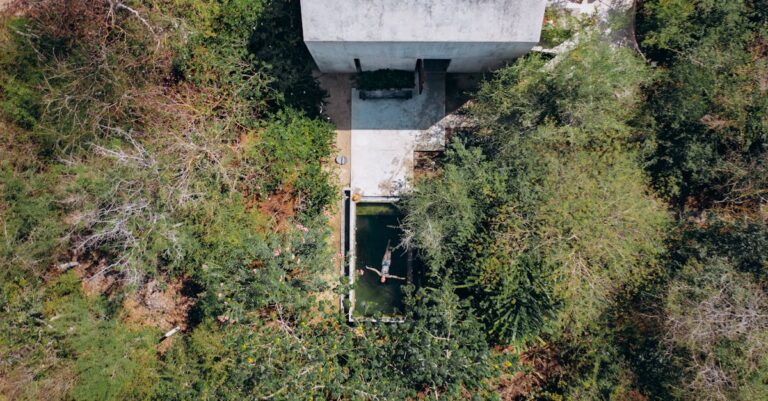
What’s happening: More homeowners are ditching traditional chlorinated pools for designs that mimic natural water features like lagoons ponds and mountain springs using organic shapes native plants and eco-friendly materials.
The bottom line: These seven innovative pool concepts will transform your outdoor space into a natural oasis that feels more like a private retreat than a typical suburban amenity.
Disclosure: As an Amazon Associate, this site earns from qualifying purchases. Thank you!
Natural Rock Swimming Pools That Blend With Your Landscape
Rock swimming pools transform your backyard into a natural oasis that looks like it’s been carved by centuries of flowing water. These designs use authentic stone formations to create swimming areas that appear as natural extensions of your existing landscape.
Incorporating Boulder Formations and Stone Crevices
Strategic boulder placement creates natural swimming zones that feel like mountain pools. You’ll want to position larger rocks around the pool’s perimeter while using smaller stones to form intimate crevices and shallow areas. These formations provide natural seating areas and create the illusion of a spring-fed swimming hole.
Selecting Native Rock Types for Authentic Appeal
Choose stones that naturally occur in your region for the most convincing results. Limestone works beautifully in desert climates, while granite suits mountain settings perfectly. Sandstone provides warm earth tones for Southwestern landscapes, and fieldstone creates rustic charm in woodland environments.
Creating Multi-Level Rock Formations for Visual Interest
Layer rocks at varying heights to mimic natural geological formations found in canyons and riverbeds. Start with foundation boulders, then add medium-sized stones to create terraced levels. Finish with smaller accent rocks that fill gaps and create natural-looking transitions between different elevation zones.
Infinity Pools That Merge With Natural Horizons
Infinity pools create the ultimate illusion of water extending endlessly into the landscape. They’re the perfect bridge between your backyard oasis and the natural world beyond.
Designing Vanishing Edges That Frame Scenic Views
You’ll want to position your infinity edge to capture the most dramatic vista from your property. The vanishing edge works best when it aligns with distant mountains, valleys, or tree lines that create natural depth. Install the overflow system 2-3 inches below the pool’s main water level to maintain that seamless visual flow into the horizon.
Integrating Water Features That Mimic Natural Waterfalls
Natural waterfall features enhance your infinity pool’s organic appeal by mimicking mountain streams cascading into lakes. You can incorporate stacked stone formations with gentle water flows that spill into your pool’s infinity edge. Position these features to create multiple water entry points that mirror how water naturally flows downhill through rocky terrain.
Positioning Pools to Maximize Landscape Integration
Your infinity pool’s placement determines how well it blends with existing topography and vegetation. Site the pool on elevated ground where the infinity edge can showcase downhill views while maintaining privacy from neighboring properties. Consider seasonal changes in vegetation and sun patterns to ensure year-round visual harmony with your landscape’s natural rhythms.
Beach Entry Pools With Organic Sand Transitions
Beach entry pools bring the gentle embrace of natural shorelines to your backyard, creating a seamless transition from deck to water that mimics coastal environments. You’ll experience the same gradual immersion that makes ocean beaches so inviting.
Creating Gradual Slopes That Replicate Natural Shorelines
Designing your beach entry requires a 1:10 slope ratio to achieve that authentic shoreline feel. You’ll want the entry to extend 8-12 feet from the pool edge, allowing for comfortable walking and natural water play areas. This gentle gradient creates perfect shallow zones for children while maintaining the organic flow of natural beaches.
Selecting Natural Sand and Pebble Materials
Choosing decomposed granite or natural river sand creates the most authentic beach entry surface. You’ll find that pea gravel mixed with coarse sand provides excellent traction while maintaining that soft, natural texture underfoot. Avoid manufactured materials – natural aggregates weather beautifully and develop the patina that makes shorelines so appealing.
Adding Native Plants Along the Water’s Edge
Strategic placement of ornamental grasses and water-loving perennials enhances your beach entry’s natural appeal. You’ll create authentic transitions by selecting plants that naturally grow near water sources in your region. Consider sedges, native rushes, and low-growing groundcovers that can handle occasional splashing while softening the pool’s edges.
Natural Swimming Pools With Integrated Biological Filtration
Natural swimming pools revolutionize traditional pool design by mimicking complete aquatic ecosystems. You’ll experience crystal-clear water maintained through living biological systems rather than harsh chemicals.
Designing Regeneration Zones With Aquatic Plants
Create separate regeneration zones covering 30-50% of your total pool area using shallow planted sections. Install native aquatic plants like cattails, water lilies, and submerged hornwort in gravel beds that naturally filter nutrients. Position these biological zones at one end or wrap them around swimming areas for maximum filtration efficiency.
Balancing Swimming Areas With Natural Ecosystem Elements
Divide your pool into distinct swimming and regeneration zones using underwater walls or natural stone barriers. Maintain swimming depths of 4-8 feet while keeping plant zones at 1-3 feet deep for optimal biological activity. Install circulation systems that move water between zones every 6-8 hours to ensure complete natural filtration.
Maintaining Water Quality Through Biological Processes
Beneficial bacteria colonies in gravel substrates break down organic waste while aquatic plants absorb excess nutrients that cause algae growth. Monitor pH levels monthly and add beneficial microorganisms seasonally to maintain biological balance. Your natural system typically achieves water clarity within 6-12 months as the ecosystem fully establishes.
Free-Form Pools That Follow Natural Terrain Contours
Free-form pools embrace your property’s natural topography instead of fighting against it. You’ll create a swimming experience that feels like discovering a hidden mountain lake or secluded lagoon.
Adapting Pool Shapes to Existing Landscape Features
Your pool’s outline should mirror the organic curves found in nature’s water bodies. Work around existing rock outcroppings by incorporating them as natural diving platforms or seating areas. Follow the natural flow of your yard’s contours, creating kidney-shaped or irregular perimeters that complement hills, valleys, and existing grade changes rather than requiring extensive excavation.
Working With Slopes and Natural Drainage Patterns
Slopes become your greatest design asset when you position pools to work with gravity’s natural flow. Place your pool at the slope’s base to collect natural runoff, reducing the need for complex drainage systems. Use terraced retaining walls with native stone to create multiple pool levels that step down the hillside, transforming challenging terrain into stunning water features.
Integrating Existing Trees and Vegetation Into the Design
Mature trees become living architecture when you design around their root systems and canopies. Position your pool’s edge to curve around established root zones, maintaining 10-15 feet of clearance to protect both tree health and pool structure. Create planted peninsulas that extend into the water, allowing native shrubs and ornamental grasses to soften the transition between land and water.
Lagoon-Style Pools With Tropical Plant Surroundings
Lagoon-style pools transform your backyard into a tropical paradise that feels like you’ve discovered a hidden oasis in the Caribbean. These designs capture the wild beauty of natural lagoons through carefully crafted curves and strategic plant placement.
Creating Curved Edges That Mimic Natural Water Bodies
Natural lagoons never follow straight lines, and your pool shouldn’t either. Design flowing S-curves and organic kidney shapes that wind around existing landscape features like a river carving through stone.
You’ll want to avoid geometric angles entirely, instead creating gentle undulations that make swimmers feel they’re floating in a secluded cove. Strategic indentations along the pool’s perimeter create intimate alcoves perfect for quiet relaxation.
Selecting Lush Tropical Plants for Authentic Ambiance
Choose plants that thrive in your climate while delivering that jungle atmosphere you’re after. Bird of paradise, elephant ears, and hibiscus create dramatic focal points around your lagoon’s edges.
Layer different plant heights for authentic depth – tall palms for canopy coverage, medium ferns for middle ground, and ground-hugging bromeliads for texture. You’ll create microclimates that support diverse plantings while maintaining that lush tropical feel year-round.
Adding Natural Stone Accents and Weathered Wood Elements
Incorporate weathered limestone or sandstone boulders as natural seating areas and visual anchors around your lagoon. These stones should look like they’ve been shaped by centuries of water flow.
Driftwood pieces and teak accents complete the tropical aesthetic while providing functional elements like pool decking or planters. Position these materials to create natural pathways that guide guests around your lagoon’s perimeter organically.
Grotto Pools With Cave-Like Features and Natural Lighting
Grotto pools create an extraordinary swimming experience that transports you into a secluded underground oasis. These cave-inspired designs offer complete privacy while delivering the mystique of natural springs found in limestone caverns.
Constructing Stone Overhangs and Sheltered Swimming Areas
Stone overhangs require reinforced concrete structures covered with natural rock veneers to support overhead weight safely. You’ll need cantilevered beams extending 6-8 feet from pool walls, creating dramatic cave-like entries that shelter swimmers from direct sunlight. Position these overhangs over deeper water sections (8+ feet) to allow safe diving underneath.
Incorporating Natural Lighting Through Strategic Openings
Strategic openings above grotto pools create stunning light effects that shift throughout the day like natural cave systems. You’ll achieve optimal lighting by positioning 3-4 foot openings at varying heights, allowing filtered sunlight to penetrate water surfaces at different angles. Install underwater LED systems as backup lighting for evening swimming and enhanced safety.
Adding Water Features That Echo Through Natural Acoustics
Water features in grotto pools amplify sound naturally through enclosed stone surfaces, creating mesmerizing acoustic experiences. You’ll enhance this effect by installing cascading waterfalls that flow over textured rock faces, producing gentle echoes that mask outside noise. Position water jets at different heights to create layered sound patterns that mimic underground springs.
Conclusion
These seven natural pool designs offer you endless possibilities to create your own backyard sanctuary. Whether you’re drawn to the dramatic appeal of grotto pools or the gentle tranquility of beach entries you’ll find a style that perfectly complements your landscape and lifestyle.
Remember that successful natural pool design isn’t just about aesthetics—it’s about creating a harmonious balance between functionality and environmental integration. By choosing designs that work with your property’s existing features you’ll achieve a more authentic and sustainable result.
Your investment in natural pool design will reward you with years of enjoyment while adding significant value to your property. Start planning your transformation today and discover how these innovative concepts can turn your outdoor space into the natural oasis you’ve always envisioned.
Frequently Asked Questions
What are natural pools and how do they differ from traditional pools?
Natural pools are swimming areas designed to mimic natural water features like lagoons and mountain springs. Unlike traditional chlorinated pools, they use organic shapes, native plants, and eco-friendly materials. They often incorporate biological filtration systems instead of harsh chemicals, creating a more environmentally friendly and visually appealing swimming experience that blends seamlessly with the landscape.
How do natural rock swimming pools enhance my backyard landscape?
Natural rock swimming pools use authentic stone formations and strategic boulder placement to create swimming areas that feel like natural extensions of your environment. They enhance aesthetic appeal by resembling areas shaped by flowing water, using native rock types for authenticity, and creating multi-level formations that provide both visual interest and functional spaces for relaxation.
What makes infinity pools special for natural pool designs?
Infinity pools create the illusion of water extending endlessly into the landscape, serving as a bridge between your backyard and the natural world. The vanishing edge captures dramatic views, while the overflow system is positioned slightly below the main water level for seamless visual effects. They can also incorporate natural waterfall features that mimic mountain streams.
What are the design requirements for beach entry pools?
Beach entry pools require a gradual 1:10 slope ratio and an entry extending 8-12 feet from the pool edge to achieve an authentic shoreline feel. Natural materials like decomposed granite and river sand are recommended for the surface, while native plants strategically placed along the water’s edge enhance the natural appeal and create a seamless transition from deck to water.
How do natural swimming pools maintain water quality without chemicals?
Natural swimming pools use integrated biological filtration systems that mimic complete aquatic ecosystems. They maintain crystal-clear water through regeneration zones covering 30-50% of the pool area with shallow planted sections of native aquatic plants. Beneficial bacteria and aquatic plants naturally filter nutrients, while proper pH monitoring ensures water clarity as the ecosystem establishes itself over time.
What are free-form pools and how do they work with existing landscape features?
Free-form pools embrace natural property contours, creating swimming experiences reminiscent of hidden mountain lakes. They adapt to existing landscape features by incorporating rock outcroppings as diving platforms, following yard contours, and working with slopes and drainage patterns. Mature trees can be integrated into the design, becoming part of the pool’s architecture while maintaining their health.
How can I create a tropical lagoon-style pool in my backyard?
Lagoon-style pools transform backyards into tropical paradises through flowing curves, gentle undulations, and strategic plant placement. Select lush tropical plants like bird of paradise and hibiscus for authentic ambiance. Incorporate natural stone accents and weathered wood elements while avoiding geometric angles. Create intimate spaces and pathways to enhance the overall tropical swimming experience.
What makes grotto pools unique and how are they constructed?
Grotto pools create extraordinary underground oasis experiences through stone overhangs that provide shelter and privacy. They incorporate natural lighting through strategic openings for stunning light effects and feature acoustic benefits where water sounds are amplified through enclosed stone surfaces. These elements combine to create an immersive sensory environment that’s both secluded and dramatic.