Natural Swimming Pool Ideas: 7 Eco-Friendly Designs
Discover 7 eco-friendly natural swimming pool options that eliminate chemicals, reduce maintenance, and create stunning backyard habitats. Transform your swimming experience naturally!
Dreaming of a backyard oasis that’s as kind to the planet as it is refreshing? Natural swimming pools offer a chemical-free alternative to traditional chlorine pools while creating stunning water features that blend seamlessly with your landscape.
From self-cleaning ecosystems that use plants as natural filters to converted ponds that embrace local wildlife, today’s eco-conscious homeowners have more sustainable swimming options than ever before. You’ll discover how these earth-friendly alternatives not only reduce your environmental footprint but can also decrease maintenance costs while providing a healthier swimming experience for you and your family.
Disclosure: As an Amazon Associate, this site earns from qualifying purchases. Thank you!
7 Natural Swimming Pool Options for Eco-Conscious Homeowners
- Living Pool Systems combine the best of natural and conventional pools. They use biological filtration principles but maintain a sleek, modern aesthetic with clearly defined swimming areas. The water remains crystal clear thanks to specialized underwater plants housed in separate filtration zones that aren’t visible in the main pool area.
- Regeneration Zone Pools feature dedicated plant areas comprising about 50% of the total pool surface. These vibrant zones contain aquatic plants that filter water naturally while creating stunning wetland habitats. Swimming areas remain distinct and open, allowing you to enjoy clean water while surrounded by beautiful native flora.
- Constructed Wetland Pools transform your backyard into a complete ecosystem. These pools blend swimming areas with extensive planted zones, creating a seamless transition between water and landscape. The entire system functions as a self-contained habitat, supporting beneficial insects, amphibians, and birds while naturally purifying your swimming water.
- Biotop Converter Systems let you transform existing conventional pools into natural ones. These retrofit solutions replace chemical systems with biological filtration while maintaining your pool’s original structure. You’ll benefit from healthier water without the massive investment of building an entirely new pool.
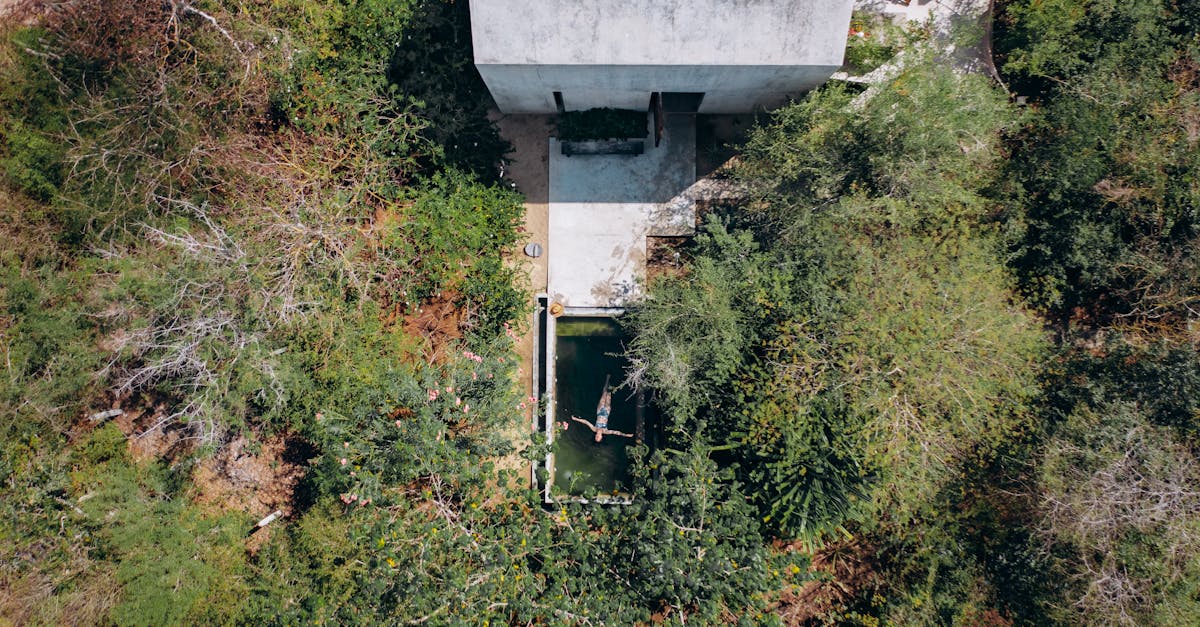
- Eco-Friendly Plunge Pools offer a compact natural swimming solution for smaller spaces. These deeper, smaller pools use minimal land area while incorporating natural filtration systems. Perfect for urban homeowners, they provide refreshing immersion in naturally cleansed water without requiring extensive yard space.
- Solar-Powered Natural Pools combine renewable energy with ecological filtration. These systems use solar panels to power circulation pumps and optional heating elements. The integration of sustainable energy makes these pools virtually carbon-neutral while maintaining effective water movement through biological filtering zones.
- DIY Natural Swimming Ponds offer an affordable entry point for hands-on homeowners. With careful planning and research, you can build a simple swimming pond using liner materials, selected aquatic plants, and basic circulation systems. These customizable projects let you create a natural swimming environment tailored to your specific landscape and budget constraints.
Traditional Natural Swimming Ponds: The Original Eco-Friendly Design
How Natural Ponds Work
Traditional natural swimming ponds operate on a simple yet ingenious principle: they mimic nature’s own filtration systems. These ponds divide the space into swimming and regeneration zones, with aquatic plants doing the heavy lifting of water purification. Beneficial bacteria break down organic matter while plants absorb nutrients, creating a self-sustaining ecosystem that maintains water clarity without chemicals.
Benefits of Traditional Pond Systems
Traditional pond systems offer remarkable ecological advantages over conventional pools. You’ll enjoy chemical-free swimming in a living ecosystem that supports local biodiversity while blending seamlessly with your landscape. These systems typically require 80% less energy than conventional pools, with minimal water replacement needed. Their naturalistic appearance creates a tranquil retreat that evolves beautifully through the seasons.
Living Pools: The Chemical-Free Alternative to Conventional Swimming Pools
Plant-Free Biological Filtration
Living pools utilize sophisticated biological filtration systems that work without visible plants. These systems employ beneficial bacteria housed in specialized filtration chambers to break down contaminants naturally. Unlike traditional pools, living pools use fine-grained filters and phosphate-binding minerals to maintain crystal-clear water without chlorine or other harsh chemicals.
Maintenance Requirements for Living Pools
Living pools require less intensive maintenance than conventional pools but need regular monitoring of biological parameters. You’ll need to clean skimmers weekly, vacuum the pool floor monthly, and check filter systems quarterly. The absence of chemicals means no irritated skin or red eyes, while automated systems can handle circulation and filtration with minimal intervention, saving you significant time and effort.
Regeneration Zone Pools: Balancing Swimming and Natural Filtration
Regeneration zone pools represent the perfect balance between natural filtration and dedicated swimming areas. These innovative designs divide your pool into two distinct sections: a swimming zone with deeper, clear water and a shallow planted area that naturally purifies the water.
Designing the Perfect Plant Zone
Your regeneration zone should comprise at least 50% of the total pool surface to ensure effective filtration. Select native aquatic plants like water lilies, rushes, and iris that thrive in your climate zone. Position oxygenating plants strategically at varying depths to maximize filtration efficiency and create visual interest throughout the seasons.
Wildlife Benefits of Regeneration Pools
Regeneration zones transform your pool into a thriving habitat that attracts beneficial wildlife. Dragonflies help control mosquito populations, while frogs and small birds visit for water and shelter. This natural ecosystem creates an ever-changing sanctuary in your backyard, allowing you to observe wildlife up close while enjoying a chemical-free swimming experience.
Stream and Waterfall Systems: Dynamic Natural Pool Options
For eco-conscious swimmers seeking a multi-sensory experience, stream and waterfall systems offer the perfect blend of nature and innovation. These dynamic features transform static pools into living waterscapes that engage all your senses.
Incorporating Moving Water into Your Pool Design
Stream and waterfall systems mimic natural water flow patterns, creating soothing sounds while providing essential aeration. You can design gentle cascades over natural stone formations or create meandering streams that connect different pool zones. These features don’t just enhance aesthetics—they improve water circulation and reduce stagnation, supporting healthier water quality without chemicals.
Energy Considerations for Pumps and Systems
Energy-efficient pumps are crucial for sustainable waterfall systems, with variable-speed models reducing electricity use by up to 75%. Solar-powered options eliminate traditional energy costs entirely while maintaining consistent water flow. You’ll benefit from setting timers to operate your system during daylight hours, maximizing solar gain while ensuring your waterfall runs when you’re most likely to enjoy it.
Natural Plunge Pools: Compact Eco-Swimming Solutions
Natural plunge pools offer an ideal solution for eco-conscious homeowners with limited space who still want to enjoy the benefits of natural swimming. These compact alternatives deliver the same chemical-free experience as larger natural pools while requiring significantly less square footage.
Space-Saving Design Elements
Natural plunge pools maximize limited areas through strategic design techniques. Vertical landscaping around pool edges creates depth without expanding footprint. Incorporating built-in seating along walls eliminates the need for additional deck space. Multi-functional elements like stepping stones that double as relaxation spots optimize every square inch while maintaining ecological integrity.
Temperature Regulation in Smaller Pools
Smaller natural plunge pools heat up and cool down more quickly than larger bodies of water. Installing a solar cover can maintain temperature during cooler months while reducing evaporation rates by up to 95%. Strategic positioning relative to sun exposure helps optimize natural heating cycles. For year-round use, consider pairing with small-scale solar heating systems that maintain comfortable temperatures without increasing your carbon footprint.
Converted Hot Springs: Utilizing Existing Natural Resources
Sustainable Heating Options
Converted hot springs offer nature’s own heating system, eliminating the need for energy-intensive heating equipment. You can supplement natural geothermal heat with solar thermal collectors to maintain ideal temperatures year-round. These systems typically reduce energy consumption by 60-75% compared to conventional pool heating methods. Integration with heat exchange technology allows precise temperature control while preserving the springs’ natural benefits.
Environmental Impact Considerations
Converting existing hot springs requires minimal excavation, substantially reducing the carbon footprint associated with new pool construction. You must maintain water balance to protect native microorganisms that naturally purify these systems. Regular water quality testing ensures sustainable use without depleting the resource. Consider implementing a partial water recycling system that returns approximately 40% of used water back to the natural aquifer, preserving the ecological balance.
DIY Natural Swimming Holes: Budget-Friendly Eco Options
Essential Components for Self-Built Natural Pools
Creating your own natural swimming hole requires several key elements to establish a functioning ecosystem. You’ll need a reliable pond liner (EPDM rubber is most durable), a circulation pump sized for your pool volume, and biological filtration media. Plant selection is crucial—include oxygenators like hornwort, surface plants like water lilies, and marginals such as irises. Don’t forget a designated gravel bed for beneficial bacteria colonies that form your pool’s natural cleaning crew.
Maintenance Schedule for DIY Systems
Your DIY natural pool requires less maintenance than chlorinated alternatives but still needs regular attention. Skim surface debris twice weekly and check pump function every 3-4 days during swimming season. Monthly tasks include trimming overgrown plants and testing water parameters (pH and dissolved oxygen). Perform a more thorough cleaning at season’s end, removing excess sediment without disturbing the biological balance. Remember that first-year pools need closer monitoring as the ecosystem establishes itself.
Conclusion: Choosing the Right Natural Swimming Pool for Your Lifestyle
Natural swimming pools offer a perfect blend of eco-friendly innovation and serene beauty for your outdoor space. Whether you’re drawn to the self-sustaining ecosystem of traditional swimming ponds or the modern appeal of Living Pools you’ll find an option that aligns with your lifestyle and environmental values.
Your choice ultimately depends on your available space maintenance preferences and desired aesthetic. From compact plunge pools to dynamic waterfall systems each option provides chemical-free swimming while supporting local biodiversity.
By embracing these sustainable alternatives you’re not just creating a beautiful backyard retreat but also making a positive environmental impact. The perfect natural swimming pool awaits you combining the joy of swimming with the peace of knowing you’ve chosen a truly sustainable solution.
Frequently Asked Questions
What is a natural swimming pool?
A natural swimming pool is an eco-friendly alternative to traditional chlorine pools that uses natural filtration systems instead of chemicals. These pools create self-cleaning ecosystems through aquatic plants and beneficial bacteria that purify the water, resulting in a sustainable water feature that integrates beautifully with your landscape while providing a healthier swimming experience.
How do natural swimming pools stay clean without chemicals?
Natural swimming pools stay clean through biological filtration systems. They use dedicated regeneration zones with aquatic plants, beneficial bacteria, and specialized filtration chambers to purify water. Water constantly circulates between swimming and filtration areas, naturally removing impurities and maintaining water clarity without harsh chemicals that irritate skin and eyes.
What types of natural swimming pools are available?
Seven main types are available: Living Pool Systems (invisible biological filtration), Regeneration Zone Pools (visible plant filters), Constructed Wetland Pools (expanded ecosystem), Biotop Converter Systems (converts existing pools), Eco-Friendly Plunge Pools (smaller options), Solar-Powered Natural Pools (energy efficient), and DIY Natural Swimming Ponds (budget-friendly self-builds).
How much maintenance do natural swimming pools require?
Natural swimming pools require less intensive maintenance than conventional pools. Regular tasks include weekly skimmer cleaning, monthly vacuuming of the pool floor, occasional plant trimming, and monitoring biological parameters. Many systems can be automated to manage circulation and filtration with minimal intervention, saving time while eliminating the need for chemical balancing.
Are natural swimming pools more expensive than traditional pools?
Initial installation costs for natural swimming pools can be 10-15% higher than traditional pools, but they offer significant long-term savings. Without chemicals to purchase and with lower water replacement needs, maintenance costs are reduced by up to 80% over time. Energy-efficient pumps and solar options further decrease operating expenses, making them more economical in the long run.
Do natural swimming pools support wildlife?
Yes, natural swimming pools actively support local biodiversity. The regeneration zones create habitats for beneficial wildlife like dragonflies, frogs, and beneficial insects. These creatures contribute to the pool’s ecosystem by controlling mosquitoes and other pests naturally. The pools become living ecosystems that change with the seasons while maintaining a healthy swimming environment.
Can I convert my existing chlorine pool to a natural pool?
Yes, existing chlorine pools can be converted to natural systems using Biotop Converter Systems or similar technologies. The conversion typically involves adding biological filtration components, creating a regeneration zone if space permits, or installing contained biological filters. This allows homeowners to enjoy chemical-free swimming without completely rebuilding their existing pool structure.
How do natural plunge pools work in small spaces?
Natural plunge pools offer compact eco-swimming solutions for limited spaces while maintaining chemical-free filtration. They utilize vertical landscaping, built-in seating, and strategic design elements to maximize available area. Despite their smaller size, they incorporate the same biological filtration principles as larger natural pools, often using contained filtration systems to ensure water clarity.
Can natural swimming pools be heated?
Yes, natural swimming pools can be heated using sustainable methods. Options include solar covers that trap heat, small-scale solar heating systems, and converted hot springs that utilize geothermal energy. These eco-friendly heating solutions can reduce energy consumption by 60-75% compared to conventional heating methods while maintaining comfortable swimming temperatures without increasing your carbon footprint.
What’s needed for a DIY natural swimming pond?
A DIY natural swimming pond requires several essential components: a reliable pond liner (EPDM or PVC), a circulation pump, biological filtration media, and appropriate aquatic plants for water purification. You’ll need to designate separate swimming and regeneration zones, ensure proper water circulation, and establish a healthy ecological balance. While requiring some expertise, DIY projects offer significant cost savings for budget-conscious homeowners.