6 Swim Stroke Techniques for Efficiency That Pro Athletes Swear By
Master 6 essential swim stroke techniques to boost efficiency, reduce fatigue, and glide through water effortlessly. Perfect your form for faster, smarter swimming.
Swimming efficiently isn’t just about speed—it’s about maximizing your energy while minimizing resistance in the water. Whether you’re training for competition or simply want to swim longer distances without exhaustion, mastering proper stroke techniques can transform your performance and reduce fatigue. The right combination of body position, timing, and technique will help you glide through water like a pro while conserving energy for longer sessions.
Disclosure: As an Amazon Associate, this site earns from qualifying purchases. Thank you!
Master the Freestyle Stroke for Maximum Speed and Efficiency
The freestyle stroke remains the fastest and most versatile swimming technique, but speed means nothing without efficiency. You’ll maximize both by focusing on three core elements that work together seamlessly.
Perfect Your Body Position and Alignment
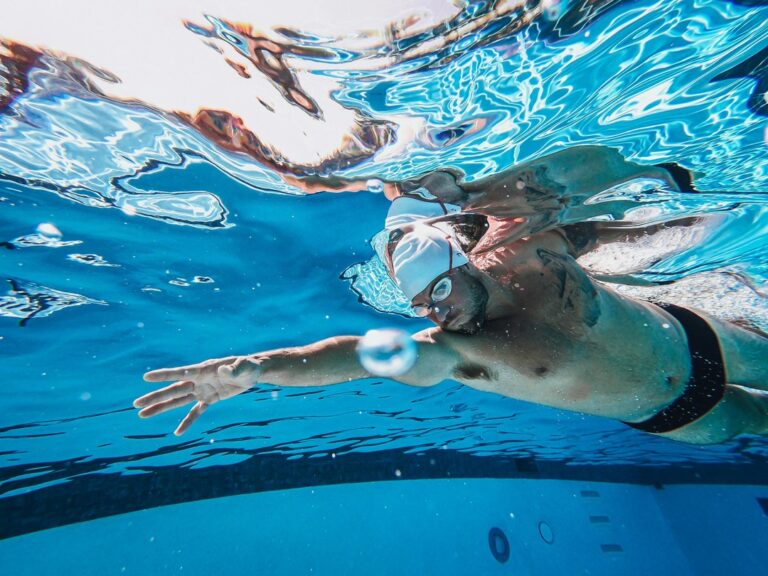
Your body should maintain a straight line from head to toe, with hips riding high near the water’s surface. Keep your head in neutral position, eyes looking down at the pool bottom about 6-8 feet ahead. This streamlined position reduces drag significantly and allows your stroke mechanics to work more effectively.
Optimize Your Arm Stroke Mechanics
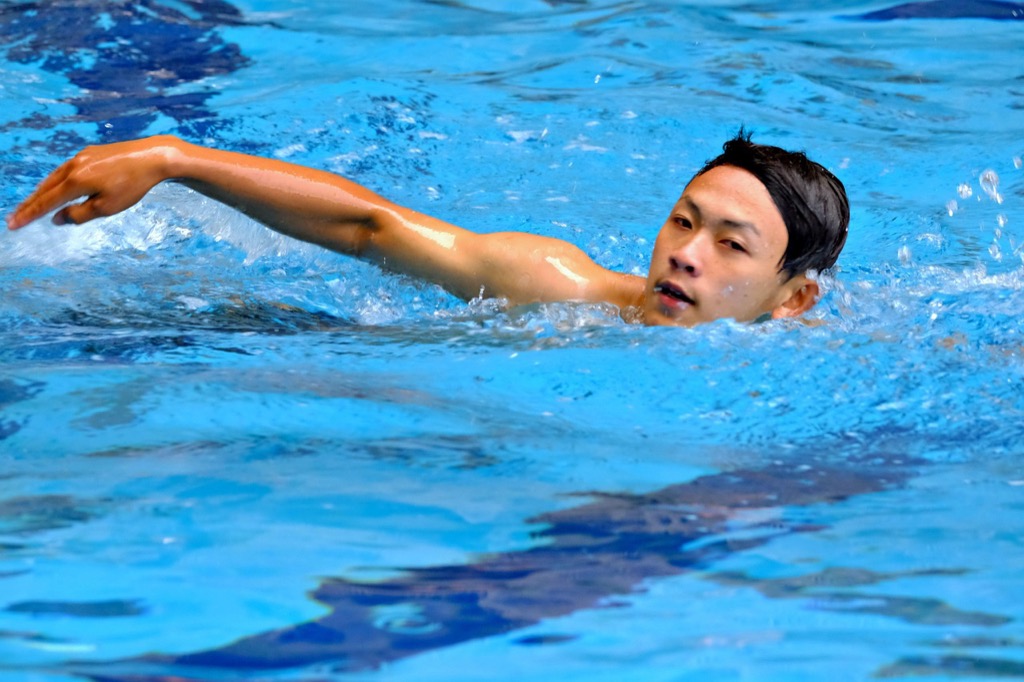
Your hand should enter the water fingertips-first, reaching forward before beginning the catch phase. Pull through the water with a high elbow, keeping your forearm perpendicular to the pool bottom. Focus on pulling water past your body rather than pushing your body through the water—this subtle shift creates more propulsion with less effort.
Develop Rhythmic Breathing Patterns
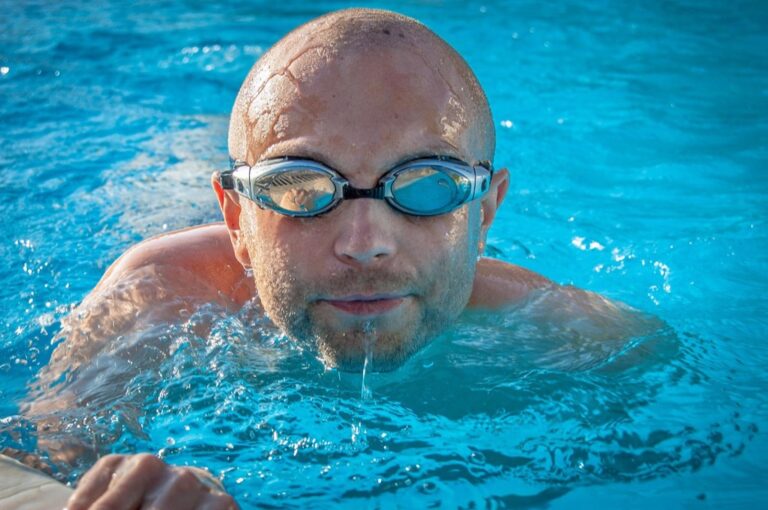
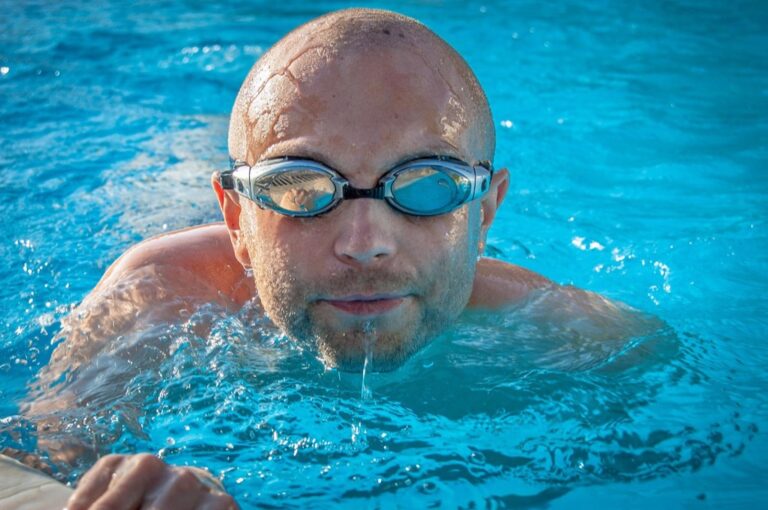
Breathe every three strokes to maintain balanced body rotation and prevent muscle fatigue on one side. Turn your head just enough to clear your mouth from the water, keeping one goggle submerged. Exhale steadily underwater between breaths rather than holding your breath, which maintains oxygen flow and prevents CO2 buildup.
Execute the Backstroke with Proper Form and Technique
Perfect backstroke technique requires coordinated body mechanics that work together seamlessly. Your efficiency depends on maintaining steady rotation while generating power through synchronized arm movements.
Maintain Consistent Body Rotation
Rotate your body 30-40 degrees on each side to maximize stroke length and reduce shoulder strain. Roll from your core muscles rather than your shoulders to maintain balance and streamline position. This rotation helps your arms catch more water and prevents the common mistake of flat swimming that creates unnecessary drag through the water.
Coordinate Arm Movement for Power Generation
Enter the water with your pinky finger first while keeping your arm straight and shoulder rotated upward. Pull through the water in an S-curve pattern alongside your body rather than straight down the middle. Alternate your arms in perfect opposition – as one arm enters the water, the other should be finishing its pull phase for maximum propulsion efficiency.
Perfect Your Breaststroke Timing and Coordination
Breaststroke demands precise timing between your arms, legs, and breathing pattern. Master this coordination and you’ll transform an energy-draining stroke into an efficient technique that propels you forward with minimal effort.
Synchronize Your Pull, Breathe, and Kick Sequence
Execute your pull first, lifting your head to breathe as your arms sweep outward. Complete your breath while your arms recover forward, then drive your legs through the kick phase as your arms extend. This sequence—pull, breathe, kick, glide—creates maximum propulsion while maintaining your streamlined position throughout each stroke cycle.
Streamline Your Glide Phase for Reduced Drag
Maximize your glide by extending your arms fully forward and pressing your head down between your biceps. Hold this torpedo position for 1-2 seconds after each kick, allowing momentum to carry you forward. Your body should form a straight line from fingertips to toes, reducing drag and helping you travel farther with each stroke.
Develop Butterfly Stroke Power and Rhythm
Butterfly stroke transforms swimmers into powerful aquatic athletes when executed with proper undulation and timing. You’ll generate maximum propulsion by synchronizing your body wave motion with simultaneous arm movements.
Master the Undulating Body Wave Motion
Initiate the wave from your chest and shoulders rather than your hips. Press your chest down while keeping your head in neutral position to create the initial undulation. Your hips follow naturally as the wave travels through your core.
Execute two kicks per arm cycle – one small kick as your arms enter the water and one powerful kick during the catch phase. Time your kicks to amplify the body wave motion rather than working against it.
Coordinate Simultaneous Arm Movements
Enter the water with both arms simultaneously at shoulder width apart. Keep your thumbs pointing down and arms slightly bent to reduce shoulder strain during entry. Your hands should slice through the water surface rather than slapping down.
Pull both arms through an hourglass pattern beneath your body using your lats and core muscles. Exit the water with your pinkies first while your arms remain relatively straight and close to the water surface throughout recovery.
Utilize Efficient Kick Techniques Across All Strokes
Your kick technique directly impacts your swimming efficiency and speed across all four competitive strokes. Mastering proper kicking mechanics reduces energy waste while maximizing propulsion through the water.
Strengthen Your Flutter Kick for Freestyle and Backstroke
Flutter kick power comes from your core and hip flexors, not your knees. Keep your legs relatively straight with a slight knee bend, generating motion from your hips while maintaining a narrow kick width of 12-18 inches. Point your toes and allow your feet to break the surface slightly during freestyle for maximum propulsion efficiency.
Perfect Your Dolphin Kick for Underwater Efficiency
Dolphin kick creates the fastest underwater speed when you initiate the wave motion from your chest. Press your chest down to start the undulation, then snap your hips downward while keeping your legs together and feet pointed. Time two kicks per stroke cycle, maintaining this rhythm for 15 meters off each wall before surfacing.
Apply Streamlining Principles to Reduce Water Resistance
Your body position in the water creates either a pathway through it or a wall against it. Proper streamlining transforms you into a torpedo that slices through water rather than fighting it.
Optimize Your Push-Off and Turn Techniques
Master your underwater streamline position by keeping arms extended overhead with hands stacked and head between your biceps. This torpedo position reduces drag by up to 42% compared to swimming on the surface during the first 15 meters of each length.
Maintain Proper Head Position Throughout Each Stroke
Keep your head in neutral alignment with your spine to maintain your body’s natural streamline. Looking forward instead of down creates drag that’s equivalent to swimming with a parachute attached, forcing your hips to drop and increasing resistance exponentially.
Conclusion
Mastering these six swim stroke techniques will transform your time in the water from an exhausting battle to an effortless glide. You’ll discover that swimming efficiently isn’t just about going faster—it’s about swimming smarter and longer without burning out.
Your journey to becoming a more efficient swimmer starts with focusing on one technique at a time. Practice these fundamentals consistently and you’ll notice dramatic improvements in your endurance and overall performance.
Remember that efficiency in the water comes from precision not power. When you combine proper body positioning streamlined technique and rhythmic breathing you’ll unlock your swimming potential and enjoy every stroke you take.
Frequently Asked Questions
What does swimming efficiently mean?
Swimming efficiently means optimizing energy use while reducing water resistance, not just swimming fast. It involves mastering proper stroke techniques, body positioning, and timing to glide through water more effectively. This approach helps swimmers conserve energy while maintaining or improving performance, whether for competitive training or recreational distance swimming.
What are the three core elements of efficient freestyle swimming?
The three core elements are: maintaining a straight body position with hips near the water’s surface to reduce drag, optimizing arm stroke mechanics by entering water fingertips-first and pulling water past the body, and developing rhythmic breathing patterns to ensure balanced body rotation and prevent muscle fatigue.
How should I rotate my body during backstroke?
Maintain a consistent 30-40 degree roll on each side to maximize stroke length and reduce shoulder strain. This rotation should originate from your core muscles to maintain balance and streamlined position. Enter the water pinky finger first and pull through an S-curve pattern alongside your body for maximum efficiency.
What’s the proper sequence for breaststroke technique?
The breaststroke sequence is: pull first, breathe as arms sweep outward, kick while arms extend, then glide. The glide phase is crucial for reducing drag—extend your arms fully forward and hold a streamlined position for 1-2 seconds after each kick to maximize propulsion efficiency.
How do I master the butterfly stroke’s body wave motion?
Initiate the body wave motion from your chest and shoulders, not your hips. Execute two kicks per arm cycle: one small kick as arms enter the water and a powerful kick during the catch phase. Enter with both arms at shoulder width and pull through an hourglass pattern beneath your body.
What makes an efficient flutter kick?
Generate power from your core and hip flexors, keep legs relatively straight with a slight knee bend, and maintain a narrow kick width. Focus on generating propulsion from the hip rather than excessive knee bending, which creates drag and wastes energy.
How do I achieve proper streamlined body position?
Keep arms extended overhead with your head positioned between your biceps during push-offs and turns. Maintain proper head alignment with your spine—look down rather than forward to reduce drag. Your body should create a pathway through water, not act as a wall against it.
Why is the glide phase important in breaststroke?
The glide phase reduces drag and maximizes propulsion from each stroke cycle. By extending arms fully forward and holding a streamlined position for 1-2 seconds after each kick, you maintain momentum while minimizing water resistance, making your stroke more energy-efficient.
How can I improve my dolphin kick technique?
Initiate the dolphin kick from your chest rather than your hips to create the most effective undulation. Maintain a specific rhythm and keep your body in a streamlined position. The dolphin kick creates the fastest underwater speed when executed properly with full-body wave motion.
What’s the biggest mistake swimmers make with body positioning?
The biggest mistake is improper head position—looking forward instead of maintaining neutral alignment with the spine. This creates excessive drag and significantly increases water resistance, making swimming much more energy-intensive and hindering overall performance and speed.