6 Ideas for Using Games to Teach Water Safety That Every Parent Should Know
Transform water safety education into fun! Discover 6 engaging games that teach kids essential swimming skills through play, making safety lessons stick better than lectures.
Teaching water safety doesn’t have to feel like a boring lecture when you can turn essential skills into engaging games that kids actually want to play. Games transform learning by making complex safety concepts memorable through hands-on activities that stick with children long after they leave the pool or classroom.
Why it matters: Children are 20 times more likely to retain safety information when it’s delivered through interactive play rather than traditional instruction methods. Whether you’re a parent swimming instructor or camp counselor these game-based approaches will help you create lasting water safety habits while keeping kids entertained and engaged.
Disclosure: As an Amazon Associate, this site earns from qualifying purchases. Thank you!
Make Splash Safety Tag Your Go-To Pool Game
Splash Safety Tag transforms the classic playground game into your most effective water safety teaching tool. You’ll turn essential safety lessons into exciting gameplay that keeps kids engaged while building crucial habits.
Teaching Safe Entry and Exit Techniques
Start each game round with proper pool entry demonstrations. Players must use ladder steps or pool edges safely before joining the action. Tag the “it” person only after showing correct exit techniques like three-point contact on ladder rungs.
Reinforcing Pool Boundary Rules
Set clear game boundaries that match your pool’s safety zones. Deep end becomes off-limits for beginning swimmers, while shallow areas define the playing field. Players who cross boundary lines automatically become “it” – making rule-following part of the fun.
Building Awareness of Water Depth
Mark different depth zones as separate game territories with unique rules. Shallow water players can only tag by touching shoulders, while deeper areas require treading water for five seconds before tagging. This creates natural depth awareness through gameplay variations.
Transform Simon Says Into Water Safety Commands
Simon Says becomes a powerful water safety training tool when you replace basic movements with critical swimming skills. This familiar game structure helps children follow complex safety instructions while having fun poolside.
Practicing Essential Swimming Positions
You’ll teach proper floating techniques by calling out “Simon says float on your back” or “Simon says treading water position.” Kids naturally practice life-saving positions without realizing they’re drilling emergency skills. The game format makes repetitive position practice feel like play rather than instruction.
Learning Emergency Hand Signals
Your Simon Says commands can include “Simon says wave for help with one arm” or “Simon says point to the nearest exit.” Children learn universal distress signals and communication methods that work when voices can’t be heard. These hand signals become second nature through repeated game practice.
Following Lifeguard Instructions
You can simulate real pool scenarios with commands like “Simon says stop swimming immediately” or “Simon says move to shallow water.” This trains instant obedience to authority figures around water. Kids develop the habit of listening carefully and responding quickly to safety officials.
Create Interactive Water Safety Scavenger Hunts
Scavenger hunts turn water safety education into an exciting treasure hunt that keeps kids actively engaged while learning. You’ll transform essential safety knowledge into an adventure where children discover critical information through exploration and teamwork.
Identifying Pool Safety Equipment
Equipment hunts teach kids where life-saving tools are located before emergencies happen. Create clues that lead children to safety equipment like life rings, reaching poles, and first aid kits. Challenge teams to identify each item’s purpose and demonstrate proper usage.
Ensure water safety with this 23-inch throw ring. It includes a durable, buoyant 98.4ft rope and a high-strength, closed-cell foam design for reliable performance in marine environments.


Include rescue equipment like shepherd’s hooks and safety ropes in your hunt. Kids learn equipment locations through discovery rather than boring instruction, making them more likely to remember where everything is when it matters most.
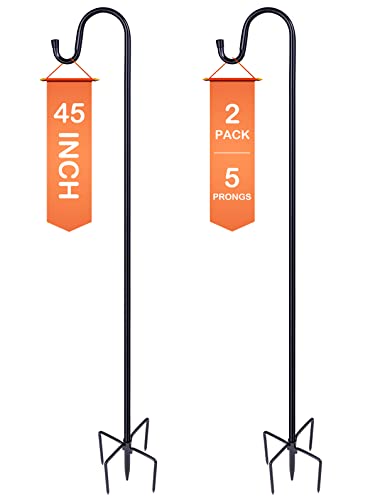
Hang bird feeders, lanterns, and more with these sturdy, 45-inch shepherd's hooks. The 5-prong base ensures stability, while the durable, powder-coated steel provides lasting outdoor use.
Locating Emergency Contact Information
Emergency information hunts familiarize children with posted safety details around aquatic facilities. Design clues that guide kids to find emergency phone numbers, lifeguard contact information, and facility rules posted on signs. Have them copy down important numbers and explain when to use each contact.
Create challenges where teams locate pool depth markers and emergency exit routes. This hands-on exploration helps children automatically notice critical safety information in any aquatic environment they visit.
Clearly mark your pool depth with these durable, USA-made 6x6 inch vinyl stickers. The skid-resistant markers are easy to install and ensure long-lasting safety compliance.

Finding Safe Swimming Areas
Area identification hunts teach kids to assess water environments before entering. Set up clues that lead children to designated swimming zones, shallow areas, and boundaries marked by ropes or buoys. Have them identify why certain areas are safer than others.
Include tasks where kids locate lifeguard stations and understand their coverage areas. Teams learn to recognize safe entry points, diving restrictions, and areas where supervision is strongest through active exploration rather than passive listening.
Design Role-Playing Scenarios for Emergency Situations
Role-playing transforms water safety education from abstract concepts into visceral, memorable experiences. When kids act out emergency scenarios, they develop muscle memory and decision-making skills that kick in during real crises.
Practicing Rescue Techniques
Teach kids to practice throwing rescue equipment using pool noodles and rope. Start with simple tosses to floating targets, then progress to “rescuing” stuffed animals or floating toys. This builds accuracy and confidence while reinforcing that they should never enter the water themselves during emergencies.
Enjoy effortless floating with the WOW First Class Pool Noodle. Its soft, ribbed foam provides a comfortable, non-slip grip, while the durable, UV-resistant design ensures long-lasting use.

Learning When to Call for Help
Create scenarios where children must decide between helping directly or calling adults. Use role-play situations like “your friend is struggling in deep water” or “someone hit their head diving.” Kids learn to recognize when situations exceed their abilities and practice shouting for lifeguards or running to get help.
Understanding Bystander Safety
Practice keeping multiple people safe during water emergencies through group scenarios. Assign roles like “crowd controller” and “helper caller” so kids understand their responsibility to keep other bystanders away from danger zones. This teaches them that heroic actions often mean preventing more people from becoming victims.
Develop Memory Games for Water Safety Rules
Memory games transform water safety education into engaging challenges that stick with kids long after they leave the pool. These activities use repetition and recall to build automatic responses to water hazards.
Memorizing Pool Safety Guidelines
Pool Rule Rhyme Challenge turns safety guidelines into catchy verses that kids can’t forget. You create rhyming pairs like “Walk don’t run around the pool” and “Breaking this rule isn’t cool.” Kids compete to recite the most rules correctly, making compliance second nature through musical memory.
Recalling Emergency Procedures
Emergency Sequence Games teach life-saving steps through pattern recognition activities. You present emergency scenarios where children must arrange action cards in proper order: recognize danger, call for help, use safety equipment, then assist. This builds muscle memory for crisis situations when clear thinking becomes difficult.
Learning Weather-Related Water Safety
Weather Warning Memory Match connects specific conditions to appropriate safety responses through card-matching games. You pair lightning symbols with “exit water immediately” cards and wind icons with “postpone swimming” actions. Kids develop instant recognition of dangerous weather patterns that require immediate safety decisions.
Build Team Challenges Around Life Jacket Awareness
This clear storage bag contains four US Coast Guard-approved adult life jackets for convenient storage and boating safety. The Type II vests fit adults 90+ lbs with adjustable straps and provide essential flotation.

Transform life jacket education into competitive team activities that make safety gear selection and usage second nature. These collaborative challenges build critical safety knowledge while fostering teamwork around water.
Proper Life Jacket Fitting Techniques
Racing teams compete to demonstrate correct life jacket fitting procedures on designated teammates. Teams earn points for properly adjusting chest straps, checking crotch straps, and ensuring snug shoulder fits without restricting breathing. Winners must verify their teammate can’t slip out when lifted by the jacket shoulders, making proper fitting both competitive and memorable.
Understanding Flotation Device Types
Stay safe on the water with this U.S. Coast Guard-approved throwable flotation cushion. Its durable nylon shell and bright red color ensure visibility and reliable performance in emergencies.

Challenge teams to match different flotation devices with their intended activities and age groups. Include Type I offshore jackets, Type II near-shore vests, Type III recreational jackets, and specialized children’s devices in your equipment lineup. Teams score points by correctly identifying each device’s buoyancy rating, intended use, and size requirements through hands-on examination and demonstration.
Practicing Life Jacket Safety Checks
Teams rotate through inspection stations performing safety checks on various life jacket conditions. They identify worn straps, damaged buckles, faded fabric, and missing reflective tape while documenting their findings. Create scenarios with intentionally compromised jackets alongside properly maintained ones, rewarding teams that catch every safety issue and explain why each problem compromises flotation effectiveness.
Conclusion
These six game-based approaches transform water safety education from boring lectures into exciting adventures your kids will actually remember. When you make learning interactive through play you’re building life-saving knowledge that sticks with children long after they leave the pool.
The key to success lies in consistent practice and keeping the activities fresh and engaging. You can easily adapt these games to different age groups and skill levels making them perfect for family pool time swimming lessons or camp activities.
Start implementing one or two of these games during your next water activity session. You’ll quickly discover that teaching water safety through play creates confident swimmers who understand the importance of staying safe around water while having the time of their lives.
Frequently Asked Questions
Why are games more effective than lectures for teaching water safety?
Games help children retain safety information significantly better than traditional lectures because interactive play makes learning memorable and enjoyable. When kids are engaged through play, they naturally absorb and remember critical safety concepts while having fun, creating lasting water safety habits.
What is Splash Safety Tag and how does it teach water safety?
Splash Safety Tag transforms the classic playground game into a water safety teaching tool. It incorporates proper pool entry demonstrations, safe exit techniques, pool boundary rules through designated safe zones, and builds water depth awareness by marking different zones with unique tagging rules.
How does Simon Says help with water safety training?
Simon Says replaces basic movements with critical swimming skills, allowing children to follow complex safety instructions while having fun. Commands like “Simon says float on your back” and “Simon says wave for help” teach essential swimming positions and emergency signals through familiar gameplay.
What are water safety scavenger hunts?
Water safety scavenger hunts turn safety education into an adventure where kids discover critical information through exploration and teamwork. Activities include identifying pool safety equipment, locating emergency contact information, and finding safe swimming areas, making learning hands-on and memorable.
Why are role-playing scenarios important for water safety?
Role-playing transforms abstract safety concepts into memorable experiences, helping children develop muscle memory and decision-making skills crucial in real crises. Kids practice rescue techniques, learn when to call for help, and understand bystander safety responsibilities through group scenarios.
How do memory games enhance water safety education?
Memory games like Pool Rule Rhyme Challenge turn safety guidelines into catchy verses, while Emergency Sequence Games teach life-saving steps through pattern recognition. Weather Warning Memory Match connects weather conditions to safety responses, creating automatic responses to water hazards.
What are life jacket awareness challenges?
Life jacket awareness challenges are competitive team activities that make safety gear selection and usage second nature. Teams compete to demonstrate proper fitting techniques, match flotation devices with appropriate activities, and practice safety checks for wear and damage.
Who can use these water safety games?
Parents, swimming instructors, and camp counselors can all use these game-based methods to instill lasting water safety habits in children. These activities work for various settings including pools, swimming lessons, summer camps, and family water activities.