
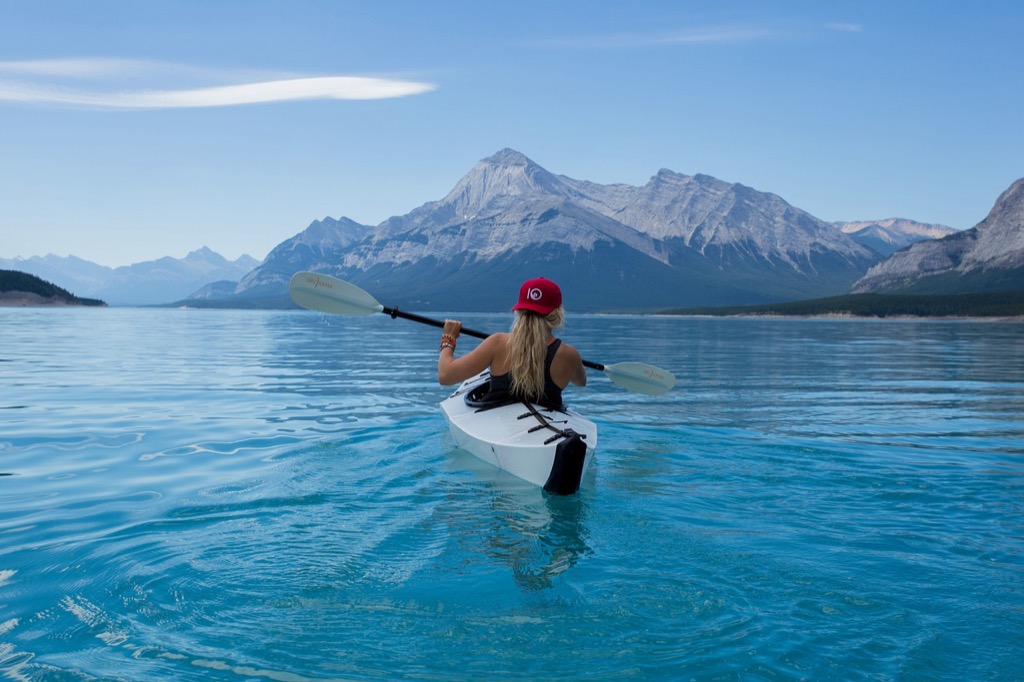
Beginner Kayaking Techniques for Hidden Coves
Discover 7 essential kayaking techniques perfect for hidden coves! Master strokes, turns, and safety skills in calm waters ideal for beginners to build confidence.
Why it matters: Hidden coves offer the perfect training ground for beginner kayakers—calm waters, stunning scenery, and natural protection from wind and waves.
The challenge: Most new paddlers struggle with basic techniques when they’re focused on navigation, making these secluded spots ideal for skill-building without crowds or pressure.
What’s ahead: We’ll walk you through seven essential kayaking techniques that’ll transform your paddling experience, from mastering the forward stroke to reading water conditions like a pro.
Disclosure: As an Amazon Associate, this site earns from qualifying purchases. Thank you!
Master the Basic Forward Stroke for Efficient Cove Navigation
Your forward stroke determines everything about your cove kayaking experience – from how quietly you approach wildlife to how efficiently you navigate tight spaces between rocky outcrops.
Proper Paddle Grip and Hand Positioning
Position your hands shoulder-width apart on the paddle shaft with knuckles aligned on top. Your control hand grips firmly while your shaft hand stays relaxed, allowing the paddle to rotate naturally. Keep your grip loose enough that you could slide your hands if needed but secure enough for power transfer.
Body Rotation Technique for Maximum Power
Engage your core muscles by rotating your torso rather than just pulling with your arms. Plant the paddle blade near your feet and unwind your body like a spring as you pull through the water. This technique reduces arm fatigue and generates twice the power while keeping your kayak tracking straight through narrow cove passages.
Timing and Rhythm for Steady Progress
Maintain a steady cadence of 60-70 strokes per minute for optimal cove exploration. Count “one Mississippi” between each stroke to establish rhythm that won’t disturb wildlife or create unnecessary splash. Your paddle should exit the water at your hip, not behind you, to maintain forward momentum without wasted energy.
Learn the Essential Sweep Stroke for Tight Turns
The sweep stroke transforms your kayak from a straight-line vessel into a precision turning machine. This technique becomes crucial when navigating the narrow channels and rocky outcrops common in hidden coves.
Wide Arc Technique for Sharp Direction Changes
Execute the sweep stroke by reaching far forward and sweeping your paddle in a wide arc from bow to stern. Position your paddle blade at a low angle to the water surface. The longer your arc path the sharper your turn will be. Practice starting near your toes and finishing behind your hip for maximum rotation effectiveness.
Using Your Core for Better Control
Engage your torso muscles by rotating from your waist rather than pulling with your arms alone. Your core provides the power while your arms guide the paddle through the sweeping motion. Keep your lower hand as a pivot point and push with your upper hand. This technique prevents arm fatigue during extended cove exploration sessions.
When to Apply Sweep Strokes in Narrow Passages
Use sweep strokes when approaching tight corners or navigating around rock formations in coves. Apply a forward sweep on your right side to turn left or a reverse sweep to make quick corrections. Combine with gentle forward strokes between sweeps to maintain momentum. Time your strokes before entering narrow passages rather than waiting until you’re already committed to the turn.
Perfect the Draw Stroke for Precise Sideways Movement
You’ll need the draw stroke for precise positioning when approaching rocky shores or squeezing between narrow passages in hidden coves. This essential technique lets you move sideways without changing your kayak’s direction.
Blade Placement and Water Entry Angle
Position your paddle blade perpendicular to your kayak’s side, about arm’s length away from the hull. Enter the water at a 90-degree angle with the blade fully submerged. Keep your top hand at shoulder height while your bottom hand grips near the water’s surface for maximum leverage.
Pulling Technique Without Forward Motion
Draw the paddle straight toward your hip using your core muscles rather than just your arms. Keep the blade vertical throughout the pull to prevent forward movement. Release the blade cleanly from the water when it reaches your hip to avoid catching the stern.
Combining Draw Strokes with Forward Momentum
Alternate between forward strokes and draw strokes to maintain speed while moving laterally. Execute two forward strokes followed by one draw stroke for gradual sideways positioning. Use continuous draw strokes on one side when you need immediate lateral movement around obstacles or into tight spaces.
Develop the Sculling Draw for Close-Quarter Maneuvering
The sculling draw transforms tight-space navigation from stressful wrestling matches into smooth, controlled movements. You’ll use this technique constantly when positioning your kayak alongside rocky ledges or threading through narrow passages where traditional strokes simply won’t work.
Figure-Eight Paddle Motion Fundamentals
Your paddle blade creates a continuous figure-eight pattern underwater while maintaining constant water contact. Start with the blade vertical beside your kayak, then slice it forward and back in smooth arcs. The key lies in keeping your paddle submerged throughout the entire motion – lifting it breaks the flow and kills your momentum.
Maintaining Consistent Blade Angle
Keep your paddle blade angled at roughly 45 degrees throughout the sculling motion to generate maximum sideways pull. Your blade should slice through water like a fish’s fin, not fight against it like a wall. Consistent angle control prevents the jerky movements that send you careening into rocks when you need precision most.
Using Sculling for Docking and Positioning
Sculling draws excel when you need to sidle up to narrow dock spaces or hold position against gentle currents. You can scull continuously to maintain your exact position while waiting for other paddlers or studying wildlife. Practice sculling while stationary first, then add forward momentum to master the technique that’ll save you from countless awkward collisions.
Master the Low Brace for Stability in Choppy Waters
The low brace becomes your safety net when hidden coves turn unexpectedly rough from wind funneling or boat wakes. This defensive stroke prevents capsizing by using your paddle as an outrigger against the water’s surface.
Proper Body Position and Paddle Placement
Position your paddle horizontally across your kayak with knuckles facing down and elbows bent at 90 degrees. Keep your torso upright and engage your core muscles while placing the back face of your paddle blade flat against the water’s surface. Your arms should form a protective box shape around your body.
Recovery Technique When Off-Balance
Slap the paddle blade firmly against the water while simultaneously snapping your hips upright to regain balance. Keep your head centered over the kayak and avoid leaning on the paddle for extended support. Practice the hip snap motion on land first to build muscle memory for quick recovery.
Reading Water Conditions in Protected Coves
Watch for wind patterns creating small whitecaps or water movement around rocky outcrops that signal changing conditions. Protected coves can develop surprising chop when afternoon thermal winds kick up or powerboats create wakes that reflect off steep shorelines. Look for calm entry points near vegetation where natural windbreaks provide the smoothest water for practicing your low brace technique.
Execute the Reverse Stroke for Controlled Backing
Backing away from rocky ledges or tight spaces requires finesse that forward paddling can’t provide. The reverse stroke transforms awkward situations into controlled exits.
Blade Angle and Entry Point for Reverse Motion
Position your paddle blade perpendicular to the water near your hip for maximum power transfer. Enter the blade cleanly behind your body at a 45-degree angle to avoid splashing and maintain control. Keep your paddle shaft nearly vertical to generate the strongest pulling force through the water.
Maintaining Straight Line Movement Backwards
Focus on alternating strokes evenly on both sides while keeping your torso centered in the cockpit. Watch a fixed point behind you to track your direction and make immediate corrections. Use shorter stroke lengths compared to forward paddling to maintain better directional control and prevent zigzag movement.
Using Reverse Strokes for Precise Positioning
Combine reverse strokes with draw strokes to move diagonally away from obstacles while maintaining visual contact. Practice backing into narrow channels to build confidence before attempting complex maneuvers around rocky outcrops. Use gentle reverse strokes for final positioning when approaching campsites or launching points from the water side.
Combine Techniques for Advanced Cove Exploration
Mastering individual kayaking techniques is just the beginning – advanced cove exploration demands fluid combinations that adapt to changing conditions in real-time.
Seamless Transitions Between Different Strokes
Transitioning between strokes requires anticipating your next move before completing the current one. Practice linking forward strokes into sweep strokes by rotating your torso early, keeping the paddle blade engaged throughout the transition.
The key is maintaining momentum while switching techniques – never pause between strokes when navigating tight spaces or approaching obstacles.
Reading Currents and Wind Patterns
Hidden coves create unique microclimates where wind can funnel through rocky passages, creating unexpected gusts. Watch for ripples on the water surface that indicate wind direction changes or current flows around submerged rocks.
Morning glass conditions often shift to afternoon chop – plan your most technical maneuvers during calmer periods for better control and safety.
Safety Considerations in Hidden Cove Areas
Cell service rarely reaches remote coves, so inform someone of your planned route and return time before launching. Carry a whistle and know the universal distress signal – three sharp blasts repeated at intervals.
Rocky shorelines can trap kayakers during changing tides – always identify multiple exit points before entering narrow passages or exploring dead-end inlets.
Conclusion
You’ve now got the essential toolkit to transform your kayaking from basic paddling into confident cove exploration. These seven techniques work together like a well-orchestrated dance – the forward stroke gets you there while sweep strokes navigate tight corners and draw strokes position you perfectly alongside rocky shores.
The key to mastering hidden coves lies in practice and patience. Start with calm conditions and gradually challenge yourself as your muscle memory develops. Remember that sculling draws and reverse strokes become second nature when you focus on core engagement rather than arm strength.
Your next adventure awaits in those secluded waters where wildlife thrives and crowds disappear. Armed with proper technique and safety awareness you’ll discover that hidden coves offer some of the most rewarding kayaking experiences available to beginners ready to level up their skills.
Frequently Asked Questions
What makes hidden coves ideal for beginner kayakers?
Hidden coves offer calm, protected waters with natural barriers that shield paddlers from wind and waves. These secluded areas provide beautiful scenery without crowds, allowing beginners to practice essential techniques stress-free. The controlled environment helps new kayakers build confidence while mastering basic skills like forward strokes, turns, and positioning before tackling more challenging open waters.
What is the proper technique for the basic forward stroke?
The forward stroke requires proper paddle grip with hands shoulder-width apart and correct positioning near the feet. Focus on engaging your core muscles through body rotation rather than just using your arms. Maintain a steady rhythm of 60-70 strokes per minute for optimal efficiency and to minimize wildlife disturbance while exploring coves.
How do you execute a sweep stroke for turning?
To perform a sweep stroke, place your paddle in the water near your feet and sweep it in a wide arc toward the stern. Engage your core muscles for better control and power. This technique is essential for making tight turns around rocky outcrops or navigating narrow channels common in hidden coves.
When should you use the draw stroke technique?
Use the draw stroke for precise sideways movement when approaching rocky shores or navigating tight passages. Place the paddle blade perpendicular to your kayak and pull it toward you using core muscles. Combine draw strokes with forward momentum to maintain speed while moving laterally around obstacles.
What is the sculling draw and how is it performed?
The sculling draw uses a figure-eight paddle motion to create continuous sideways movement. Keep the paddle submerged and maintain a consistent blade angle for maximum pull. This technique is perfect for positioning alongside rocky ledges or threading through narrow passages with smooth, controlled movements.
How does the low brace technique prevent capsizing?
The low brace acts as a safety outrigger in choppy waters. Maintain an upright torso with engaged core, then slap the paddle against the water while snapping your hips upright to regain balance. This technique is crucial for stability when encountering unexpected chop from wind or boat wakes in protected areas.
What safety considerations are important for cove exploration?
Always inform someone of your planned route and carry a whistle for emergencies. Identify multiple exit points before entering narrow passages or dead-end inlets. Watch for changing wind patterns and microclimates unique to coves, and plan technical maneuvers during calmer periods for maximum safety and success.


