7 Creative Photography Ideas for Low Water Landscapes
Discover 7 creative photography techniques for low water landscapes. Capture dramatic reflections, silhouettes, hidden textures, and wildlife adaptations during drought conditions.
Why it matters: Low water conditions reveal hidden landscape gems that most photographers never capture during normal water levels.
The big picture: When rivers run shallow and lakes recede you’ll discover exposed rock formations weathered tree stumps and intricate sandbar patterns that create stunning compositional opportunities.
What’s next: These seven creative techniques will transform challenging drought conditions into your most compelling landscape photography sessions yet.
Disclosure: As an Amazon Associate, this site earns from qualifying purchases. Thank you!
Capture Dramatic Reflections in Shallow Pools
Shallow water creates some of the most compelling reflection opportunities in drought conditions. You’ll discover that even tiny pools can produce mirror-like effects that transform ordinary landscapes into extraordinary compositions.
Find Natural Mirror Effects in Puddles and Streams
Scout for perfectly still water surfaces early in the morning when wind is minimal. Look for remnant pools in dried creek beds, temporary puddles after rain, or shallow lake edges where water barely moves. These small water bodies often create cleaner reflections than larger bodies of water because they’re protected from wind disturbance by surrounding terrain features.
Use Polarizing Filters to Control Reflection Intensity
Attach a polarizing filter to reduce unwanted glare while maintaining the reflections you want to emphasize. Rotate the filter slowly while looking through your viewfinder to find the sweet spot where surface reflections appear crisp and vibrant. You’ll notice that partial polarization often works better than full polarization since it preserves some surface texture while eliminating harsh glare.
Position Yourself at Low Angles for Maximum Impact
Get down close to the water’s surface to maximize the reflection’s visual impact in your frame. Shoot from just inches above the water level to create symmetrical compositions where the reflection occupies half your image. This low perspective also helps eliminate distracting background elements while emphasizing the mirror effect between the actual landscape and its reflected counterpart.
Create Stunning Silhouettes Against Exposed Riverbed Textures
Exposed riverbeds offer photographers a treasure trove of natural textures and patterns that serve as compelling backdrops for silhouette photography. You’ll find these dramatic compositions transform ordinary subjects into striking artistic statements.
Utilize Golden Hour Lighting for Dynamic Contrast
Golden hour transforms exposed riverbed textures into natural spotlights for silhouette photography. Position your subjects between the low sun and cracked earth patterns to create dramatic rim lighting that separates figures from textured backgrounds. The warm light emphasizes mud cracks and sediment layers while casting your subjects in bold silhouette form.
Frame Subjects Against Cracked Mud Patterns
Cracked mud patterns create natural leading lines that draw viewers’ eyes toward your silhouetted subjects. Place people or objects where crack lines converge to establish strong focal points within your composition. These geometric patterns add visual interest and depth while providing context for the low water conditions you’re documenting.
Experiment with Backlighting Techniques
Backlighting reveals the intricate details of dried riverbed textures while maintaining strong subject silhouettes. Position yourself so the sun sits directly behind your subject to create clean edge definition against the textured ground. Use spot metering on the bright background to ensure proper exposure for dramatic contrast between dark figures and illuminated earth patterns.
Focus on Intricate Details of Revealed Underwater Landscapes
Low water conditions unveil hidden underwater worlds that normally remain submerged. You’ll discover fascinating geological formations and natural patterns that create compelling photographic subjects when water levels drop.
Photograph Exposed Rock Formations and Geological Features
Exposed bedrock reveals millions of years of geological history through layered sedimentary patterns and weathered surfaces. You’ll find striations, fossil imprints, and mineral deposits that create natural leading lines and textures. Position yourself to capture side lighting that emphasizes these geological details, using macro lenses to document intricate surface patterns and formations.
Capture Patterns in Sand and Sediment Deposits
Retreating water leaves behind intricate ripple patterns, spiral formations, and concentric circles in sand and sediment. You’ll discover these natural designs work as powerful foreground elements or abstract compositions. Shoot during golden hour when low-angle light accentuates the shadows and highlights of these delicate patterns before wind disturbs them.
Document Stranded Aquatic Elements as Artistic Subjects
Dried fish scales, mussel shells, and weathered driftwood become sculptural elements against exposed lake beds and riverbeds. You’ll find these organic shapes create compelling focal points when photographed with shallow depth of field. Frame these subjects against contrasting textures like cracked mud or smooth stones to emphasize their unique forms and natural beauty.
Use Leading Lines From Receding Waterlines
Receding waterlines create natural pathways that guide your viewer’s attention through your composition. These drought-exposed features offer powerful compositional tools that weren’t visible during normal water levels.
Follow Natural Curves of Dried Stream Beds
Dried stream beds reveal serpentine curves that naturally lead your eye through the frame. Position yourself to capture these meandering paths from elevated viewpoints or low angles that emphasize their flowing movement. Use wide-angle lenses to include multiple curve segments, creating dynamic S-curves that add visual interest and depth to your low water landscape compositions.
Incorporate Shoreline Patterns as Compositional Elements
Exposed shorelines display intricate patterns of cracks, ripples, and sediment lines that function as natural leading lines. Frame these patterns diagonally across your composition to create movement and energy. Shoot during golden hour when side lighting accentuates these textures, transforming simple mud patterns into compelling compositional elements that draw viewers into your drought landscape photography.
Guide Viewer’s Eye Through Layered Landscape Features
Layer multiple leading line elements from foreground dried banks to distant exposed features for enhanced depth. Combine curved waterline remnants with straight geometric patterns from cracked earth to create visual tension. Use these contrasting line types to establish clear focal hierarchies, ensuring your viewer’s eye travels purposefully through each compositional layer toward your intended subject.
Experiment With Long Exposure Techniques for Remaining Water
Long exposure photography transforms even the smallest water features into ethereal elements that contrast beautifully with static drought-exposed landscapes. You’ll discover that combining motion blur with sharp terrestrial details creates compelling visual tension.
Create Smooth Water Effects in Limited Flow Areas
Position yourself at shallow creek sections where water still moves consistently over rocks. Use 2-4 second exposures to transform minimal flow into silky ribbons that weave through exposed boulder formations. Set your camera low to emphasize the contrast between smooth water motion and sharp, weathered stone textures surrounding the streambed.
Capture Movement in Trickling Streams and Waterfalls
Focus on small cascades where water drops over exposed rock ledges during low conditions. Extend your exposure to 8-15 seconds to create misty veils from trickling waterfalls that barely existed during normal water levels. Frame these delicate water movements against drought-cracked backgrounds to emphasize the precious nature of remaining moisture in the landscape.
Balance Static Exposed Elements With Dynamic Water Motion
Compose shots that include both sharp foreground details and blurred water elements in the same frame. Place weathered driftwood or cracked mud patterns in your foreground while allowing background streams to blur into smooth ribbons. This technique creates depth while highlighting the stark contrast between drought’s static remnants and water’s continuous movement through the transformed landscape.
Photograph Wildlife Adaptations in Low Water Environments
Low water conditions create unique opportunities to document how wildlife adapts to challenging environmental circumstances. You’ll witness behaviors and concentrations that rarely occur during normal water levels.
Document Animal Behavior During Drought Conditions
Animals modify their daily routines dramatically when water becomes scarce. You’ll capture deer extending their foraging ranges, birds nesting closer to remaining water sources, and nocturnal species becoming active during daylight hours.
Watch for stress indicators like panting in mammals or aggressive territorial behavior at water sources. These behavioral adaptations reveal nature’s resilience and provide compelling photographic narratives.
Capture Birds and Animals at Concentrated Water Sources
Remaining pools become wildlife magnets, creating incredible photography opportunities. You’ll find species that normally avoid each other sharing the same water source, from songbirds to larger mammals.
Position yourself downwind from water sources during early morning or late afternoon. Use longer lenses to maintain distance while capturing intimate moments of drinking, bathing, and social interactions.
Show Ecosystem Changes Through Wildlife Photography
Document how species composition shifts as habitats transform. You’ll photograph opportunistic species thriving in newly exposed areas while others struggle with habitat loss.
Capture before-and-after scenarios by photographing the same locations throughout drought progression. Focus on species indicators like amphibians in shrinking pools or predatory birds taking advantage of concentrated prey populations.
Embrace Minimalist Compositions With Negative Space
Low water conditions transform familiar landscapes into vast canvases of negative space. You’ll discover that these expansive areas of emptiness create powerful visual tension when paired with carefully chosen subjects.
Use Empty Expanses of Dried Lake Beds as Canvas
Dried lake beds offer endless stretches of cracked earth that serve as natural backgrounds for minimalist photography. Position yourself low to emphasize the texture patterns while maintaining clean horizon lines. These barren surfaces create striking contrast when you include small elements like weathered posts or scattered rocks as focal points.
Create Powerful Images With Isolated Subjects
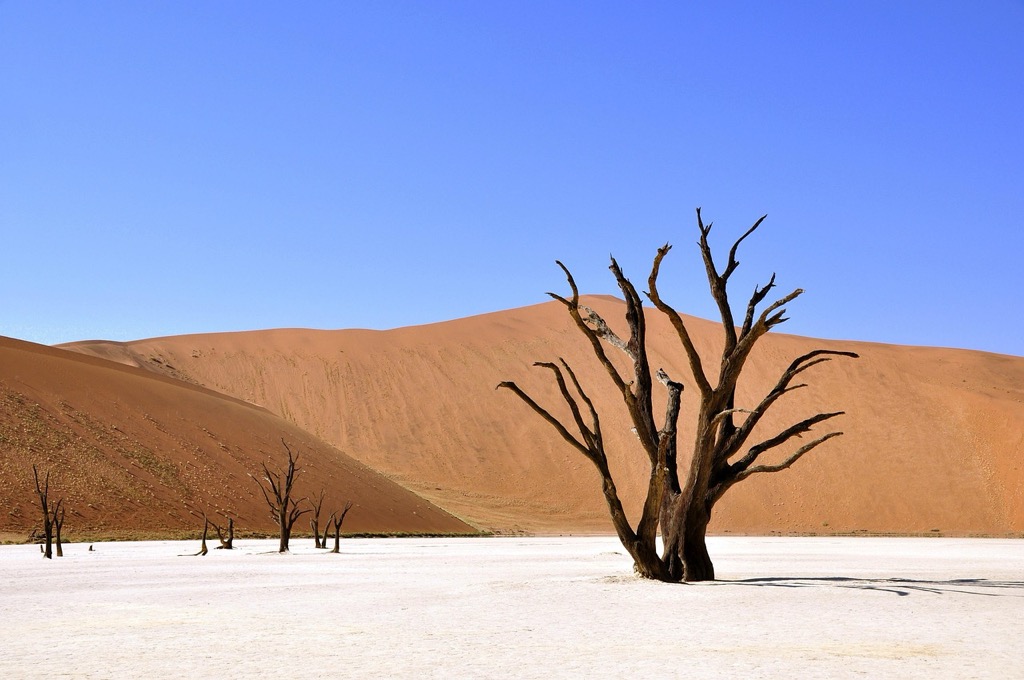
Single elements gain dramatic impact when surrounded by vast empty spaces in drought-affected areas. Place solitary trees, abandoned boats, or wildlife against expansive backgrounds to emphasize scale and isolation. You’ll find that negative space amplifies your subject’s emotional weight while creating contemplative compositions that draw viewers into the scene.
Apply Rule of Thirds in Vast Open Landscapes
Divide your frame strategically to balance enormous sky areas with textured ground surfaces in low water environments. Position horizon lines along the lower third to showcase dramatic cloud formations above dried landscapes. Place isolated subjects at intersection points to create visual anchors that prevent compositions from feeling empty or purposeless in these minimalist drought scenes.
Conclusion
These seven creative approaches will transform how you capture low water landscapes turning challenging drought conditions into compelling photographic opportunities. You’ll discover that what initially appears as environmental limitation actually opens doors to unique compositions and striking visual narratives.
Remember that timing remains crucial for maximizing these techniques. Early morning and golden hour lighting will enhance textures expose intricate details and create the dramatic contrast your images need to stand out.
Don’t let low water levels discourage your landscape photography sessions. Instead embrace these conditions as chances to document rare geological features capture wildlife adaptations and create minimalist compositions that wouldn’t be possible during normal water levels.
Your camera can tell powerful stories about resilience and natural beauty even in the harshest conditions. These techniques will help you build a portfolio that showcases both technical skill and creative vision.
Frequently Asked Questions
What makes low water conditions ideal for landscape photography?
Low water conditions expose unique features typically hidden underwater, such as rock formations, weathered tree stumps, and intricate sandbar patterns. These drought conditions create extraordinary compositional opportunities, revealing ancient geological textures and allowing photographers to capture dramatic contrasts between exposed elements and remaining water features.
How can I capture better reflections in shallow water?
Scout for still water surfaces like puddles and streams during early morning when wind is minimal. Use polarizing filters to control reflection intensity and reduce glare. Position yourself at low angles close to the water’s surface to maximize visual impact and create symmetrical compositions that emphasize the interplay between landscape and reflection.
What’s the best lighting for silhouette photography against exposed riverbeds?
Golden hour lighting creates the most dynamic contrast for silhouette photography. Position subjects between the low sun and cracked earth patterns for striking rim lighting. Use backlighting techniques to reveal intricate details of dried riverbed textures while maintaining strong subject silhouettes and ensuring proper exposure for dramatic contrast.
How do I photograph exposed underwater landscapes effectively?
Use side lighting and macro lenses to capture textures and patterns of exposed rock formations. Shoot sand and sediment deposits during golden hour to accentuate their delicate designs. Document stranded aquatic elements like dried scales and weathered driftwood, framing them against contrasting textures to create compelling focal points.
What compositional techniques work best with receding waterlines?
Use receding waterlines as natural leading lines to guide viewer attention through the frame. Capture curved dried stream beds from various angles to create dynamic S-curves. Frame shoreline patterns diagonally during golden hour when side lighting accentuates textures, and layer multiple leading line elements to enhance depth and visual hierarchy.
How can long exposure techniques enhance low water photography?
Use long exposures to create ethereal effects in small water areas, combining motion blur with sharp terrestrial details. Position yourself at shallow creek sections to capture silky water ribbons over rocks. Capture trickling streams with extended exposures to create misty veils against drought-cracked backgrounds for compelling visual tension.
What wildlife photography opportunities exist in low water conditions?
Document how animals adapt their behaviors during drought, such as expanded foraging ranges and nesting closer to water sources. Capture stress indicators in mammals and interactions at concentrated water sources. Focus on ecosystem changes, species composition shifts, and before-and-after scenarios to illustrate drought’s impact on habitats.
How do I create minimalist compositions in dried landscapes?
Use dried lake beds as canvases for minimalist photography, with cracked earth serving as striking backdrops. Create powerful images with isolated subjects like solitary trees or abandoned boats to emphasize scale and emotional weight. Apply the rule of thirds to balance vast open landscapes, positioning horizon lines strategically for enhanced composition.