
7 Tips for Managing Beach Day Waste That Ocean Lovers Swear By
Discover 7 essential tips to reduce beach waste and protect marine life. Learn how to pack reusable items, plan cleanup strategies, and dispose of trash responsibly for eco-friendly beach days.
Beach days should be about sun sand and waves — not the trash you accidentally leave behind. The hard truth: Americans generate over 6 billion pounds of beach litter annually and much of it comes from well-meaning beachgoers who don’t realize they’re part of the problem.
Why it matters: Your beach waste doesn’t just disappear when the tide comes in — it travels through ocean currents affects marine life and eventually circles back to impact coastal communities worldwide. Simple preparation and mindful habits can transform you from an accidental polluter into an ocean protector.
What you’ll learn: These seven practical strategies will help you enjoy your beach day while keeping coastlines pristine for future generations.
Disclosure: As an Amazon Associate, this site earns from qualifying purchases. Thank you!
Pack Reusable Items Instead of Single-Use Products
Making the switch to reusable items dramatically cuts your beach waste footprint while saving money over time. You’ll reduce the 6 billion pounds of annual beach litter by choosing items that last multiple trips instead of ending up in landfills after one use.
Bring Refillable Water Bottles and Containers
Stay hydrated on the go with the Owala FreeSip water bottle. It features a unique FreeSip spout for sipping or swigging and keeps drinks cold for up to 24 hours.
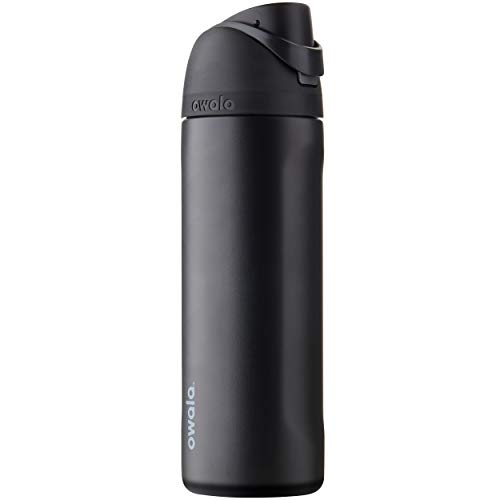

Stainless steel water bottles keep drinks cold for hours in beach heat while eliminating plastic bottle waste. Pack large containers like gallon jugs for group refills and smaller bottles for individual use. I’ve watched families save $20-30 per beach trip by ditching single-use bottles.
Choose Washable Plates, Cups, and Utensils
Melamine plates and cups handle beach conditions better than paper alternatives that get soggy and blow away in coastal winds. Bamboo utensils weigh almost nothing in your beach bag and rinse clean with seawater. These items pay for themselves after just three beach outings.
Enjoy durable and reusable dining with this set of six 11-inch melamine plates. These shatter-proof, stackable plates are dishwasher-safe and made from food-grade, BPA-free material.

Opt for Cloth Towels Over Paper Products
Microfiber towels absorb more water and sand than paper towels while taking up minimal space when packed. Beach-specific towels dry faster than regular bath towels and resist that musty smell. One quality beach towel replaces hundreds of paper towels throughout a summer season.
These USANOOKS microfiber cloths feature a unique Grip-Root weave that absorbs 8-10x their weight in liquids. Durable and lint-free, they last for 1200+ washes and deliver a streak-free shine on any surface.

Plan Your Trash Strategy Before You Arrive
A few minutes of pre-beach planning prevents hours of cleanup frustration and ensures you’re not scrambling to find disposal options with sandy hands and tired kids.
Research Beach Waste Disposal Facilities
Check your destination beach’s website or call ahead to locate trash bins, recycling stations, and any special disposal requirements. Many popular beaches have limited facilities that fill up quickly during peak hours, while remote spots may have zero waste infrastructure requiring pack-out protocols.
Designate Specific Bags for Different Types of Waste
Bring separate bags for trash, recyclables, and wet items to streamline your cleanup process and prevent cross-contamination. Use mesh bags for sandy items like toys and solid-colored bags for food waste to keep everything organized and easy to transport back to your car.
Protect your delicates in the washer and dryer with this durable honeycomb mesh laundry bag. Features include a rust-proof, auto-lock zipper and long-lasting, tear-resistant material.

Assign Family Members Cleanup Responsibilities
Give each family member a specific cleanup task before you even unpack your gear. Assign one person to collect trash, another to gather recyclables, and designate someone to shake out and fold towels while keeping younger kids engaged with simple tasks like collecting their own toys.
Separate Recyclables from Regular Trash
Proper waste separation at the beach creates a cleaner environment and reduces the burden on local waste management systems. Smart recycling practices during your beach day can divert up to 40% of typical beach waste from landfills.
Identify Which Materials Can Be Recycled at the Beach
You’ll encounter several recyclable materials during your beach day that shouldn’t end up in regular trash. Plastic water bottles, aluminum cans, glass containers, and clean food packaging typically qualify for recycling programs.
Check your local beach’s recycling guidelines before your visit since acceptance varies by location and processing facility.
Use Clear Containers to Sort Items Properly
Organize your space with these durable, stackable storage bins. The clear design lets you easily see contents, while the secure snap-on lid keeps items safe.
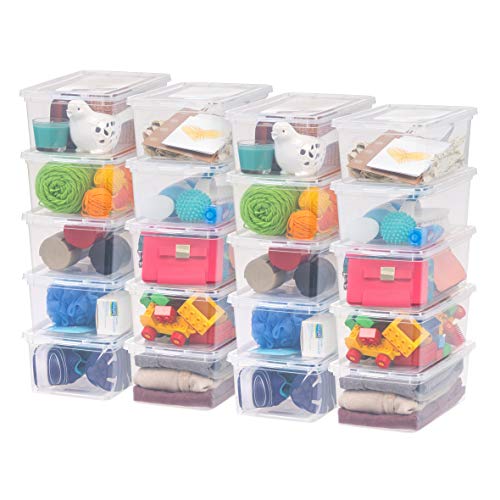
Clear plastic bags or transparent containers help you visually separate recyclables from regular waste throughout your beach day. You’ll quickly identify what goes where and avoid contaminating recyclable materials with non-recyclable items.
Label each container with waterproof markers to prevent confusion when multiple family members contribute to waste sorting.
Clean Recyclables Before Packing Them Away
Rinse sand, salt, and food residue from recyclable containers using available beach facilities or bottled water. Clean recyclables process more efficiently at recycling centers and prevent contamination of entire recycling batches.
Pack cleaned recyclables in separate bags to maintain their condition during transport back home or to beach recycling stations.
Secure All Lightweight Items to Prevent Littering
Beach winds can turn your organized waste system into an environmental disaster in seconds. Even the most responsible beachgoers lose track of lightweight items that get caught in coastal breezes and scattered across the sand.
Weigh Down Napkins, Wrappers, and Paper Goods
Place small rocks or shells on top of napkins and food wrappers to prevent them from blowing away. You can also use your beach cooler or water bottles as weights for larger paper items. Keep all lightweight waste inside your cooler or a heavy container until you’re ready to dispose of it properly.
Use Clips or Containers for Small Waste Items
Bring large binder clips or clothespins to secure loose papers and wrappers to your beach bag or umbrella. Small plastic containers with tight-fitting lids work perfectly for collecting bottle caps, straw wrappers, and other tiny debris. This prevents small items from escaping into the sand where they’re nearly impossible to retrieve.
Check Your Area for Wind-Blown Debris
Walk around your beach setup every 30 minutes to collect any items that may have blown away. Pay special attention to the area downwind from your spot where lightweight waste typically accumulates. Before leaving, do a final sweep in a 20-foot radius around your location to catch anything you might have missed.
Leave No Trace by Cleaning Up Completely
Every beach trip should end with a thorough cleanup that goes beyond just packing your belongings. A complete cleanup ensures you’re leaving the beach better than you found it.
Conduct a Final Sweep of Your Beach Spot
Walk in expanding circles around your entire beach area before leaving. Check under towels, around chairs, and in the sand where you’ve been sitting throughout the day. Sand has a way of hiding small items like bottle caps, food wrappers, and personal belongings that can easily become litter.
Pick Up Trash That Isn’t Yours
Grab any litter you spot within a reasonable distance of your setup, even if it’s not yours. You’ll often find cigarette butts, plastic fragments, and food packaging that other beachgoers left behind. This simple act prevents waste from entering the ocean and sets a positive example for others.
Shake Out Towels and Blankets Away from the Sand
Move at least 20 feet away from your beach spot before shaking out any fabric items. Towels and blankets collect small debris, food crumbs, and plastic pieces that scatter back onto the sand when shaken. Walk toward the dunes or parking area to shake them out instead.
Dispose of Waste Properly at Designated Areas
You’ll find proper waste disposal becomes much easier when you know where to look and what the local rules are.
Locate Official Beach Trash and Recycling Bins
Finding designated bins saves you from carrying waste home unnecessarily. Most developed beaches place trash receptacles near restrooms, parking areas, and main walkways. Scout these locations when you arrive and note the closest bins to your setup. Some beaches provide separate recycling containers, though availability varies significantly by location and local waste management contracts.
Pack Out What You Can’t Dispose of On-Site
Remote beaches and conservation areas often require you to remove all waste yourself. Designated wilderness beaches typically prohibit leaving any trash behind, including organic waste like fruit peels that can disrupt local ecosystems. Keep a dedicated “pack-out” bag ready for these situations. This approach also works perfectly when existing bins are overflowing during peak beach days.
Follow Local Beach Waste Management Guidelines
Each beach community maintains specific rules about waste disposal and acceptable materials. Coastal towns often post signage detailing what goes in regular trash versus recycling bins, since contamination can ruin entire recycling loads. Some beaches prohibit glass containers entirely, while others restrict certain types of packaging during nesting seasons to protect wildlife.
Educate Others About Beach Waste Management
Spreading awareness about beach waste management multiplies your positive impact beyond your own cleanup efforts. You’ll find that most beachgoers want to do the right thing but simply don’t know the best practices.
Share Tips with Fellow Beachgoers
Casual conversations with nearby beach visitors create natural opportunities to share waste management knowledge. You can mention how using reusable containers reduces cleanup time or point out where recycling bins are located. Keep your approach friendly and informative rather than preachy, as people respond better to helpful suggestions than lectures about environmental responsibility.
Lead by Example with Your Own Practices
Your visible waste management habits influence others more than you realize. When you’re sorting recyclables or securing lightweight items against the wind, nearby beachgoers often notice and ask questions. Demonstrating proper cleanup techniques like shaking out towels away from the sand or conducting a final area sweep shows others these practices in action.
Encourage Friends and Family to Adopt These Habits
Start waste management conversations before your beach trip by involving everyone in planning and packing reusable items. Assign specific cleanup roles to family members and make it a group activity rather than one person’s responsibility. Celebrate when kids spot litter or when everyone remembers to bring their designated waste bags, reinforcing these behaviors as positive family traditions.
Conclusion
Your actions at the beach create ripples that extend far beyond your day in the sun. By implementing these seven waste management strategies you’re not just keeping your spot clean – you’re actively protecting marine ecosystems and inspiring others to follow suit.
Small changes like packing reusable items and securing lightweight waste can dramatically reduce your environmental footprint. When you take the extra step to educate others and lead by example you become part of the solution to the massive beach litter problem.
The ocean’s health depends on conscious choices made by beachgoers like you. Every piece of trash you prevent from entering the water helps preserve these beautiful spaces for future generations to enjoy.
Frequently Asked Questions
How much beach litter do Americans produce each year?
Americans produce over 6 billion pounds of beach litter annually, often unintentionally. This massive amount of waste significantly impacts marine life and coastal communities, making it crucial for beachgoers to adopt responsible practices to reduce their environmental footprint.
What are the best reusable items to bring to the beach?
Pack refillable water bottles, washable plates and utensils, cloth towels instead of paper products, and reusable containers for food storage. These items significantly reduce single-use waste while saving money over time and helping protect ocean ecosystems.
How should I plan for waste management before going to the beach?
Research waste disposal facilities at your destination beach beforehand, as many popular spots have limited options. Designate specific bags for different waste types, assign cleanup responsibilities to family members, and plan to pack out all waste if visiting remote areas.
What percentage of beach waste can be recycled?
Smart recycling practices can divert up to 40% of typical beach waste from landfills. Common recyclable beach items include plastic water bottles, aluminum cans, and glass containers. Always check local recycling guidelines before your visit.
How can I prevent lightweight items from blowing away at the beach?
Use small rocks to weigh down napkins and wrappers, utilize coolers and water bottles as weights for larger items, and store small waste in tight-lid containers or secure with binder clips. Regularly check your area for wind-blown debris.
What should I do during my final beach cleanup?
Conduct a thorough sweep of your area, checking under towels and around chairs for hidden litter. Pick up any trash that isn’t yours, and shake out towels and blankets at least 20 feet away from your spot to avoid scattering debris.
Where should I dispose of beach waste properly?
Locate official trash and recycling bins near restrooms, parking areas, and main walkways. For remote beaches, pack out all waste including organic materials. Always follow local waste management guidelines as rules vary by beach community.
How can I encourage others to reduce beach litter?
Share waste management tips with fellow beachgoers in a friendly manner, lead by example with visible responsible practices, and involve friends and family in cleanup efforts. Creating awareness helps build a culture of environmental responsibility.