7 Secret Saltwater Beach Activities Locals Love
Discover 7 thrilling saltwater beach activities! From surfing perfect waves to peaceful beachcombing, explore water sports, fishing, kayaking & SUP for every adventure level.
Salt water beaches offer endless opportunities for adventure and relaxation beyond just lounging on the sand. Whether you’re drawn to the thrill of riding waves or prefer exploring underwater ecosystems, coastal environments provide diverse recreational options that cater to every interest level. From high-energy water sports to peaceful beachcombing activities, these seven pursuits will help you maximize your time at the shore and discover new ways to connect with the ocean.
Disclosure: As an Amazon Associate, this site earns from qualifying purchases. Thank you!
Surfing the Waves for Ultimate Adrenaline Rush
Nothing matches the pure rush of catching your first perfect wave and riding it to shore. Surfing transforms salt water beaches into your personal playground where ocean energy meets human determination.
Choosing the Right Surfboard for Your Skill Level
Foam longboards (8-10 feet) work best for beginners because they’re stable and forgiving when you wipe out. The soft foam construction won’t injure you during inevitable tumbles.
Intermediate surfers should graduate to fiberglass boards around 7-8 feet with rounded noses for easier paddling. You’ll catch more waves while building confidence in steeper conditions.
Advanced riders can handle shorter boards (6-7 feet) with pointed noses that offer maximum maneuverability for carving tight turns and performing tricks.
Best Salt Water Beach Destinations for Surfing
Huntington Beach, California delivers consistent waves year-round with gentle breaks perfect for learning and beach amenities nearby. The Wedge at Newport Beach offers more challenging conditions.
Outer Banks, North Carolina provides excellent fall and winter swells when hurricane activity generates powerful waves. Cape Hatteras Point creates some of the East Coast’s most reliable surf.
Pipeline in Hawaii remains the ultimate destination for experienced surfers seeking massive barrels and world-class conditions, though only experts should attempt these dangerous breaks.
Essential Safety Tips for Ocean Surfing
Always surf with a buddy and stay within designated surfing areas where lifeguards can assist if needed. Rip currents and changing tides create hidden dangers even experienced surfers respect.
Wear a proper wetsuit for water temperature and use a leash to keep your board connected during wipeouts. Cold water shock affects your ability to swim even in seemingly mild conditions.
Check surf reports and local conditions before entering the water because wave height, period, and wind direction dramatically impact safety. Start small and work up to larger swells gradually.
Snorkeling Adventures in Crystal Clear Waters
Salt water snorkeling opens up an entirely different world beneath the waves. You’ll discover vibrant ecosystems teeming with life just a few feet below the surface.
Must-Have Snorkeling Gear for Salt Water Exploration
Quality masks with tempered glass lenses resist salt water corrosion better than cheap plastic versions. Silicone skirts create watertight seals that won’t degrade in ocean conditions.
Full-foot fins work best in warm salt water since you won’t need booties. Choose stiffer blades for stronger currents and softer ones for leisurely exploration in calm bays.
Top Marine Life to Spot While Snorkeling
Tropical parrotfish create those distinctive crunching sounds as they graze on coral. You’ll often see them in shallow reef areas during morning hours.
Sea turtles frequent grass beds near shore breaks, especially in Hawaii and Florida. Angelfish and butterflyfish dart between coral formations, while rays glide over sandy bottoms.
Protecting Coral Reefs During Your Underwater Journey
Reef-safe sunscreen without oxybenzone prevents chemical damage to coral polyps. Apply it 30 minutes before entering the water for maximum skin protection.
Maintain neutral buoyancy to avoid accidentally kicking or touching fragile coral structures. Even brief contact can damage coral that takes decades to grow back to full size.
Beach Volleyball Tournaments and Casual Games
Beach volleyball transforms any stretch of sand into an instant arena where competition meets ocean breeze. You’ll find this sport perfectly captures the social energy that makes salt water beaches so magnetic.
Setting Up the Perfect Beach Volleyball Court
Measure your court to regulation 26 by 52 feet for serious play. Pack the sand firmly by walking the perimeter and watering down loose areas. Set your net at 7 feet 11 inches for men’s play or 7 feet 4 inches for women’s matches. Mark boundaries with rope or spray paint that won’t wash away with incoming tides.
Rules and Regulations for Competitive Play
Teams consist of two players with three touches maximum per side. You can’t catch or hold the ball – every contact must be clean. Serves rotate after each point and matches typically play to 21 points with a two-point margin. The ball stays in play until it hits the sand or travels outside boundary lines.
Building Team Chemistry for Maximum Fun
Communication becomes your secret weapon when ocean sounds mask verbal cues. Develop hand signals for plays and establish who covers which zones before serving. Practice calling “mine” early and loudly since wind carries voices unpredictably. Rotate partnerships every few games to keep energy high and help everyone improve their adaptability.
Salt Water Fishing from Shore and Boat
Salt water fishing opens up endless possibilities beyond the beach activities you’ve already explored. Whether you’re casting from rocky jetties or heading offshore in a charter boat, ocean angling offers both relaxation and excitement that perfectly complements your beach adventures.
Essential Fishing Equipment for Ocean Angling
Spinning reels paired with medium-heavy rods handle most salt water fishing situations you’ll encounter. Choose 7-8 foot rods for shore fishing and 6-7 foot rods for boat fishing to maintain proper control.
Your tackle box needs circle hooks in sizes 2/0 to 8/0 and pyramid sinkers from 2-8 ounces depending on current strength. Pack extra leader material since salt water fish have sharp teeth and abrasive mouths that cut through regular line.
Popular Salt Water Fish Species to Target
Redfish cruise shallow waters near shore and provide excellent fights for beginners and experts alike. These copper-colored beauties often feed in schools around jetties and inlet mouths during incoming tides.
Flounder hide in sandy bottoms near structure and offer delicious table fare when you master bottom fishing techniques. Striped bass migrate seasonally along coastlines and create some of the most exciting fishing opportunities from both shore and boat.
Understanding Tides and Weather for Successful Fishing
Moving water triggers feeding activity, making the two hours before and after tide changes your most productive fishing windows. Incoming tides bring baitfish closer to shore while outgoing tides concentrate fish around deeper channels.
Wind direction affects water temperature and current patterns more than most anglers realize. Offshore winds create cleaner water conditions while onshore winds can muddy the water but also push baitfish toward feeding predators near the surf.
Kayaking Through Coastal Waters and Mangroves
Kayaking opens up salt water environments that remain completely inaccessible to beach walkers and even most boaters. You’ll glide silently through narrow channels where dolphins hunt and discover hidden lagoons teeming with marine life.
Selecting the Right Kayak for Salt Water Adventures
Sea kayaks handle salt water conditions far better than recreational models. Their longer hulls track straight through choppy waves while sealed compartments keep your gear dry when spray flies.
Sit-on-top kayaks work best for warm coastal waters since you’ll get wet regardless. Choose models with scupper holes that drain automatically and molded-in rod holders for fishing opportunities along your route.
Navigating Ocean Currents and Coastal Conditions
Tidal currents can push you miles off course if you don’t plan your timing carefully. Launch two hours before high tide to ride incoming water into protected areas then return as the tide drops.
Wind creates the biggest challenge for coastal kayaking since you’re sitting high above the waterline. Paddle close to shorelines when possible and always carry a marine radio for weather updates that can save your trip.
Exploring Hidden Coves and Marine Ecosystems
Mangrove tunnels reveal Florida’s most pristine ecosystems where manatees rest and tarpon roll. Your shallow draft lets you explore creeks that motorboats can’t reach while maintaining the quiet approach that wildlife requires.
Timing matters enormously for wildlife encounters. Early morning paddles offer the best chance to spot feeding birds and surfacing marine mammals before boat traffic disturbs their natural patterns throughout protected coastal areas.
Beachcombing for Treasures and Natural Wonders
After all that active beach time, beachcombing offers a peaceful way to discover the ocean’s hidden gifts washed ashore. You’ll find yourself slowing down and truly connecting with the coastal environment as you search for nature’s treasures.
Identifying Valuable Shells and Sea Glass
Look for complete conch shells, sand dollars, and angel wings – these command the highest collector interest. Sea glass in rare colors like red, orange, and purple proves most valuable, while common green and brown pieces still make beautiful finds. Check for smooth, frosted edges that indicate genuine ocean tumbling rather than fresh breaks.
Best Times and Locations for Successful Beachcombing
Hunt during low tide and after storms when retreating waters expose fresh treasures. Early morning sessions before crowds arrive yield the best discoveries. Rocky coastlines and areas near jetties concentrate interesting finds, while isolated stretches often hide untouched shells that tourist beaches lack.
Creating Beautiful Displays with Your Coastal Finds
Sort your collection by size, color, and type before arranging displays in shadow boxes or glass bowls. Layer different textures – smooth sea glass with textured shells creates visual interest. Clean finds with gentle soap and water, then arrange larger pieces as focal points with smaller treasures filling spaces between them.
Stand-Up Paddleboarding for Peaceful Water Exploration
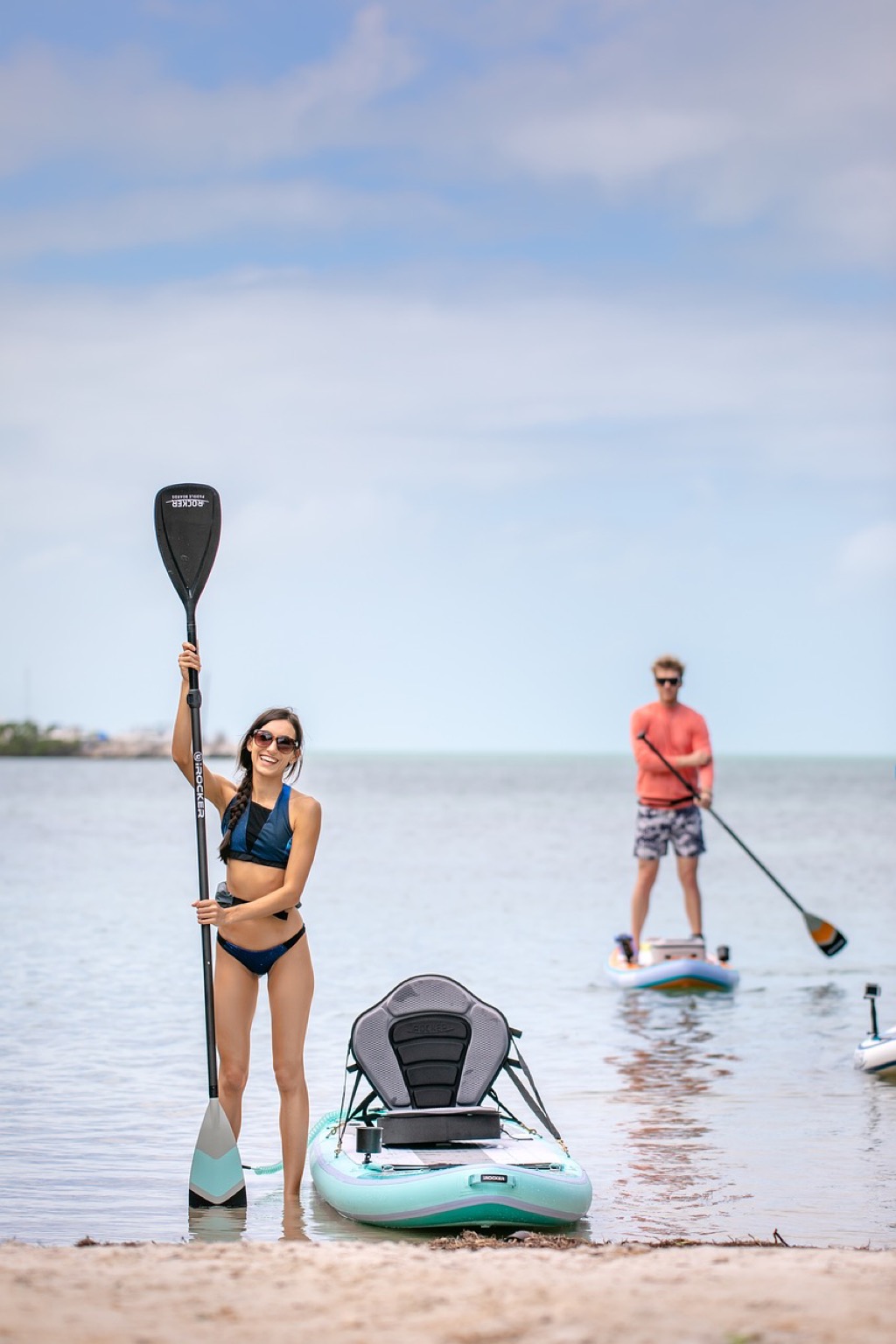
Stand-up paddleboarding offers salt water beach lovers a unique way to glide across calm surfaces while building core strength and finding inner peace. You’ll discover hidden coves and observe marine life from a elevated perspective that’s impossible to achieve from shore.
Mastering Balance and Paddling Techniques
Start on your knees in shallow water before attempting to stand. Position your hands where your knees were and slowly rise one foot at a time. Keep your core engaged and look at the horizon rather than down at the water.
Practice your paddle stroke using your entire torso rather than just your arms. Reach forward and pull the water alongside the board while rotating your shoulders for maximum efficiency and reduced fatigue.
SUP Yoga and Fitness Routines on the Water
Water-based yoga poses challenge your stability in ways land practice can’t match. Begin with simple poses like child’s pose and tabletop before progressing to warrior sequences. The gentle movement of water beneath your board engages micro-muscles throughout your body.
Morning sessions provide the calmest conditions for fitness routines. You’ll build functional strength while enjoying the therapeutic sound of gentle waves lapping against your board as you flow through movements.
Choosing Calm Bays Versus Open Ocean Paddling
Protected bays offer ideal conditions for beginners and peaceful exploration sessions. These sheltered waters typically feature minimal waves and predictable currents that won’t overwhelm new paddlers. You’ll encounter diverse wildlife in mangrove areas and shallow flats.
Open ocean paddling requires advanced skills and proper safety equipment including leashes and emergency whistles. Experienced paddlers appreciate the challenge of ocean swells and the opportunity to spot dolphins and sea turtles in deeper waters.
Conclusion
Your next salt water beach adventure awaits with endless possibilities at your fingertips. Whether you’re craving the adrenaline rush of catching the perfect wave or the peaceful meditation of beachcombing at sunrise you’ll find activities that match your mood and energy level.
The ocean offers something special for everyone from families seeking gentle paddleboard sessions to thrill-seekers ready to tackle challenging surf breaks. Each activity connects you deeper with the marine environment while building lasting memories and new skills.
Don’t limit yourself to just one pursuitâÂÂmix and match these seven activities to create your perfect beach day. You’ll discover that salt water beaches aren’t just destinations but gateways to adventure relaxation and natural wonder that’ll keep calling you back to the shore.
Frequently Asked Questions
What activities can I do at salt water beaches besides sunbathing?
Salt water beaches offer numerous activities including surfing, snorkeling, beach volleyball, fishing, kayaking, beachcombing, and stand-up paddleboarding (SUP). These activities range from thrilling water sports to peaceful exploration, catering to different interests and energy levels for a complete beach experience.
What surfboard should beginners choose?
Beginners should start with foam longboards as they provide better stability and safety. As skills improve, intermediate surfers can transition to fiberglass boards, while advanced surfers typically prefer shorter boards for better maneuverability and performance in challenging waves.
What gear do I need for snorkeling?
Essential snorkeling gear includes a quality mask that fits properly, fins suited for warm waters, and a snorkel tube. Consider reef-safe sunscreen to protect coral reefs and maintain neutral buoyancy to avoid damaging fragile marine ecosystems while exploring underwater.
How do I set up a beach volleyball court?
A regulation beach volleyball court measures 52 feet long by 26 feet wide with a net height of 8 feet for men and 7 feet 4 inches for women. Mark the boundaries clearly in the sand and ensure adequate space around the court for safe play.
What fishing equipment works best for salt water fishing?
For salt water fishing, use medium-heavy rods with spinning reels, circle hooks, and pyramid sinkers. This setup handles various fishing situations effectively. Understanding tides and weather patterns is crucial, as moving water increases fish feeding activity and improves your chances of success.
What type of kayak is best for salt water?
Sea kayaks are ideal for salt water adventures due to their stability and design for ocean conditions. Sit-on-top models work well in warm waters and are easier for beginners. Choose kayaks specifically designed to handle coastal currents and saltwater environments.
When is the best time for beachcombing?
The optimal times for beachcombing are during low tide and after storms when the ocean reveals more treasures. Early morning hours often provide the best finds before other beachcombers arrive, especially along rocky coastlines and isolated beach stretches.
Is stand-up paddleboarding difficult to learn?
SUP is relatively easy to learn with proper technique. Focus on engaging your core for balance and use proper paddle strokes. Beginners should start in calm bays before progressing to open ocean conditions, which require advanced skills and additional safety equipment.