7 Tips for Using Metal Detectors in Freshwater Lakes That Pros Swear By
Discover 7 expert tips for successful metal detecting in freshwater lakes. Learn about waterproof equipment, legal compliance, prime locations, and responsible detecting techniques.
Why it matters: Metal detecting in freshwater lakes opens up incredible treasure-hunting opportunities that most detectorists overlook, from lost jewelry and coins to historical artifacts hidden beneath the water’s surface.
The challenge: Unlike beach or land detecting, underwater metal detecting requires specialized techniques and equipment to navigate murky waters, changing depths, and unique environmental factors that can make or break your success.
What you’ll learn: These seven proven strategies will help you maximize your finds while staying safe, covering everything from choosing the right waterproof detector to reading underwater terrain like a pro.
Disclosure: As an Amazon Associate, this site earns from qualifying purchases. Thank you!
Choose the Right Waterproof Metal Detector for Lake Detecting
Find treasure with the PANCKY metal detector, featuring a precise DSP chip and five detection modes for accurate results. Its waterproof coil and intuitive LCD screen make treasure hunting easy, day or night.


Your detector choice makes or breaks your freshwater lake detecting success. The wrong equipment will leave you frustrated with poor performance and potential water damage.
Consider Fully Submersible Models
Fully submersible detectors handle complete underwater immersion without compromising performance or risking damage. Standard waterproof models only protect against splashes and rain, leaving you limited to shallow wading.
Look for detectors rated to at least 10 feet of depth. This gives you flexibility to detect in deeper sections where fewer people venture, increasing your chances of finding valuable items.
Evaluate Detection Depth Capabilities
Detection depth varies dramatically between freshwater lake detectors, with quality models reaching 8-12 inches for coin-sized targets. Cheaper units often struggle beyond 4-6 inches, missing deeper treasures.
Consider the trade-off between depth and target identification. Maximum depth settings reduce discrimination ability, potentially leading to more junk finds but also increasing chances of discovering valuable deep targets.
Look for Saltwater/Freshwater Discrimination Features
Freshwater-specific discrimination modes filter out common lake debris like bottle caps and pull-tabs while preserving signals from valuable metals. Many detectors default to saltwater settings that perform poorly in freshwater environments.
Switch to freshwater mode to reduce false signals and improve target accuracy. This adjustment significantly improves your success rate by eliminating the electrical interference that saltwater settings create in freshwater conditions.
Research Lake Regulations and Obtain Proper Permits
Lake detecting isn’t as simple as grabbing your gear and heading out. Legal compliance protects both you and the hobby’s future.
Check Local and State Metal Detecting Laws
State regulations vary dramatically across the country. Some states ban metal detecting in all public waters while others allow it with restrictions. Check your state’s Department of Natural Resources website first, then contact local park authorities for specific lake rules. Many municipalities have separate ordinances that override state permissions.
Secure Landowner Permission for Private Lakes
Private lake access requires written permission from the property owner. Don’t assume verbal agreements protect you legally. Many private lakes have homeowner associations with strict detecting policies. Contact the lake association president or property management company before making any plans. Some owners welcome responsible detectorists who share interesting finds.
Understand Archaeological Protection Requirements
Federal and state laws strictly protect archaeological sites, including underwater locations. The Archaeological Resources Protection Act applies to lakes on federal land, making unauthorized detecting a felony. Report any historical artifacts like Native American items or colonial-era objects to local archaeological authorities. When in doubt about a find’s significance, stop detecting and consult professionals.
Target High-Traffic Areas and Historical Locations
Popular swimming spots and historical lake areas consistently produce the best metal detecting finds. These locations concentrate decades of dropped jewelry, coins, and artifacts from regular human activity.
Focus on Swimming Areas and Boat Launches
Swimming beaches and boat ramps offer your highest probability of finding jewelry and modern coins. People lose rings, watches, and pocket items when entering and exiting the water at these designated access points. Target the shallow areas where swimmers gather, typically 2-4 feet deep near shorelines and sandy bottoms.
Search Near Old Piers and Docks
Historic pier foundations and abandoned dock structures hold decades of accumulated treasures. These spots served as fishing and recreational hubs where people dropped tackle boxes, tools, and personal belongings. Look for underwater pilings, concrete footings, and wooden remnants that indicate former structures in 5-15 feet of water depth.
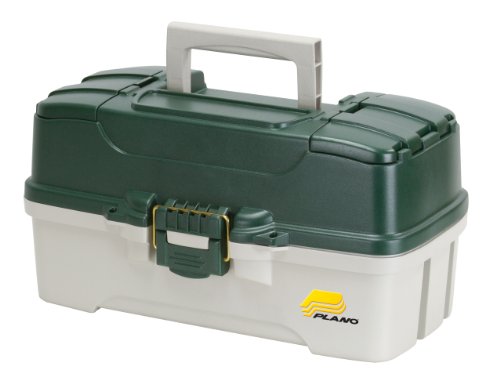
Organize your fishing gear with the Plano 3-Tray Tackle Box. It features three cantilever trays with adjustable compartments and dual top access for quick retrieval of small items.
Investigate Areas with Historical Significance
Former resort locations, old ferry crossings, and historical settlements along lake shores contain vintage coins and artifacts from past eras. Research local historical societies and old maps to identify defunct camps, lodges, and transportation routes. These sites often yield items dating back 50-100 years, including military artifacts and period jewelry.
Master Shallow Water Detection Techniques
Shallow water detecting demands different tactics than beach or land hunting. You’ll maximize your finds by adapting your technique to the unique challenges of lake environments.
Use Slow, Overlapping Sweep Patterns
Slow sweeps reveal deeper targets that fast movements miss. Move your detector at half your normal land speed, overlapping each sweep by 50%. Water resistance naturally slows your movement, but fighting this creates erratic patterns that skip potential finds.
Maintain Consistent Coil Height Above Bottom
Keep your coil 1-2 inches above the lake bottom for optimal performance. Higher positioning reduces sensitivity while dragging through sediment creates false signals. Practice maintaining this distance by feel since murky water often blocks visual confirmation of your coil position.
Adjust Sensitivity Settings for Water Conditions
Start with 75% sensitivity and adjust based on water clarity and mineralization. Clear lakes allow higher settings while mineral-rich or murky water requires lower sensitivity to prevent constant chatter. Test different levels in each new area since conditions vary dramatically even within the same lake.
Invest in Essential Lake Metal Detecting Accessories
Your lake detecting success hinges on having the right accessories alongside your waterproof detector. These specialized tools transform challenging underwater recovery situations into manageable finds.
Use Quality Waterproof Headphones
Waterproof headphones dramatically improve your ability to distinguish valuable targets from junk in noisy lake environments. You’ll hear subtle tone changes that indicate gold rings versus aluminum cans, especially in deeper water where visual confirmation isn’t possible. Choose models rated IPX8 or higher with comfortable ear seals that won’t slip during extended detecting sessions in chest-deep water.
Carry Multiple Recovery Tools and Scoops
Different lake bottom conditions require specialized scoops and digging tools for efficient recovery. Pack a long-handled scoop for deeper targets, a sand scoop for rocky bottoms, and a handheld pinpointer for precise location in murky water. You’ll save hours of frustration when you can quickly adapt your recovery method to varying sediment types and depths throughout the lake.
Bring Mesh Bags for Finds and Trash Collection
Protect your delicates in the washer and dryer with this durable honeycomb mesh laundry bag. Features include a rust-proof, auto-lock zipper and long-lasting, tear-resistant material.

Separate mesh bags keep your valuable finds organized while maintaining good environmental practices during lake detecting. Use a fine-mesh bag for small items like coins and jewelry, and a larger bag for trash collection to leave the lake cleaner than you found it. The mesh design allows water to flow through while preventing lost items from floating away during your detecting session.
Time Your Lake Detecting Sessions Strategically
Strategic timing transforms average lake detecting sessions into treasure-hunting goldmines. You’ll maximize your finds and minimize interference by choosing optimal conditions.
Take Advantage of Low Water Levels
Low water levels expose previously submerged areas where lost items accumulate over decades. You’ll access shoreline zones that typically remain underwater during normal lake levels.
Target exposed mudflats and newly revealed shallow areas where rings and coins settle naturally. These conditions often occur during late summer drought periods or winter drawdowns.
Avoid Peak Swimming and Boating Hours
Peak recreation hours create dangerous conditions and reduce your detecting effectiveness significantly. You’ll face boat traffic interference and swimmer safety concerns during busy weekend afternoons.
Schedule your sessions for early morning or late evening when lakes remain calm and empty. These quieter periods also improve your ability to hear target signals clearly.
Consider Seasonal Weather Patterns
Seasonal patterns directly impact water clarity and detecting conditions in freshwater environments. You’ll achieve better results during stable weather periods with minimal wind and precipitation.
Spring runoff creates murky conditions that reduce visibility and target identification accuracy. Late summer and early fall typically offer the clearest water and most predictable lake conditions.
Practice Responsible Lake Metal Detecting Ethics
Your reputation as a detectorist depends on leaving each site better than you found it. Lake environments require extra care since underwater ecosystems are more fragile than their terrestrial counterparts.
Fill All Holes and Restore Disturbed Areas
Fill every excavation completely and pack sediment firmly to prevent erosion into the lake. Underwater holes create dangerous drop-offs for swimmers and trap debris that degrades water quality.
Replace aquatic vegetation you’ve disturbed and smooth the lake bottom to its original contour. Your detecting site should be undetectable after you leave.
Remove All Trash and Debris Found
Take out more trash than targets – it’s the golden rule of ethical detecting. Lake bottoms accumulate decades of discarded fishing tackle, cans, and plastic debris that harm wildlife.
This comprehensive fishing kit provides anglers with essential tackle for both freshwater and saltwater fishing. It includes a variety of hooks, weights, swivels, and beads organized in a durable, waterproof tackle box with customizable compartments.

Carry a mesh bag specifically for trash collection and dispose of everything properly onshore. Your cleanup efforts protect the lake ecosystem for future generations of both detectorists and recreational users.
Respect Wildlife and Environmental Conservation
Avoid detecting during sensitive wildlife periods like spawning seasons or nesting times when aquatic animals are most vulnerable. Early morning and late evening sessions minimize disruption to feeding patterns.
Stay clear of protected wetland areas and known fish spawning beds. Your detecting activities should never compromise the delicate balance that keeps these freshwater ecosystems thriving.
Conclusion
Your success in freshwater lake metal detecting depends on combining the right equipment with proper technique and environmental awareness. By implementing these seven strategies you’ll significantly improve your chances of uncovering valuable treasures while protecting the underwater ecosystem.
Remember that patience and persistence are your greatest allies in this rewarding hobby. Each lake session offers unique opportunities to discover lost items and connect with local history beneath the water’s surface.
The key to long-term success lies in maintaining ethical practices and respecting both the environment and other lake users. When you follow these guidelines you’ll enjoy years of productive detecting while preserving these valuable detecting locations for future generations.
Frequently Asked Questions
What type of metal detector is best for lake detecting?
Choose a fully submersible waterproof metal detector rated for at least 10 feet of depth. Look for models with freshwater-specific discrimination features that can filter out common lake debris like bottle caps and pull tabs. This improves target accuracy and helps you focus on valuable finds like jewelry and coins.
Do I need permission to metal detect in lakes?
Yes, always research local metal detecting laws and regulations before detecting. For private lakes, you must obtain permission from the property owner. Public lakes may have specific restrictions or require permits. Additionally, report any significant historical finds to local authorities as required by law.
What are the best areas to search in a lake?
Target high-traffic areas where people frequently swim, boat, or relax. Focus on swimming beaches, boat launches, fishing piers, and historically significant shoreline locations. These spots have the highest probability of containing lost jewelry, coins, and other valuable items dropped by visitors over the years.
When is the best time to metal detect in lakes?
Plan your detecting sessions during low water levels to access previously submerged areas. Avoid peak swimming and boating hours for safety and better results. Choose periods with stable weather conditions, as calm waters provide better visibility and easier detection compared to choppy or murky conditions.
What recovery tools do I need for lake metal detecting?
Essential accessories include quality waterproof headphones for better audio clarity underwater, sand scoops or mesh bags for retrieving targets, and waterproof pouches for storing finds. Consider bringing gloves for protection and a floating container to keep your equipment secure while detecting in deeper water.
How should I search underwater for optimal results?
Use slow, overlapping sweep patterns while maintaining consistent coil height above the lake bottom. Move methodically across your target area, ensuring complete coverage. Keep the detector coil parallel to the bottom surface and take your time – rushing reduces your chances of detecting valuable targets hidden in the sediment.
What are the ethics of lake metal detecting?
Practice responsible detecting by filling in any holes you dig and removing trash from the lake bottom. Respect wildlife by avoiding detection during sensitive periods for aquatic animals and staying away from protected wetland areas. Always leave the site cleaner than you found it to preserve the environment for future users.