7 Ways to Promote Eco-Friendly Practices Among Beachgoers That Protect Our Waters
Discover 7 actionable strategies to protect our beaches! From reef-safe sunscreens to community programs, learn how to promote eco-friendly practices that safeguard marine life and coastal ecosystems.
You’ve probably seen the heartbreaking images of marine life tangled in plastic debris or beaches littered with abandoned sunscreen bottles and food wrappers. Beach pollution isn’t just an eyesore—it’s a critical environmental crisis that threatens marine ecosystems and coastal communities worldwide.
The good news is that you can make a real difference by promoting sustainable practices among fellow beachgoers. Whether you’re a local beach enthusiast, community organizer, or coastal business owner, there are proven strategies to encourage eco-friendly behavior that actually work.
From simple awareness campaigns to innovative incentive programs, these seven actionable approaches will help you transform your local beach culture and protect the ocean for future generations.
Disclosure: As an Amazon Associate, this site earns from qualifying purchases. Thank you!
Establish Clear Signage and Educational Displays About Marine Conservation
Strategic placement of educational materials transforms casual beach visitors into informed environmental stewards. Well-designed displays create immediate awareness about conservation issues while providing actionable steps beachgoers can take to protect marine ecosystems.
Install Weather-Resistant Information Boards at Beach Entrances
Position durable signage at main access points to catch visitors before they reach the sand. These boards should highlight local marine species, seasonal nesting periods, and prohibited activities using waterproof materials that withstand salt air and UV exposure. Include QR codes linking to detailed conservation resources for tech-savvy beachgoers seeking additional information.
Create Interactive Educational Stations About Local Marine Life
Set up hands-on learning stations featuring touch-friendly displays about regional marine ecosystems. Install identification charts showing common fish species, sea birds, and coastal plants alongside interactive elements like sand table demonstrations of erosion patterns. These stations work best when positioned near natural features like tide pools or dune systems.
Display Visual Impact Statistics of Beach Pollution
Present compelling data through infographics showing pollution’s direct effects on local marine life populations. Include before-and-after photos of cleanup efforts, statistics about debris collection volumes, and visual comparisons of healthy versus polluted coastal areas. Update these displays regularly with current local data to maintain relevance and demonstrate ongoing conservation progress.
Implement Comprehensive Waste Management and Recycling Programs
Effective waste management transforms chaotic beach environments into organized spaces where eco-friendly practices become second nature. You’ll create lasting change by establishing systems that make responsible disposal easier than littering.
Set Up Strategically Placed Recycling and Trash Stations
Position dual-compartment bins every 100 feet along high-traffic beach areas, focusing on entry points, restroom facilities, and popular gathering spots. Install weather-resistant stations with clear labeling and visual guides showing acceptable recyclable materials versus general waste. You’ll maximize usage by placing bins near natural stopping points like benches, volleyball courts, and snack bars where beachgoers naturally pause.
Enjoy comfortable play with the Wilson AVP Soft Play Volleyball. Its sponge-backed cover provides a soft touch, while durable construction and a butyl rubber bladder ensure lasting performance.


Organize Regular Beach Cleanup Events and Volunteer Programs
Schedule monthly cleanup events during peak season weekends to engage the largest volunteer base while maintaining consistent beach conditions. Create family-friendly programs with educational components that teach participants about marine debris impacts and proper sorting techniques. You’ll build community ownership by recognizing regular volunteers and tracking collective impact through documented waste removal statistics.
Partner With Local Environmental Organizations for Waste Collection
Collaborate with established groups like Surfrider Foundation or local conservation societies to leverage their expertise and volunteer networks for enhanced cleanup capabilities. Coordinate with municipal waste services to ensure proper disposal and recycling processing of collected materials beyond standard beach maintenance. You’ll amplify your impact by connecting with organizations that provide specialized equipment and trained volunteers for larger-scale debris removal projects.
Promote Reef-Safe Sunscreen and Personal Care Products
Get powerful sun protection with Neutrogena Ultra Sheer SPF 70. This lightweight, non-greasy formula absorbs quickly, leaving a clean, matte finish while shielding skin from UVA/UVB rays.

Traditional sunscreens and personal care products contain chemicals that bleach coral reefs and disrupt marine ecosystems. You’ll make the biggest impact by helping beachgoers switch to safer alternatives that protect both their skin and underwater environments.
Educate Visitors About Chemical Impact on Marine Ecosystems
Oxybenzone and octinoxate in conventional sunscreens trigger coral bleaching even at concentrations as low as 62 parts per trillion. These chemicals also feminize fish, reduce reproductive success in sea urchins, and accumulate in marine food chains. Display waterproof educational materials near beach entrances showing before-and-after photos of coral reefs affected by chemical pollution.
Provide Information on Eco-Friendly Sunscreen Alternatives
Mineral-based sunscreens containing zinc oxide or titanium dioxide provide effective UV protection without harming marine life. Look for products labeled “reef-safe” that avoid oxybenzone, octinoxate, octocrylene, and nano-particles. Create weatherproof information boards listing specific reef-safe brands and ingredients to avoid, helping visitors make informed purchasing decisions before their next beach trip.
Shield sensitive skin from the sun with Blue Lizard Sensitive Mineral Sunscreen SPF 50. This fragrance-free formula uses zinc oxide for broad spectrum UVA/UVB protection and is water-resistant for worry-free fun.

Partner With Local Retailers to Offer Reef-Safe Product Options
Collaborate with nearby surf shops, pharmacies, and convenience stores to stock reef-safe sunscreen options and display educational materials about marine-friendly products. Negotiate bulk purchasing agreements to offer discounted reef-safe sunscreens at beach kiosks or visitor centers. You’ll create convenient access points while supporting local businesses that prioritize environmental responsibility over profit margins.
Encourage Sustainable Transportation Options to Beach Destinations
Transportation choices significantly impact your beach’s environmental footprint. By promoting eco-friendly travel options, you’ll reduce carbon emissions and traffic congestion while creating a more pleasant experience for all visitors.
Promote Public Transportation and Carpooling Programs
You’ll maximize eco-friendly impact by partnering with local transit authorities to establish dedicated beach shuttle services during peak seasons. Create carpooling meetup points in nearby neighborhoods with designated pickup times, making it easy for groups to share rides. Promote these options through social media campaigns that highlight cost savings and environmental benefits to encourage widespread adoption.
Establish Bike Rental Programs and Cycling Infrastructure
You can transform beach access by installing secure bike racks at 50-foot intervals and creating dedicated cycling lanes leading to the waterfront. Partner with local bike shops to offer hourly or daily rental programs positioned at transit stops and parking areas. Ensure pathways connect seamlessly to existing cycling infrastructure, making bikes a practical choice for visitors staying within a 5-mile radius.
Create Incentives for Using Electric or Hybrid Vehicles
You’ll drive sustainable transportation adoption by offering preferential parking spaces closest to beach entrances for electric and hybrid vehicles. Implement reduced parking fees or free charging stations to make eco-friendly choices financially attractive. Partner with local businesses to provide discount vouchers for sustainable transport users, creating a comprehensive incentive system that rewards environmental responsibility.
Support Local Wildlife Protection and Habitat Preservation Efforts
Creating protected spaces for wildlife while allowing beach access requires thoughtful planning that benefits both ecosystems and visitors. You’ll discover that supporting these efforts enhances your beach experience while protecting critical habitats.
Educate About Nesting Season Restrictions and Wildlife Safety
Timing your beach visits around wildlife schedules protects vulnerable species during critical periods. Sea turtle nesting season typically runs from May through October along Atlantic and Gulf coasts, requiring specific lighting restrictions and pathway limitations.
You’ll find that staying informed about local nesting schedules helps you witness wildlife safely while respecting natural behaviors. Many coastal areas provide real-time updates through wildlife apps and visitor centers.
Create Designated Wildlife Viewing Areas With Protective Barriers
Strategic viewing platforms allow close wildlife observation without habitat disruption. These elevated boardwalks and fenced areas provide optimal sightlines while maintaining safe distances from nesting sites, feeding areas, and roosting locations.
You’ll notice that designated areas often feature educational signage explaining local species behaviors and seasonal patterns. The barriers protect both wildlife and visitors from potentially dangerous encounters.
Implement Seasonal Beach Access Limitations During Critical Periods
Temporary closures during peak wildlife activity protect essential life cycles without permanent restrictions. Beach sections may close during bird migration periods, marine mammal pupping seasons, or critical nesting times when human presence causes significant stress.
You’ll appreciate that these strategic limitations often redirect visitors to alternative areas while protecting the most sensitive habitats. Many beaches coordinate closures with nearby facilities to maintain recreational access.
Advocate for Plastic-Free Beach Visits and Reusable Alternatives
Single-use plastics create the most persistent threat to beach ecosystems I’ve witnessed in my years working coastal waters. Transitioning beachgoers toward reusable alternatives dramatically reduces marine debris while often saving visitors money throughout their beach season.
Encourage Bringing Reusable Water Bottles and Food Containers
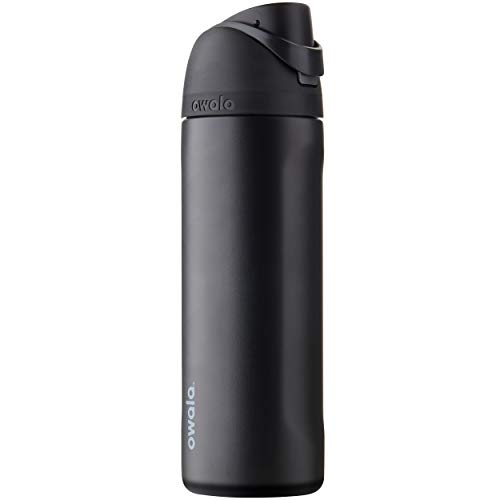
Stay hydrated on the go with the Owala FreeSip water bottle. It features a unique FreeSip spout for sipping or swigging and keeps drinks cold for up to 24 hours.
You’ll eliminate dozens of plastic bottles per beach trip by switching to insulated water bottles and glass food containers. I’ve seen families cut their beach waste by 80% simply by packing reusable lunch boxes with stainless steel containers and silicone bags instead of disposable packaging.
Promote Eco-Friendly Beach Equipment and Accessories
Sustainable beach gear performs better and lasts longer than cheap plastic alternatives in my experience. Bamboo beach umbrellas resist wind damage better than aluminum frames, while canvas beach bags handle sand and saltwater without degrading like synthetic materials do over multiple seasons.
Stay dry with the Tumella umbrella, featuring a windproof, double-canopy design tested to withstand 70+ mph winds. Its automatic open/close function and compact, lightweight build make it perfect for travel.

Partner With Local Businesses to Offer Sustainable Beach Gear
Local surf shops and beach retailers can stock eco-friendly alternatives when you create demand through organized purchasing programs. I’ve helped beach communities establish rental programs for reusable items like stainless steel coolers and bamboo beach chairs, reducing visitor costs while eliminating single-use purchases.
Keep your drinks cold for up to 4 days with the Coleman 54-Quart Steel-Belted Cooler. Its durable, rust-resistant design features a Have-A-Seat lid that supports up to 250 lbs.

Develop Community Engagement Programs and Environmental Stewardship
Building lasting environmental stewardship requires moving beyond individual actions to create organized community programs. These initiatives transform beaches into living classrooms where conservation becomes a shared responsibility.
Create Beach Ambassador Programs With Trained Volunteers
Beach ambassador programs place knowledgeable volunteers at strategic locations to guide visitor behavior through positive interaction. You’ll want to recruit local residents, marine biology students, and retired educators who can commit to regular weekend shifts during peak season.
Train ambassadors to approach visitors with helpful information rather than enforcement tactics. They should carry laminated identification cards and focus on educating families about tide pool etiquette, wildlife spotting opportunities, and proper waste disposal methods.
Organize Educational Workshops and Environmental Awareness Events
Educational workshops work best when scheduled during shoulder seasons when beaches aren’t overcrowded. You can partner with marine research institutions to offer tide pool exploration sessions, seabird identification walks, and hands-on water quality testing demonstrations.
Schedule monthly “Beach Science Saturdays” featuring different themes like microplastics research, dune restoration techniques, or sea turtle conservation. These events create repeat visitors who become invested in long-term beach health.
Establish Recognition Programs for Eco-Conscious Beachgoers
Recognition programs motivate positive behavior by celebrating visitors who demonstrate outstanding environmental stewardship. You can create a “Beach Steward” certification system where participants complete educational modules and volunteer hours to earn recognition badges.
Implement social media campaigns highlighting eco-friendly beachgoers using sustainable gear, participating in cleanups, or demonstrating wildlife-respectful behavior. Partner with local businesses to offer discounts on reef-safe sunscreen and reusable beach equipment as program rewards.
Conclusion
By implementing these seven comprehensive strategies you’ll create lasting change in how people interact with coastal environments. Each approach builds upon the others to form a robust framework for environmental protection that benefits both marine ecosystems and beach communities.
Your efforts to promote eco-friendly practices will extend far beyond individual beach visits. When you combine education with practical solutions and community engagement you create ripple effects that inspire others to become environmental stewards themselves.
The path toward sustainable beach tourism starts with small consistent actions. By taking ownership of these initiatives you’re not just protecting today’s beaches – you’re preserving these precious coastal resources for future generations to enjoy and cherish.
Frequently Asked Questions
What is beach pollution and why is it a serious problem?
Beach pollution refers to the contamination of coastal areas with plastic waste, chemicals, and other harmful materials. It poses a serious threat to marine life, disrupts coastal ecosystems, and affects the health of beach communities. Marine animals often mistake plastic debris for food, leading to injury or death, while chemical pollutants damage coral reefs and water quality.
How can educational displays help reduce beach pollution?
Educational displays transform casual beach visitors into informed environmental stewards. Weather-resistant information boards at beach entrances can inform visitors about local marine species and conservation efforts. Interactive educational stations with hands-on learning and visual impact statistics through infographics help raise awareness about pollution’s effects on local ecosystems.
What are the best practices for beach waste management?
Effective beach waste management involves strategically placing dual-compartment recycling and trash stations every 100 feet in high-traffic areas. These stations should be clearly labeled and located near natural stopping points. Regular beach cleanup events and partnerships with local environmental organizations help maintain organized beach environments that promote responsible disposal.
Why should I use reef-safe sunscreen at the beach?
Traditional sunscreens contain chemicals that harm coral reefs and marine ecosystems. Reef-safe alternatives protect both your skin and marine life. These eco-friendly sunscreens don’t contain oxybenzone, octinoxate, or other harmful chemicals that cause coral bleaching and disrupt marine food chains, making them essential for responsible beach visits.
How can I reduce my environmental impact when traveling to the beach?
Choose sustainable transportation options like public transit, carpooling, or biking to reduce your carbon footprint. Many beaches offer shuttle services and bike rental programs. If driving, consider electric or hybrid vehicles, which often qualify for preferential parking and reduced fees at environmentally conscious beach destinations.
When should I avoid certain beach activities to protect wildlife?
Respect wildlife schedules, especially during critical periods like sea turtle nesting season (typically May through October). Avoid disturbing nesting areas, observe animals from designated viewing areas with protective barriers, and follow seasonal access limitations. These measures protect vulnerable species during essential life cycles while still allowing you to enjoy the beach.
What reusable items should I bring for a plastic-free beach visit?
Bring reusable water bottles, food containers, utensils, and bags to drastically reduce plastic waste. Invest in sustainable beach equipment like bamboo beach chairs, natural fiber towels, and reusable beach toys. Many local businesses offer rental programs for eco-friendly beach gear, making it easy to avoid single-use plastics.
How can I get involved in beach conservation efforts?
Join beach ambassador programs where trained volunteers educate visitors about proper etiquette and waste disposal. Participate in educational workshops, beach cleanup events, and awareness campaigns. Look for “Beach Steward” certification programs that recognize eco-conscious behavior and consider sharing your sustainable practices on social media to inspire others.