7 Steps to Create a Pool Party Safety Plan That Saves Lives
Keep guests safe with our 7-step pool party safety guide. Learn to assess hazards, set rules, assign supervisors, prep emergency plans & maintain vigilance throughout your event.
The big picture: You’re planning the perfect pool party but one overlooked detail could turn your celebration into a nightmare — safety planning.
Why it matters: Pool parties account for thousands of preventable accidents each year and creating a comprehensive safety plan before your guests arrive protects everyone while keeping the fun flowing.
What’s next: These seven essential steps will help you build a bulletproof safety strategy that covers everything from emergency procedures to guest supervision without turning you into the party police.
Disclosure: As an Amazon Associate, this site earns from qualifying purchases. Thank you!
Assess Your Pool Area and Identify Potential Hazards
Your pool area assessment sets the foundation for everything that follows in your safety plan. Every potential hazard you miss now becomes a liability when guests arrive and excitement levels rise.
Inspect Pool Equipment and Safety Features
Check your pool’s filtration system, skimmers, and drains for proper function before guests arrive. Broken or loose drain covers pose serious entrapment risks, while malfunctioning filtration can create cloudy water that obscures visibility. Test all safety equipment including life rings, reaching poles, and emergency shut-offs to ensure they’re accessible and working properly.
Evaluate Surrounding Areas for Slip and Fall Risks
Walk your entire pool deck while it’s wet to identify slippery spots and uneven surfaces. Pay special attention to areas around pool ladders, diving boards, and high-traffic zones where water accumulates. Remove or secure loose items like decorations, furniture, and poolside accessories that could become tripping hazards when guests move quickly between activities.
Check Pool Depth Markers and Warning Signs
Verify that all depth markers are clearly visible and accurately reflect your pool’s current water level. Faded or missing depth indicators create confusion about safe diving areas and swimming zones. Ensure warning signs about pool rules, shallow areas, and no-diving zones are prominently displayed and easily readable from multiple angles around the pool perimeter.
Establish Clear Pool Rules and Safety Guidelines
Setting and enforcing consistent pool rules creates the foundation for a safe party environment. Clear guidelines help prevent accidents while allowing everyone to enjoy the water responsibly.
Create Age-Appropriate Swimming Rules
Children under 12 require constant adult supervision within arm’s reach. They shouldn’t swim alone or venture into deep water without flotation devices. Teens and adults can enjoy more freedom but must respect diving restrictions and pool capacity limits. Always assign specific supervisors for different age groups.
Set Boundaries for Pool Games and Activities
Prohibit rough games like chicken fights or dunking contests that can lead to injuries. Allow gentle activities like water volleyball or floating games instead. Restrict running and diving in shallow areas while designating specific zones for different activities. Set time limits for high-energy games to prevent exhaustion.
Post Visible Safety Rules Around Pool Area
Display laminated signs at pool entrances and near diving areas with key rules like “No Running” and “Swim at Your Own Risk.” Include emergency contact numbers and pool depth markers in large, readable fonts. Position multiple signs around the deck so rules remain visible from any angle.
Designate Responsible Adult Supervisors
You’ll need dedicated adults watching the water at all times – not just anyone at your party, but people who understand their role as active supervisors.
Assign Dedicated Water Watchers
Choose sober adults who aren’t distracted by socializing or phones. Your water watchers shouldn’t be the same people cooking, serving drinks, or managing party activities. Assign one dedicated supervisor for every 8-10 guests, with at least two adults always focused on the pool area to provide backup coverage.
Establish Supervisor Rotation Schedule
Rotate supervisors every 30-45 minutes to prevent attention fatigue. Even the most vigilant adults lose focus after extended periods of watching water. Create a clear schedule with specific start and end times, ensuring smooth handoffs between supervisors so there’s never a gap in coverage during transitions.
Ensure Supervisors Know CPR and First Aid
Verify that your designated supervisors have current CPR certification before the party. Don’t assume someone knows these skills – ask directly and confirm their training is up to date. If your regular supervisors lack certification, either arrange quick training beforehand or recruit certified friends who can fill these crucial safety roles.
Prepare Emergency Response Procedures
Quick emergency response can mean the difference between a minor incident and a tragedy. You need clear protocols in place before your first guest arrives.
Create Emergency Contact List
Program emergency numbers directly into your phone and post them visibly near the pool area. Include 911, local emergency services, poison control (1-800-222-1222), and your family doctor.
Add contact information for all guests’ emergency contacts and keep a waterproof copy in your first aid kit. Designate one person to handle all emergency calls while others provide assistance.
Establish Clear Communication Protocols
Assign specific communication roles to avoid confusion during emergencies. One person calls 911, another contacts the injured person’s emergency contact, and a third manages crowd control.
Create a simple whistle system: one blast means attention, three blasts means emergency. Ensure all supervisors carry whistles and understand these signals for immediate response coordination.
Plan Evacuation Routes and Meeting Points
Map out two clear exit routes from your pool area to the street for emergency vehicle access. Remove any obstacles like pool furniture or decorations that could block these pathways.
Establish a designated meeting point away from the pool area where all guests can gather safely. Choose a location like your front lawn or driveway that’s easily identifiable and accessible for emergency responders.
Stock Essential Safety Equipment and Supplies
Having the right safety equipment within arm’s reach can mean the difference between a minor scare and a tragedy. Your pool party safety plan isn’t complete without these essential items positioned strategically around your pool area.
Gather Life-Saving Equipment
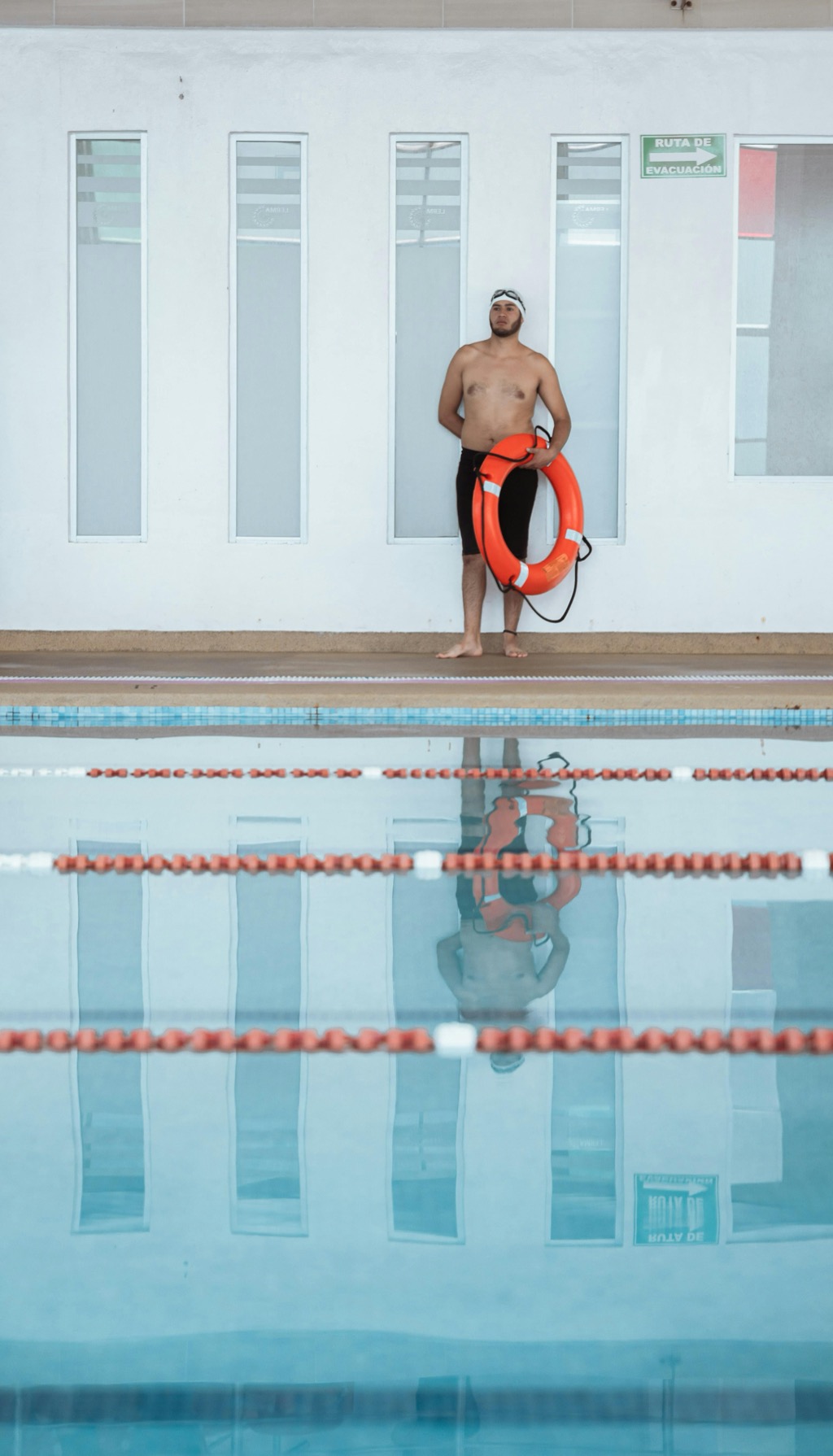
Life rings and rescue tubes should be your first priority – position at least two around your pool perimeter for immediate access. Keep a reaching pole (telescoping shepherd’s hook) near the deep end and ensure throw ropes are untangled and ready. Pool noodles work as backup flotation devices but shouldn’t replace proper rescue equipment.
Prepare First Aid Kit and Emergency Supplies
Stock a waterproof first aid kit with bandages, antiseptic wipes, pain relievers, and instant ice packs for common pool injuries. Include emergency blankets, flashlight, and whistle for serious situations. Keep towels designated specifically for emergencies separate from regular pool towels to prevent contamination during medical situations.
Install Safety Barriers and Pool Alarms
Pool alarms detect surface disturbances and alert you to unexpected water entry when you’re not actively supervising. Install door alarms on all pool access points and consider wearable alarms for non-swimmers. Safety barriers like removable pool fencing create defined safe zones and prevent unsupervised access during your party.
Brief All Guests on Safety Protocols
Communication turns your carefully planned safety measures into effective protection. Your guests can’t follow protocols they don’t understand.
Conduct Pre-Party Safety Orientation
Gather everyone for a 5-minute safety briefing before the first person enters the water. Cover your pool’s specific depth zones, emergency equipment locations, and designated supervisor roles. Point out the whistle system and explain that when it sounds, everyone stops moving immediately. This upfront investment prevents confusion during critical moments.
Explain Emergency Procedures to Attendees
Share your emergency action plan with specific role assignments for different guests. Designate who calls 911, who retrieves safety equipment, and who clears the pool area. Make sure everyone knows where you’ve posted emergency contact numbers and first aid supplies. Practice your whistle signals so guests understand the difference between attention-getting and emergency calls.
Ensure Non-Swimmers Are Identified and Monitored
Ask guests directly about their swimming abilities rather than assuming based on age or appearance. Use colored wristbands to identify non-swimmers and weak swimmers for easy visual tracking by supervisors. Assign specific buddies to non-swimmers and establish clear boundaries for where they can safely enjoy the water. This system eliminates guesswork during busy party moments.
Monitor and Maintain Safety Throughout the Event
Effective pool party safety doesn’t end once guests arrive—it requires constant vigilance throughout the entire event. Your safety plan succeeds only when you actively monitor conditions and adapt to changing circumstances.
Implement Continuous Active Supervision
Maintain dedicated water watchers who focus solely on pool monitoring without distractions from socializing or party hosting duties. Rotate supervisors every 30 minutes to prevent attention fatigue and ensure fresh eyes remain on swimmers at all times.
Regularly Check Safety Equipment Functionality
Test rescue equipment including life rings, reaching poles, and pool alarms every hour to confirm they’re accessible and working properly. Verify first aid supplies remain stocked and that emergency contact numbers stay clearly visible throughout the party duration.
Adjust Safety Measures Based on Party Conditions
Modify supervision levels based on guest behavior, weather changes, and pool activity intensity as the party progresses. Increase water watcher presence during peak swimming times and implement stricter rules if guests become overly energetic or weather conditions deteriorate.
Conclusion
Creating a comprehensive pool party safety plan isn’t just about following rules—it’s about protecting the people you care about while ensuring everyone has an amazing time. When you implement these seven steps you’re building layers of protection that work together to prevent accidents before they happen.
Your guests will appreciate knowing they’re in a safe environment and you’ll have peace of mind throughout the entire event. The time you invest in preparation pays off with a successful party where memories are made for all the right reasons.
Remember that pool safety is an ongoing responsibility that doesn’t end once your party begins. Stay vigilant adapt to changing conditions and trust in the solid foundation you’ve created. With proper planning your pool party will be both safe and unforgettable.
Frequently Asked Questions
What is the most important first step in pool party safety planning?
The critical first step is assessing your pool area to identify potential hazards. This includes inspecting pool equipment, filtration systems, and life-saving devices to ensure they’re functioning properly. You should also evaluate surrounding areas for slip and fall risks, check for slippery spots, secure loose items, and verify that pool depth markers and warning signs are clearly visible and accurate.
How many adult supervisors should I assign for my pool party?
You should designate one dedicated water watcher for every 8-10 guests. These supervisors must be sober adults who aren’t distracted by socializing or other party activities. It’s essential that all designated supervisors are trained in CPR and first aid, and you should confirm their certification status before the party begins.
What pool rules should I establish for different age groups?
For children under 12, require constant adult supervision and prohibit swimming alone or venturing into deep water without flotation devices. For teens and adults, enforce diving restrictions and pool capacity limits. Assign specific supervisors for different age groups and prohibit rough games that can lead to injuries while allowing gentler pool activities.
What emergency equipment should I have readily available?
Stock essential life-saving equipment including life rings, rescue tubes, reaching poles, and throw ropes positioned around the pool for immediate access. Prepare a waterproof first aid kit with supplies for common pool injuries and serious situations. Consider installing safety barriers and pool alarms to prevent unsupervised access and alert you to unexpected water entry.
How should I communicate safety protocols to my guests?
Conduct a pre-party safety orientation briefing attendees on pool depth zones, emergency equipment locations, and designated supervisor roles. Inform guests about the emergency action plan, including specific roles for calling 911 and retrieving safety equipment. Consider using colored wristbands to identify non-swimmers for easy monitoring and assign buddies to ensure their safety.
How often should I rotate pool supervisors during the party?
Rotate water watchers every 30-45 minutes to prevent attention fatigue and maintain vigilance. This ensures that designated supervisors remain focused and alert throughout the event. The rotation schedule helps maintain consistent, dedicated pool monitoring without distractions from socializing or other party activities.
What should be included in my emergency contact list?
Create a comprehensive emergency contact list with important numbers programmed into phones and posted visibly near the pool area. Include 911, poison control, local hospital, and family emergency contacts. Designate one person to handle emergency calls while others assist, and establish clear communication protocols including roles for calling emergency services and managing crowd control.