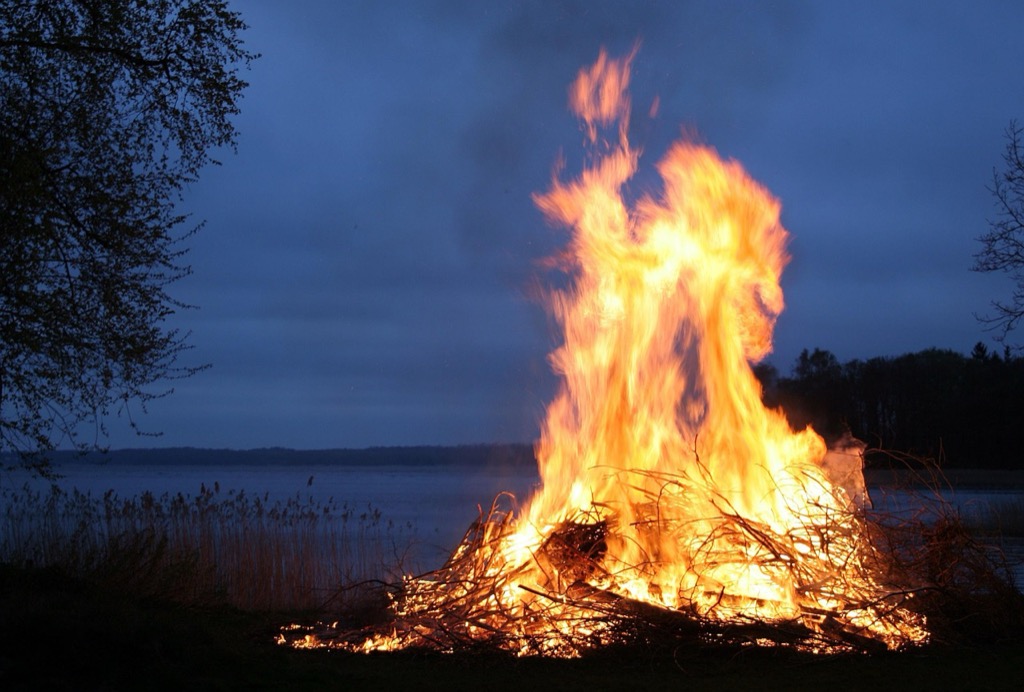
Beach Fire Pit Etiquette: 7 Essential Rules
Master beach fire pit etiquette with 7 essential rules for safe, respectful gatherings. Learn proper setup, safety tips, and cleanup to protect coastal environments while enjoying memorable seaside nights.
Beach fire pits create magical moments where waves meet warmth and friends gather under starlit skies. You’ll want to follow proper etiquette to ensure everyone enjoys these coastal gatherings safely and respectfully. Mastering fire pit manners transforms ordinary beach nights into unforgettable experiences while keeping you on good terms with fellow beachgoers and local authorities.
Disclosure: As an Amazon Associate, this site earns from qualifying purchases. Thank you!
Respect Local Beach Fire Regulations and Permits
Beach fire regulations vary dramatically between locations and can change without warning. Ignoring these rules doesn’t just risk hefty fines—it can shut down fire privileges for everyone at that beach.
Check Fire Restriction Dates and Seasons
Fire restrictions typically run from late spring through early fall when dry conditions peak. Many beaches ban fires completely during red flag warning days or drought periods. Always check current restrictions within 24 hours of your gathering since conditions change rapidly.
Obtain Required Permits Before Your Gathering
Most popular beaches require advance permits for fire pits, often with 48-72 hour processing times. Some locations limit daily permits or require group size minimums. Apply early since summer weekends fill up weeks in advance, especially at state and national parks.
Understand Designated Fire Zones and Boundaries
Fire zones exist for safety reasons—they’re positioned away from dunes, vegetation, and high-traffic areas. These boundaries aren’t suggestions; they’re strictly enforced with immediate citations. Staying within designated areas protects fragile coastal ecosystems and keeps emergency access routes clear for first responders.
Choose the Right Location for Your Beach Fire Pit
Your fire pit placement determines whether you’ll create lasting memories or lasting problems. Smart location choices protect both your gathering and the coastal environment while keeping you on the right side of beach regulations.
Select Areas Away From Vegetation and Structures
Position your fire pit at least 25 feet from dune grass, boardwalks, and beach structures. Coastal vegetation burns incredibly fast, and even small embers can ignite dry beach grass in seconds. I’ve seen entire dune systems threatened by fires placed too close to vegetation.
Choose sandy areas well below the high tide line where there’s minimal plant life. This gives you natural firebreaks and reduces environmental impact on fragile coastal ecosystems.
Maintain Safe Distance From Other Beachgoers
Keep your fire pit at least 15 feet from neighboring groups to prevent smoke drift and spark concerns. Nothing ruins beach harmony faster than smoke blowing into someone’s picnic or sparks landing near their blankets. Consider the comfort zone of families with small children who might wander toward the flames.
Position your fire where people can easily walk around your setup without feeling crowded. This spacing also gives you room for seating and gear without encroaching on others’ space.
Consider Wind Direction and Weather Conditions
Check wind patterns before lighting and position your fire so smoke blows toward the water, not inland. Onshore winds typically shift throughout the evening, so plan for smoke direction changes. Strong winds above 15 mph make fire control difficult and increase ember spread risks.
Monitor weather apps for wind speed and direction forecasts. If conditions show sustained winds or gusts, consider postponing your fire pit plans for everyone’s safety.
Prepare Your Fire Pit Site Properly
Setting up your beach fire pit site correctly makes the difference between a memorable evening and a dangerous situation that gets shut down by authorities.
Clear the Area of Flammable Debris
Remove all dry seaweed, driftwood, and beach grass within a 10-foot radius of your planned fire location. These materials ignite instantly and spread flames rapidly across sand dunes. Check for buried debris like old fishing nets or plastic that could release toxic fumes when heated.
Create a Proper Sand Base and Containment Ring
Dig down 6-8 inches and create a sand bowl approximately 3 feet wide to contain your fire. Build a ring using beach stones or metal fire rings to prevent sand from collapsing inward. This containment system keeps embers from escaping and creates defined boundaries for your fire pit safety zone.
Keep Water and Sand Nearby for Safety
Position two 5-gallon buckets of ocean water within arm’s reach of your fire pit before lighting any flames. Keep a shovel and extra sand pile ready for quick fire suppression. Ocean water works faster than fresh water for extinguishing beach fires, and wet sand smothers flames more effectively than dry sand alone.
Practice Safe Fire Building and Maintenance
Building your beach fire correctly keeps everyone safe and ensures your gathering stays enjoyable throughout the evening.
Use Only Approved Wood and Natural Materials
Choose dry driftwood and approved firewood from local suppliers. Avoid treated lumber, painted wood, or plastic materials that release toxic fumes. Green or wet wood creates excessive smoke that’ll drive your guests away from the fire pit area.
Start Small and Build Your Fire Gradually
Begin with tinder and kindling before adding larger pieces. Use dry grass, paper, or commercial fire starters to establish your base flame. Add pencil-thin twigs first, then thumb-sized branches, gradually working up to wrist-thick driftwood pieces.
Never Leave Your Fire Unattended
Designate a fire keeper who stays within arm’s reach of your extinguishing supplies. Even a quick bathroom break can turn dangerous if wind shifts or sparks fly. Rotate this responsibility among adults so everyone gets to enjoy conversations while maintaining constant fire supervision.
Be Considerate of Fellow Beach Visitors
Your fire pit activities directly impact other beachgoers’ enjoyment and safety. Thoughtful consideration creates a positive atmosphere for everyone sharing the coastal space.
Keep Smoke Direction in Mind
Monitor wind patterns constantly to prevent smoke from drifting toward other beach visitors. Position yourself downwind from nearby groups and adjust your seating arrangement when wind direction changes. If smoke consistently blows toward others despite repositioning, consider relocating your fire pit to minimize disruption.
Control Volume Levels and Music
Keep conversations and music at reasonable volumes that don’t carry beyond your immediate group. Beach acoustics amplify sound significantly, especially during calm evening hours when families with children may be nearby. Use portable speakers sparingly and consider headphones for late-night entertainment to respect others’ peaceful beach experience.
Respect Personal Space and Privacy
Maintain adequate distance from other beachgoers’ setups and avoid walking through their designated areas. Don’t assume others want to join your fire pit gathering or share in your activities. Give families and couples the privacy they’re seeking while enjoying their own beach time.
Clean Up Thoroughly After Your Fire Pit Gathering
After hours of beachside warmth and companionship, your fire pit cleanup determines whether you’ll be welcome back. Thorough cleanup protects the coastal environment and ensures other beach visitors can enjoy pristine conditions.
Extinguish Flames Completely Before Leaving
Pour ocean water slowly over all embers until no steam rises from the fire pit. Stir the wet ashes with your shovel to expose any hidden hot spots that could reignite. Press your hand close to the surface—if you feel any heat, add more water and repeat the process until everything’s completely cold.
Remove All Trash and Food Remnants
Pack out every piece of trash including bottle caps, food wrappers, and cigarette butts that often get buried in sand. Collect all food scraps since they attract seagulls and create unsanitary conditions for future beach visitors. Check the area around your fire pit twice—small items like aluminum foil and plastic utensils easily blend into the sand.
Scatter Cold Ashes Properly
Spread completely cold ashes thinly across the beach above the high tide line where waves won’t wash them back into the ocean. Avoid dumping ashes in concentrated piles that create unsightly black spots on the sand. Fill in your fire pit depression with clean sand and rake the area smooth to restore the natural beach contours.
Follow Environmental Protection Guidelines
Beach ecosystems are fragile environments that require your careful attention during fire pit gatherings. Following proper environmental guidelines protects coastal habitats while ensuring future generations can enjoy these same pristine spaces.
Avoid Burning Treated or Painted Wood
Never burn treated lumber, painted wood, or composite materials in your beach fire pit. These materials release toxic chemicals like arsenic and chromium that contaminate sand and ocean water. Stick to natural driftwood and untreated firewood to prevent harmful fumes that endanger both marine life and your health.
Protect Local Wildlife and Marine Life
Keep food scraps and ash away from nesting areas and tide pools during your gathering. Sea birds, crabs, and other coastal wildlife can be poisoned by fire residue or become dependent on human food sources. Choose fire locations at least 50 feet from known nesting sites and wildlife corridors.
Leave No Trace of Your Fire Pit Activities
Remove every trace of your fire pit before leaving the beach. Bury cold ashes below the sand surface, pack out all burned debris, and restore the natural sand contours. Your goal is making the area look untouched – future beachgoers shouldn’t know you were there.
Conclusion
Following these seven fire pit etiquette rules transforms your beach gathering from a potential headache into an unforgettable experience. You’ll create lasting memories while earning respect from fellow beachgoers and local authorities.
Remember that your actions directly impact the coastal environment and future generations of beach lovers. When you prioritize safety preparation and environmental responsibility you’re contributing to the preservation of these beautiful spaces.
The effort you put into proper fire pit etiquette pays dividends through enhanced relationships stress-free evenings and the satisfaction of being a responsible beach steward. Your next beach fire gathering will be smoother more enjoyable and truly memorable for all the right reasons.
Frequently Asked Questions
What permits do I need for a beach fire pit?
Most beaches require permits for fire pits. Check with local authorities or park services before your visit, as requirements vary by location. Some beaches have designated fire zones that don’t require permits, while others may prohibit fires entirely during certain seasons or weather conditions.
How far should my fire pit be from vegetation and other people?
Position your fire pit at least 25 feet away from vegetation, structures, and dunes to prevent wildfires. Maintain a minimum 15-foot distance from other beachgoers to avoid smoke drift and flying sparks. Always consider wind direction when choosing your location.
What materials are safe to burn in a beach fire pit?
Use only dry, natural wood like driftwood found on the beach. Avoid treated lumber, painted wood, or wet materials that produce toxic fumes and excessive smoke. Never burn trash, plastic, or chemically treated materials as they harm the environment and can be dangerous.
How do I properly prepare my fire pit site?
Clear all flammable debris within a 10-foot radius, including dry seaweed and vegetation. Dig a shallow sand bowl and create a containment ring using beach stones or a metal fire ring. Keep two buckets of ocean water and a shovel nearby for emergency extinguishing.
What’s the best way to extinguish a beach fire?
Pour ocean water over the flames and embers, stirring with a shovel to ensure complete saturation. Ocean water is more effective than fresh water for beach fires. Continue adding water until no steam or heat remains, then scatter the cold ashes above the high tide line.
How should I clean up after my beach fire pit?
Remove all trash, food remnants, and unburned materials. Scatter cold ashes above the high tide line and fill in any holes you’ve dug. The goal is to leave no trace of your fire pit, restoring the beach to its natural state for future visitors.
Can I leave my beach fire unattended?
Never leave a beach fire unattended, even briefly. Always designate a responsible adult as the fire keeper to monitor flames and maintain safety supplies. Unattended fires can quickly spread due to changing wind conditions and pose serious safety risks.
What should I do if wind conditions change during my fire?
Monitor wind patterns continuously and be prepared to extinguish your fire if conditions become unsafe. Strong or shifting winds can blow sparks toward vegetation or other beachgoers. Always prioritize safety and extinguish the fire if you’re unsure about conditions.