7 Signs You Need to Adjust Pool Chemicals After Rain That Protect Your Family
Heavy rain disrupts pool chemistry causing cloudy water, strong odors, and health risks. Learn 7 key signs that indicate your pool needs immediate chemical adjustments for safe swimming.
Why it matters: Heavy rainfall throws your pool’s chemical balance into chaos leaving you with murky water and potential health hazards if you don’t act fast.
The bottom line: Your pool’s pH levels chlorine concentration and overall water chemistry get completely disrupted when rainwater dilutes and contaminates your carefully maintained swimming environment.
What’s next: Recognizing these seven warning signs means you’ll know exactly when your pool needs immediate chemical adjustment to get back to safe swimmable conditions.
Disclosure: As an Amazon Associate, this site earns from qualifying purchases. Thank you!
Cloudy or Milky Water Appearance
Cloudy water is your pool’s most obvious cry for help after rainfall. This milky appearance signals that your water chemistry has been thrown completely off balance.
Visual Indicators of Chemical Imbalance
Murky water develops when rainwater dilutes your sanitizer levels below effective thresholds. You’ll notice the water loses its crystal-clear sparkle and takes on a hazy, milk-like quality. The cloudiness often appears within 12-24 hours after heavy rainfall, indicating your chlorine concentration has dropped too low to maintain proper sanitization.
Impact on Pool Safety and Hygiene
Cloudy water creates perfect breeding conditions for harmful bacteria and algae growth. Your pool’s compromised chemical balance can’t eliminate contaminants effectively, putting swimmers at risk of skin irritation, eye infections, and waterborne illnesses. This reduced visibility also makes it impossible to spot potential drowning hazards or injuries underwater.
Strong Chlorine Smell or Chemical Odor
Keep your pool water clean and clear with Clorox Pool&Spa XTRABLUE 3" Chlorinating Tablets. These tablets kill bacteria, prevent algae, and contain conditioners for silky smooth water.


That overwhelming chlorine smell after rain isn’t what you think it is. A properly balanced pool should have little to no chemical odor, so that sharp, eye-watering scent actually signals dangerous imbalances.
Understanding Chloramine Formation
Rainwater introduces contaminants that combine with your pool’s chlorine to form chloramines. These compounds create that harsh chemical smell and indicate your chlorine is working overtime against pollutants rather than sanitizing effectively. Heavy rainfall can triple chloramine levels within hours, making your pool smell like a public facility despite recent chemical treatments.
Health Risks of Unbalanced Chemicals
Chloramines irritate your eyes, skin, and respiratory system more severely than pure chlorine. Extended exposure causes red, burning eyes and persistent coughing that can last hours after swimming. Children and adults with asthma face increased breathing difficulties, while prolonged skin contact leads to rashes and chemical burns around sensitive areas.
Algae Growth Starting to Appear
Algae thrives in chemically imbalanced pool water after heavy rainfall dilutes your sanitizer levels. You’ll notice the first signs within 24-48 hours if your pool chemicals aren’t properly adjusted.
Maintain balanced pool water effortlessly with ARM & HAMMER Clear Balance tablets. These convenient tablets, formulated with baking soda, optimize chlorine performance and protect pool surfaces.

Early Signs of Green Discoloration
Green tints typically appear first along pool walls and in corners where water circulation is weakest. You’ll spot faint green patches or a slight greenish hue in previously crystal-clear water, especially in shaded areas. These early warning signs indicate your chlorine levels have dropped below 1.0 ppm, creating perfect conditions for algae colonization.
Different Types of Pool Algae
Green algae creates the most common discoloration, turning water murky within 2-3 days of chemical imbalance. Yellow algae appears as mustard-colored patches on pool surfaces and resists standard chlorine treatments. Black algae forms dark spots with protective layers, typically appearing in plaster cracks and requiring aggressive brushing and specialized chemicals to eliminate completely.
pH Test Strip Results Outside Normal Range
Testing your pool’s pH levels after rainfall reveals critical imbalances that demand immediate attention. Accurate readings guide your chemical adjustment strategy and prevent costly water chemistry problems.
Ideal pH Levels for Pool Water
Pool water should maintain pH levels between 7.2 and 7.6 for optimal safety and comfort. Values below 7.2 create acidic conditions that corrode equipment and irritate swimmers’ eyes and skin. Readings above 7.6 reduce chlorine effectiveness and cause cloudy water that harbors harmful bacteria.
How Rain Affects pH Balance
Rainwater’s naturally acidic pH of 5.6 significantly lowers your pool’s alkalinity within hours of heavy precipitation. This dramatic shift overwhelms your pool’s buffering capacity and creates unstable water chemistry. You’ll typically see pH drops of 0.3 to 0.8 points after substantial rainfall, requiring immediate alkalinity adjustments.
Skin and Eye Irritation After Swimming
Your skin and eyes become the first indicators when pool chemicals need immediate adjustment after rainfall. These physical reactions signal that water chemistry has shifted beyond safe swimming parameters.
Physical Symptoms of Chemical Imbalance
Red, burning eyes appear within minutes of entering chemically imbalanced pool water after rain. Your skin develops itchy, dry patches or rashes that worsen with prolonged exposure to contaminated water.
Throat irritation and persistent coughing indicate chloramine buildup from rainwater contamination. These symptoms intensify in poorly ventilated pool areas where chemical vapors concentrate near the water surface.
Protective Measures for Swimmers
Rinse immediately with fresh water after swimming to remove chemical residue from your skin and hair. Apply waterproof sunscreen before entering the pool to create a protective barrier against irritating chemicals.
Get powerful sun protection with Neutrogena Ultra Sheer SPF 70. This lightweight, non-greasy formula absorbs quickly, leaving a clean, matte finish while shielding skin from UVA/UVB rays.

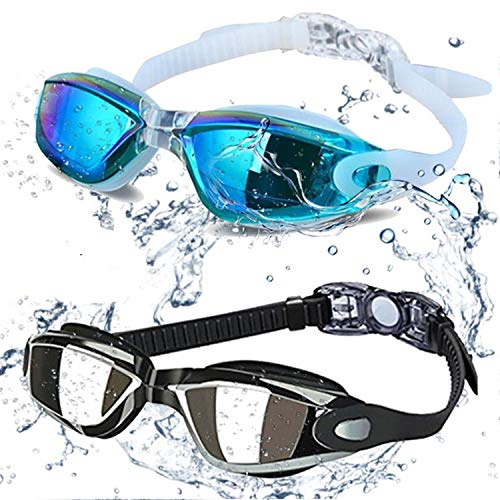
Wear swim goggles to shield your eyes from chloramine exposure in chemically imbalanced water. Limit swimming time to 15-20 minutes when you notice strong chemical odors or visible water quality issues.
Pool Equipment Showing Signs of Corrosion
Corroded pool equipment is your pool’s way of screaming that chemical imbalances after rain have gone too far. When you see rust, pitting, or discoloration on metal components, you’re looking at expensive damage that could’ve been prevented with proper chemical adjustments.
Metal Components and Chemical Damage
Pool ladders, handrails, and filter components show corrosion within 48-72 hours when pH drops below 7.0 after heavy rainfall. You’ll notice orange rust stains, pitted surfaces, and weakened metal joints that compromise both safety and equipment integrity. Acidic rainwater accelerates this process dramatically, turning minor imbalances into costly repairs.
Enter and exit your above-ground pool safely with the Confer RollGuard A-frame ladder. It adjusts to fit 48" to 56" high pools and features a lockable roll-guard barrier for enhanced security.

Long-term Equipment Protection
Regular chemical testing after rain prevents the $500-2000 equipment replacement costs I’ve seen too many pool owners face. Your pool pump, heater, and filtration system contain metal parts that deteriorate rapidly in imbalanced water conditions. Maintaining proper pH levels between 7.2-7.6 extends equipment life by 3-5 years compared to neglected pools.
Keep your pool crystal clear with the KimFilter Pro Series 1000 GPH filter pump. It uses hydroaeration technology and an efficient Type A/C cartridge to powerfully circulate and filter your pool water, removing debris and maintaining a healthy pH balance.

Difficulty Maintaining Proper Sanitizer Levels
You’ll struggle to keep chlorine levels stable when rainwater overwhelms your pool’s chemical balance. This creates a frustrating cycle where adding more sanitizer doesn’t solve the underlying water chemistry problems.
Chlorine Demand Testing Methods
Test your pool’s chlorine demand by adding known amounts of sanitizer and measuring consumption rates. Add 1 pound of shock per 10,000 gallons and retest after 30 minutes. If chlorine levels drop below 1.0 ppm within an hour, your pool has excessive chlorine demand that requires breakpoint chlorination to eliminate contaminants.
Signs of Overwhelmed Filtration System
Your filtration system shows strain through shortened filter cycles and constantly dirty cartridges. Backwashing requirements increase from weekly to daily after heavy rain. Pool pumps run longer cycles but water clarity doesn’t improve, indicating that debris and contaminants exceed your system’s processing capacity.
Conclusion
Taking action immediately after heavy rainfall is crucial for maintaining a safe and enjoyable swimming environment. You’ll save both time and money by addressing chemical imbalances quickly rather than dealing with more serious problems later.
Regular testing and prompt adjustments keep your pool equipment functioning properly and extend its lifespan significantly. When you stay proactive about post-rain maintenance you’re protecting both your investment and your family’s health.
Remember that ignoring these warning signs can lead to costly repairs and potential health risks. Your pool’s chemical balance is the foundation of safe swimming so don’t wait when you notice any of these telltale signs after a storm.
Frequently Asked Questions
How quickly can heavy rainfall affect my pool’s chemical balance?
Heavy rainfall can disrupt your pool’s chemical balance within hours. Cloudy or milky water typically appears within 12-24 hours, while algae growth can begin within 24-48 hours if chemicals aren’t properly adjusted. pH levels can drop by 0.3 to 0.8 points immediately after heavy precipitation, requiring prompt attention to restore safe swimming conditions.
What are the warning signs that my pool needs chemical adjustment after rain?
Key warning signs include cloudy or milky water, strong chlorine smell, visible algae growth (green discoloration), pH test results outside 7.2-7.6 range, skin and eye irritation in swimmers, corroded metal equipment, and difficulty maintaining proper sanitizer levels despite regular additions.
Why does my pool smell strongly of chlorine after heavy rain?
A strong chlorine smell after rain indicates dangerous chemical imbalances, not excess chlorine. Rainwater introduces contaminants that form chloramines, creating harsh chemical odors. A properly balanced pool should have little to no smell. This indicates your chlorine is overworked fighting pollutants and needs immediate rebalancing.
What pH levels should I maintain in my pool?
Ideal pool pH levels should be maintained between 7.2 and 7.6. Values below 7.2 create acidic conditions that corrode equipment and irritate swimmers’ skin and eyes. Readings above 7.6 reduce chlorine effectiveness and lead to cloudy water that can harbor harmful bacteria.
How does rainwater affect chlorine levels in my pool?
Rainwater dilutes chlorine concentration and introduces contaminants that consume available chlorine. When chlorine drops below 1.0 ppm, the pool loses its ability to eliminate harmful bacteria and algae effectively. This creates unsafe swimming conditions and allows rapid algae growth within 24-48 hours.
What health risks are associated with swimming in chemically imbalanced pool water?
Swimming in imbalanced pool water can cause red, burning eyes, skin irritation, rashes, throat irritation, coughing, and respiratory issues. Individuals with asthma face increased difficulties. Prolonged exposure to chloramines can worsen these symptoms and increase risk of waterborne illnesses due to inadequate sanitization.
How can heavy rain damage my pool equipment?
Heavy rain can cause pH levels to drop below 7.0, leading to corrosion of metal components like ladders, handrails, and filters within 48-72 hours. This results in rust stains, weakened joints, and compromised safety. Maintaining proper chemical balance can extend pool equipment life by 3-5 years.