7 Ways to Heat Your Pool and Lower Energy Costs
Discover 7 smart heating solutions to extend your swimming season beyond summer, from efficient heat pumps to solar options that keep your pool warm without breaking the bank.
Don’t let chilly weather cut your pool time short when there are several effective heating solutions available to extend your swimming season.
You’ve invested in a beautiful pool, so why limit its use to just a few months of the year? With the right heating system, you can enjoy comfortable swims well into fall or even year-round depending on your climate.
From energy-efficient heat pumps to solar options and beyond, we’ll explore seven practical ways to keep your pool water at the perfect temperature without breaking the bank on energy costs.
Disclosure: As an Amazon Associate, this site earns from qualifying purchases. Thank you!
1. Installing a High-Efficiency Pool Heater
A high-efficiency pool heater is your most direct route to extending your swimming season, allowing you to enjoy comfortable water temperatures even when the air turns brisk.
Types of Pool Heaters to Consider
Gas heaters provide rapid heating and work in any weather condition, making them ideal for occasional use. Electric heat pumps offer energy efficiency for regular swimmers, extracting heat from surrounding air. Solar heaters deliver essentially free operation after installation, though they require ample sunshine and space for panels.
Cost vs. Benefit Analysis
Initial investment ranges from $2,000-$5,000 for quality heaters, with gas models at the lower end and heat pumps commanding premium prices. While gas heaters cost more to operate ($200-$500 monthly), they heat quickly. Heat pumps run more efficiently ($50-$150 monthly) but warm water more gradually. Consider your swimming frequency when choosing your system.
2. Harnessing Solar Power with Solar Heating Systems
How Solar Pool Heaters Work
Solar pool heating systems capture the sun’s free energy using collectors typically installed on your roof. Water circulates from your pool through these collectors where it’s warmed by solar radiation before returning to your pool. The system uses your existing pool pump to move water through the solar collectors, requiring minimal additional energy consumption. A temperature sensor and automatic valve system directs water flow based on your desired temperature settings.
Optimal Placement for Maximum Efficiency
For maximum efficiency, place solar collectors where they’ll receive 6-8 hours of direct sunlight daily. South-facing roof areas provide optimal sun exposure in the Northern Hemisphere, while west-facing installations offer afternoon heating when pools typically need it most. Ensure your installation area is 50-100% of your pool’s surface area for adequate heating capability. Consider nearby trees or structures that might cast shadows during prime sunlight hours and position collectors to minimize these obstructions.
3. Utilizing Heat Pumps for Energy-Efficient Warming
Understanding Heat Pump Technology
Heat pumps work by extracting heat from the surrounding air and transferring it to your pool water. Unlike gas heaters that generate heat, heat pumps simply move existing heat, consuming only electricity needed to operate the compressor and fan. This technology can achieve up to 600% efficiency, meaning for every unit of electricity used, you’ll get five to six units of heat delivered to your pool.
Ideal Climate Conditions for Heat Pumps
Heat pumps perform best in regions with temperatures consistently above 50°F (10°C). They’re particularly effective in humid climates where more heat energy is available in the air. If you live in Florida, Southern California, or other warm regions, a heat pump can extend your swimming season by several months. For cooler climates, heat pumps remain efficient during spring and fall but may struggle during winter months.
4. Implementing a Pool Cover Solution
A pool cover is one of the most cost-effective ways to extend your swimming season while reducing heating costs by up to 70%.
Types of Thermal Pool Covers
Solar blankets (bubble covers) trap heat and reduce evaporation with their air-filled bubbles that absorb sunlight. Thermal blankets provide superior insulation with foam materials but block sunlight. Liquid solar covers form an invisible molecular barrier on the water’s surface that prevents heat loss while allowing swimming. Each option offers different benefits depending on your climate, budget, and maintenance preferences.
Automated Cover Systems for Convenience
Automatic pool covers roll out at the touch of a button using motorized systems mounted at one end of your pool. Track-guided covers provide the best insulation and safety by completely sealing the pool surface. Semi-automatic systems offer a middle ground with motor-assisted deployment but manual guidance. While the initial investment ranges from $1,500 to $15,000, automated covers save significant energy costs and reduce maintenance time over manual alternatives.
5. Creating a Windbreak Around Your Pool Area
Wind is one of the biggest culprits of heat loss in swimming pools. Even with efficient heating systems, strong breezes can quickly cool your pool water by accelerating evaporation.
Natural Windbreak Options
Creating natural windbreaks with strategic landscaping offers both protection and beauty for your pool area. Plant evergreen trees or tall shrubs around the perimeter of your pool to block prevailing winds year-round. Fast-growing varieties like arborvitae, cypress, or bamboo create effective barriers within a few seasons while enhancing your backyard’s aesthetic appeal.
Structural Windbreak Solutions
Installing permanent or semi-permanent structures provides immediate wind protection for your pool. Privacy fences, decorative lattice panels, or glass windscreens can reduce wind velocity by up to 75% while complementing your outdoor design. Retractable screens or sailcloth panels offer flexible options that can be adjusted based on weather conditions or removed during warmer months when wind protection isn’t needed.
6. Adding a Solar Shelf or Tanning Ledge
Benefits of Shallow Water Features
Solar shelves create perfect warming zones in your pool by utilizing shallow water that heats up faster than deeper areas. These ledges typically warm 5-10°F higher than the main pool, creating comfortable micro-climates even on cooler days. You’ll appreciate how these features double as relaxation spaces where you can lounge in warm water without full immersion. They’re especially beneficial for families with children who need warmer water temperatures for comfortable play.
Retrofitting Existing Pools
You can add a solar shelf to your existing pool through strategic renovation that doesn’t require a complete rebuild. Professional contractors can expand one side of your pool to create a 6-12 inch deep ledge that captures and retains solar heat efficiently. Expect investment costs between $3,000-$8,000 depending on size and materials, but you’ll gain both extended swimming seasons and increased property value. For temporary options, consider custom-fitted platform inserts that create artificial ledges in standard pools.
7. Incorporating Ambient Heating Around the Pool
Patio Heaters and Fire Features
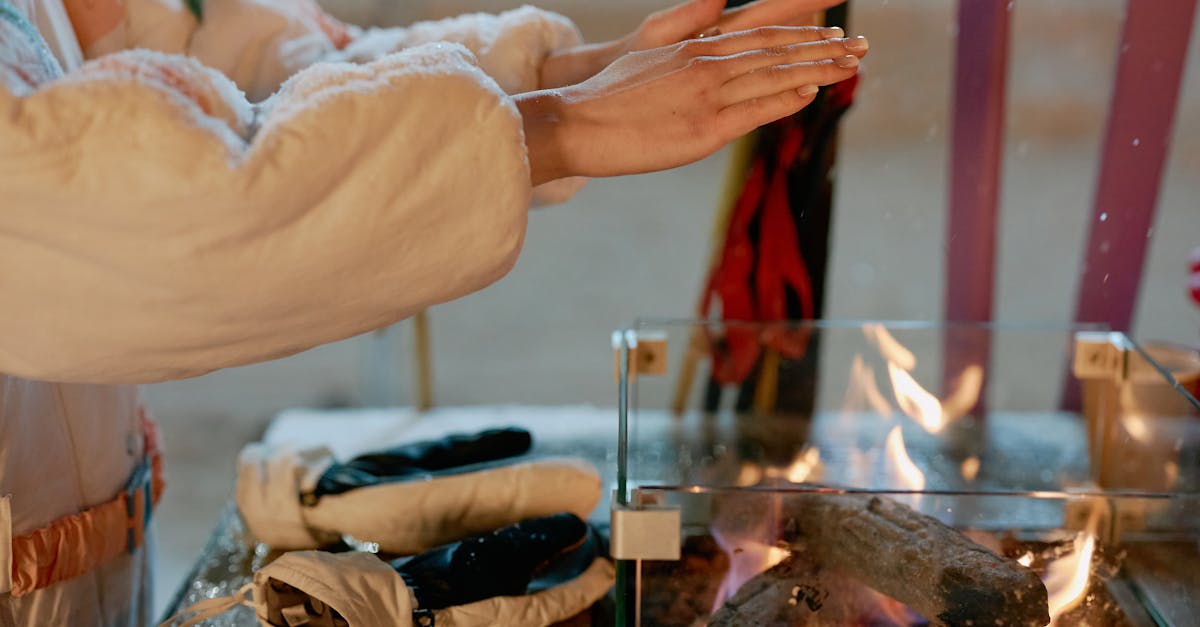
Strategically placed patio heaters can transform your poolside experience during cooler months. Propane-powered standing heaters provide up to 46,000 BTUs of warmth, creating comfortable zones that extend 8-10 feet in diameter. Fire pits and outdoor fireplaces offer dual benefits—they generate significant heat while creating an inviting focal point for evening gatherings. For a modern touch, consider tabletop heaters that integrate seamlessly with your outdoor dining setup.
Heated Decking Options
Heated pool decking systems use electric heating elements or hydronic (water-based) tubing installed beneath your deck surface. These systems maintain deck temperatures between 85-100°F, preventing cold feet and creating a comfortable transition zone between water and air. Installation costs range from $15-25 per square foot, but the investment eliminates the shock of walking on cold surfaces and reduces evaporative cooling around pool edges. Most systems integrate with smart home controls for energy-efficient operation.
Conclusion: Enjoying Your Extended Swimming Season
Extending your swimming season doesn’t have to be complicated or prohibitively expensive. By implementing one or more of these seven heating solutions you can enjoy your pool well beyond traditional summer months.
Whether you choose a high-efficiency heater solar heating system heat pump or thermal covers the investment pays off in additional months of enjoyment. Strategic additions like windbreaks solar shelves and ambient heating further enhance comfort during cooler periods.
The right combination of these methods will transform your pool into a year-round retreat. Your perfect extended swimming season awaits with solutions that match your climate budget and lifestyle. Take the plunge now and make the most of your backyard oasis throughout more months of the year.
Frequently Asked Questions
What are the main types of pool heaters available?
There are three primary types of pool heaters: gas heaters (provide rapid heating in any weather), electric heat pumps (energy-efficient for regular use), and solar heaters (minimal operating costs but require sufficient sunlight and space). Gas heaters cost less upfront ($2,000-$3,000) but more to operate, while heat pumps have higher initial costs ($3,000-$5,000) but better long-term efficiency.
How do solar pool heating systems work?
Solar pool heating systems use collectors typically installed on rooftops to harness solar energy. Water circulates from the pool through these collectors where it’s warmed by solar radiation before returning to the pool. The system utilizes your existing pool pump and requires minimal additional energy. For optimal performance, place collectors in areas receiving 6-8 hours of direct sunlight daily, preferably on south-facing roofs in the Northern Hemisphere.
Are heat pumps effective in all climates?
Heat pumps perform best in regions with temperatures consistently above 50°F (10°C) and are particularly effective in humid climates like Florida and Southern California. They can achieve up to 600% efficiency by extracting heat from surrounding air and transferring it to pool water. While excellent for extending swimming seasons in warmer regions, they may struggle to maintain comfortable temperatures in cooler climates during winter months.
How much can pool covers reduce heating costs?
Pool covers can reduce heating costs by up to 70% while effectively extending your swimming season. Options include solar blankets that trap heat, thermal blankets providing insulation, and liquid solar covers preventing heat loss. Automated cover systems offer convenience with one-touch deployment, providing significant energy savings with initial investments ranging from $1,500 to $15,000 depending on size and features.
What are effective windbreak solutions for pools?
Effective windbreaks include natural options like evergreen trees and tall shrubs that block prevailing winds while enhancing aesthetics, and structural solutions such as privacy fences, decorative lattice panels, and glass windscreens that can reduce wind velocity by up to 75%. Flexible options like retractable screens or sailcloth panels provide adjustable protection based on weather conditions.
What is a solar shelf and how does it help warm pools?
A solar shelf (tanning ledge) is a shallow water area that heats up faster than deeper sections, creating comfortable micro-climates 5-10°F warmer than the main pool. They serve as relaxation spaces and help warm the overall pool water. Retrofitting existing pools costs between $3,000-$8,000, enhancing both swimming experience and property value. Temporary options include custom-fitted platform inserts for creating artificial ledges.
How can I create ambient heating around my pool?
Create ambient heating with propane-powered standing heaters and fire features that provide warmth and serve as gathering focal points. Consider heated decking, which uses electric heating elements or hydronic tubing beneath the deck surface to maintain comfortable temperatures, preventing cold feet and reducing evaporative cooling. Installation costs range from $15-$25 per square foot, and many systems integrate with smart home controls for energy efficiency.