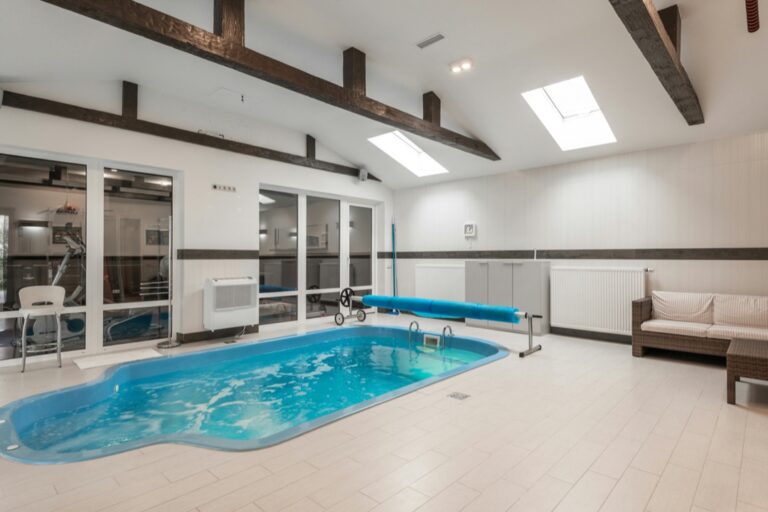
7 Ways How to Heat Your Pool Using Solar Heaters That Cut Costs
Cut pool heating costs by 50-80% with solar heaters! Extend your swim season 2-4 months while saving thousands yearly. Easy install, 2-7 year payback period.
Why it matters: You’re paying hundreds or thousands of dollars annually to heat your pool with traditional gas or electric systems when the sun could do it for free.
The big picture: Solar pool heaters harness the sun’s energy to extend your swimming season by 2-4 months while slashing your energy bills by up to 70%.
What’s next: Installing a solar heating system isn’t as complicated as you might think and can pay for itself within 2-7 years through energy savings alone.
Disclosure: As an Amazon Associate, this site earns from qualifying purchases. Thank you!
Understanding Solar Pool Heaters and How They Work
Solar pool heaters work by circulating your pool water through solar collectors that capture and transfer the sun’s energy to warm the water. This simple yet effective process can maintain comfortable swimming temperatures while dramatically reducing your energy costs.
Types of Solar Pool Heating Systems
You’ll find two main types of solar pool heating systems: unglazed collectors made from durable rubber or plastic, and glazed collectors featuring glass covers and insulated boxes. Unglazed systems work best in warmer climates, while glazed collectors excel in cooler regions where maximum heat capture matters most.
Benefits of Solar Pool Heating Technology
Solar heating technology offers remarkable cost savings, typically reducing pool heating expenses by 50-80% compared to gas or electric systems. You’ll also extend your swimming season significantly while contributing to environmental conservation through clean, renewable energy that produces zero emissions during operation.
Assessing Your Pool’s Solar Heating Requirements
Getting the right solar heating system starts with understanding your pool’s specific needs. A proper assessment ensures you’ll invest in the right collector size and type for maximum efficiency.
Calculating Pool Size and Volume
Your pool’s surface area determines the collector size you’ll need for effective heating. Most installations require collector area equal to 50-100% of your pool’s surface area.
Multiply length by width for rectangular pools, or use the formula πr² for round pools. A 16×32 foot pool needs approximately 256-512 square feet of collectors for optimal performance.
Determining Climate and Sun Exposure Factors
Your local climate and available sunshine directly impact solar heating effectiveness. Areas with 6+ hours of daily sun exposure work best for solar pool heating systems.
Check your roof’s southern exposure and note any shade from trees or buildings. Even partial shading during peak sun hours (10 AM to 4 PM) can reduce system efficiency by 30-50%.
Evaluating Current Pool Temperature and Usage Patterns
Track your pool’s natural temperature fluctuations and desired comfort levels throughout the season. Most swimmers prefer temperatures between 78-82°F for recreational use.
Note when you typically use your pool and how much temperature boost you need. Early season heating requires more collector area than maintaining summer temperatures through fall months.
Choosing the Right Solar Pool Heater System
After years of helping pool owners select heating systems, I’ve learned that picking the right solar setup makes the difference between mediocre performance and exceptional results.
Glazed vs Unglazed Solar Collectors
Unglazed collectors work best in consistently warm climates where freezing isn’t a concern. They’re typically made from rubber or plastic materials that offer excellent heat transfer at a lower cost.
Glazed collectors feature glass or plastic covers that trap heat more effectively, making them ideal for cooler regions or year-round heating needs.
Sizing Your Solar Heating System Properly
Your collector area should equal 50-100% of your pool’s surface area for optimal performance. Pools in sunny climates need smaller systems, while those in cloudy regions require larger collector arrays.
Factor in your desired temperature increase – each 10°F boost typically requires an additional 20% collector area beyond the baseline calculation.
Comparing Different Solar Panel Materials
EPDM rubber collectors offer the best value for most pool owners, delivering solid performance at reasonable prices. They’re flexible, durable, and handle temperature fluctuations well.
Polypropylene panels provide superior longevity and can withstand harsh UV exposure for 15+ years. Copper collectors deliver the fastest heating but cost significantly more upfront.
Installing Your Solar Pool Heating System
Now that you’ve selected your collector type and sized your system correctly, you’ll need to tackle the installation process. Proper installation determines whether your solar heating system delivers the performance and longevity you’re expecting.
Mounting Solar Collectors on Roof or Ground
Roof installations offer maximum sun exposure but require careful structural assessment. You’ll need to verify your roof can support 2-4 pounds per square foot of additional weight from collectors filled with water.
Ground mounts provide easier access for maintenance and eliminate roof penetrations. Position collectors within 100 feet of your pool to minimize heat loss through plumbing runs.
Connecting Plumbing and Circulation Components
Integration with your existing pool circulation system requires three key connections: supply, return, and bypass lines. Install the supply line after your pool filter but before any existing heater to prevent debris damage.
Your return line should connect to the pool’s return plumbing with proper flow control valves. Create a bypass loop so you can isolate the solar system during maintenance without shutting down pool circulation.
Integrating Control Systems and Sensors
Automatic controls maximize heating efficiency by activating collectors only when beneficial. Install temperature sensors at the collector outlet and pool return to monitor the 8-10°F temperature differential needed for effective heating.
Smart controllers can integrate with pool timers and weather forecasts to optimize heating cycles. Manual bypass valves provide backup control if electronic systems fail during peak swimming season.
Optimizing Solar Pool Heater Performance
Now that you’ve installed your solar heating system, maximizing its performance requires attention to positioning, heat retention, and pump timing strategies.
Positioning Panels for Maximum Sun Exposure
Position your solar collectors to face true south for optimal year-round performance in most US locations. Tilt panels at an angle equal to your latitude minus 10-15 degrees to capture maximum solar energy during swimming season. Avoid shading from trees, buildings, or other structures between 9 AM and 3 PM when solar gain is strongest.
Using Pool Covers to Retain Heat
Install a solar pool cover to reduce heat loss by up to 95% overnight and prevent evaporation that accounts for 70% of pool heat loss. Remove covers during peak sun hours (10 AM to 4 PM) to allow solar collectors to work efficiently. Choose covers with air bubbles facing down to create an insulating barrier while allowing sunlight penetration.
Timing Your Pool Pump Operation
Run your pool pump during peak solar hours (10 AM to 4 PM) when collectors generate maximum heat output. Set pump timers to circulate water through solar panels only when panel temperature exceeds pool temperature by 8-10 degrees. Avoid nighttime circulation through collectors as this actually cools your pool water below ambient temperature.
Maintaining Your Solar Pool Heating System
Proper maintenance keeps your solar heating system running efficiently for 15-20 years. Regular upkeep prevents costly repairs and ensures consistent heating performance throughout the swimming season.
Regular Cleaning and Inspection Schedule
Clean your solar collectors monthly during swimming season to remove debris, leaves, and mineral buildup that reduces heat transfer efficiency. Inspect mounting hardware and connections quarterly for loose bolts or worn seals.
Check sensors and control systems monthly for accurate temperature readings. Replace damaged components immediately to prevent system malfunctions that waste energy.
Winterizing Your Solar Heating Equipment
Drain all water from collectors and plumbing lines before freezing temperatures to prevent expensive freeze damage to panels and pipes. Close isolation valves and remove drain plugs completely.
Install freeze protection covers over exposed collectors in harsh climates. Store removable sensors and controls indoors until spring startup to extend their lifespan.
Troubleshooting Common Performance Issues
Low heating performance usually indicates dirty collectors or incorrect pump timing – clean panels first, then verify your pump runs during peak solar hours (10 AM-4 PM). Check bypass valves aren’t stuck open.
Temperature sensor malfunctions cause erratic heating cycles – clean sensor probes monthly and replace faulty sensors immediately. Verify control settings match your desired pool temperature and heating schedule.
Maximizing Energy Savings with Solar Pool Heating
Once your solar heating system’s up and running, smart energy management strategies can dramatically amplify your savings and system performance.
Reducing Traditional Heating Costs
Traditional pool heating costs drop by 50-80% when you switch to solar energy. Gas heaters typically cost $300-800 monthly during peak season, while electric heat pumps run $200-500 monthly. Solar systems eliminate these recurring expenses after the initial investment, saving you $2,000-6,000 annually depending on your pool size and local energy rates.
Understanding Payback Period and ROI
Most solar pool heating systems pay for themselves within 2-7 years through energy savings. A $4,000 system saving $100 monthly achieves payback in 3.3 years. Systems in sunny climates with high energy costs recover costs faster, while cooler regions see longer payback periods. Your total ROI over the system’s 15-20 year lifespan typically ranges from 200-400%.
Taking Advantage of Solar Incentives and Rebates
Federal tax credits cover 30% of solar pool heating installation costs through 2032. Many states offer additional rebates ranging from $500-2,000, while utility companies provide cash incentives or reduced rates. Check Database of State Incentives for Renewables & Efficiency (DSIRE) for local programs that can reduce your upfront investment by 40-60%.
Conclusion
You now have the complete roadmap to transform your pool heating costs with solar technology. The potential savings of 50-80% on heating expenses make this investment a smart financial decision that pays for itself within just a few years.
Your success depends on choosing the right system size properly positioning your collectors and maintaining optimal performance through regular care. With federal tax credits and state rebates available you can reduce your upfront costs significantly while securing decades of free pool heating.
Solar pool heating isn’t just about saving money – you’re also contributing to environmental conservation while extending your swimming season by months. Take action today and start enjoying the benefits of clean renewable energy for your pool.
Frequently Asked Questions
How much can I save on heating costs with a solar pool heater?
Solar pool heaters can reduce your heating costs by 50-80% compared to traditional gas or electric systems. Depending on your pool size and local energy rates, you could save $2,000-6,000 annually. Most systems pay for themselves within 2-7 years and provide a return on investment of 200-400% over their 15-20 year lifespan.
How long can solar pool heaters extend my swimming season?
Solar pool heaters can extend your swimming season by 2-4 months by maintaining comfortable water temperatures using free solar energy. This allows you to enjoy your pool earlier in spring and later into fall without the high costs associated with traditional heating methods.
What size solar collector do I need for my pool?
The solar collector area should equal 50-100% of your pool’s surface area. For example, a 400 square foot pool would need 200-400 square feet of solar collectors. The exact size depends on your desired temperature increase, local climate, and how much sun exposure your installation area receives daily.
What’s the difference between glazed and unglazed solar collectors?
Unglazed collectors are best for warm climates and cost less upfront, while glazed collectors work better in cooler regions and can capture heat more efficiently in lower temperatures. Unglazed systems are typically made from rubber or plastic, while glazed systems feature glass covers for better heat retention.
How do I optimize my solar pool heater’s performance?
Position collectors facing true south and tilt them at your latitude minus 10-15 degrees. Use a solar pool cover to reduce heat loss by up to 95% overnight. Run your pump during peak solar hours (10 AM-4 PM) and only circulate water when panel temperature exceeds pool temperature by 8-10 degrees.
What maintenance does a solar pool heater require?
Clean solar collectors monthly during swimming season and inspect mounting hardware quarterly. Winterize the system by draining water from collectors and plumbing lines before freezing temperatures. With proper maintenance, solar pool heaters can operate efficiently for 15-20 years with minimal upkeep costs.
Are there tax incentives for installing solar pool heaters?
Yes, federal tax credits and state rebates can reduce installation costs by 40-60%. Many states offer additional incentives for renewable energy systems. Check with local utilities and government programs for current available rebates and tax credits in your area.
How long does it take to install a solar pool heating system?
Installation typically takes 1-2 days for most residential pools. The process involves mounting collectors (roof or ground), connecting plumbing lines to your existing pool circulation system, and integrating control systems. Professional installation ensures optimal performance and system longevity.