7 Sensory-Friendly Pools and Beaches That Every Parent Should Know
Discover 7 sensory-friendly pools and beaches perfect for families with special needs. Features quiet hours, trained staff, and specialized equipment for comfortable aquatic fun.
The big picture: Traditional pools and beaches can overwhelm families with sensory-sensitive children due to crowded spaces, loud noises, and unpredictable environments.
Why it matters: You need accessible aquatic spaces that accommodate different sensory needs while still providing the joy and therapeutic benefits of water activities for your entire family.
What’s ahead: We’ve identified seven exceptional sensory-friendly pools and beaches across the country that offer quiet hours, specialized equipment, and trained staff to ensure everyone can enjoy the water safely and comfortably.
Disclosure: As an Amazon Associate, this site earns from qualifying purchases. Thank you!
Understanding Sensory-Friendly Aquatic Environments and Their Benefits
Building on the need for accessible aquatic spaces, let’s explore what makes these environments truly effective for sensory-sensitive individuals.
What Makes a Pool or Beach Sensory-Friendly
Sensory-friendly aquatic venues prioritize controlled environments over chaotic water experiences. These spaces feature reduced noise levels, dimmed lighting options, and predictable schedules. You’ll find designated quiet hours, minimal background music, and trained staff who understand sensory processing differences. The best venues also offer escape areas where you can retreat if overstimulation occurs.
How Water Activities Support Sensory Processing
Water provides natural sensory regulation through deep pressure and proprioceptive input. The hydrostatic pressure of water creates a calming, full-body embrace that helps organize your nervous system. Swimming and floating activities offer controlled vestibular input, while the temperature contrast stimulates your tactile system. These combined sensory experiences often reduce anxiety and improve focus for hours after leaving the water.
Key Features to Look for in Accessible Aquatic Venues
Look for venues that offer both environmental controls and specialized programming. Essential features include adjustable lighting systems, sound management protocols, and flexible scheduling options. You’ll want facilities with sensory-friendly equipment like weighted lap pads, noise-canceling headphones, and fidget tools. The most effective venues also provide social stories, visual schedules, and staff trained in autism and sensory processing support.
Get comforting, restful sleep with this 2lb weighted lap blanket. Its evenly distributed weight provides a secure, calming sensation, while the reversible design offers year-round comfort with breathable microfiber and soft plush.

Morgan’s Wonderland Splash Town in San Antonio, Texas
Morgan’s Wonderland Splash Town stands out as one of Texas’ most accommodating water parks for sensory-sensitive families. The park actively partners with autism organizations to create truly inclusive experiences that go beyond basic accessibility.
Specialized Sensory-Friendly Pool Hours and Programs
You’ll find dedicated sensory-friendly sessions every Sunday morning from 9-11 AM during summer months. These special hours feature reduced capacity, lowered music volume, and modified lighting throughout the park. Staff receive specific training in autism awareness and sensory processing support before each session.
Quiet Zones and Reduced Stimulation Areas
The park designates three specific quiet zones with shade structures and comfortable seating away from high-traffic areas. Visual barriers block views of busy attractions while maintaining sight lines to water features. These spaces include sensory-friendly restrooms with dimmed lighting and reduced hand dryer noise.
Accessibility Features and Support Services
You can access complimentary sensory bags containing noise-canceling headphones, fidget tools, and visual schedules at guest services. The park provides trained companion guides who understand sensory needs and can assist with navigation. All attractions include clear visual and written instructions with predictable wait times posted throughout the facility.
Sesame Place Philadelphia’s Sensory-Friendly Pool Experience
Sesame Place Philadelphia transforms its water attractions into calming environments during designated sensory-friendly hours. You’ll find this theme park’s approach particularly thoughtful for families seeking predictable aquatic experiences.
Designated Calm Pool Areas for Sensitive Swimmers
Quiet splash zones operate with reduced water pressure and gentler fountain features during sensory hours. The Big Bird’s Rambling River maintains slower current speeds, while Cookie’s Monster Harbor eliminates sudden water bursts. Staff members monitor these areas closely to prevent overcrowding and maintain peaceful conditions.
Modified Lighting and Sound Control Options
Dimmed lighting replaces bright strobes throughout the water play areas during sensory sessions. Music volume drops to conversational levels, and you won’t hear sudden sound effects from interactive water features. Natural lighting takes precedence over artificial illumination whenever possible.
Staff Training and Sensory Support Resources
Certified autism specialists work alongside regular lifeguards during sensory-friendly sessions. They’re trained to recognize overstimulation signs and provide gentle redirection techniques. You can request sensory break cards, noise-canceling headphones, and weighted lap pads from the guest services team.
Virginia Beach Oceanfront’s Sensory-Inclusive Beach Program
Virginia Beach has pioneered one of the most comprehensive sensory-friendly beach programs on the East Coast. Their initiative transforms the bustling oceanfront into accessible spaces where families with sensory sensitivities can enjoy the therapeutic benefits of sand and surf.
Protected Beach Areas with Reduced Crowds
You’ll find designated sensory-friendly zones between 14th and 17th Streets during weekday mornings. These areas maintain 50% reduced capacity compared to regular beach sections and feature visual barriers made from colorful umbrellas and privacy screens. Lifeguards receive specialized training to recognize sensory overload signs and provide gentle assistance when needed.
Stay dry with the Tumella umbrella, featuring a windproof, double-canopy design tested to withstand 70+ mph winds. Its automatic open/close function and compact, lightweight build make it perfect for travel.

Sensory Equipment Rentals and Beach Wheelchairs
Effortlessly navigate soft sand and rough terrain with this beach wheelchair, featuring 12" balloon tires. It disassembles for easy transport and is built with durable, rust-proof PVC for long-lasting use.
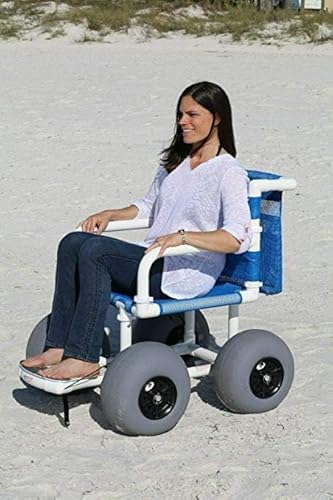
Beach wheelchairs with wide balloon tires are complimentary through the program’s partnership with local accessibility organizations. You can also rent noise-canceling headphones, weighted lap pads, and fidget tools from the sensory equipment station at 15th Street. Portable beach tents provide instant quiet spaces when overstimulation occurs.
Quiet Hours and Designated Family Zones
Morning quiet hours run from 8 AM to 11 AM on Tuesdays and Thursdays throughout summer months. During these sessions, music volume drops by 75% and vendors use visual cues instead of loud announcements. Family zones include dedicated parking spots within 100 yards of beach access and reserved picnic areas with sensory-friendly seating options.
Great Wolf Lodge’s Sensory-Friendly Water Park Initiative
Great Wolf Lodge leads the family resort industry with comprehensive sensory accommodations across their 19 North American locations. Their sensory-friendly initiatives transform traditional water park chaos into manageable experiences for families with sensory-sensitive children.
Adjusted Pool Temperatures and Lighting Controls
You’ll find pool temperatures maintained at consistent 84-86°F to eliminate temperature shocks that trigger sensory responses. Adjustable LED lighting systems dim to 30% capacity during sensory hours, reducing visual overstimulation. Staff monitor both elements hourly using digital controls to maintain optimal sensory conditions throughout designated quiet periods.
Sensory Break Rooms Near Pool Areas
Dedicated quiet spaces feature soft lighting, comfortable seating, and sound-dampening materials located within 50 feet of main pool areas. You can access these rooms without leaving the water park, equipped with weighted blankets, fidget tools, and noise-canceling headphones. Staff maintain these spaces as electronics-free zones to maximize sensory regulation benefits.
Specialized Programming for Children with Sensory Needs
Certified sensory specialists lead small-group activities during reduced-capacity hours every Tuesday and Thursday morning. You’ll participate in structured water play sessions with predictable routines, modified obstacle courses, and gentle sensory integration exercises. Programs accommodate 8-12 children maximum, ensuring personalized attention and controlled stimulation levels throughout each 90-minute session.
Myrtle Beach State Park’s Accessible Shoreline Experience
You’ll find one of South Carolina’s most naturally accommodating beach environments at Myrtle Beach State Park. This 312-acre coastal preserve offers sensory-sensitive families a refreshing alternative to the bustling boardwalk scene just miles away.
Natural Sensory Benefits of Secluded Beach Areas
Secluded stretches between the fishing pier and nature center provide natural sound barriers from crowds. Maritime forests buffer wind noise while creating gentle shade pockets throughout the day. The park’s mile-long shoreline maintains consistent wave patterns without the unpredictable boat traffic found at commercial beaches.
Boardwalk Accessibility and Gentle Wave Zones
Elevated wooden walkways connect parking areas directly to calm water sections near the pier. These boardwalks feature non-slip surfaces and handrails designed for mobility assistance. The protected cove areas experience gentler wave action, with water depths that gradually increase from ankle-deep to waist-deep over 50 yards.
Park Rangers Trained in Disability Awareness
Park staff complete annual training through the South Carolina Department of Parks program for disability awareness. Rangers carry communication cards with picture symbols and maintain sensory-friendly equipment including beach wheelchairs and visual schedule boards. They’re stationed at key access points during peak hours to provide immediate assistance with sensory accommodation needs.
Adventure Aquarium’s Sensory-Friendly Pool Programs in Camden
Adventure Aquarium in Camden, New Jersey offers specialized aquatic programs designed specifically for children with sensory processing needs. The facility combines therapeutic water experiences with marine education in a controlled environment that reduces overwhelming stimuli while maintaining engagement.
Therapeutic Pool Sessions with Reduced Capacity
Adventure Aquarium limits its sensory-friendly pool sessions to just 15 families per hour, creating a calm atmosphere free from typical crowd chaos. The 84°F heated pool features gentle current systems and adjustable water jets that provide controlled sensory input. Sessions run every Saturday morning from 9-11 AM, allowing families to enjoy uninterrupted swimming time before regular crowds arrive.
Underwater Viewing Areas for Gradual Water Introduction
The aquarium’s unique underwater tunnel viewing areas let children observe marine life while staying dry, helping them gradually acclimate to aquatic environments. Glass-walled observation decks provide safe spaces where kids can watch swimming motions and water movement without pressure to enter pools immediately. These transition zones feature soft seating and dimmed lighting to prevent overstimulation during the adjustment period.
Sensory-Friendly Equipment and Flotation Devices
Stay safe on the water with this U.S. Coast Guard-approved throwable flotation cushion. Its durable nylon shell and bright red color ensure visibility and reliable performance in emergencies.

Adventure Aquarium provides weighted lap pads and compression vests that offer calming deep pressure during pool activities. Soft-foam noodles and textured flotation rings give children different tactile experiences while maintaining safety in water. The facility also stocks noise-reducing swim caps and tinted goggles to minimize sensory overload from bright pool lighting and echoing sounds.
Crystal Beach Resort’s Inclusive Pool and Beach Access
Crystal Beach Resort in Florida takes sensory accommodation seriously, offering dedicated spaces and specialized services that transform typical resort chaos into manageable experiences. You’ll find thoughtfully designed areas that prioritize comfort over crowds.
Private Pool Areas for Sensory-Sensitive Guests
You’ll discover three secluded pool zones specifically reserved for sensory-sensitive families during designated quiet hours. These smaller pools maintain temperatures at 82-84°F with reduced water circulation to minimize splashing sounds. Visual barriers create intimate spaces while trained lifeguards monitor capacity limits of just 8 families per hour.
Beach Access Mats and Mobility Equipment
Beach wheelchairs and textured walkway mats make shoreline access possible for guests with mobility challenges. The resort provides complimentary all-terrain wheelchairs with oversized wheels designed for sand navigation. Rubberized pathway mats extend 200 feet from the boardwalk to the water’s edge, creating stable surfaces for walkers and wheelchairs alike.
Trained Staff and Sensory Accommodation Services
Resort staff complete specialized autism and sensory processing training through annual certification programs. You’ll work with dedicated sensory support coordinators who provide noise-canceling headphones, weighted blankets, and communication boards. These specialists coordinate with housekeeping to modify room lighting and arrange poolside quiet zones during your stay.
Essential Tips for Planning Your Sensory-Friendly Aquatic Visit
Success at sensory-friendly aquatic venues starts with smart preparation. These planning strategies will help you create the most comfortable water experience for your family.
Pre-Visit Preparation and Communication Strategies
Contact the facility directly to discuss your family’s specific sensory needs before arriving. Staff can provide detailed information about quiet hours, crowd levels, and available accommodations.
Ask about pool temperatures, lighting conditions, and background noise levels during your planned visit time. Many venues offer virtual tours or photos of their sensory-friendly spaces to help you prepare your family for what to expect.
Packing Sensory Tools and Comfort Items
Pack noise-canceling headphones, sunglasses, and comfort items like weighted lap pads or fidget toys in waterproof bags. Include backup swimwear and towels since wet clothing can become overwhelming for sensory-sensitive individuals.
Bring familiar snacks and drinks in case the venue’s food options don’t meet dietary needs. Consider packing a portable shade umbrella for outdoor venues to create additional sensory breaks.
Creating a Flexible Schedule with Break Times
Plan shorter initial visits to gauge your family’s comfort level with the new environment. Schedule regular sensory breaks every 30-45 minutes, even if your child seems comfortable.
Identify quiet spaces within the facility where you can retreat if needed. Build buffer time into your schedule for transitions and avoid rushing between activities or areas.
Conclusion
Creating memorable water experiences shouldn’t be limited by sensory sensitivities. These seven carefully selected pools and beaches prove that with proper planning and inclusive design you can find aquatic venues that welcome every family member.
Your sensory-sensitive loved ones deserve the joy and therapeutic benefits that water activities provide. By choosing facilities with trained staff specialized equipment and thoughtful accommodations you’re investing in positive experiences that build confidence and create lasting memories.
Remember that each person’s sensory needs are unique. What works perfectly for one family might require adjustments for another. Don’t hesitate to reach out to these venues directly – their commitment to accessibility means they’re ready to work with you to ensure everyone enjoys their time in the water.
Take that first step toward planning your sensory-friendly aquatic adventure. These welcoming spaces are waiting to show you that inclusive fun is not just possible but absolutely wonderful.
Frequently Asked Questions
What makes a pool or beach sensory-friendly?
Sensory-friendly aquatic venues feature reduced noise levels, dimmed or adjustable lighting, predictable schedules, and trained staff who understand sensory processing needs. These facilities often offer specialized equipment like noise-canceling headphones, maintain consistent water temperatures, and provide quiet spaces for sensory breaks to create a comfortable environment for sensitive individuals.
How do water activities help children with sensory processing issues?
Water activities provide natural sensory regulation through gentle pressure and temperature changes that can be calming and therapeutic. The buoyancy of water reduces sensory overload while offering proprioceptive input that helps children process sensory information more effectively, making aquatic environments particularly beneficial for sensory-sensitive individuals.
What should I look for when choosing a sensory-friendly aquatic venue?
Look for facilities with adjustable lighting, sound management systems, specialized sensory equipment, and staff trained in autism and sensory processing support. Check if they offer dedicated quiet hours, maintain consistent pool temperatures, provide sensory break areas, and have capacity limits to prevent overcrowding during sensory-friendly sessions.
Which water parks offer sensory-friendly programs?
Notable sensory-friendly water parks include Morgan’s Wonderland Splash Town in San Antonio, Sesame Place Philadelphia, Great Wolf Lodge locations, and Crystal Beach Resort in Florida. These venues offer specialized sensory-friendly hours, trained staff, and accommodations like quiet zones and sensory equipment to support families with special needs.
How should I prepare for a sensory-friendly aquatic visit?
Contact the facility beforehand to discuss specific needs and inquire about conditions like water temperature and noise levels. Pack sensory tools such as noise-canceling headphones, weighted blankets, and familiar snacks. Create a flexible schedule with planned sensory breaks and identify quiet spaces within the venue for when breaks are needed.
What accommodations do sensory-friendly beaches provide?
Sensory-friendly beaches like Virginia Beach and Myrtle Beach State Park offer natural sound barriers, trained staff, all-terrain wheelchairs, and textured walkway mats. They provide designated quiet areas, specialized equipment rentals, and staff trained to assist families with sensory processing needs while maintaining accessible pathways and facilities.
Are there indoor alternatives to traditional pools for sensory-sensitive children?
Yes, facilities like Adventure Aquarium in Camden, New Jersey, offer specialized indoor aquatic programs designed for children with sensory processing needs. These venues provide controlled environments with predictable conditions, specialized programming, and trained staff to ensure a comfortable and therapeutic water experience year-round.