7 Ideas for Kid-Friendly Pool Parties Parents Will Love
Create a safe, fun kid zone at pool parties with shallow play areas, games, shade, snacks & supervision. Keep children entertained while parents relax!
Why it matters: Pool parties can quickly turn chaotic when kids don’t have designated spaces to play safely away from deeper water and adult activities.
The big picture: Creating a dedicated kid-friendly zone transforms your pool party from a stressful event into an enjoyable experience where children stay entertained while parents relax knowing their little ones are safe.
What you’ll learn: These seven practical ideas will help you design the perfect kid zone that keeps children engaged with age-appropriate activities while maintaining clear boundaries between adult and child spaces at your next pool gathering.
Disclosure: As an Amazon Associate, this site earns from qualifying purchases. Thank you!
Create a Designated Shallow Water Play Area
Setting up a shallow water zone transforms any pool party into a safe haven where kids can splash freely. You’ll want to focus on water depths between 2-3 feet maximum for younger children.
Install Temporary Pool Barriers for Safety
Portable pool barriers create instant boundaries that keep kids in shallow areas. Use colorful floating ropes or lightweight mesh barriers that won’t interfere with swimming but clearly mark safe zones. These visual cues help children understand their limits while giving parents peace of mind.
Add Floating Pool Toys and Games
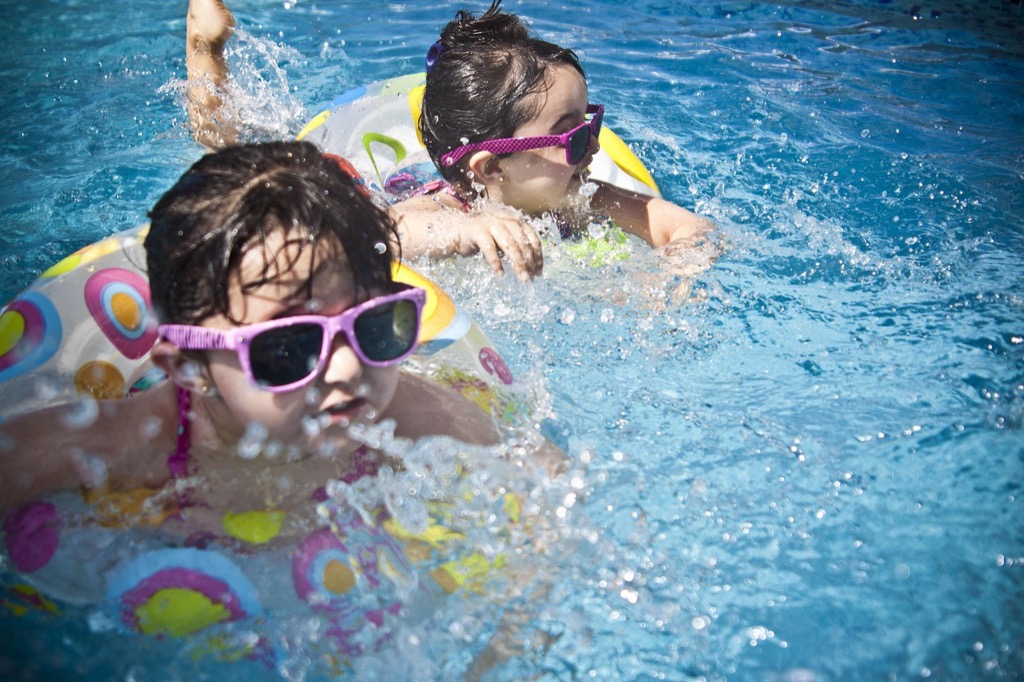
Floating toys like inflatable rings, beach balls, and water basketball hoops keep kids engaged in shallow areas. Choose larger toys that naturally encourage group play rather than individual items that might cause conflicts. Brightly colored options work best since they’re easy to spot and add visual appeal to your designated zone.
Provide Pool Noodles and Kickboards
Pool noodles serve double duty as both safety aids and entertainment tools for kids. They provide extra buoyancy for nervous swimmers while doubling as pretend swords, horses, or building blocks. Kickboards help children practice swimming skills safely while staying within the shallow water boundaries you’ve established.
Set Up a Poolside Activity Station
Creating a dedicated craft and activity area away from the pool edge gives kids a perfect retreat when they need a break from swimming. You’ll want to position this station at least 10 feet from the water to keep materials dry and safe.
Organize Pool-Safe Craft Supplies
Stock waterproof containers with washable markers, foam stickers, and plastic scissors for mess-free creativity. Choose supplies that won’t create hazards if dropped – avoid small beads or glitter that could become slippery pool deck dangers. Laminated paper works better than regular paper since it handles splashes and wet hands without falling apart.
Create Coloring and Drawing Stations
Set up low tables with plastic tablecloths and weighted corners to prevent wind interference. Provide clipboards with pool-themed coloring pages featuring fish, beach balls, and swimming scenes that connect to your party atmosphere. Keep extra towels nearby so kids can dry their hands before handling materials.
Include Pool-Themed Puzzles and Games
Offer waterproof card games like Go Fish and simple jigsaw puzzles with large pieces that won’t blow away easily. Magnetic drawing boards eliminate paper waste and work perfectly with wet fingers from pool play. Consider ring toss games or bean bag activities that kids can play while sitting on pool chairs between swimming sessions.
Design a Comfortable Shade Zone
Your poolside activity station needs protection from the sun to keep kids comfortable and engaged throughout the party.
Install Pop-Up Canopies or Umbrellas
Pop-up canopies provide instant shade coverage for your entire kid-friendly zone within minutes of setup. You’ll want at least 10×10 feet of coverage to accommodate multiple children and their activities comfortably. Market umbrellas work well for smaller groups but require secure bases filled with water or sand to prevent tipping in poolside breezes.
Arrange Child-Sized Seating Options
Low outdoor chairs and bean bags create comfortable resting spots where tired swimmers can recharge between pool sessions. You’ll need seating that’s 12-18 inches high so kids can easily get up and down independently. Waterproof cushions and plastic outdoor furniture work best since they’ll inevitably get splashed and need quick cleanup.
Provide Cooling Towels and Misting Fans
Cooling towels soaked in ice water offer immediate relief when kids need to lower their body temperature quickly. Battery-powered misting fans create a refreshing breeze that helps evaporate water from wet swimsuits and hair. You’ll want at least one cooling station per 4-5 children to prevent waiting lines during peak heat hours.
Establish a Snack and Hydration Station
Positioning a dedicated snack station away from the pool keeps food safe while ensuring kids stay properly fueled. You’ll prevent soggy snacks and create a central hub that encourages regular hydration breaks.
Offer Kid-Friendly Healthy Pool Snacks
Fresh fruit like watermelon wedges and grapes provide natural hydration while satisfying sweet cravings. String cheese, crackers, and granola bars offer sustained energy without creating sticky messes around the pool area. Avoid chocolate or anything that melts quickly in summer heat.
Set Up Spill-Proof Drink Containers
Sports bottles with straw tops prevent spills while allowing easy one-handed drinking during pool activities. Label each container with kids’ names using waterproof stickers to avoid mix-ups. Keep drinks in insulated coolers with ice packs to maintain refreshing temperatures throughout the party.
Create a Self-Serve Snack Bar at Kid Height
Position a low table or storage bin at 24-30 inches high so children can access snacks independently. Use shallow baskets or containers that prevent spills when kids reach for items. Place napkins and wet wipes within easy reach to encourage clean hands before returning to pool activities.
Plan Age-Appropriate Pool Games and Activities
Well-planned pool games transform your kid-friendly zone from a simple play area into an engaging entertainment hub. Strategic game selection keeps children active while teaching valuable water skills and social interaction.
Organize Classic Pool Games Like Marco Polo
Marco Polo works perfectly in your designated shallow area with clear boundaries established. You’ll want to modify the rules for younger swimmers by requiring the “Marco” player to keep one foot on the pool bottom at all times.
Set a 15-minute time limit per round to maintain energy levels and rotate players frequently. This classic game naturally teaches kids spatial awareness while building confidence in chest-deep water.
Set Up Pool Basketball or Volleyball Nets
Floating basketball hoops adjust to different water depths making them perfect for mixed-age groups. Position the hoop in 3-4 feet of water so shorter kids can participate while taller ones face a challenge.
Pool volleyball nets work best when stretched across the shallow end at chest height for most participants. You’ll find that soft foam balls prevent injuries while maintaining the competitive spirit that keeps kids engaged.
Create Treasure Hunt Activities in Shallow Water
Sinkable pool toys scattered throughout your shallow zone create an exciting treasure hunt experience. Use brightly colored diving sticks, weighted hoops, and rubber coins that stand out against your pool bottom.
Establish different point values for various treasures and set 5-minute hunting rounds to maintain excitement. This activity naturally improves underwater confidence while teaching kids to open their eyes beneath the surface safely.
Implement Essential Safety Measures
Your kid-friendly zone needs layers of protection that go beyond just shallow water and barriers. The most critical safety measures happen before anyone even gets in the pool.
Assign Adult Supervisors for Constant Monitoring
Designate one adult supervisor for every four children in the water at all times. You’ll need dedicated watchers who aren’t socializing, checking phones, or handling other party duties. Rotate supervision duties every 30 minutes to maintain alertness and prevent fatigue-related lapses in attention.
Provide Life Jackets and Flotation Devices
Require Coast Guard-approved life jackets for non-swimmers and children under 5 years old. You’ll want properly fitted vests that keep heads above water – avoid arm floaties or inflatable rings as primary safety devices. Keep extra life jackets in multiple sizes available for unexpected guests or when kids outgrow their equipment.
Establish Clear Pool Rules and Boundaries
Post visible pool rules using simple pictures and words that kids can understand easily. You’ll need to enforce no running, no pushing, and buddy system requirements consistently throughout the party. Create hand signals for “time out” and “emergency stop” that all supervising adults and older children recognize immediately.
Create a Rest and Recovery Area
Even the most water-loving kids need breaks from pool action. A dedicated recovery zone prevents exhaustion and helps children recharge between swimming sessions.
Set Up Quiet Zone Away from Pool Noise
Position your rest area at least 15 feet from the pool’s edge to minimize splashing sounds and excited chatter. Use outdoor fabric screens or portable room dividers to create a visual barrier that signals “quiet time.” This separation helps overstimulated children decompress and gives parents a peaceful spot for monitoring multiple kids simultaneously.
Provide Comfortable Lounging Options
Place lightweight outdoor loungers or inflatable chairs in your quiet zone for easy repositioning throughout the day. Add soft outdoor cushions and waterproof blankets to create cozy nap spots for younger children. Consider low-profile camping chairs that won’t tip over easily when tired kids climb in and out during rest periods.
Include Entertainment for Non-Swimming Breaks
Stock your recovery area with quiet activities like waterproof books, magnetic travel games, and simple fidget toys. Provide individual headphones with pre-loaded tablets featuring age-appropriate content to prevent disputes over entertainment choices. Keep a basket of soft stuffed animals or comfort items for children who need extra soothing during their break time.
Conclusion
Creating a successful kid-friendly zone at your pool party doesn’t have to be overwhelming when you implement these seven strategic ideas. By combining safety measures with engaging activities you’ll transform your pool area into a space where children can play confidently while parents enjoy peace of mind.
Remember that the key to success lies in preparation and clear boundaries. When you establish designated areas for different activities and age groups you’re setting everyone up for a memorable and stress-free celebration.
Your guests will appreciate the thoughtful planning and kids will have an unforgettable experience. With these practical solutions in place you can host pool parties that prioritize fun safety and relaxation for the entire family.
Frequently Asked Questions
What is the ideal depth for a kid-friendly shallow water zone?
The recommended depth for a designated kid-friendly shallow water area is 2-3 feet maximum. This depth allows younger children to safely splash and play while still being able to touch the bottom, providing both fun and security for non-swimmers and beginners.
How can I create clear boundaries for the kids’ pool area?
Install temporary pool barriers using colorful floating ropes or lightweight mesh to mark safe zones. These visual boundaries help children understand their limits while swimming and make it easier for parents to monitor the designated kid-friendly area during the party.
What types of pool toys work best for group play?
Floating pool toys like inflatable rings, beach balls, pool noodles, and kickboards are ideal for group activities. These items serve dual purposes as both entertainment and safety aids, allowing children to practice swimming skills while staying engaged in supervised play.
How far should poolside activities be from the water?
Position poolside activity stations at least 10 feet away from the water’s edge. This distance provides a safe retreat space for crafts and activities while preventing wet children from damaging materials and keeping the area organized and dry.
What shade coverage is recommended for children’s pool parties?
Install pop-up canopies or umbrellas providing at least 10×10 feet of coverage for multiple children. Include child-sized seating like low outdoor chairs and bean bags, plus cooling accessories like ice-soaked towels and battery-powered misting fans for comfort.
What snacks are best for poolside kid zones?
Offer healthy, non-melting snacks like fresh fruit, string cheese, crackers, and granola bars. Avoid chocolate or items that melt quickly. Use sports bottles with straw tops, label drinks with names, and create a self-serve station at kid height using shallow containers.
How many adults should supervise the kid-friendly zone?
Assign one adult supervisor for every four children in the water, rotating every 30 minutes to maintain alertness. Provide Coast Guard-approved life jackets for non-swimmers and children under 5, and establish clear visual pool rules with simple pictures and words.
What games work well for mixed-age groups in the pool?
Organize classic games like Marco Polo with modified rules and 15-minute time limits. Set up floating basketball hoops and volleyball nets using soft foam balls for safety. Create treasure hunts in shallow water with brightly colored sinkable toys.
How should I set up a rest area for tired swimmers?
Position the quiet zone at least 15 feet from the pool to minimize noise. Use outdoor fabric screens for visual barriers, provide lightweight loungers and inflatable chairs, and include quiet entertainment like waterproof books, magnetic games, and tablets with headphones.
What safety equipment is essential for the kids’ pool zone?
Essential safety items include Coast Guard-approved life jackets for non-swimmers and children under 5, properly fitted for each child. Establish hand signals for “time out” and “emergency stop” for quick communication between supervising adults and older children during activities.