10 Best Pool Security Systems for Preventing Accidents That Every Parent Should Know
Discover essential pool security systems to prevent accidents, including alarms, safety fences, and cameras, ensuring peace of mind and safety all summer long.
With summer just around the corner, pool safety is on everyone’s mind. Accidental drownings can happen in seconds, making it crucial to invest in reliable pool security systems. Discover the best options available to keep your loved ones safe and enjoy peace of mind by the water.
Disclosure: As an Amazon Associate, this site earns from qualifying purchases. Thank you!
Pool Alarms


Pool alarms are essential for alerting you to unexpected entries into the water. They can detect splashes or movements and sound an alarm. Look for models that activate automatically when the pool cover is removed.
Safety Fences
Installing a safety fence around your pool can significantly reduce the risk of accidents. Opt for a fence that is at least 4 feet high with self-closing, self-latching gates. This creates a secure barrier for young children.
Gate Alarms
Pair your safety fence with gate alarms. These alarms alert you whenever the gate is opened, ensuring you’re always aware when someone accesses the pool area.
Immovable Pool Covers
Invest in durable, secure pool covers to prevent unauthorized entry. A solid cover can support a significant weight, adding an extra layer of security during off-seasons.
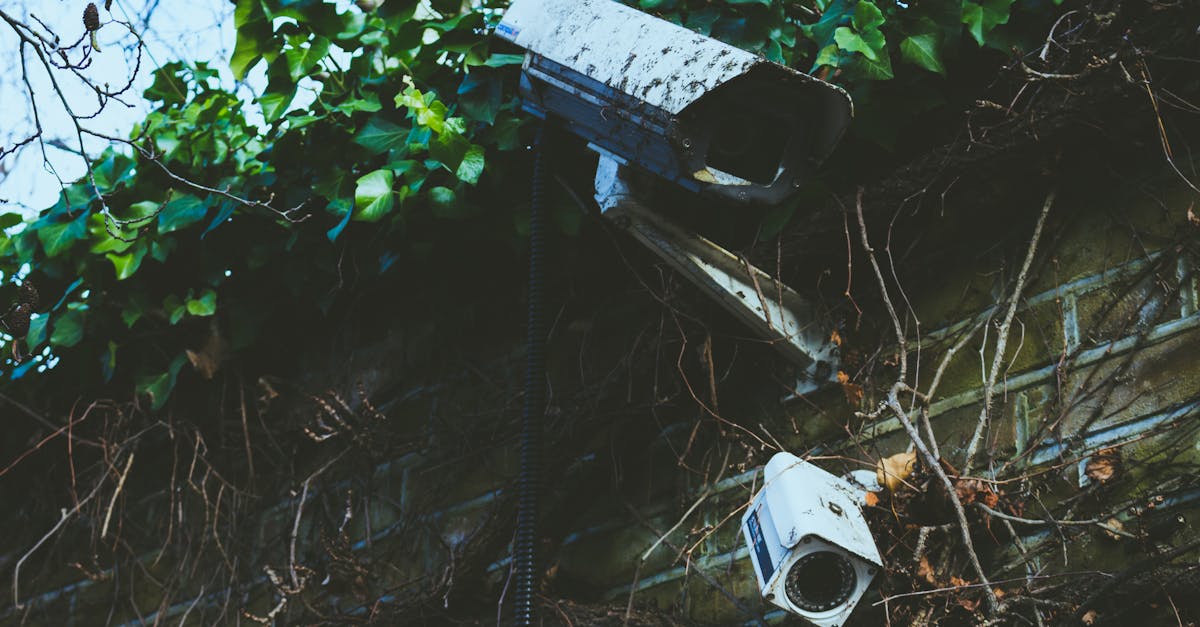
Surveillance Cameras
Installing cameras can help monitor the pool area at all times. Choose high-resolution, water-resistant models to capture clear footage and help you keep an eye on your loved ones.
By implementing these systems, you can enjoy your pool with greater peace of mind, knowing you’re taking responsible steps towards safety.
Understanding Pool Safety Risks
Accidents can occur in an instant around swimming pools, making it crucial to recognize the inherent risks. When it comes to ensuring safety, knowledge is your best ally.
Common Pool-Related Accidents
Drowning ranks as the leading cause of accidental death among children ages 1 to 4. It’s alarming that about 390 deaths occur each year in the U.S. due to drowning in swimming pools and spas. Most incidents happen in residential pools, emphasizing the need for vigilance at home. Additionally, non-fatal injuries are prevalent, with 73% involving children under 5 from 2015-2017. Recognizing these risks helps you make informed decisions about pool safety.
Importance of Pool Safety Measures
Implementing pool safety measures isn’t just wise; it’s essential for protecting your loved ones. With 75% of swimming pool drowning deaths affecting children under 15 occurring at private residences, your pool safety strategies can save lives. Installing barriers like safety fences and pool covers can significantly reduce risks. Educating yourself and your family about safety protocols reinforces a culture of vigilance that makes all the difference during those sunny summer days by the water.
Top Features of Pool Security Systems
When considering pool safety, knowing the key features of pool security systems can help you make informed decisions for your home. Various systems offer distinct functionalities that can enhance safety around your pool area.
Video Surveillance Capabilities
Video surveillance is crucial for monitoring your pool area. Camera-based alarms like the SwamCam Pool Alarm leverage advanced AI to detect movement, providing real-time alerts directly to your phone. These cameras feature wide-angle lenses that cover both the pool and its perimeter, ensuring you don’t miss anything. With a subscription, you can store and review past footage, adding an extra layer of security.
Alarm Systems and Sensors
Alarm systems and sensors serve as another vital component of pool safety. Surface wave sensors can detect disturbances on the water, such as ripples from someone entering the pool unexpectedly. This technology alerts you quickly, allowing you to respond rapidly to potential dangers. These sensors are often easy to install and can be integrated with other security measures.
Access Control Options
Access control options play a significant role in pool safety. Installing keypad entry systems or RFID locks restricts access to authorized individuals only. This feature is especially useful if your pool is frequented by young children or guests. Innovative features like remote access controls allow you to manage entry even when you’re not home, providing peace of mind and enhanced control over your pool area.
Review of Best Pool Security Systems for Preventing Accidents
When it comes to ensuring the safety of your loved ones around the pool, investing in a reliable security system is essential. Here’s a closer look at some of the best pool security systems designed to prevent accidents and provide peace of mind.
System 1: LifeBuoy BCone Smart Floating Pool Safety Alarm System
Protect your loved ones with the BCone pool alarm. This smart alarm connects to your smartphone and prevents false alerts, offering a loud siren and automatic reactivation after swimming. It's compatible with any pool and includes a 3-year warranty.

- Features: This innovative system uses specialized sensors to detect disturbances in the water and immediately alerts you if someone falls in. It’s user-friendly, featuring a swim mode that can be activated via voice commands or a phone app, and it seamlessly re-arms after each swimming session.
- Benefits: You get instant alerts, customizable sensitivity, and a loud alarm that exceeds 85 decibels. Its effectiveness as a secondary safety measure is invaluable, especially for preventing incidents involving children who may bypass other barriers.
System 2: SwamCam Camera Pool Alarm System
Get alerted *before* anyone enters your pool with SwamCam's AI-powered human detection and customizable "danger zone." ASTM-certified and featuring photo notifications with 1080p livestreaming, SwamCam automatically rearms for added safety.

- Features: This advanced system employs AI technology with a wide-angle camera to monitor the pool area. It recognizes human movement within a designated danger zone and sends real-time notifications to your phone. Plus, it includes an emergency 911 feature for urgent situations.
- Benefits: You can maintain vigilant surveillance and receive immediate updates, granting you extra layers of protection. Its integration of visual monitoring enhances safety for families, especially during those warm summer evenings.
System 3: PoolGuard Pool Alarm System
Protect your pool with the Poolguard alarm. Made in the USA, it detects intrusions and sounds an 85dB alarm within 10 feet, with a remote receiver range up to 200 feet.

- Features: This alarm system places a sturdy floating sensor in the water, monitoring for any disruptions. It activates an alarm of over 100 decibels if a child or pet falls into the pool, providing a loud warning.
- Benefits: You get a reliable secondary defense that deters accidental drownings and can easily be reset after swim time. Its simplicity and effectiveness commend it as a wise choice for families with small children.
System 4: Safety Turtle Pool Alarm System
The BCONE pool alarm enhances pool safety with loud alerts on your home unit, pool unit, and app. Certified to ASTM F2208 standards, it features Alexa compatibility and a user-friendly app that supports up to 4 pool units.

- Features: This unique system uses a wearable wristband that activates an alarm if the wearer enters the water. The login base station connects wirelessly and sounds an alert throughout your home.
- Benefits: You can move freely around your backyard knowing that if a child falls in, you’ll have an immediate alert. Its portability makes it a great option for use across multiple pools or at vacation spots.
- Features: The AquaGuard system uses surface wave technology to sense disturbances in the water, providing alerts for unexpected entries. It can differentiate between people and objects, reducing false alarms.
- Benefits: You get a system that minimizes unnecessary alerts while maximizing responsiveness to real incidents. It’s perfect for ensuring safety while enjoying a relaxed pool day without constant interruptions.
Tips for Choosing the Right Pool Security System
Choosing the right pool security system involves careful consideration to ensure the safety of your loved ones. Here are some key factors to guide your decision-making process.
Assessing Your Pool Area
Evaluate the specific layout of your pool area before selecting a security system. Measure the pool’s dimensions and assess surrounding access points. For example, if you have a large in-ground pool with multiple entry points, perimeter alarms might be vital for keeping children and pets safe from unsupervised access. Additionally, consider any nearby landscaping or structures that may create blind spots. Adjustments in your pool’s design may also help eliminate potential hazards.
Budget Considerations
Establish a realistic budget that matches your safety needs. You can find pool security systems ranging from $50 for basic alarms to several hundred dollars for comprehensive surveillance setups. Investing in professional installation may also add to your budget but can ensure the systems are optimally configured. Remember, a little extra upfront investment can significantly enhance safety and provide peace of mind for years to come.
Professional Installation vs. DIY
Consider whether you’ll opt for professional installation or a DIY approach. For complex systems like subsurface motion detectors, professional installation can provide precise placement and calibration. Alternatively, simpler systems such as surface wave sensors or basic alarms can be installed yourself, saving you money. Assess your technical skills and willingness to follow installation guides before deciding, as a poorly installed system could compromise safety.
Maintaining Your Pool Security System
Maintaining your pool security system is essential for ensuring its effectiveness and the safety of your loved ones. Regular upkeep helps you stay prepared and responsive to potential risks during swimming season. Here are some crucial steps.
Regular Testing and Updates
You should conduct regular tests of your pool security systems to ensure they function correctly. Check your alarms monthly to confirm they sound appropriately when triggered. Update the system’s software if applicable, as manufacturers often release enhancements for improved performance. For example, systems like the SwamCam can benefit from routine firmware updates to boost detection capabilities. Don’t forget to replace batteries in wireless components annually to avoid any surprises during the busy summer months.
Educating Family Members
You need to educate everyone in your household about the pool security system to maximize its effectiveness. Teach family members how to operate the alarms and the significance of their alerts. Make sure that children know the rules surrounding pool safety and how the security systems work. Consider organizing a family day at the pool where you practice emergency procedures together. This not only reinforces safety but also promotes a sense of responsibility and teamwork among family members, ensuring everyone is prepared in case of a situation.
Conclusion
Investing in a reliable pool security system is crucial for protecting your loved ones and ensuring a safe swimming environment. With the right measures in place you can significantly reduce the risk of accidents and enjoy peace of mind during those sunny days by the pool.
Remember to choose a system that fits your specific needs and regularly maintain it for optimal performance. By staying proactive and informed about pool safety you not only safeguard your family but also create a culture of awareness around water activities. Prioritizing pool security means prioritizing the well-being of everyone who enjoys your pool.