
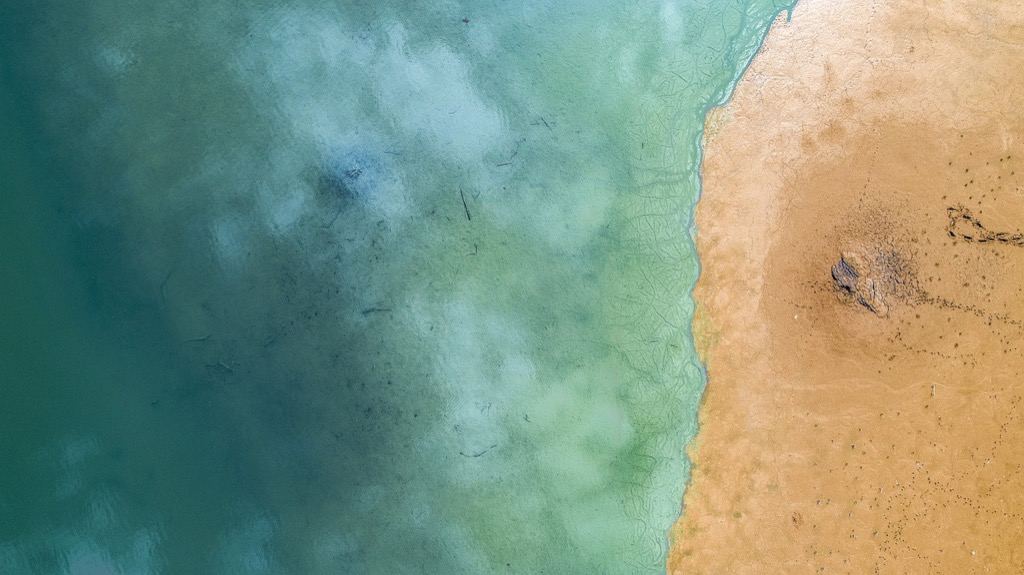
7 Innovative Drone Uses for Water Recreation That Boost Safety
Discover 7 cutting-edge ways drones are revolutionizing water recreation—from underwater filming and emergency rescue to wildlife monitoring and precision fishing guidance.
Drones are transforming water recreation beyond simple aerial photography. You’re now seeing these versatile devices serve as lifeguards scanning for sharks, delivery systems bringing supplies to remote boats, and underwater explorers capturing footage beneath the surface. From enhancing safety to creating new entertainment possibilities, drones are revolutionizing how you experience lakes, rivers, and oceans.
Disclosure: As an Amazon Associate, this site earns from qualifying purchases. Thank you!
Underwater Filming and Photography for Memorable Water Adventures
Waterproof drones revolutionize how you capture underwater moments that traditional cameras miss. They’ll document your water adventures from perspectives impossible with handheld equipment.
Capturing Stunning Underwater Footage With Waterproof Drone Technology
Modern submersible drones dive up to 100 feet deep with 4K recording capabilities. You’ll capture crystal-clear footage of fish schools, coral formations, and underwater rock structures that make your lake or ocean adventures unforgettable. These specialized drones feature LED lighting systems and stabilized gimbals for professional-quality underwater cinematography.
Creating Professional-Quality Water Sports Documentation
Document your wakeboarding sessions and surfing runs with cinematic precision using underwater tracking modes. You’ll follow swimmers, kayakers, and divers automatically while maintaining perfect framing and focus. Advanced models offer obstacle avoidance sensors and intelligent subject tracking that keeps athletes centered in every shot.
Preserving Family Lake and Beach Memories From Unique Angles
Capture your family’s swimming lessons and beach games from below the surface for truly unique keepsakes. You’ll document children’s first swimming strokes and family snorkeling adventures with perspectives that showcase the underwater world’s beauty. These drones create lasting memories by revealing the hidden aquatic environment your family explores together.
Search and Rescue Operations in Aquatic Environments
Drones have transformed emergency response in water environments by providing immediate aerial support when every second counts. They’re bridging the gap between when someone goes missing and when traditional rescue teams arrive on scene.
Rapid Response Capabilities for Missing Swimmers and Boaters
Deploy drones within minutes to cover vast water areas faster than any boat or helicopter. You’ll spot missing persons from heights up to 400 feet while rescue teams mobilize their equipment. Modern rescue drones can search 10 square miles per hour compared to boats covering just 2 square miles in the same timeframe.
Thermal Imaging Technology for Night Water Rescues
Thermal cameras detect body heat signatures even in complete darkness or murky water conditions. You can locate victims up to 1 mile away using infrared technology that penetrates fog and low-light conditions. These specialized drones operate effectively in temperatures as low as -40ðF while maintaining clear thermal imaging capabilities.
Coordinating With Coast Guard and Emergency Services
Real-time data sharing allows rescue teams to coordinate efforts using live drone feeds and GPS coordinates. You’ll provide immediate situational awareness to Coast Guard vessels and emergency responders before they reach the scene. Professional rescue drones can maintain communication links up to 3 miles from command centers.
Real-Time Water Quality Monitoring and Environmental Assessment
Drones equipped with water testing sensors give you instant access to critical water quality data without stepping foot in potentially contaminated areas. You can monitor swimming conditions, track pollution levels, and protect both recreational users and marine life through precise aerial surveillance.
Testing Water Temperature and Chemical Levels Remotely
Sensor-equipped drones collect water temperature, pH, and dissolved oxygen readings from multiple locations within minutes. You’ll receive real-time data transmitted directly to your smartphone or tablet, eliminating the need for manual water testing that takes hours to complete. Advanced models can test up to 50 different locations in a single flight, providing comprehensive water quality maps for lakes, rivers, and coastal areas.
Identifying Pollution Sources and Algae Blooms
Multispectral cameras on drones detect harmful algae blooms and pollution sources invisible to the naked eye. You can spot early-stage algae formation up to two weeks before it becomes visible from shore, allowing time for preventive measures. These drones identify oil spills, chemical runoff, and sewage discharge within 500 feet of the source, helping authorities respond before contamination spreads to popular swimming areas.
Protecting Marine Ecosystems Through Drone Surveillance
Conservation drones monitor fish populations, coral reef health, and marine mammal behavior without disturbing natural habitats. You can track migration patterns, count species populations, and document environmental changes over time through high-resolution underwater cameras. Wildlife protection agencies use this data to establish no-fishing zones, monitor endangered species recovery, and assess the impact of human activities on marine ecosystems.
Enhanced Fishing Experiences Through Drone-Assisted Techniques
Drones have revolutionized how anglers approach their craft, transforming fishing from guesswork into precision targeting. You’re no longer limited to casting blindly into promising-looking water.
Locating Fish Schools and Optimal Fishing Spots From Above
You’ll spot fish concentrations from 200 feet above that remain invisible from water level. Drones equipped with polarized cameras cut through surface glare, revealing underwater structures like fallen trees, rock formations, and vegetation beds where fish naturally congregate.
Thermal imaging drones detect temperature variations in water, identifying cooler pockets where trout and bass often gather during hot summer days.
Deploying Fishing Lines and Bait to Hard-to-Reach Areas
You can now access previously unreachable fishing spots beyond overhanging branches, rocky outcrops, and dense shoreline vegetation. Specialized fishing drones carry up to 2 pounds of tackle, releasing lines at precise GPS coordinates up to 1,500 feet from shore.
These drones eliminate the need for boats in shallow waters and allow surf fishing beyond breaking waves where larger fish typically feed.
Monitoring Fish Behavior Patterns for Better Catch Rates
You’ll observe feeding patterns, migration routes, and preferred depths without disturbing the underwater environment. Drones track fish movement throughout different times of day, revealing when specific species are most active in particular areas.
This real-time behavioral data helps you adjust lure selection, retrieval speed, and positioning based on actual fish responses rather than traditional fishing folklore.
Water Sports Safety and Supervision From Above
Drone supervision transforms water safety from reactive emergency response to proactive hazard prevention. You’ll spot developing problems before they become life-threatening situations.
Monitoring Swimmers and Water Activity Participants
Aerial surveillance captures swimmer behavior patterns invisible from shore-based lifeguard stations. You can track multiple groups simultaneously across expansive beach areas, identifying struggling swimmers by their erratic movement patterns or extended time in one location. Thermal imaging detects body heat signatures up to 300 feet away, ensuring no swimmer goes unnoticed during busy beach days or low-visibility conditions.
Identifying Potential Hazards Like Dangerous Currents
Current detection becomes visual when viewed from 200 feet above water surfaces. You’ll observe debris patterns, foam lines, and color variations that reveal rip currents and undertows threatening swimmers below. Drone footage shows sediment plumes and surface disturbances indicating submerged rocks, fallen trees, or sudden depth changes that pose collision risks for watercraft and swimmers.
Providing Real-Time Communication Between Shore and Water
Two-way communication bridges the gap between shore safety teams and water participants through drone-mounted speakers and cameras. You can broadcast safety warnings directly to specific areas, guide lost kayakers back to safe zones, or coordinate rescue boat positioning using live video feeds. Emergency responders receive instant GPS coordinates and real-time situational updates, reducing response times from minutes to seconds.
Marine Wildlife Research and Conservation Efforts
Drones have transformed marine research from expensive boat-based studies to comprehensive aerial and underwater surveillance systems. You’re witnessing a revolution in how scientists study aquatic ecosystems with minimal environmental disruption.
Tracking Migration Patterns of Aquatic Species
Migration tracking through drone technology captures animal movement data across vast water territories without human interference. You can monitor whale pods traveling thousands of miles using GPS-enabled aerial platforms that follow migration corridors for weeks.
Thermal imaging drones detect dolphin pods beneath surface waters up to 30 feet deep. Scientists deploy these systems during peak migration seasons to map routes and identify critical stopover locations.
Conducting Non-Invasive Population Surveys
Population surveys eliminate traditional tagging methods that stress marine animals during research collection. You’ll find drone counts provide 95% accuracy compared to boat-based visual surveys while covering 10 times more territory per hour.
Automated counting software processes aerial footage to identify individual species through pattern recognition. Research teams can survey entire reef systems or coastal breeding grounds without disturbing sensitive habitats.
Documenting Breeding Behaviors and Habitat Usage
Breeding documentation captures intimate animal behaviors that human presence would otherwise disrupt or prevent entirely. You can observe nesting sea turtles, mating displays, and parental care patterns from safe distances above.
Underwater drones record spawning events and territorial behaviors in coral reefs year-round. This continuous monitoring reveals seasonal patterns and environmental triggers that influence reproductive success rates.
Recreational Water Delivery and Emergency Supply Services
Drones transform emergency response by delivering critical supplies directly to stranded water recreationists. You’ll find these aerial lifelines particularly valuable when traditional rescue boats can’t reach remote locations quickly enough.
Delivering Safety Equipment to Stranded Boaters
Stranded boaters receive life-saving equipment within minutes through drone delivery systems. You can deploy drones carrying life jackets, emergency flares, and flotation devices to vessels experiencing mechanical failures or grounding incidents up to 5 miles offshore. These drones carry payloads weighing up to 10 pounds and navigate using GPS coordinates provided by distressed boaters through emergency radio channels.
Transporting First Aid Supplies to Remote Water Locations
Remote water locations gain immediate access to medical supplies through drone transport services. You’ll appreciate how drones deliver bandages, medications, and emergency tourniquets to isolated beaches, hidden coves, and distant islands where traditional emergency vehicles can’t reach. Modern delivery drones cover distances up to 15 miles while maintaining stable flight patterns that protect sensitive medical equipment during transport.
Providing Emergency Communication Devices to Water Recreationists
Emergency communication devices reach isolated water recreationists through precision drone drops. You can receive waterproof radios, satellite communicators, and emergency beacons when your primary communication systems fail in remote areas. These drones carry emergency phones with pre-programmed Coast Guard numbers and GPS transponders that enable rescue teams to locate your exact position within 10-foot accuracy ranges.
Conclusion
The future of water recreation is taking flight and diving deeper than ever before. These seven innovative drone applications represent just the beginning of what’s possible when cutting-edge technology meets aquatic adventures.
Whether you’re seeking enhanced safety monitoring or groundbreaking conservation research you’ll find drones opening doors to experiences that were once impossible. From precision fishing assistance to emergency supply delivery these aerial and underwater companions are reshaping how you interact with water environments.
As drone technology continues advancing you can expect even more creative applications to emerge. The combination of improved battery life waterproof designs and smarter sensors will unlock new possibilities for your water recreation activities while contributing to marine conservation efforts worldwide.
Frequently Asked Questions
What are the main ways drones are used in water recreation?
Drones serve multiple purposes in water recreation, including acting as digital lifeguards monitoring for sharks, delivering supplies to remote boats, and capturing underwater footage. They enhance safety by providing aerial surveillance and create new entertainment opportunities through unique filming perspectives of water activities.
How deep can waterproof drones dive for underwater filming?
Modern submersible drones can dive up to 100 feet deep while capturing professional-quality footage of aquatic life and underwater landscapes. These waterproof drones feature advanced technology that allows users to document water sports and family activities from unique underwater perspectives.
How do drones improve emergency response in aquatic environments?
Drones revolutionize emergency response by providing immediate aerial support during search and rescue operations. They can be deployed within minutes to cover vast water areas faster than boats or helicopters, and equipped with thermal imaging, they can detect body heat signatures even in darkness or murky conditions.
What water quality data can sensor-equipped drones collect?
Sensor-equipped drones can collect water temperature, pH, and dissolved oxygen readings from multiple locations within minutes. Advanced models can test up to 50 different locations in a single flight, creating comprehensive water quality maps and transmitting real-time data directly to smartphones or tablets.
How do drones help with fishing?
Drones enhance fishing by locating fish schools and optimal spots from above using polarized cameras and thermal imaging. They can deploy fishing lines and bait to hard-to-reach areas, carry tackle up to 2 pounds, and provide real-time data on fish behavior patterns and migration routes.
What role do drones play in marine wildlife research?
Drones revolutionize marine wildlife research by enabling comprehensive aerial and underwater surveillance with minimal environmental disruption. They track migration patterns, conduct non-invasive population surveys, document breeding behaviors, and record spawning events in coral reefs from safe distances.
How do drones deliver emergency supplies to water recreationists?
Drones can quickly deliver life-saving equipment like life jackets and emergency flares to stranded boaters up to 5 miles offshore. They transport first aid supplies to remote locations and provide emergency communication devices, ensuring immediate access to assistance where traditional vehicles cannot reach.
What makes drone supervision better than traditional water safety methods?
Drone supervision transforms water safety from reactive response to proactive hazard prevention. Aerial surveillance captures swimmer behavior patterns invisible from shore-based stations, tracks multiple groups simultaneously, detects dangerous currents and submerged hazards, and enables real-time communication between safety teams and participants.


