
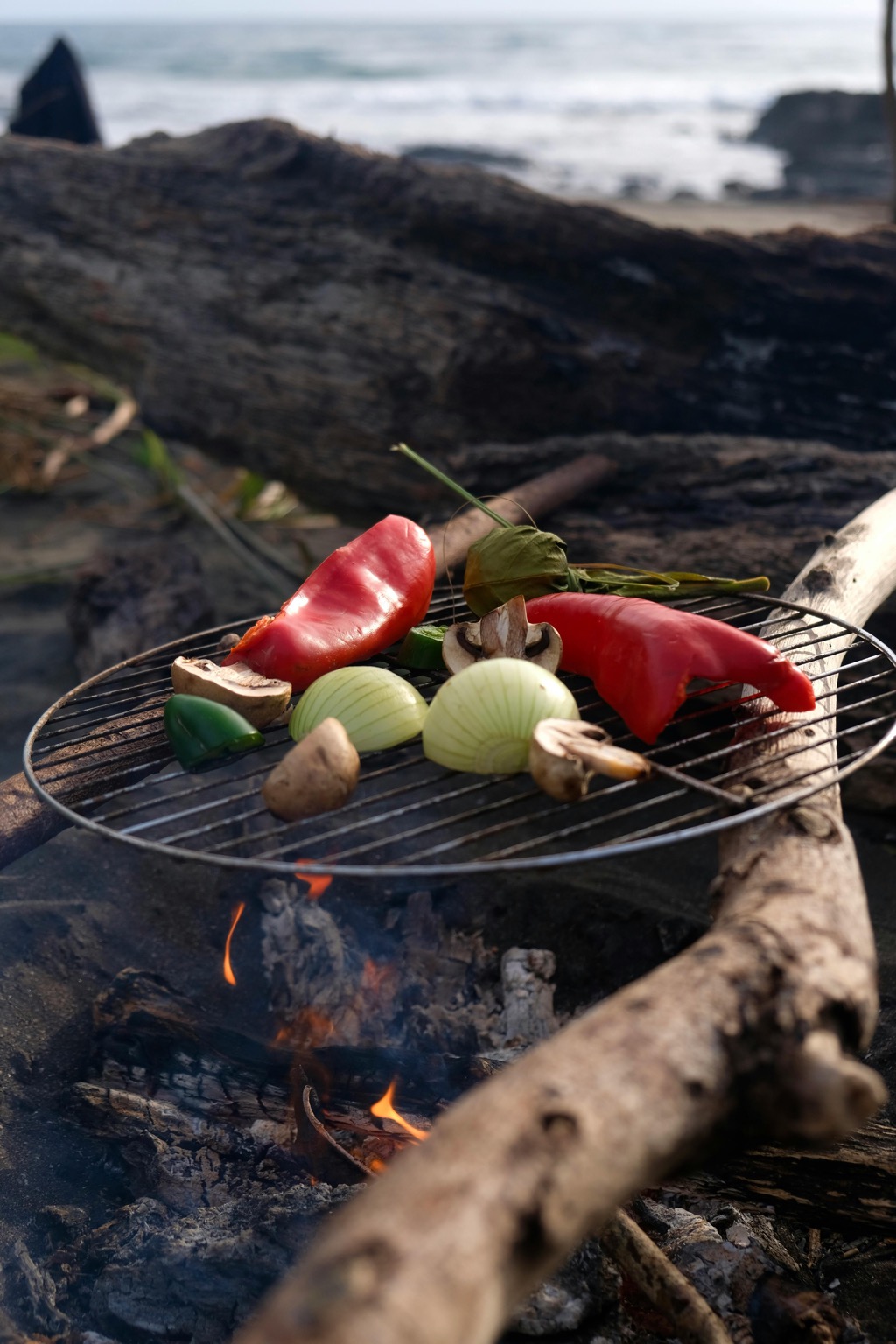
7 Beach Fire Pit Cooking Techniques That Create Coastal Magic
Master 7 essential beach fire pit cooking techniques! From grilling to ash roasting, create unforgettable coastal meals with expert tips for perfect oceanside dining adventures.
The big picture: Beach fire pit cooking transforms your coastal getaway into a culinary adventure that combines the primal satisfaction of open-flame cooking with stunning ocean views.
Why it matters: Mastering these techniques lets you create memorable meals while maximizing your beach time – no need to leave paradise for dinner reservations or crowded restaurants.
What’s ahead: From perfectly grilled seafood to smoky vegetable packets you’ll discover seven proven methods that work whether you’re camping on secluded shores or hosting friends at your favorite beach spot.
Disclosure: As an Amazon Associate, this site earns from qualifying purchases. Thank you!
Grilling Over Open Flames
Beach fire pit grilling transforms ordinary ingredients into smoky, flame-kissed masterpieces that capture the essence of coastal cooking. The key to success lies in understanding how sand, salt air, and ocean breezes affect your grilling setup.
Choosing the Right Grill Grate for Beach Conditions
Heavy-duty cast iron grates work best for beach fire pits because they withstand sand exposure and retain heat effectively. Look for grates with close-set bars to prevent smaller foods from falling through into the sand below.
Stainless steel options resist salt air corrosion better than standard materials, though they heat less evenly than cast iron alternatives.
Managing Heat Zones for Even Cooking
Create distinct temperature zones by raking coals to one side of your fire pit, establishing hot direct heat and cooler indirect areas. This setup lets you sear proteins over high heat then move them to gentler zones for thorough cooking.
Monitor wind patterns constantly since ocean breezes can intensify flames unexpectedly, requiring quick adjustments to prevent burning your food.
Wrapping Foods in Foil Packets
Foil packet cooking transforms your beach fire pit into a versatile steaming oven that locks in flavors while protecting delicate ingredients from direct flame contact.
Selecting Ingredients That Cook Well Together
Choose ingredients with similar cooking times to ensure everything finishes simultaneously. Root vegetables like potatoes and carrots need longer cooking than fish or chicken, so cut dense vegetables into smaller pieces. Combine quick-cooking proteins like shrimp with tender vegetables such as zucchini, bell peppers, or asparagus for perfectly timed meals.
Sealing Techniques for Moisture Retention
Create tight seals by bringing foil edges together at the top and folding them down twice in quarter-inch folds. Crimp the side seams firmly to prevent steam from escaping during cooking. Leave enough space inside each packet for steam circulation, which helps cook food evenly while maintaining moisture throughout the cooking process.
Roasting on Skewers and Spits
Skewers and spits transform your beach fire pit into a rotating oven that delivers restaurant-quality results. This ancient cooking method lets you achieve perfect browning while keeping delicate foods from falling through grill grates into the sand.
Threading Foods for Optimal Heat Distribution
Alternate dense and tender ingredients to ensure even cooking throughout your skewer. Place quick-cooking items like cherry tomatoes or mushrooms between slower-cooking proteins and root vegetables.
Leave quarter-inch gaps between pieces to allow hot air circulation around each ingredient. Tightly packed skewers create steam pockets that result in uneven cooking and soggy textures.
Match ingredient sizes to cooking times by cutting dense vegetables into smaller pieces than proteins. This prevents your meat from overcooking while waiting for thick potato chunks to finish.
Rotating Methods for Even Browning
Turn skewers every 2-3 minutes using tongs or heat-resistant gloves to prevent charring on one side. Consistent rotation creates the golden-brown crust that makes skewered foods irresistible.
Position multiple skewers at different heights above your coals to manage cooking speed. Keep delicate items farther from intense heat while bringing heartier ingredients closer to the flames.
Create a rotation schedule by marking one end of each skewer with a small notch. This visual cue helps you track which side faces the fire and maintains systematic turning patterns.
Cooking in Cast Iron Dutch Ovens
Cast iron Dutch ovens transform your beach fire pit into a versatile outdoor kitchen that delivers slow-cooked perfection. This technique creates the most complex flavors of any beach cooking method by combining radiant heat from above and below with steam circulation inside the pot.
Positioning Coals for Top and Bottom Heat
Position 2/3 of your coals underneath the Dutch oven and 1/3 on the lid for balanced heat distribution. Place coals in a ring pattern under the pot, leaving the center area clear to prevent hot spots that can burn your food.
Layering Ingredients for One-Pot Meals
Layer ingredients by cooking time, starting with root vegetables at the bottom and quick-cooking items on top. Place proteins in the middle layer where they’ll receive moderate heat while vegetables below release moisture for natural steaming.
Smoking with Driftwood and Seaweed
Smoking transforms your beach fire pit into a natural flavor laboratory where ocean-weathered materials create distinctive tastes you can’t replicate at home. This technique combines the ancient art of wood smoking with coastal resources to infuse seafood and meats with complex, briny flavors.
Identifying Safe Woods for Flavor Enhancement
Driftwood selection requires careful inspection since salt-soaked hardwoods like oak and maple deliver the best smoking results. Avoid painted, treated, or resinous woods like pine that produce toxic smoke and bitter flavors.
Look for weathered pieces that snap cleanly without bending, indicating proper seasoning from ocean exposure. Cedar driftwood works exceptionally well for salmon and shellfish, while fruit woods create subtle sweetness perfect for chicken or pork.
Creating Smoking Chambers with Natural Materials
Build your smoking chamber using wet seaweed as insulation around your cooking area to trap aromatic smoke while maintaining moisture levels. Layer kelp and rockweed directly over smoldering driftwood chips for maximum flavor infusion.
Position rocks in a semi-circle windward of your fire to create natural draft control and smoke circulation. Cover food with additional damp seaweed during the final cooking phase to intensify the oceanic essence and prevent overcooking.
Stone Cooking on Hot Rocks
Stone cooking transforms your beach fire pit into a primitive griddle that delivers exceptional heat retention and even cooking surfaces. You’ll create authentic coastal cuisine using nature’s own cookware while experiencing one of humanity’s oldest cooking methods.
Selecting and Preparing Flat Stones Safely
Choose non-porous stones like granite or slate that won’t crack under extreme heat. Avoid river rocks and limestone which contain moisture that creates dangerous steam explosions when heated.
Scrub selected stones with salt water to remove debris and bacteria. Position stones directly in your fire’s hottest coals for 30-45 minutes, allowing them to reach optimal cooking temperature gradually.
Temperature Testing for Proper Cooking Surface
Test stone temperature by sprinkling water droplets that should sizzle and evaporate within 2-3 seconds. This indicates your cooking surface has reached the ideal 400-450°F range for searing proteins.
Use the hand test cautiously – hold your palm 6 inches above the stone for no more than 2-3 seconds maximum. Hot stones maintain cooking temperature for 20-30 minutes after removal from direct heat.
Ash Cooking and Ember Roasting
Ash cooking transforms your beach fire pit into nature’s most primitive oven. This ancient technique uses the residual heat from glowing coals to slowly cook ingredients while infusing them with subtle smoky flavors.
Burying Vegetables in Hot Coals
Nestle root vegetables directly into hot ash beds for even heat distribution. Wrap potatoes, corn, and sweet potatoes in wet seaweed or aluminum foil before burying them 2-3 inches deep in glowing embers. The surrounding ash creates consistent 400°F temperatures that cook vegetables thoroughly without burning their exteriors.
Timing Methods for Perfectly Cooked Root Vegetables
Test doneness using a long skewer inserted through the ash into the vegetable’s center. Potatoes need 45-60 minutes, while corn requires 20-30 minutes for tender results. Check vegetables every 15 minutes by gently poking them with a stick, listening for the soft give that indicates they’re ready to unearth.
Conclusion
These seven beach fire pit cooking techniques transform your coastal adventures into culinary experiences you’ll treasure forever. From the smoky depths of ember roasting to the precision of stone cooking you now have the tools to create restaurant-quality meals right on the sand.
Your beach fire pit isn’t just for warmth anymore—it’s become your gateway to mastering ancient cooking methods that connect you with both nature and flavor. Each technique offers unique advantages whether you’re seeking the convenience of foil packets or the dramatic flair of spit roasting.
Pack your cast iron and gather some driftwood for your next beach trip. With these methods in your arsenal you’ll never settle for cold sandwiches by the ocean again.
Frequently Asked Questions
What equipment do I need for beach fire pit cooking?
Essential equipment includes a heavy-duty cast iron or stainless steel grill grate, cast iron Dutch oven, metal skewers, heavy-duty aluminum foil, and heat-resistant gloves. Cast iron retains heat well and withstands sand, while stainless steel resists salt air corrosion. Don’t forget tongs, a thermometer, and rocks for creating cooking surfaces.
How do I create proper heat zones in my beach fire pit?
Arrange coals to create both hot and cooler cooking areas. Place 2/3 of coals on one side for high-heat searing and 1/3 on the other for gentler cooking. For Dutch oven cooking, position 2/3 of coals underneath and 1/3 on the lid using a ring pattern to prevent hot spots.
What types of wood are safe for beach smoking?
Use salt-soaked hardwoods like oak and maple for smoking. Avoid treated lumber, painted wood, or resinous woods like pine. Driftwood can be used if it’s been naturally weathered and salt-soaked. Always ensure the wood is free from chemicals, paint, or other harmful substances.
How long does it take to cook vegetables using ash cooking methods?
Root vegetables wrapped in wet seaweed or foil take 45-60 minutes for potatoes and 20-30 minutes for corn when buried in hot ash beds. Test doneness by inserting a skewer – it should slide through easily when vegetables are fully cooked.
What stones are best for beach fire pit cooking?
Select non-porous stones like granite or slate for cooking surfaces. Avoid river rocks and limestone as they can explode when heated due to trapped moisture. Scrub chosen stones with salt water and heat them in coals for 30-45 minutes before cooking.
How do I prevent food from burning in windy beach conditions?
Monitor wind patterns constantly and adjust your cooking position accordingly. Create windbreaks using rocks or beach equipment. Move food to cooler zones when wind intensifies flames, and consider using foil packet cooking to protect delicate ingredients from direct flame exposure.
What’s the best way to seal foil packets for beach cooking?
Create tight double-fold seals on all edges to prevent steam from escaping. Start by placing ingredients in the center of heavy-duty foil, bring opposite edges together, and fold down tightly. Then fold the side edges inward multiple times to create a completely sealed packet.

