
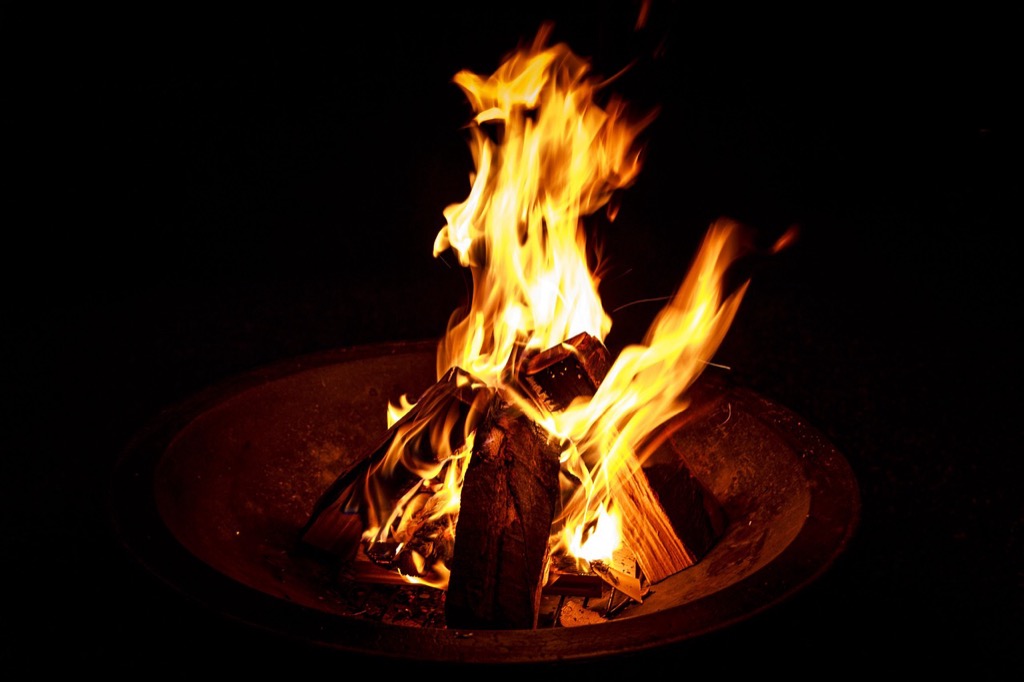
Fixed vs. Portable Fire Pits: Safety & Comparison
Discover 6 key factors to choose between fixed vs portable fire pits for your backyard. Compare costs, setup, safety, mobility, design & durability options.
Why it matters: You’re ready to add a fire pit to your outdoor space but can’t decide between a permanent installation or portable option.
The big picture: Fixed fire pits offer durability and higher heat output while portable models provide flexibility and easier storage — each serving different lifestyle needs and budgets.
What’s next: We’ll break down six key factors including cost setup safety and maintenance to help you choose the right fire pit for your backyard entertaining goals.
Disclosure: As an Amazon Associate, this site earns from qualifying purchases. Thank you!
Factor 1: Installation Requirements and Setup Complexity
The installation process dramatically separates fixed and portable fire pits in terms of time commitment and complexity. Your choice here determines whether you’ll spend a weekend on construction or five minutes on assembly.
Fixed Fire Pit Installation Process
Fixed fire pits require substantial groundwork including excavation, foundation preparation, and often utility line marking. You’ll need permits in most areas, plus concrete mixing, stone laying, and proper drainage installation. Most installations take 2-3 days with specialized tools, making this a significant construction project requiring planning and potentially professional help.
Portable Fire Pit Assembly Ease
Portable fire pits typically assemble in under 10 minutes with basic hand tools or no tools at all. You’ll simply unfold legs, attach screens, and position the unit on level ground without excavation or permits. Most models arrive pre-assembled or require only minimal connection of removable components like spark screens and cooking grates.
Factor 2: Cost Considerations and Budget Impact
Your fire pit budget extends far beyond the initial purchase price. Understanding both upfront and ongoing expenses helps you make a financially sound decision for your outdoor space.
Initial Investment Comparison
Fixed fire pits require $800-$3,000 for materials plus $500-$1,500 in professional installation costs. Portable models range from $50-$800 depending on size and materials. You’ll also need permits for permanent installations, typically costing $50-$200 in most municipalities. The initial investment difference can reach $3,000 or more.
Long-Term Maintenance Expenses
Portable fire pits need replacement every 3-5 years with regular use, costing $50-$300 annually in upkeep. Fixed installations require occasional stone repointing, gas line inspections, or masonry repairs totaling $100-$400 every few years. Weather protection and fuel costs remain similar for both options, averaging $200-$500 yearly.
Factor 3: Mobility and Flexibility Benefits
Your fire pit’s mobility determines how you’ll use your outdoor space throughout different seasons and occasions.
Fixed Fire Pit Permanent Placement
Fixed fire pits stay anchored in one location permanently once you complete installation. You can’t relocate them without significant reconstruction work and potential property damage. This permanent placement limits your ability to rearrange outdoor furniture or adapt your space for different entertaining needs. Weather exposure continuously affects the same ground area year-round.
Portable Fire Pit Relocation Advantages
Portable fire pits move anywhere within your outdoor space in minutes without tools or assistance. You’ll reposition them to avoid wind patterns, follow shade throughout the day, or create different seating arrangements for various group sizes. Store them in garages or sheds during harsh weather to extend their lifespan significantly. Move them to different outdoor locations like camping trips or beach houses.
Factor 4: Safety Features and Risk Management
Your fire pit’s safety features significantly impact your family’s protection and peace of mind. Understanding the safety differences between fixed and portable options helps you make an informed decision.
Built-In Safety Measures for Fixed Units
Fixed fire pits incorporate permanent safety features that portable models can’t match. Stone or brick construction provides natural fire containment, while built-in screens and spark arrestors prevent ember escape. Professional installations include proper clearances from structures and underground utilities, meeting local fire codes automatically.
Portable Fire Pit Safety Protocols
Portable fire pits require you to establish safety protocols for each use. You’ll need to maintain 10-foot clearances from combustible materials and check ground conditions before setup. Most portable models include removable screens and ash pans, but you’re responsible for proper positioning and wind assessment every time.
Factor 5: Design Aesthetics and Customization Options
Your fire pit’s visual impact shapes your entire outdoor entertainment experience. Design flexibility determines how well your fire feature integrates with existing landscaping and accommodates future style changes.
Fixed Fire Pit Landscape Integration
Fixed installations become permanent architectural elements that define your outdoor space’s character. You’ll create custom stone patterns, choose specific brick materials, and integrate built-in seating that matches your home’s exterior design. Professional installations allow complex features like raised hearths, decorative chimneys, and surrounding hardscape elements that transform your backyard into a cohesive entertainment destination.
Portable Fire Pit Style Versatility
Portable models offer instant style updates without permanent commitments to specific designs. You’ll switch between copper bowls for rustic gatherings, sleek steel designs for modern entertaining, and decorative cast iron options for traditional settings. Seasonal decorating becomes effortless when you can store units during off-months and introduce new styles that complement changing outdoor furniture arrangements or holiday themes.
Factor 6: Durability and Weather Resistance
Weather exposure determines how long your fire pit investment will serve your outdoor entertaining needs.
Fixed Fire Pit Longevity Factors
Fixed fire pits withstand decades of weather exposure through professional-grade materials like reinforced steel, natural stone, and concrete construction. Stone installations typically last 20-30 years with minimal maintenance, while steel models resist rust through powder coating treatments. Professional installations include proper drainage systems that prevent water damage and frost heaving during winter months.
Portable Fire Pit Storage and Protection
Portable fire pits require active protection to maximize their 3-5 year lifespan through strategic storage and weatherproofing measures. Quality covers extend durability by 40-60% when units remain outdoors year-round, while garage storage prevents rust formation entirely. Steel models need seasonal inspections for coating damage, and aluminum options resist corrosion but dent easily during storage transitions.
Conclusion: Choosing the Right Fire Pit Setup for Your Needs
Your fire pit decision ultimately depends on your specific lifestyle and priorities. If you’re planning to stay in your home long-term and want a stunning centerpiece that adds property value fixed installations deliver unmatched durability and visual impact.
However if you value flexibility and prefer lower upfront costs portable fire pits offer the freedom to adapt your outdoor space as needed. They’re perfect for renters frequent movers or anyone who enjoys taking their fire pit on camping adventures.
Consider your budget timeline and how you’ll actually use the space. Both options create memorable outdoor experiences—the key is matching your choice to your entertaining style and long-term plans.
Frequently Asked Questions
What’s the main difference between fixed and portable fire pits?
Fixed fire pits are permanent installations built into your outdoor space, requiring professional installation and permits. They offer superior durability and heat output but cannot be moved. Portable fire pits are moveable units that can be set up in minutes, stored when not in use, and relocated as needed, but typically have shorter lifespans.
How much does it cost to install a fixed fire pit?
Fixed fire pits require an initial investment of $800-$3,000 for materials, plus $500-$1,500 for professional installation. You’ll also need permits costing $50-$200. Long-term maintenance runs $100-$400 every few years. Total upfront costs typically range from $1,350-$4,700.
How long does it take to set up each type of fire pit?
Fixed fire pits take 2-3 days to install, requiring groundwork, permits, and specialized tools. Portable fire pits can be assembled and ready to use in under 10 minutes with minimal tools, making them ideal for immediate outdoor entertainment needs.
Can I move a portable fire pit around my yard?
Yes, portable fire pits offer excellent mobility. You can easily relocate them within your outdoor area based on wind patterns, shade preferences, or seating arrangements. They can also be moved to different locations like camping trips or stored during harsh weather to extend their lifespan.
Which type of fire pit is safer?
Fixed fire pits generally offer superior safety through built-in features like stone or brick construction for natural fire containment and professional installations meeting local fire codes. Portable fire pits require users to establish safety protocols for each use, including maintaining proper clearances and assessing ground conditions.
How long do fire pits typically last?
Fixed fire pits are built for longevity, typically lasting 20-30 years with minimal maintenance using professional-grade materials like reinforced steel and natural stone. Portable fire pits have shorter lifespans of 3-5 years but can be extended with quality covers and proper storage.
Which fire pit offers better design options?
Fixed fire pits serve as permanent architectural elements, allowing custom stone patterns, built-in seating, and complex features like raised hearths. Portable fire pits offer style versatility, enabling easy design changes, seasonal decorating, and adaptability to changing outdoor furniture arrangements without permanent commitment.

