
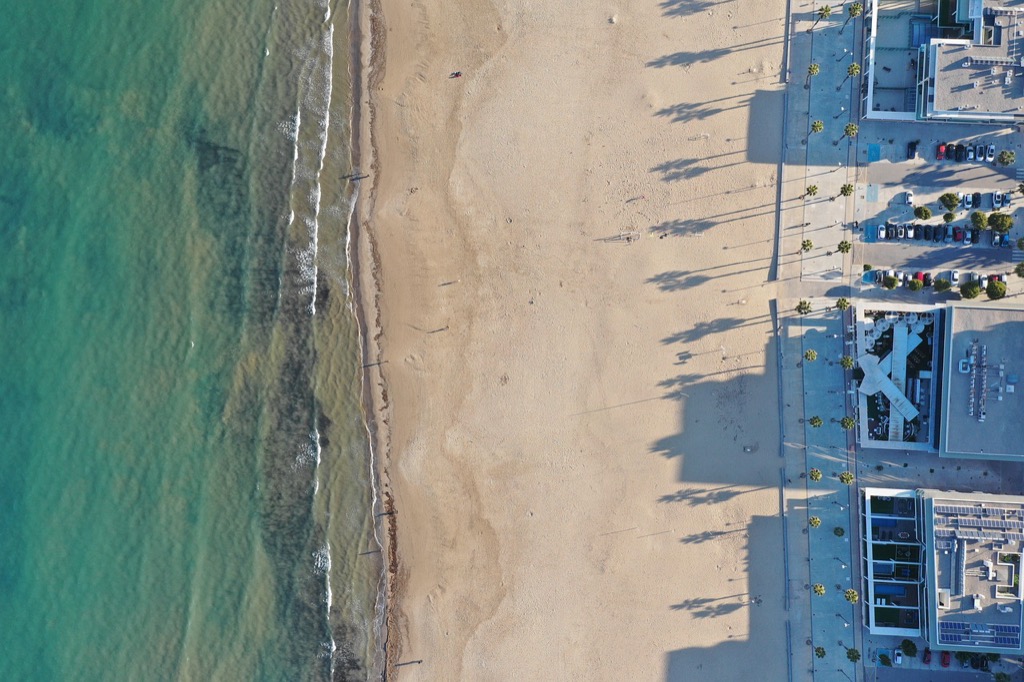
6 Unique Ways to Capture Beach Moments with Drones Like a Pro
Discover 6 creative drone techniques to capture stunning beach photography – from aerial panoramas to tracking water sports and dramatic sunset silhouettes over coastlines.
Beach photography has never been more exciting than it is today with drone technology at your fingertips. You’re no longer limited to ground-level shots or awkward selfie angles when you want to capture those perfect coastal memories.
Why it matters: Drones transform ordinary beach visits into cinematic experiences by offering unique aerial perspectives that showcase the stunning contrast between sand sea and sky. Your beach photos can now tell a completely different story with dramatic overhead angles and sweeping coastal views that were once impossible to achieve.
The bottom line: Whether you’re documenting a family vacation or creating content for social media these six creative drone techniques will help you capture beach moments that stand out from typical vacation photos.
Disclosure: As an Amazon Associate, this site earns from qualifying purchases. Thank you!
Capture Sweeping Aerial Panoramas of Endless Coastlines
Panoramic shots transform ordinary beach scenes into breathtaking coastal narratives that showcase the true scale and beauty of your location.
Position Your Drone at Optimal Heights for Maximum Coverage
Fly your drone between 200-300 feet to capture the perfect balance of detail and scope. This altitude reveals the coastline’s natural curves while maintaining enough clarity to showcase beach textures and wave patterns. Higher altitudes create dramatic wide shots but sacrifice the intimate details that make beach panoramas compelling.
Use Panoramic Stitching Techniques for Seamless Wide-Angle Shots
Overlap your shots by 30-40% when capturing multiple frames for stitching together later. Start from one end of your desired coastline and work systematically across the scene using consistent camera settings. Most drone apps offer automatic panoramic modes that handle the technical aspects while you focus on composition and timing.
Time Your Flight During Golden Hour for Dramatic Lighting
Launch your drone 30-45 minutes before sunset to capture warm, golden light that enhances water reflections and coastal textures. The low angle of golden hour sun creates natural shadows that add depth to your panoramic shots. Morning golden hour works equally well and often provides calmer wind conditions for steadier flight control.
Follow Surfers and Water Sports Athletes From Above
Aerial tracking transforms water sports photography from static shots into dynamic stories that capture the full scope of athletic performance. You’ll reveal the intricate dance between athlete and ocean that ground-level cameras simply can’t convey.
Track Moving Subjects With Intelligent Flight Modes
ActiveTrack and Follow Me modes automatically maintain focus on moving athletes while you concentrate on framing and composition. Set your drone to Circle mode for surfers riding long waves, creating cinematic orbital shots that showcase both the rider’s technique and the wave’s power. Sports mode increases your drone’s responsiveness for quick directional changes when tracking unpredictable movements like kitesurfers or jet skiers.
Maintain Safe Distances While Capturing Action Shots
Keep your drone at least 50 feet laterally from water sports athletes to avoid interfering with their performance or creating safety hazards. Maintain 30-40 feet of vertical clearance above surfers to prevent downdraft from affecting their balance on the board. Position yourself parallel to the action rather than directly overhead, giving athletes clear escape routes while still capturing compelling angles of their movements through the water.
Adjust Camera Settings for Fast-Moving Water Sports
Use shutter priority mode with speeds of 1/500th second or faster to freeze the explosive action of water sprays and athletic movements. Set your ISO to 200-400 in bright beach conditions to maintain clean image quality while allowing those fast shutter speeds. Switch to continuous autofocus and burst mode to capture multiple frames per second, ensuring you don’t miss the peak moment when a surfer hits the lip or a kiteboarder launches into the air.
Create Stunning Top-Down Patterns of Beach Textures
Beach textures create mesmerizing geometric patterns that transform ordinary coastal scenes into abstract art when captured from above. You’ll discover intricate designs that emerge naturally from sand formations and deliberate patterns created by human activity.
Highlight Natural Sand Ripples and Wave Formations
Position your drone 30-80 feet above the shoreline to capture the intricate ripple patterns that waves carve into sand. These formations create stunning geometric designs that shift throughout the day as tides change. Focus on areas where retreating waves leave behind perfectly symmetrical ridges and valleys for the most dramatic texture contrasts.
Capture Geometric Patterns of Beach Umbrellas and Loungers
Stay dry with the Tumella umbrella, featuring a windproof, double-canopy design tested to withstand 70+ mph winds. Its automatic open/close function and compact, lightweight build make it perfect for travel.


Beach umbrellas and loungers form organized patterns that create striking aerial compositions when viewed from directly overhead. Fly your drone 100-150 feet high to capture rows of colorful umbrellas that form repeating circles and lines across the sand. Early morning shots work best when beach equipment is freshly arranged in perfect geometric formations.
Focus on Color Contrasts Between Sand, Water, and Beach Elements
The meeting point between different beach elements creates powerful color boundaries that pop in top-down shots. Target the transition zones where white foam meets turquoise water or where wet sand creates darker patterns against dry beach surfaces. Adjust your camera’s saturation settings to enhance these natural color separations and create more dramatic visual impact.
Document the Rhythm of Tidal Changes Through Time-Lapse
Time-lapse photography reveals the ocean’s hidden choreography as tides reshape the shoreline throughout the day. You’ll capture dramatic transformations that showcase nature’s powerful yet predictable rhythm.
Set Up Extended Flight Sessions for Tidal Documentation
Extended battery planning becomes crucial for documenting complete tidal cycles that span 6-12 hours. You’ll need multiple fully charged batteries and a systematic rotation schedule to maintain continuous coverage during peak transformation periods.
Position your landing pad in a secure, elevated location that remains accessible throughout changing tide levels to prevent equipment loss during extended sessions.
Choose Strategic Positions to Show Shoreline Transformations
Strategic positioning at 150-200 feet altitude captures both intimate shoreline details and broader coastal context as water levels fluctuate. You’ll want to focus on areas with distinctive rock formations, tidal pools, or pier structures that emphasize the changing water boundaries.
Identify reference points like driftwood, rocks, or beach structures that remain visible throughout the tidal cycle to anchor your time-lapse composition.
Edit Multiple Sequences Into Compelling Time-Lapse Videos
Editing tidal time-lapses requires consistent interval timing of 30-60 seconds between shots to create smooth motion that compresses hours into compelling minutes. You’ll achieve optimal results by maintaining identical framing and exposure settings throughout each sequence.
Combine multiple tidal cycles into split-screen comparisons or sequential montages that showcase seasonal variations and different weather conditions affecting the same shoreline location.
Frame Beach Activities With Creative Perspective Shots
Creative framing transforms ordinary beach activities into compelling aerial stories. Your drone’s unique vantage point reveals the intricate relationships between people, ocean, and shoreline that ground-level photography simply can’t capture.
Use Leading Lines Created by Shorelines and Jetties
Shorelines create natural leading lines that draw viewers’ eyes through your aerial compositions. Position your drone to capture curved coastlines that guide attention toward your main subjects—whether it’s surfers riding waves or families building sandcastles.
Jetties and piers offer powerful diagonal lines that add dramatic tension to your shots. Fly parallel to these structures at 80-120 feet altitude to emphasize their geometric contrast against organic beach activities.
Incorporate Foreground Elements Like Driftwood or Rocks
Driftwood and rock formations add depth and context to your aerial beach photography. Position these natural elements in your lower frame to create layered compositions that tell richer stories about the coastal environment.
Large rocks or tide pools work exceptionally well as foreground anchors when capturing people exploring the shoreline. Fly at 40-60 feet altitude to maintain detail in both foreground textures and background activities.
Experiment With Different Altitudes for Unique Compositions
Altitude changes dramatically alter your beach activity perspectives and emotional impact. Low flights at 20-40 feet create intimate, almost ground-level views that emphasize human scale against vast ocean backdrops.
Higher altitudes of 200-300 feet reveal broader patterns of beach life—from volleyball games to picnic gatherings. Mid-range flights at 100-150 feet offer the sweet spot for capturing both individual expressions and group dynamics in beach activities.
Enjoy comfortable play with the Wilson AVP Soft Play Volleyball. Its sponge-backed cover provides a soft touch, while durable construction and a butyl rubber bladder ensure lasting performance.

Capture Dramatic Sunset and Sunrise Silhouettes Over Water
Golden hour transforms ordinary beach scenes into cinematic masterpieces when you position your drone strategically between subjects and light sources. These silhouette shots create powerful emotional impact by emphasizing shapes and forms against brilliant sky colors.
Plan Your Flights Around Optimal Lighting Conditions
Time your drone flights 30-45 minutes before sunrise or after sunset for the most dramatic lighting conditions. The sun’s low angle creates longer shadows and more intense color gradients across the water surface. Check weather apps for clear skies and minimal wind to ensure stable flight conditions during these critical shooting windows.
Position Subjects Between Drone and Light Source for Silhouettes
Place your drone so subjects like surfers, boats, or beach walkers appear directly between your camera and the sun. Maintain 50-100 feet distance from subjects to capture their full silhouette while keeping safety margins. This positioning creates clean, defined outlines that stand out dramatically against the bright sky and reflective water backdrop.
Balance Exposure Settings for Both Sky and Water Elements
Set your camera to underexpose by 1-2 stops to preserve sky detail and intensify colors while keeping subjects in shadow. Use spot metering on the brightest part of the sky to prevent blown highlights. Shoot in RAW format to retain maximum detail for post-processing adjustments between dark silhouettes and bright background elements.
Conclusion
Your drone has opened up an entirely new world of beach photography possibilities that go far beyond traditional ground-level shots. These six techniques give you the creative foundation to transform ordinary beach visits into extraordinary visual narratives.
The key to mastering drone beach photography lies in practice and experimentation. Each technique offers unique storytelling potential whether you’re documenting family vacations or building your social media presence.
Remember that safety should always come first when flying near water and crowded beaches. Check local regulations and weather conditions before every flight to ensure you’re capturing memories responsibly.
With these creative approaches in your toolkit you’ll never look at beach photography the same way again. Your aerial perspective will reveal hidden patterns compositions and moments that ground-based cameras simply can’t match.
Frequently Asked Questions
What is the optimal height for drone beach photography?
For sweeping aerial panoramas, fly your drone at 200-300 feet to achieve the perfect balance between detail and scope. For capturing beach textures and patterns, position your drone lower at 30-80 feet. The height depends on your creative vision – lower altitudes provide intimate details while higher altitudes showcase the broader coastal landscape.
What drone flight modes work best for water sports photography?
ActiveTrack and Follow Me modes are ideal for capturing water sports action. These intelligent flight modes automatically track moving subjects like surfers or kayakers. Ensure you maintain visual line of sight, check local regulations, and use faster shutter speeds (1/500s or higher) to freeze motion in your shots.
When is the best time to photograph beaches with a drone?
Golden hour (30-45 minutes before sunrise or after sunset) provides the most dramatic lighting for beach photography. This timing enhances colors, creates stunning silhouettes, and adds warmth to your images. Early morning flights also offer calmer winds and fewer people on the beach.
How do I create compelling time-lapse videos of tides?
Position your drone strategically to capture the full tidal cycle, ensuring sufficient battery life or multiple batteries. Use interval shooting mode, typically capturing frames every 5-10 seconds. Plan for complete tidal cycles and use editing software to compile your footage into smooth time-lapse sequences.
What camera settings should I use for drone beach photography?
Shoot in RAW format for maximum post-processing flexibility. For action shots, use shutter speeds of 1/500s or faster. For silhouettes, underexpose slightly to preserve sky detail while maintaining subject definition. Adjust ISO and aperture based on lighting conditions, keeping ISO as low as possible for best image quality.
How can I add depth to my drone beach compositions?
Incorporate foreground elements like driftwood, rocks, or beach structures to create layers in your composition. Use natural leading lines from shorelines, jetties, or wave patterns to guide viewers’ attention. Experiment with different altitudes – low flights add intimacy while high flights provide grand perspectives.
What safety considerations should I follow for beach drone photography?
Always check local regulations and no-fly zones before flying. Maintain visual line of sight with your drone, be aware of wind conditions near water, and monitor battery levels carefully. Avoid flying over crowds, respect wildlife, and be mindful of other beachgoers’ privacy when capturing footage.
