7 Creative Uses for Leftover Pool Water That Save Money
Discover 7 smart ways to repurpose leftover pool water instead of wasting it! From garden irrigation to emergency reserves, turn drainage into savings.
You’re staring at thousands of gallons of pool water that needs draining, and dumping it all feels wasteful. Pool water contains valuable chlorine and minerals that can serve multiple purposes around your home and garden when used properly.
Before you let all that treated water go down the drain, consider these seven smart alternatives that’ll save money and reduce waste.
Disclosure: As an Amazon Associate, this site earns from qualifying purchases. Thank you!
Water Your Garden and Landscape Plants
Pool water makes excellent irrigation for your outdoor spaces. The diluted chlorine content won’t harm most plants and actually helps prevent fungal diseases.
Deep Watering for Drought-Resistant Plants
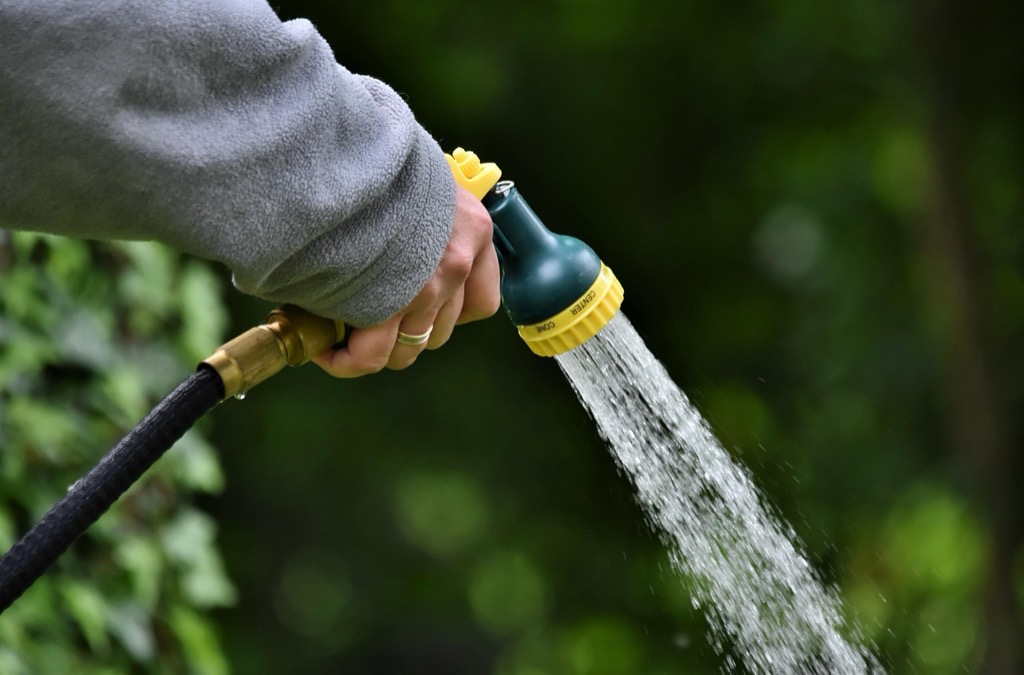
Drought-resistant plants like lavender, rosemary, and succulents thrive with pool water’s mineral content. Apply water slowly at the base using a soaker hose to reach deep root systems. The chlorine dissipates quickly in soil, leaving beneficial minerals that strengthen plant resilience during dry periods.
Creating a Drip Irrigation System
Pool water works perfectly in DIY drip irrigation setups using plastic bottles or soaker hoses. Pierce small holes in recycled containers and position them near plant bases for slow, consistent watering. This method conserves every drop while delivering steady moisture to vegetable gardens and flower beds.
Watering Large Trees and Shrubs
Mature trees and established shrubs handle pool water exceptionally well due to their extensive root systems. Focus watering around the drip line where feeder roots concentrate. Large plants process chlorine naturally through their root systems, making them ideal candidates for substantial pool water applications.
Clean Outdoor Surfaces and Equipment
Pool water’s chlorine content makes it surprisingly effective for outdoor cleaning tasks. You’ll find it particularly useful for sanitizing surfaces that regular water can’t tackle as thoroughly.
Pressure Washing Decks and Patios
Use leftover pool water in your pressure washer to remove algae and mildew from wooden decks and concrete patios. The chlorine naturally kills bacteria and fungal growth while you blast away dirt and grime. This dual-action approach saves time compared to using plain water followed by chemical treatments.
Rinsing Off Pool Equipment and Toys
Pool water excels at cleaning pool equipment and outdoor toys that have accumulated dirt and bacteria. Rinse floats, diving toys, and pool maintenance tools with the chlorinated water to sanitize them effectively. You’ll eliminate germs while removing stubborn algae buildup that plain water leaves behind.
Cleaning Outdoor Furniture
Spray down plastic chairs, tables, and umbrellas with pool water to remove mold and mildew stains. The chlorine breaks down organic buildup while cleaning surfaces that have been exposed to moisture and humidity. Let the water sit for several minutes before wiping clean for maximum sanitizing effect.
Fill Up Your Car Wash Station
Your leftover pool water can transform into an excellent car washing resource, combining the cleaning power of chlorine with water conservation.
Creating a DIY Car Washing Setup
Fill large containers or a portable tank with your drained pool water to create an efficient washing station. The chlorine content helps break down stubborn dirt and road grime while providing sanitizing benefits. Set up your washing area on a slightly sloped surface to direct runoff toward plants that can benefit from the mineral-rich water.
Rinsing Vehicles and Motorcycles
Use pool water for pre-rinse and final rinse cycles on cars, trucks, and motorcycles. The diluted chlorine removes bacteria and algae buildup from vehicle surfaces more effectively than tap water alone. Focus on wheel wells and undercarriage areas where salt and debris accumulate, as the chlorine helps neutralize corrosive elements.
Cleaning Boats and Recreational Equipment
Rinse boats, jet skis, and water sports equipment with pool water to remove lake minerals and prevent algae growth. The chlorinated water eliminates organic buildup that regular freshwater can’t tackle effectively. Clean life jackets, water toys, and fishing gear with pool water to sanitize surfaces and extend equipment lifespan.
Create a Temporary Water Feature
Transform your leftover pool water into an attractive landscape element that adds visual appeal to your outdoor space. You’ll create functional beauty while putting that chlorinated water to productive use.
Building a Small Pond or Water Garden
Excavate a shallow depression in your yard and line it with pond liner or heavy-duty plastic sheeting. Fill the space with your drained pool water to create an instant water garden that attracts birds and beneficial insects. The chlorine will dissipate naturally within 24-48 hours, making it safe for wildlife while the minerals enhance water clarity.
Setting Up a Fountain Display
Purchase an inexpensive submersible pump from your local hardware store and place it in a large decorative container filled with pool water. Connect the pump to create a recirculating fountain that adds soothing water sounds to your patio or garden area. The chlorine helps prevent algae buildup during the first few days of operation.
Making a Splash Zone for Kids
Fill inflatable pools, water tables, or large containers with leftover pool water to create supervised play areas for children. The diluted chlorine content provides extra sanitization for water toys and play equipment. Allow the water to sit for 30 minutes before use to let chlorine levels normalize for safe skin contact.
Establish an Emergency Water Reserve
Pool water creates an invaluable emergency resource when stored properly. You’ll have immediate access to non-potable water during emergencies when municipal supplies fail.
Storing Water for Drought Conditions
Fill large containers like rain barrels or plastic tanks with drained pool water for extended dry periods. Store containers in shaded areas to prevent algae growth and maintain water quality. You’ll have irrigation backup when water restrictions limit outdoor use during severe drought conditions.
Creating Backup Water for Utilities
Use pool water for toilet flushing and household cleaning when pipes freeze or utilities shut down. Store water in sealed containers near your home’s main areas for quick access. This chlorinated supply handles sanitation needs without consuming your drinking water reserves during service interruptions.
Preparing for Natural Disasters
Stockpile pool water in hurricane or earthquake-prone areas for post-disaster cleanup and hygiene needs. Label containers clearly as “non-potable” and rotate stored water every few months to maintain freshness. You’ll have immediate access to chlorinated water for washing wounds, cleaning debris, and sanitizing surfaces when emergency services are overwhelmed.
Cool Down Your Concrete and Hardscaping
Your concrete surfaces absorb massive amounts of heat during summer months, creating uncomfortable outdoor spaces that can reach temperatures exceeding 140°F. Pool water offers an immediate cooling solution that transforms scorching hardscapes into comfortable areas.
Reducing Heat on Driveways and Walkways
Spraying pool water on driveways and walkways drops surface temperatures by 20-30 degrees within minutes. The chlorinated water evaporates slowly, providing extended cooling effects that last 2-3 hours during peak heat. Apply water during late afternoon for maximum comfort during evening activities.
Cooling Hot Pavement and Surfaces
Pool water effectively cools pool decks, patios, and stone surfaces that become too hot to walk on barefoot. The mineral content helps the water adhere better to surfaces compared to regular hose water. Focus on high-traffic areas like outdoor dining spaces and play areas for immediate relief.
Creating Comfortable Outdoor Spaces
Transform unbearable outdoor areas into usable spaces by misting concrete surfaces with pool water throughout the day. The chlorine prevents algae growth on wet surfaces, maintaining clean appearances while providing cooling benefits. Target shaded areas first, as they’ll retain the cooling effect longer than direct sunlight zones.
Support Wildlife and Birds
Pool water can become a valuable resource for local wildlife once chlorine levels naturally dissipate. You’ll create meaningful habitat improvements while putting every drop to good use.
Setting Up Bird Baths and Drinking Stations
Let pool water sit for 24-48 hours before filling bird baths and shallow dishes throughout your yard. The chlorine evaporates naturally, leaving mineral-rich water that birds prefer over tap water. Place multiple stations at different heights – ground level for quail and higher platforms for songbirds.
Creating Habitat for Beneficial Insects
Fill shallow containers with dechlorinated pool water to attract beneficial insects like bees and butterflies. Add small rocks or twigs as landing platforms since these pollinators need safe access points. Position water sources near flowering plants to create complete feeding and hydration zones.
Providing Water Sources for Local Wildlife
Establish water stations using large, shallow containers filled with settled pool water for deer, rabbits, and other wildlife. Place them away from high-traffic areas but within view for wildlife watching opportunities. The mineral content provides essential nutrients that animals seek, especially during dry seasons.
Conclusion
Your leftover pool water doesn’t have to become waste when you’re ready for a change. These creative applications transform what you’d normally drain into valuable resources that benefit your property and the environment.
From supporting your garden to creating emergency reserves you’re maximizing every gallon while reducing your environmental footprint. The chlorinated water that once kept your pool clean now serves multiple purposes around your home.
Remember to always test chlorine levels and allow proper dechlorination time when using pool water around plants or wildlife. With these seven innovative approaches you’re turning pool maintenance into an opportunity for sustainable living that saves money and resources.
Frequently Asked Questions
Can I use pool water to water my plants and garden?
Yes, pool water can be used for irrigation when properly applied. The diluted chlorine content is generally safe for most plants and can help prevent fungal diseases. Focus on drought-resistant plants like lavender and succulents, and water slowly at the base to reach deep root systems. Mature trees and established shrubs handle chlorinated water particularly well.
Is pool water effective for outdoor cleaning tasks?
Absolutely! Pool water’s chlorine content makes it excellent for sanitizing outdoor surfaces. You can use it in pressure washers to remove algae and mildew from decks, rinse pool equipment and outdoor toys for sanitization, or spray outdoor furniture to eliminate mold and mildew stains. Let it sit for a few minutes before wiping for maximum effectiveness.
Can I wash my car with drained pool water?
Yes, pool water works great for car washing. The diluted chlorine effectively removes dirt and bacteria, especially in hard-to-reach areas like wheel wells and undercarriages. Fill large containers or portable tanks with drained pool water to create a DIY car washing setup that combines cleaning power with water conservation.
How can I create landscape features with leftover pool water?
You can transform pool water into attractive landscape features by creating small ponds or water gardens. Excavate a shallow depression and fill it with drained pool water – it becomes safe for wildlife within 24-48 hours. You can also set up fountain displays using submersible pumps or create splash zones for kids using inflatable pools.
Is it safe to store pool water for emergency use?
Yes, pool water makes an excellent emergency water reserve for non-potable uses. Store it in large containers like rain barrels in shaded areas, and use it for toilet flushing, household cleaning during outages, or disaster cleanup. Always label containers clearly and rotate stored water regularly to maintain freshness.
How does pool water help cool outdoor surfaces?
Pool water effectively cools concrete and hardscaping surfaces during hot weather. Spraying it on driveways and walkways can reduce surface temperatures by 20-30 degrees within minutes, with cooling effects lasting for hours. The chlorine content also prevents algae growth on wet surfaces, making outdoor spaces more comfortable.
Can pool water benefit local wildlife?
Yes, once chlorine levels naturally dissipate after 24-48 hours, pool water becomes mineral-rich water that wildlife prefers. Set up bird baths and drinking stations, or use shallow containers to attract beneficial insects like bees and butterflies. Larger containers can provide hydration for deer and rabbits, enhancing local habitats.