7 Best Beach Footwear for Comfort and Protection
Discover how to select the perfect beach footwear for your activities, from flip-flops to water shoes. Find options that balance comfort, protection, style and durability for any sandy adventure.
Beach days call for the right footwear that can handle sand, surf, and everything in between. Choosing the perfect beach shoes isn’t just about style—it’s about finding protection from hot sand, sharp objects, and slippery surfaces while maintaining comfort throughout your coastal adventures.
Whether you’re planning a relaxing sunbathing session, beach volleyball with friends, or exploring rocky shorelines, your footwear needs will vary significantly. The right choice depends on your specific activities, the beach terrain you’ll encounter, and personal factors like comfort preferences and foot health considerations.
Disclosure: As an Amazon Associate, this site earns from qualifying purchases. Thank you!
Understanding the Different Types of Beach Footwear Options
When planning your beach day, knowing the right footwear options will ensure your feet stay comfortable and protected. Each type of beach footwear serves specific purposes and offers different benefits depending on your activities.
Flip Flops and Sandals
Flip flops are the quintessential beach footwear, offering easy on-off convenience and sand-friendly design. They’re perfect for casual strolls on packed sand and boardwalk adventures. Most styles feature water-resistant materials like rubber or EVA foam that dry quickly after getting wet, making them ideal for transitioning between sand and shore.
Water Shoes
Enjoy comfort and protection with these quick-drying water shoes. The anti-slip sole protects your feet, while the lightweight, foldable design makes them perfect for various activities.


Water shoes combine the protection of sneakers with the drainage capabilities needed for aquatic environments. They shield your feet from sharp rocks, shells, and hot sand while providing traction on slippery surfaces. These shoes typically feature quick-drying mesh uppers and rubber soles with drainage ports, making them ideal for tidepooling, reef walking, and water parks.
Slides and Slip-Ons
Slides offer effortless wear with their open-back, single-strap design that makes them perfect for quick transitions. They provide more stability than flip flops while maintaining breathability for hot days. Many modern slides feature contoured footbeds and cushioned soles that offer surprising comfort and support, making them suitable for beach volleyball courts and poolside lounging.
Aqua Socks
Aqua socks provide full foot coverage with their sock-like, stretchy design that fits snugly around your entire foot. They offer superior protection from hot sand, small pebbles, and potentially harmful marine life. Their thin, flexible soles allow for natural foot movement while swimming, snorkeling, or participating in water sports where foot sensitivity and protection are equally important.
Sport Sandals
Enjoy comfort and stability with YOCCI Women's Sport Sandals. Featuring arch support, a cushioned yoga mat insole, and adjustable hook and loop closures, these lightweight sandals are perfect for hiking and outdoor activities.

Sport sandals feature adjustable straps, reinforced toe protection, and durable outsoles designed for active beach adventures. They deliver exceptional stability for hiking coastal trails or scrambling over rocky shorelines. The best models combine quick-drying materials with antimicrobial treatments to prevent odor, while their advanced traction patterns provide confidence on both wet and dry surfaces during all-day wear.
Assessing Your Beach Activities and Footwear Requirements
Before selecting your beach footwear, it’s essential to consider the specific activities you’ll be participating in during your beach visit. Different beach activities demand different types of footwear for optimal comfort, protection, and performance.
Walking and Strolling
For casual beach walks, prioritize lightweight sandals or flip-flops with cushioned footbeds and arch support. Look for water-resistant materials that dry quickly after contact with waves. Adjustable straps provide security while navigating uneven sand terrain, especially during longer shoreline explorations where comfort becomes increasingly important.
Enjoy all-day comfort with these supportive flip flops featuring a cushioned yoga mat footbed and arch support. The non-slip sole provides reliable traction for indoor and outdoor wear.

Swimming and Water Sports
Water shoes with quick-drain features and non-slip rubber soles are ideal for swimming and water sports. These provide essential protection against hidden underwater hazards like sharp rocks and shells. Choose styles with snug-fitting uppers that won’t slide off in currents or waves. Neoprene options offer added warmth for cooler water conditions while maintaining flexibility for swimming.
Beach Volleyball and Active Games
Experience signature AVP performance with the Wilson OPTX volleyball. Its unique visual design enhances tracking, while the official size and construction deliver the same feel as the original AVP game ball.

Active beach games require footwear with excellent stability and sand-shedding capabilities. Sport sandals or specialized beach athletic shoes offer the ankle support and traction needed for quick directional changes. Look for designs with closed toe boxes to prevent stubbed toes and reinforced straps that keep your footwear secure during intense movements. Breathable materials prevent overheating during extended play.
Exploring Rocky Shores and Tide Pools
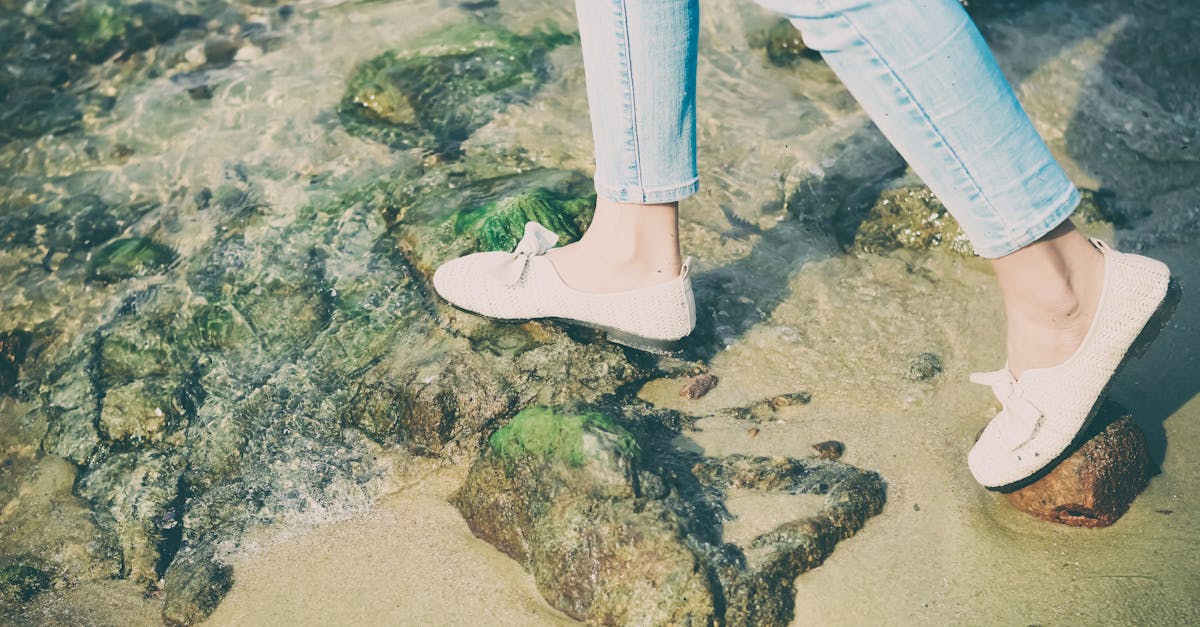
Rocky terrain demands sturdy footwear with thick, puncture-resistant soles and enclosed toe designs. Water shoes with substantial tread patterns provide crucial grip on slippery, algae-covered surfaces. Choose options with quick-drying uppers and adequate drainage to transition between wet and dry environments. Ankle protection is particularly important when navigating uneven coastal rock formations where stability is essential.
Evaluating Key Comfort and Support Features
Arch Support Considerations
Proper arch support prevents foot fatigue during extended beach outings. Look for contoured footbeds that match your natural arch type—high, neutral, or flat. Anatomically designed sandals distribute weight evenly across your foot, reducing pressure points and preventing conditions like plantar fasciitis. Memory foam footbeds offer personalized support that molds to your unique foot shape.
Cushioning and Padding Benefits
Quality cushioning transforms your beach experience by absorbing impact on hard surfaces. EVA midsoles provide lightweight shock absorption ideal for rocky shorelines. Gel inserts in heel areas minimize stress on joints during longer walks. Consider thicker cushioning for rough terrain and thinner profiles for casual strolls on soft sand, balancing comfort with stability.
Adjustable Straps and Secure Fit
Secure-fitting footwear prevents blisters and accidents on uneven terrain. Choose multiple adjustment points—ankle, midfoot, and toe straps—for personalized stability. Hook-and-loop closures allow quick modifications as your feet swell in heat. Bungee lacing systems offer one-pull tightening for water sports, while traditional buckles provide dependable security for demanding activities like tide pool exploration.
Breathability and Quick-Drying Materials
Breathable footwear prevents uncomfortable moisture buildup in hot conditions. Opt for mesh uppers that allow continuous airflow while keeping sand out. Synthetic materials like neoprene and polyester dry significantly faster than cotton or leather. Water-friendly footwear with drainage ports actively expels water rather than absorbing it, keeping your feet comfortable during transitions between wet and dry environments.
Selecting Materials That Withstand Beach Conditions
Water-Resistant Options
Choose beach footwear made from synthetic materials like neoprene, rubber, or vinyl for excellent water resistance. These materials repel moisture rather than absorbing it, keeping your feet drier between swims. EVA (ethylene vinyl acetate) offers lightweight water resistance while materials like TPU (thermoplastic polyurethane) provide durability without waterlogging.
Sand-Shedding Designs
Look for footwear with smooth surfaces and minimal crevices to prevent sand from getting trapped. Open designs with fewer straps create fewer hiding spots for stubborn sand particles. Many premium beach sandals feature textured footbeds that actively push sand away with each step, while quick-rinse channels allow sand to wash away easily when exposed to water.
Salt Water and Chlorine Durability
Invest in footwear specifically designed to withstand chemical exposure from salt water and pool chlorine. Marine-grade materials like treated rubber compounds and certain polymers resist corrosion and breakdown. Quality beach footwear won’t crack, fade, or deteriorate when regularly exposed to harsh beach elements, maintaining both functionality and appearance throughout multiple seasons.
UV-Resistant Materials
Select footwear with built-in UV protection to prevent sun damage and color fading. High-quality PVC, specially treated rubber, and premium synthetic fabrics offer superior resistance against UV deterioration. These UV-resistant materials maintain structural integrity even after hours of direct sunlight exposure, extending your beach footwear’s lifespan and ensuring consistent performance during long beach days.
Prioritizing Safety Features for Beach Environments
Non-Slip Soles for Wet Surfaces
Always look for beach footwear with deep treads and specialized rubber compounds designed for wet traction. Textured outsoles with multi-directional patterns provide superior grip on slippery rocks, boat docks, and poolside surfaces. High-quality water shoes feature siping (thin slits) that channel water away from the sole, dramatically reducing your risk of dangerous slips and falls.
Protection from Hot Sand
Consider footwear with thicker, insulated soles that create essential barriers between your feet and scorching sand that can reach 130°F on sunny days. EVA foam and rubber compounds offer excellent heat resistance, preventing painful burns and blisters. Look for beach shoes with extended coverage around the sides to prevent hot sand from seeping in during windy conditions or when walking through dunes.
Toe Protection Options
Closed-toe water shoes shield your feet from sharp shells, hidden rocks, and marine debris that can cause serious injuries. Reinforced toe caps provide extra defense against stubbing injuries when navigating underwater obstacles or rocky shorelines. For maximum protection, choose footwear with rubberized toe bumpers that won’t compromise mobility while effectively guarding against painful encounters with coral, barnacles, or submerged hazards.
Blister Prevention Design
Select beach footwear with smooth interior seams and neoprene or lycra linings that minimize friction against your skin when wet. Strategic padding at common pressure points—like heel cups and instep areas—dramatically reduces blister formation during longer beach walks. Quick-drying materials combined with drainage ports help prevent the prolonged moisture that leads to painful hot spots and blisters, especially during activities that alternate between water and land.
Considering Style and Versatility in Your Footwear Choice
When selecting beach footwear, balancing style with versatility ensures you get maximum value from your purchase while looking your best.
Beach-to-Street Transitional Options
Look for beach footwear that seamlessly transitions to casual outings. Leather sandals with subtle designs work perfectly from shoreline to restaurants. Premium flip-flops with metallic accents or espadrille-style sandals offer versatility without sacrificing beach functionality. Choose options that don’t scream “beach only” to maximize wearability.
Color and Design Considerations
Neutral colors like tan, navy, and white offer the most versatility across outfits and settings. Consider waterproof sandals with minimal patterns for maximum pairing potential. Bold colors can make a statement but limit matching options. For extended wear, select classic designs that won’t quickly fall out of fashion trends or clash with your vacation wardrobe.
Packability for Travel
Foldable sandals save valuable suitcase space while traveling to beach destinations. Look for flexible materials that can be rolled or flattened without damage. Ultra-lightweight options weighing under 8 ounces minimize luggage weight. Compact designs like roll-up water shoes or collapsible sandals provide convenience without sacrificing beach protection or style.
Multi-Season Usability
Invest in convertible footwear that adapts to different seasons with removable components. Water-friendly leather sandals transition well into fall with socks. Adjustable sport sandals work with or without neoprene socks for temperature changes. Select versatile designs with closed-toe options for cooler evenings, maximizing your footwear investment beyond summer beach days.
Budget Considerations and Value Assessment
Investment Pieces vs. Seasonal Options
When considering beach footwear, you’ll need to decide between investment pieces and seasonal options. High-quality sport sandals or water shoes typically cost $40-100 but can last 3-5 seasons with proper care. Alternatively, budget-friendly flip-flops ($10-25) might only last one summer but allow you to try different styles each year. Your choice should reflect how frequently you visit beaches and the specific activities you enjoy.
Brand Reputation and Quality
Established footwear brands like Teva, Keen, and Merrell have earned their reputation through consistent quality and durability in beach environments. These brands typically use superior materials, offer better warranties, and provide more reliable waterproofing and traction systems. While you’ll pay a premium for branded beach footwear, the enhanced comfort features and longer lifespan often justify the additional cost for frequent beachgoers.
Sale Timing and Discount Opportunities
You can significantly reduce beach footwear costs by shopping during strategic times. End-of-season sales (August-September) typically offer 30-50% discounts on premium beach sandals and water shoes. Holiday weekends like Memorial Day and Labor Day feature outdoor gear promotions worth exploring. Additionally, consider outlet stores and online retailers like REI Outlet or Sierra Trading Post, where last season’s models often sell for 25-40% below retail price.
Making Your Final Decision: The Perfect Beach Footwear Match
Finding your ideal beach footwear comes down to matching your specific activities with the right features. Consider your primary beach use first—casual strolls require different support than water sports or rocky explorations.
Prioritize comfort elements like arch support and breathable materials for all-day wear. Don’t compromise on safety features such as non-slip soles and proper protection against hot sand and sharp objects.
While style matters you’ll appreciate durability more when your footwear stands up to salt water and sun exposure throughout multiple beach seasons. Remember that quality often justifies a higher price tag especially for frequent beachgoers.
Your perfect beach shoes should feel like they were made for your feet and your adventures whether you’re splashing in waves or walking along the shoreline.
Frequently Asked Questions
What type of footwear is best for walking on hot sand?
Footwear with thicker, insulated soles provides the best protection against hot sand. Look for sandals or flip-flops with EVA or rubber soles that offer adequate insulation between your feet and the scorching surface. Materials like neoprene and rubber provide additional heat resistance. For extended walks on hot beaches, consider enclosed water shoes that completely shield your feet while allowing ventilation.
Do I need different shoes for swimming versus walking on the beach?
Yes, different beach activities require specific footwear. For swimming and water sports, choose water shoes with quick-drain features and non-slip soles that stay secure while swimming. For walking, lightweight sandals or flip-flops with cushioned footbeds provide comfort and ease of movement. If you plan to do both, consider investing in amphibious footwear designed to transition between water and land.
How important is arch support in beach footwear?
Arch support is crucial in beach footwear, especially for longer walks or activities. Proper support prevents foot fatigue and potential pain by distributing pressure evenly across your feet. Look for contoured footbeds that follow the natural curve of your foot and memory foam options that provide personalized comfort. Without adequate arch support, you risk developing conditions like plantar fasciitis when walking on uneven beach surfaces.
What materials work best for beach shoes?
Water-resistant synthetic materials like neoprene, rubber, and vinyl work best for beach footwear. These materials withstand water exposure without deteriorating and dry quickly. Look for marine-grade materials that resist salt water corrosion and UV-resistant properties to prevent sun damage. Avoid natural materials like leather or canvas for water activities, as they can become waterlogged and uncomfortable when wet.
How can I prevent sand from getting stuck in my beach shoes?
Choose beach footwear with sand-shedding designs featuring smooth surfaces and minimal crevices where sand can accumulate. Styles with fewer straps and open designs allow sand to escape easily. Some specialized beach shoes include drainage holes or mesh panels that help rinse away sand. After beach use, simply dip your footwear in water and tap them gently to remove trapped sand.
Are flip-flops good enough for all beach activities?
While flip-flops are convenient for casual strolls, they’re inadequate for many beach activities. They offer minimal protection, poor traction on wet surfaces, and insufficient support for active pursuits. For swimming, water sports, or rocky terrain, choose specialized footwear like water shoes or sport sandals. Reserve flip-flops for short walks, lounging, or shower areas where their simplicity and quick-drying properties are beneficial.
How can I tell if beach shoes have adequate traction?
Look for deep, multidirectional treads on the outsole and specialized rubber compounds designed specifically for wet traction. Quality beach footwear will advertise “slip-resistant” or “wet-grip” technology. Test the flexibility and feel the texture of the sole—softer rubber typically provides better grip on wet surfaces. Also check customer reviews specifically mentioning performance on slippery rocks or wet boat decks.
What’s the price range for quality beach footwear?
Quality beach footwear ranges from $15 to $100 depending on type and features. Budget-friendly options like basic flip-flops ($10-$25) may last one season, while investment pieces from specialized brands ($40-$100) often last several years. Mid-range water shoes ($25-$50) offer good value with decent durability. Consider your frequency of beach visits when deciding—occasional beachgoers can opt for less expensive options, while frequent visitors benefit from investing in premium footwear.
How do I care for my beach shoes to make them last longer?
Rinse your beach footwear with fresh water after each use to remove salt, sand, and chlorine. Allow them to air dry completely away from direct sunlight, which can damage materials. For fabric parts, use mild soap occasionally to remove buildup. Store in a cool, dry place during off-seasons. Some higher-end footwear benefits from specialized cleaners recommended by the manufacturer to maintain water-resistance and material integrity.
Can I use the same footwear for rocky beaches and sandy beaches?
Ideally, you should use different footwear for different beach types. Rocky beaches require sturdy shoes with puncture-resistant soles and enclosed toe designs to protect against sharp objects. Sandy beaches allow for more open designs like sandals or flip-flops. If purchasing only one pair, opt for versatile sport sandals or water shoes with reinforced soles that provide adequate protection for rocky shores while remaining comfortable on sand.