
7 Favorite Lesser-Known Coastal Trails That Locals Keep Secret
Discover 7 hidden coastal trails offering stunning ocean views without crowds. From California’s Lost Coast to Maine’s Beehive Trail, explore America’s secret hiking gems.
You’ve hiked the popular coastal trails and battled the crowds at scenic overlooks. Now it’s time to discover hidden gems that offer the same breathtaking ocean views without the hassle.
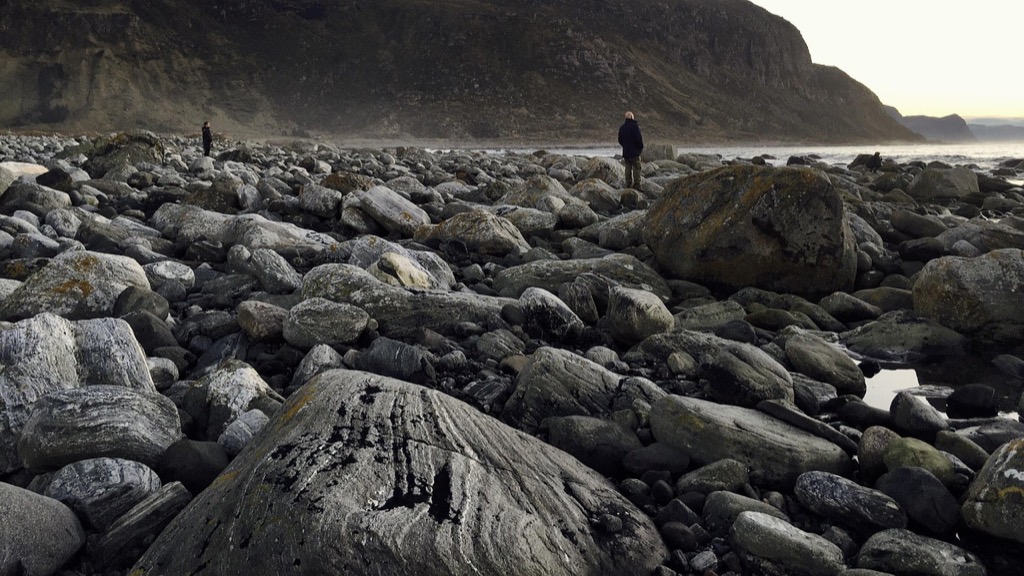
These seven lesser-known coastal trails deliver stunning shoreline scenery while keeping you away from tourist traffic. Each path offers unique features — from secluded beaches to dramatic cliff formations — that rival any famous coastal hike.
Ready to explore coastlines that most hikers never find? These trails will transform your outdoor adventures and give you those Instagram-worthy shots without fighting for space.
Disclosure: As an Amazon Associate, this site earns from qualifying purchases. Thank you!
Discover Hidden Gems Along America’s Coastline
America’s coastline stretches over 95,000 miles and harbors countless trails that remain largely undiscovered by mainstream hikers. You’ll find these hidden gems scattered across remote headlands, tucked behind state parks, and winding through protected wilderness areas that don’t appear in typical guidebooks.
Pacific Coast secrets include the Lost Coast Trail in Northern California, where 25 miles of rugged coastline remain completely undeveloped, and Oregon’s Cape Perpetua area trails that weave through old-growth forests before emerging onto dramatic ocean overlooks.
Atlantic treasures span from Maine’s Bold Coast Trail, where you can hike for hours without seeing another person, to North Carolina’s Shackleford Banks Trail, accessible only by ferry and offering wild horse sightings alongside pristine beaches.
Gulf Coast discoveries feature Alabama’s Fort Morgan Trail and Florida’s lesser-known sections of the Florida National Scenic Trail that hug remote barrier islands. These paths offer incredible bird watching opportunities and shell-collecting beaches that remain virtually untouched.
You’ll discover that timing matters significantly when exploring these coastal gems. Early morning hours provide the best lighting for photography and wildlife viewing, while avoiding afternoon crowds that occasionally find these spots.
Trail 1: Lost Coast Trail, California
California’s Lost Coast Trail offers the ultimate escape from civilization along 25 miles of untouched Pacific coastline. You’ll find yourself completely disconnected from the modern world on this backcountry adventure.
Remote Wilderness Experience
You’ll hike through the most isolated stretch of California’s coast where cell service doesn’t exist and civilization feels worlds away. The trail winds between towering redwood forests and pristine black sand beaches accessible only on foot. This 3-4 day backpacking adventure requires fording creeks and navigating tide pools during low tide windows.
Wildlife Viewing Opportunities
Roosevelt elk graze openly on coastal bluffs while harbor seals lounge on offshore rocks throughout your journey. You’ll spot migrating gray whales from December through April and encounter black bears foraging near creek mouths. Peregrine falcons nest on dramatic sea stacks while tide pools reveal colorful anemones and starfish during low tide exploration.
Essential Preparation Tips
You must time your hike around tide schedules since several beach sections become impassable during high tide. Carry a bear canister for food storage and pack lightweight camping gear for designated backcountry sites. Check weather conditions carefully as winter storms create dangerous surf and summer fog can reduce visibility to mere feet.
Trail 2: Duckabush River Trail, Washington
This Olympic Peninsula gem offers a rare combination of ancient forests and pristine river access just 90 minutes from Seattle. You’ll find yourself immersed in one of Washington’s most accessible yet secluded coastal wilderness experiences.
Old-Growth Forest Encounters
You’ll walk among Douglas firs and western hemlocks that have stood for over 500 years, creating a cathedral-like canopy overhead. The trail’s first two miles showcase some of the Peninsula’s most impressive old-growth specimens, with trees measuring 8-12 feet in diameter. Moss-covered nurse logs and towering giants create natural photo opportunities every few hundred yards.
River Crossings and Terrain
You’ll encounter three main river crossings within the first 4 miles, with log bridges spanning most sections during summer months. The terrain shifts from gentle riverside walking to moderate climbs through dense forest, gaining 800 feet over 6 miles. Winter storms occasionally wash out smaller bridges, so you’ll want to check current conditions before heading out.
Best Seasons to Visit
You’ll find the most reliable trail conditions from June through October when river levels drop and bridges remain intact. Late spring offers spectacular wildflower displays along the riverbanks, while early fall provides stunning maple and vine maple colors. Winter hiking requires experience with river fording and potentially dangerous crossing conditions.
Trail 3: Beehive Trail, Maine
You’ll discover one of Acadia’s most thrilling adventures on this short but spectacular climb. The Beehive Trail delivers massive rewards for just 1.4 miles of hiking.
Acadia’s Secret Cliffside Path
You’ll find this hidden gem tucked away from Bar Harbor’s tourist crowds in Acadia National Park. The trailhead starts near Sand Beach, where most visitors stick to the shoreline instead of venturing up the granite cliffs. You’ll climb 520 feet through dense forest before emerging onto exposed ledges with breathtaking views of the Atlantic Ocean and Frenchman Bay.
Iron Rung Challenges
You’ll encounter the trail’s famous iron rungs and ladders about halfway up the ascent. These metal handholds are bolted directly into the granite cliff face, requiring you to use both hands and feet for secure climbing. You’ll navigate three main ladder sections, each offering increasingly dramatic exposure as you ascend higher up the mountainside.
Panoramic Ocean Views
You’ll reach spectacular vantage points overlooking Sand Beach, Great Head Peninsula, and the Porcupine Islands from the summit. The 360-degree views stretch across Frenchman Bay to the mainland mountains, with Cadillac Mountain visible to the west. You’ll capture some of Maine’s most photographed coastal scenery from this elevated perch above the crashing Atlantic waves.
Trail 4: Kalalau Trail, Hawaii
Hawaii’s Kalalau Trail delivers the most challenging coastal adventure on our list, requiring serious preparation and commitment. This 11-mile trek along the Na Pali Coast rewards determined hikers with unparalleled Pacific views and complete isolation from modern life.
Na Pali Coast Adventure
Kalalau Trail follows ancient Hawaiian pathways carved into towering sea cliffs that rise 4,000 feet above the Pacific. You’ll navigate narrow ledges, cross multiple streams, and traverse terrain that alternates between muddy jungle sections and exposed cliff faces. The trail’s remote location means you’re completely disconnected from cell service and civilization for the entire journey.
Permit Requirements
All Kalalau Trail hikers must secure advance permits through Hawaii’s state park reservation system, which opens 30 days before your planned visit. Day hiking permits cost $10 per person and allow access to Hanakapi’ai Beach at mile 2. Overnight camping permits require additional fees and separate reservations that fill up within minutes of becoming available.
Camping Regulations
Kalalau Beach camping permits limit stays to five consecutive nights with a maximum of 60 nights per year. You must pack out all trash and human waste using provided facilities at designated camping areas. Camp stoves are required since open fires are prohibited, and you’ll need to bring all water purification supplies as stream water requires treatment.
Trail 5: Devil’s Punchbowl Trail, Oregon
Oregon’s central coast hides this geological wonder where violent winter storms carved intricate rock formations from ancient basalt. You’ll discover nature’s artistry along this 0.8-mile loop trail that reveals stunning tide pools and dramatic ocean views.
Dramatic Rock Formations
Devil’s Punchbowl earned its name from the churning cauldron created when high tide fills the collapsed sea cave below. You’ll witness nature’s power as waves crash through sandstone arches and surge into hidden chambers. The basalt headlands showcase millions of years of erosion, creating natural sculptures that change with each season’s storms.
Tide Pool Exploration
Low tide transforms Devil’s Punchbowl into Oregon’s premier tide pooling destination with over 200 marine species. You’ll find bright orange sea stars, hermit crabs, and green anemones in protected pools between jagged rocks. Visit during negative tides from May through September for the best viewing, when exposed rocky shelves reveal hidden underwater communities.
Photography Tips
Golden hour lighting transforms Devil’s Punchbowl’s dramatic coastline into photographer’s paradise with warm light illuminating sea spray and rock textures. You’ll capture the most dynamic shots during incoming tides when waves create explosive displays against the basalt formations. Use polarizing filters to reduce glare and enhance the contrast between deep blue waters and weathered sandstone cliffs.
Trail 6: Cumberland Island Trail, Georgia
Cumberland Island offers Georgia’s most pristine coastal wilderness experience, where ancient maritime forests meet unspoiled beaches. This barrier island sanctuary provides a rare glimpse into the Southeast’s untamed coastal heritage.
Wild Horse Sightings
You’ll encounter Cumberland Island’s famous wild horses throughout your hike, descendants of livestock abandoned centuries ago. The horses roam freely across 36,000 acres of marshland and maritime forest, with the best viewing opportunities near Dungeness Beach and the island’s interior trails. Early morning hikes offer your best chance for close encounters.
Historic Ruins Discovery
The island showcases remarkable ruins from America’s Gilded Age, including the crumbling Dungeness mansion built by the Carnegie family in 1884. You’ll discover tabby concrete foundations, ornate chimneys, and sprawling gardens that nature has slowly reclaimed. The ruins provide dramatic backdrops for photography while telling stories of industrial fortunes and Southern grandeur.
Ferry Access Information
Cumberland Island Ferry operates from St. Marys, Georgia with limited daily departures requiring advance reservations. The 45-minute journey costs $28 for adults and $18 for children, with stricter weight limits for backpacks and camping gear. Ferry schedules vary seasonally, so you’ll need to plan your hiking adventure around departure times and same-day return requirements.
Trail 7: Point Reyes Coastal Trail, California
Point Reyes offers Northern California’s most accessible coastal wilderness experience, combining dramatic bluff-top hiking with world-class wildlife viewing just an hour north of San Francisco. You’ll discover three distinct coastal experiences along this network of interconnected trails spanning 70 miles of protected coastline.
Lighthouse Destinations
Point Reyes Lighthouse sits 308 steps below the main bluff trail, perched on a narrow rocky outcrop facing the Pacific’s most turbulent waters. You’ll descend through layers of coastal scrub and wind-sculpted cypress trees to reach this 1870s beacon. The lighthouse remains closed to interior tours, but the viewing platform provides unobstructed views of migrating gray whales from December through April. Plan your visit during weekdays to avoid the weekend crowds that pack the narrow stairway.
Elephant Seal Viewing
Drakes Beach hosts one of California’s most reliable elephant seal colonies from December through March, when hundreds of massive bulls battle for breeding territory. You’ll watch these 5,000-pound giants from designated viewing areas along the beach trail, maintaining the required 25-foot distance from the animals. Peak viewing occurs during January pupping season when mothers nurse their young on the protected sand dunes. Bring binoculars for close-up views without disturbing these federally protected marine mammals during their critical breeding cycle.
Seasonal Wildflower Blooms
Point Reyes explodes with color from February through June, when coastal prairie wildflowers create one of California’s most spectacular displays. You’ll find the densest blooms along the Chimney Rock Trail, where lupine, poppies, and Indian paintbrush carpet the bluffs in vibrant blues, oranges, and reds. April typically offers peak bloom conditions, though timing varies with winter rainfall patterns. The Abbott’s Lagoon Trail provides equally stunning displays with the added bonus of freshwater marsh flowers and migrating waterfowl.
Essential Gear for Coastal Trail Adventures
Coastal trails demand specialized equipment that handles salt air, unpredictable weather, and challenging terrain. Your gear choices can make the difference between an unforgettable adventure and a dangerous situation.
Weather Protection Equipment
Layered windproof jackets are your first defense against coastal weather changes. Pack a waterproof shell that blocks ocean spray and sudden downpours, plus a breathable mid-layer for temperature regulation.
Waterproof gaiters prevent sand and saltwater from entering your boots during beach crossings. Choose lightweight options that won’t restrict movement on rocky scrambles.
Navigation Tools
Waterproof GPS devices with preloaded topographic maps ensure you stay on track when coastal fog rolls in. Download offline maps to your smartphone as backup, storing it in a waterproof case.
Tide charts and timing apps are essential for trails with beach access. Check tide schedules before departing, as high tides can block passage on routes like the Lost Coast Trail.
Safety Essentials
Emergency shelter becomes critical when coastal weather turns violent. Pack a lightweight bivy or emergency tarp that withstands high winds and provides immediate protection from hypothermia.
First aid supplies should include blister treatment, wound cleaning materials, and pain relievers. Add electrolyte tablets for longer hikes where dehydration risk increases from salt air exposure.
Planning Your Coastal Trail Journey
Successful coastal trail adventures require careful timing and preparation to maximize your experience while ensuring safety. Smart planning transforms good hikes into unforgettable journeys.
Seasonal Considerations
Spring offers the best wildflower displays and mild temperatures, but expect muddy conditions on many trails. Summer brings peak crowds and scorching afternoon heat, making early morning starts essential. Fall delivers spectacular colors and fewer visitors, though weather becomes increasingly unpredictable. Winter hiking requires advanced skills and gear, but rewards you with dramatic storm-watching opportunities and complete solitude.
Booking Accommodations
Reserve campsites and permits 3-6 months ahead for popular coastal trails like the Lost Coast and Kalalau. Many remote trails require ferry reservations or shuttle services that fill up quickly during peak season. Consider staying in nearby coastal towns as backup options when trail accommodations sell out. Book weekday visits whenever possible to secure better rates and avoid weekend crowds.
Leave No Trace Principles
Coastal environments face unique pressures from salt spray, erosion, and fragile ecosystems that recover slowly from damage. Pack out all waste including food scraps that attract wildlife and create dangerous human-animal interactions. Stay on designated trails to prevent cliff erosion and protect nesting seabirds. Camp only in established sites to minimize impact on sensitive dune systems and coastal vegetation.
Conclusion
These seven coastal trails offer you the perfect escape from overcrowded hiking destinations while delivering some of America’s most spectacular oceanfront scenery. You’ll discover that the extra effort required to reach these hidden gems pays off with pristine wilderness experiences and unparalleled photo opportunities.
Your coastal adventure awaits beyond the beaten path. Whether you’re seeking the rugged challenge of Hawaii’s Na Pali Coast or the peaceful tide pools of Oregon’s Devil’s Punchbowl you’ll find trails that match your skill level and adventure goals.
Remember that proper planning makes all the difference in coastal hiking success. Check tide schedules pack appropriate gear and respect the fragile ecosystems you’ll encounter. These lesser-known trails will reward your preparation with memories that last a lifetime.
Frequently Asked Questions
What makes these coastal trails different from popular hiking destinations?
These seven coastal trails offer stunning ocean views without the typical crowds found on well-known hikes. They’re located in remote areas, state parks, and protected wilderness zones along America’s 95,000-mile coastline. Each trail features unique elements like secluded beaches, dramatic cliffs, and undiscovered paths that provide a more peaceful hiking experience away from tourist traffic.
When is the best time to hike these coastal trails?
Early mornings are ideal for photography and wildlife viewing while avoiding afternoon crowds. Seasonally, spring offers wildflower displays, summer brings crowds and heat, fall showcases vibrant colors with fewer visitors, and winter provides solitude for experienced hikers. Always check weather conditions and tide schedules before heading out.
What essential gear do I need for coastal trail hiking?
Coastal hiking requires specialized equipment including layered windproof jackets, waterproof gaiters, and navigation tools like waterproof GPS devices and tide charts. Essential safety items include emergency shelters, first aid supplies, and bear canisters for food storage on longer trails. The salt air and unpredictable weather demand proper preparation.
Which coastal trail is best for beginners?
The Devil’s Punchbowl Trail in Oregon is perfect for beginners, featuring a short 0.8-mile loop with stunning tide pools and dramatic ocean views. It’s easily accessible and offers excellent opportunities for marine life observation, especially during negative tides from May through September, without requiring advanced hiking skills.
Do I need permits for these coastal trails?
Some trails require advance permits, particularly the Kalalau Trail in Hawaii, which has specific regulations for camping and limited access. Cumberland Island Trail in Georgia requires ferry reservations with limited daily departures. Most other trails don’t require permits, but it’s recommended to check current regulations before visiting.
What wildlife can I expect to see on these trails?
Wildlife varies by location but includes Roosevelt elk and harbor seals on the Lost Coast Trail, migrating gray whales at Point Reyes, wild horses on Cumberland Island and Shackleford Banks Trail, and elephant seals at Drakes Beach. Marine life in tide pools includes various species best observed during low tide periods.
How difficult are these coastal trails?
Difficulty ranges from easy (Devil’s Punchbowl’s 0.8-mile loop) to extremely challenging (Kalalau Trail’s 11-mile trek). The Beehive Trail requires climbing iron rungs and ladders, while the Lost Coast Trail spans 25 miles of remote wilderness. Most trails offer moderate difficulty with varying terrain from gentle riverside paths to steep climbs.
Can I access these trails year-round?
Access depends on the specific trail and weather conditions. The Duckabush River Trail has optimal conditions from June through October. Some trails like Point Reyes are accessible year-round but offer different experiences seasonally. Winter hiking is possible for experienced hikers but requires additional preparation and safety considerations.

