7 Factors Choosing Between In-Ground and Above-Ground Pools You Can’t Ignore
Discover the 7 key factors to consider when choosing between in-ground and above-ground pools, from budget and space requirements to customization options and long-term value.
Dreaming of transforming your backyard into a private oasis? A swimming pool offers endless summer fun, increased property value, and a perfect retreat from scorching temperatures—but choosing between in-ground and above-ground options isn’t always straightforward.
Your decision will impact not just your immediate enjoyment but also your long-term satisfaction, maintenance requirements, and budget. Understanding the key factors that distinguish these two pool types can save you from costly mistakes and ensure you select the perfect aquatic addition for your lifestyle and property.
Disclosure: As an Amazon Associate, this site earns from qualifying purchases. Thank you!
Budget Considerations: Understanding the Financial Investment
When choosing between in-ground and above-ground pools, your budget plays a crucial role in determining which option makes the most sense for your situation.
Enjoy summer fun with the Intex 15ft x 42in Prism Frame Pool. It's easy to assemble and includes a 1000 GPH filter pump for clear, clean water.

Initial Installation Costs
Above-ground pools are significantly more budget-friendly upfront, typically ranging from $1,500 to $15,000 fully installed. In-ground pools command a premium price tag of $35,000 to $100,000+ depending on materials, size, and features. This substantial difference makes above-ground pools accessible to homeowners with limited budgets or those wanting to test pool ownership before committing to a permanent structure.
Long-Term Maintenance Expenses
In-ground pools generally cost $1,200 to $1,800 annually for maintenance, including chemicals, cleaning, and utilities. Above-ground pools are more economical to maintain, averaging $500 to $1,000 yearly. However, above-ground models typically have shorter lifespans (7-15 years) compared to in-ground pools (20+ years), requiring complete replacement sooner. Factor in these long-term costs when making your decision.
The Dolphin Nautilus CC Plus Wi-Fi cleans your in-ground pool (up to 50ft) with ease. Control scheduled cleanings from anywhere via Wi-Fi and enjoy thorough wall-climbing scrubbing.

Available Space: Maximizing Your Yard’s Potential
Size Requirements for Each Pool Type
In-ground pools demand substantial space, typically requiring at least 25 x 45 feet for a standard rectangular design. You’ll need additional room for decking, equipment, and safety fencing. Above-ground pools are more space-efficient, functioning well in areas as small as 15 x 15 feet, making them ideal for modest yards or properties with space limitations.
Landscaping Integration Options
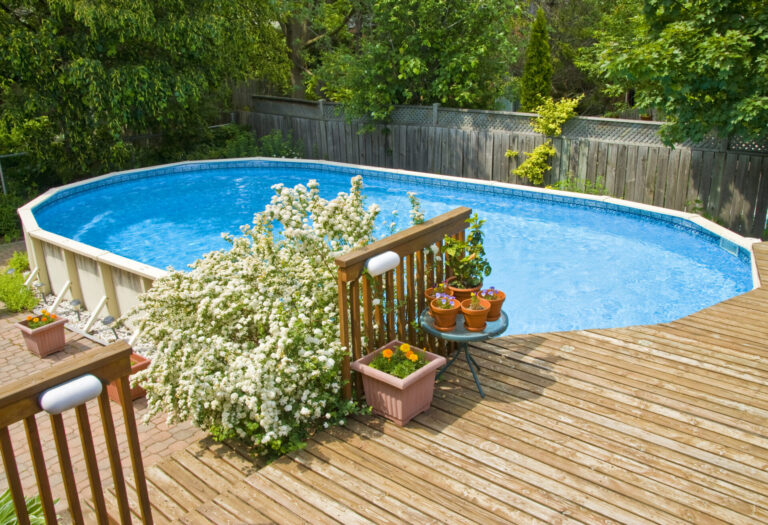
Above-ground pools sit prominently in your landscape, offering flexibility with removable or repositionable designs. You can soften their appearance with surrounding deck structures or strategic plantings. In-ground pools blend seamlessly with your yard’s design, allowing for sophisticated hardscaping, custom lighting, and integrated water features that create a cohesive outdoor living environment.
Easily create a beautiful water feature in under an hour with this no-dig nature pool kit. Attract birds and wildlife with the included fountain pump, planting pocket, and wildlife ladder.

Installation Timeline: Planning Your Swimming Season
Construction Duration Differences
In-ground pools require significantly longer installation times, typically 8-12 weeks from start to finish. The process involves excavation, structural work, plumbing, electrical installation, and finishing touches. Above-ground pools, by contrast, can be installed in just 1-3 days with professional help or 2-5 days as a DIY project, allowing you to dive in almost immediately after making your decision.
Weather and Seasonal Limitations
Installation timing for in-ground pools depends heavily on weather conditions, with frozen ground making winter installation impossible in most regions. The ideal installation window spans from late spring to early fall. Above-ground pools offer more flexibility, allowing for year-round installation in many climates, though you’ll still want dry conditions for proper site preparation and to ensure the ground isn’t waterlogged during setup.
Durability and Lifespan: Evaluating Long-Term Value
When investing in a pool, understanding the long-term value proposition is crucial for making a wise financial decision.
Material Quality Comparison
In-ground pools typically feature concrete, fiberglass, or vinyl liners with robust construction designed to last decades. Above-ground pools generally use aluminum, resin, or steel frames with vinyl liners that are more susceptible to environmental damage. The premium materials used in in-ground pools directly contribute to their longer lifespan but come with correspondingly higher initial costs.
Protect your shelves and drawers with these BPA-free EVA liners. They're easy to cut, clean, and waterproof, making them ideal for keeping your kitchen and refrigerator organized and fresh.
Structural Integrity Factors
In-ground pools benefit from permanent structural integration with your property’s landscape, reducing vulnerability to external forces. They’re engineered to withstand ground shifting, freeze-thaw cycles, and hydrostatic pressure. Above-ground pools, while structurally sound when properly installed, face greater challenges from weather extremes, potential wall buckling, and frame corrosion—especially in harsh climates where seasonal temperature fluctuations are significant.
Expected Lifespan Differences
In-ground concrete pools typically last 50+ years with proper maintenance, while fiberglass versions offer 25-30 years of service. Vinyl-liner in-ground pools require liner replacement every 5-9 years but the structure remains sound for decades. Above-ground pools generally provide 7-15 years of use before major components need replacement, with liners typically needing replacement every 5-7 years. This substantial lifespan difference should factor significantly into your long-term value calculations.
Warranty Considerations
In-ground pool warranties typically offer more comprehensive coverage, with structural components often protected for 20+ years and equipment for 1-3 years. Above-ground pool warranties are considerably more limited, generally providing 15-30 years on frames (prorated after first few years), 10-15 years on walls, and only 1-5 years on liners. Always read warranty terms carefully, as coverage limitations often apply to both pool types depending on installation methods and maintenance practices.
Customization Options: Creating Your Ideal Pool Experience
Your pool should reflect your lifestyle and aesthetic preferences, not just serve as a place to swim. When choosing between in-ground and above-ground options, understanding the customization potential is crucial for long-term satisfaction.
Design Flexibility Variations
In-ground pools offer nearly unlimited design flexibility with custom shapes like freeform, kidney, or Roman. You can incorporate varying depths, beach entries, and seamless integration with your landscape design. Above-ground pools typically come in standard round or oval shapes with limited depth options, though some higher-end models feature extendable deck systems to enhance their appearance.
Feature and Accessory Compatibility
In-ground pools accommodate a wider range of built-in features including tanning ledges, swim-up bars, and integrated spas. They’re also ideal for permanent water features like fountains, waterfalls, and comprehensive lighting systems. Above-ground pools support fewer built-in features but work well with removable accessories like slides, basketball hoops, and detachable lighting. Consider which features matter most when evaluating the true value of each pool type.
Attract birds to your garden with this 1.4W solar fountain! It operates automatically in direct sunlight, creating a beautiful water display with 6 included nozzles and a retainer to keep the pump centered.

Resale Value: Impact on Property Worth
When considering a pool installation, understanding how it affects your property’s resale value is crucial for making a financially sound decision.
Real Estate Market Considerations
In-ground pools typically add 5-8% to your property value in warm-climate markets like Florida, Arizona, and Southern California. However, in cooler northern regions, they may only increase value by 1-3% or even deter some buyers. Above-ground pools rarely add significant property value and are often considered personal property rather than a permanent home feature by appraisers.
Return on Investment Potential
In-ground pools generally recoup 15-25% of their installation cost at resale, with high-end custom designs in luxury markets performing best. Above-ground pools offer minimal ROI, typically returning less than 10% of their cost when selling your home. The financial return diminishes further with age, as prospective buyers often factor in potential maintenance costs and replacements.
Maintenance Requirements: Day-to-Day Pool Ownership
Cleaning and Chemical Management
In-ground pools typically demand more intensive chemical balancing due to their larger water volume. You’ll need to test water 2-3 times weekly and adjust chemicals accordingly. Above-ground pools require similar testing frequency but use fewer chemicals overall, saving you $200-300 annually. Both pool types need regular skimming, but in-ground pools often come with built-in filtration systems that reduce manual cleaning time.
Get pure, healthy water with the NSF certified iSpring RCC7AK reverse osmosis system. It features a patented faucet design for easy installation and adds essential minerals for a balanced pH.

Winterization and Opening Procedures
In-ground pools require comprehensive winterization, including draining water below skimmer level, blowing out pipes, and installing covers ($300-500 annually). You’ll need professional help for this 4-6 hour process. Above-ground pools offer simpler winterization, typically requiring only chemical treatment and cover installation that you can complete yourself in 2-3 hours, costing $100-200 per season.
Conclusion: Making the Right Pool Choice for Your Lifestyle
Choosing between an in-ground and above-ground pool comes down to balancing your budget lifestyle and long-term goals. Above-ground pools offer affordability quick installation and flexibility while in-ground pools provide durability seamless aesthetics and potential property value enhancement.
Your available space maintenance commitment and customization desires will ultimately guide your decision. Remember that the perfect pool isn’t necessarily the most expensive one but the one that brings your family years of enjoyment while fitting your practical needs.
Take time to visit local pool showrooms talk with owners of both pool types and consider how your choice will serve you now and in the future. With the right selection your backyard oasis will deliver memories and relaxation for years to come.
Frequently Asked Questions
What are the main cost differences between in-ground and above-ground pools?
Above-ground pools are more budget-friendly, with initial costs ranging from $1,500 to $15,000. In-ground pools are a significant investment, typically costing between $35,000 to over $100,000. Annual maintenance for in-ground pools runs $1,200-$1,800, while above-ground pools cost $500-$1,000 per year. The lifespan difference is also substantial: above-ground pools last 7-15 years versus 20+ years for in-ground options.
How much space do I need for each type of pool?
In-ground pools require substantial space, typically at least 25 x 45 feet to accommodate the pool and surrounding deck area. Above-ground pools are more space-efficient and can function well in areas as small as 15 x 15 feet, making them suitable for smaller backyards. Your available yard space should be a primary consideration when choosing between pool types.
How long does pool installation take?
In-ground pools have lengthy installation timelines of 8-12 weeks due to excavation, construction, and finishing work. Above-ground pools are much quicker to install, typically taking just 1-3 days with professional help or 2-5 days as a DIY project. Weather conditions can affect both installation processes, but above-ground pools offer greater installation flexibility year-round.
Which type of pool lasts longer?
In-ground pools significantly outlast their above-ground counterparts. Concrete, fiberglass, or vinyl-lined in-ground pools can last 50+ years with proper maintenance. Above-ground pools, typically made with aluminum, resin, or steel frames, have a shorter lifespan of 7-15 years and are more vulnerable to environmental damage. This durability difference should factor into your long-term value assessment.
Can I customize the look of my pool?
In-ground pools offer nearly unlimited design flexibility with custom shapes, varying depths, and integrated features like tanning ledges or spas. Above-ground pools typically come in standard round or oval shapes with limited depth options. While above-ground pools support fewer built-in features, they can utilize removable accessories like ladders, lighting, and heating systems.
How do pools affect my property value?
In-ground pools can increase property value by 5-8% in warm climates but only 1-3% in cooler regions. They typically recoup 15-25% of installation costs at resale. Above-ground pools rarely add significant value to a property and usually return less than 10% of their cost, with diminishing returns as they age. Location climate significantly influences a pool’s impact on property value.
What maintenance is required for each pool type?
Both pool types need regular cleaning and chemical balancing. In-ground pools require water testing 2-3 times weekly and more chemicals due to larger water volume, costing an extra $200-300 annually. Above-ground pools have similar testing needs but use fewer chemicals. Winterization for in-ground pools takes 4-6 hours and costs $300-500 annually, while above-ground winterization is simpler, taking 2-3 hours for $100-200 per season.
Can I install a pool myself to save money?
Above-ground pools are DIY-friendly, potentially saving $1,000-$3,000 in installation costs, though it typically takes 2-5 days. Professional installation takes just 1-3 days. In-ground pools are not recommended for DIY installation as they require specialized equipment, engineering knowledge, and often permits. The complexity, safety concerns, and potential for costly mistakes make professional installation necessary for in-ground pools.