7 Differences in In Ground vs Above Ground Pool Warranties That Save Money
Discover key warranty differences between in-ground and above-ground pools. Learn about coverage duration, transferability, and costs to make smarter pool investment decisions.
The big picture: Your pool warranty coverage varies dramatically depending on whether you choose an in-ground or above-ground installation.
Why it matters: Understanding these warranty differences upfront can save you thousands in unexpected repair costs and help you make a smarter investment decision.
What’s next: We’ll break down the seven key warranty distinctions that every pool buyer needs to know before making their purchase.
Disclosure: As an Amazon Associate, this site earns from qualifying purchases. Thank you!
Understanding Pool Warranty Basics: What Every Pool Owner Should Know
Pool warranties aren’t just legal documents you’ll file away and forget. They’re your financial safety net when equipment failures or structural issues arise.
Standard warranty coverage typically includes three main components:
• Structural warranties – Cover the pool shell, liner, or walls
• Equipment warranties – Protect pumps, heaters, and filtration systems
Enjoy safe, great-tasting water with the APEC ROES-50 Reverse Osmosis System. This WQA-certified, USA-assembled system removes up to 99% of impurities and includes a lead-free designer faucet.


• Installation warranties – Address workmanship and construction defects
Most pool warranties operate on a tiered system. The first year usually provides comprehensive coverage, while subsequent years may only cover specific components or offer prorated protection.
Understanding warranty terms prevents costly surprises down the road. Many pool owners discover too late that their warranty excludes water chemistry damage or requires specific maintenance schedules to remain valid.
The key difference between pool types starts with how manufacturers assess risk. In-ground pools face different environmental stresses than above-ground models, which directly impacts warranty length and coverage scope.
Coverage Duration Differences Between In-Ground and Above-Ground Pool Warranties
Duration differences between pool types reflect manufacturers’ risk assessments and expected lifespan variations. Understanding these timeframes helps you budget for future repairs and replacement costs.
In-Ground Pool Warranty Timeframes
In-ground pools typically offer extended warranty periods ranging from 15-30 years for structural components. Premium manufacturers like Latham and Leisure Pools provide lifetime structural warranties on their fiberglass shells. Concrete pool warranties usually span 10-15 years for gunite structures, while vinyl liner warranties extend 15-20 years with prorated coverage after year five.
Above-Ground Pool Warranty Periods
Above-ground pools feature shorter warranty durations, typically 1-15 years depending on the component. Steel wall warranties range 7-15 years, while aluminum structures receive 3-7 year coverage. Vinyl liners get 1-3 year full warranties with prorated coverage extending to 10-15 years maximum across most major brands.
Structural Component Coverage Variations in Pool Warranties
Structural warranties differ dramatically between pool types, with in-ground installations receiving significantly more comprehensive protection than their above-ground counterparts.
In-Ground Pool Structural Warranty Protection
In-ground pools feature robust structural warranties covering concrete shells, fiberglass units, and vinyl liner systems for 15-30 years. Premium manufacturers often provide lifetime coverage on fiberglass shells and 25-year protection on concrete structures. These warranties typically include coverage for structural cracks, shell delamination, and major foundation settling issues that could compromise pool integrity.
Above-Ground Pool Frame and Wall Coverage
Above-ground pool structural warranties focus primarily on frame corrosion and wall panel defects, lasting 3-15 years depending on materials. Steel wall systems receive 7-15 year coverage against rust-through, while aluminum frames get 3-7 years of protection. These warranties exclude liner damage and typically require proper water chemistry maintenance to remain valid.
Equipment and Mechanical System Warranty Distinctions
Equipment warranties reveal the most significant gaps between in-ground and above-ground pool protection. Manufacturers design these warranties around each pool type’s unique mechanical demands and expected equipment longevity.
In-Ground Pool Equipment Coverage
In-ground pools receive comprehensive equipment warranties spanning 1-5 years on pumps, filters, and heaters. Premium manufacturers often provide 3-year coverage on variable-speed pumps and automated systems, with some offering extended protection on salt chlorination systems. These warranties typically cover complete system replacements rather than just repairs, reflecting the higher-quality components used in permanent installations.
Save energy and optimize pool performance with the AQUASTRONG Variable Speed Pool Pump. Customize speeds up to 8189GPH and program up to four time periods daily for efficient filtration.

Above-Ground Pool Component Warranties
Above-ground pool equipment warranties last 1-2 years on most mechanical components like pumps and filters. Skimmer systems and ladder assemblies receive 1-year coverage, while pump motors often include 90-day to 1-year protection. Manufacturers frequently exclude sand filters and basic filtration components from extended coverage, expecting more frequent replacement cycles in portable pool systems.
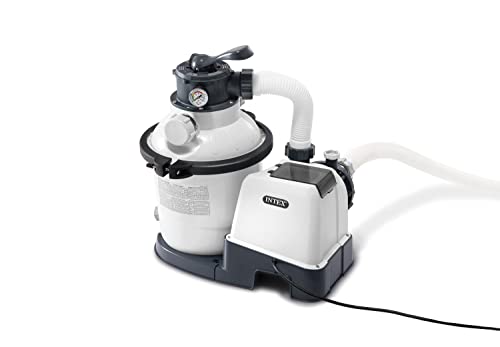
Keep your pool water clean and clear with the Intex SX1500 Sand Filter Pump. Featuring a 1500 GPH flow rate and Hydroaeration Technology for improved filtration, this pump also offers a convenient 24-hour timer for automatic operation.
Labor and Installation Warranty Coverage Differences
Labor warranties create the most striking disparity between pool types, with coverage differences that can cost you thousands in unexpected installation repairs.
In-Ground Pool Labor Warranty Provisions
In-ground pool labor warranties typically span 1-3 years and cover complete installation workmanship including plumbing, electrical, and structural assembly. Premium installers often provide 2-year labor guarantees on excavation, steel reinforcement, and concrete work. These comprehensive warranties protect you against costly rework on complex underground systems that require specialized expertise to repair properly.
Above-Ground Pool Installation Coverage
Above-ground pool installation warranties last only 30-90 days and exclude most assembly labor once the initial setup period expires. Most manufacturers limit coverage to defective hardware replacement rather than reinstallation costs. You’ll typically receive 30-day protection on initial assembly with some retailers extending coverage to 90 days for professional installations.
Transferability Options for In-Ground vs Above-Ground Pool Warranties
Pool warranty transferability becomes crucial when you’re selling your home or relocating. The transfer policies differ dramatically between permanent and portable pool installations.
In-Ground Pool Warranty Transfer Rights
In-ground pool warranties typically transfer to new homeowners with minimal restrictions. Most manufacturers allow one warranty transfer during the coverage period, requiring only notification within 30-60 days of property sale. Premium fiberglass and concrete pool warranties often include unlimited transfers, maintaining full structural coverage for subsequent owners throughout the original warranty term.
Above-Ground Pool Warranty Portability
Above-ground pool warranties rarely transfer between owners or locations. These warranties terminate immediately upon disassembly or relocation, even if you’re moving the same pool to a new property. Most manufacturers void coverage once structural components are disconnected, requiring you to purchase new warranty protection if available from the installer at your new location.
Prorated vs Non-Prorated Warranty Structure Differences
The way warranty payments are calculated creates significant financial differences between pool types. Understanding these structures helps you budget for potential warranty claims and replacement costs.
In-Ground Pool Prorated Coverage Terms
In-ground pool warranties typically offer non-prorated coverage for 1-3 years, meaning you’ll receive full replacement value regardless of the component’s age. After this period, prorated coverage reduces payments by 5-10% annually for structural components like concrete shells and fiberglass units. Premium manufacturers often extend non-prorated periods to 2-3 years on major structural elements.
Above-Ground Pool Warranty Depreciation
Above-ground pool warranties feature aggressive prorated schedules that begin immediately after purchase or within 90 days of installation. Steel wall warranties depreciate 15-20% annually, while liner coverage drops 25-30% each year. Most manufacturers calculate prorated values based on original purchase price, not replacement cost, significantly reducing your warranty benefit over time.
Maintenance Requirements That Affect Warranty Validity
Understanding proper maintenance requirements protects your warranty coverage and prevents costly repair disputes. Both pool types demand specific upkeep standards that manufacturers use to validate or void warranty claims.
In-Ground Pool Maintenance Obligations
Chemical balance documentation becomes your primary warranty protection requirement for in-ground pools. You’ll need weekly water testing records showing pH levels between 7.2-7.6 and chlorine levels at 1-3 ppm throughout the coverage period.
Keep your pool water clean and clear with Clorox Pool&Spa XTRABLUE 3" Chlorinating Tablets. These tablets kill bacteria, prevent algae, and contain conditioners for silky smooth water.

Professional service intervals every 6-12 months maintain equipment warranties on pumps and filtration systems. Skipping manufacturer-recommended tune-ups automatically voids coverage on variable-speed pumps and automated cleaning systems.
Above-Ground Pool Upkeep Requirements
Daily skimming and weekly vacuuming prevent debris accumulation that manufacturers cite when denying liner warranty claims. You’ll also need monthly wall cleaning documentation to maintain structural component coverage.
Seasonal winterization procedures require complete water removal or proper chemical treatment to preserve steel wall warranties. Improper storage techniques void frame protection and eliminate coverage for rust-through damage claims.
Conclusion
Understanding these seven warranty differences empowers you to make smarter pool investment decisions and avoid costly surprises down the road. In-ground pools clearly offer superior warranty protection with longer coverage periods and more comprehensive terms but above-ground options can still provide adequate protection when you understand their limitations.
Your warranty choice ultimately depends on your budget long-term plans and risk tolerance. Whether you’re choosing an in-ground or above-ground pool remember that proper maintenance remains your best defense against warranty disputes and unexpected repair costs.
Take time to read the fine print compare multiple manufacturers and ask detailed questions about coverage exclusions before making your final decision. A well-informed choice today protects your investment for years to come.
Frequently Asked Questions
What’s the main difference between in-ground and above-ground pool warranties?
In-ground pools typically offer longer warranty periods (15-30 years for structural components) and more comprehensive coverage, while above-ground pools have shorter warranties (1-15 years) with more limited protection. This reflects manufacturers’ risk assessments and expected lifespan differences between permanent and portable pool installations.
How long do structural warranties last for each pool type?
In-ground pools receive 15-30 year structural warranties, with premium manufacturers offering lifetime coverage on fiberglass shells and 25-year protection on concrete structures. Above-ground pools have 3-15 year structural warranties, with steel walls getting 7-15 years and aluminum frames receiving 3-7 years of coverage.
What equipment warranty differences should I expect?
In-ground pools come with 1-5 year equipment warranties covering pumps, filters, and heaters, often including complete system replacements. Above-ground pools typically have 1-2 year equipment warranties with more limited coverage, and manufacturers frequently exclude sand filters and basic filtration components from extended protection.
Do pool warranties transfer to new homeowners?
In-ground pool warranties generally transfer to new homeowners with minimal restrictions, often allowing one transfer during the coverage period. Above-ground pool warranties rarely transfer and typically terminate upon disassembly or relocation, requiring new warranty protection if moved.
What’s the difference between prorated and non-prorated warranty coverage?
In-ground pools offer non-prorated coverage for 1-3 years, providing full replacement value, then prorated coverage reducing 5-10% annually. Above-ground pools feature aggressive prorated schedules beginning immediately or within 90 days, with steel walls depreciating 15-20% annually and liners dropping 25-30% each year.
How do labor warranties differ between pool types?
In-ground pools include 1-3 year labor warranties covering complete installation workmanship, plumbing, electrical, and structural assembly. Above-ground pools have 30-90 day installation warranties primarily covering defective hardware replacement, excluding most assembly labor after initial setup.
What maintenance requirements affect warranty validity?
Both pool types require proper chemical balance maintenance and documented water testing. In-ground pools need professional service intervals for equipment, while above-ground pools require regular cleaning and proper winterization. Failure to meet these maintenance obligations can void warranties entirely.