7 Ways to Improve Pool Visibility for Safety That Could Save Lives
Discover 7 essential strategies to improve pool visibility and prevent accidents. From proper lighting to smart monitoring systems, these tips create a safer swimming environment.
Maintaining clear visibility in your swimming pool isn’t just about aesthetics—it’s a critical safety feature that could prevent accidents and save lives. When you can easily see the bottom of your pool, you’ll quickly spot a swimmer in distress, identify potential hazards, or notice if a child or pet has fallen in. Poor visibility creates dangerous blind spots that compromise safety and detract from your pool experience.
Pool visibility issues often develop gradually, making them easy to overlook until they become serious problems. Factors like algae growth, improper chemical balance, inadequate filtration, and environmental debris all contribute to cloudy or murky water conditions. The good news? With the right approach, you can dramatically improve your pool’s visibility and create a safer swimming environment for everyone who enjoys your backyard oasis.
Disclosure: As an Amazon Associate, this site earns from qualifying purchases. Thank you!
1. Installing Adequate Pool Lighting Systems
Create a warm ambiance with these 100FT LED string lights. Featuring shatterproof bulbs and dimmable settings, these connectable lights are perfect for patios, backyards, and more.

Proper lighting transforms your pool from a potential hazard into a safe, visible environment during evening hours. Strategic illumination eliminates shadows and dark areas where swimmers could be in distress without being noticed.
Underwater LED Lighting Options
Create vibrant ambiance with these 100ft RGB LED strip lights. Control colors, brightness, and music sync via Bluetooth app or remote for customized lighting in any room.

Installing underwater LED lights provides crystal-clear visibility to the pool floor and walls. These energy-efficient fixtures last up to 50,000 hours and emit bright, uniform light that penetrates water effectively. Place LED lights strategically around your pool—typically one light per 100 square feet—to eliminate blind spots and enhance nighttime safety.
Solar-Powered Perimeter Lighting
Solar-powered lights around your pool’s perimeter create a safety boundary that’s visible even in complete darkness. These sustainable fixtures charge during daylight hours and automatically illuminate at dusk, requiring no electrical wiring or ongoing costs. Position them every 4-6 feet around walkways and pool edges to clearly define safe pathways and pool boundaries.
Motion-Activated Safety Lights
Get convenient lighting with this motion-activated night light. It features adjustable brightness and three modes: on, off, and auto, plus it's easy to install in any outlet.
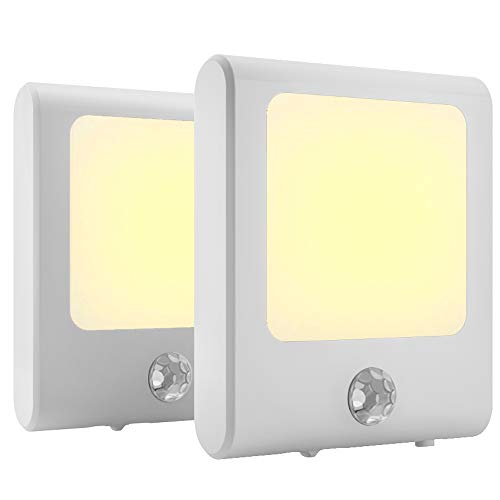
Motion-activated lights provide instant illumination when someone enters the pool area unexpectedly. These security fixtures detect movement up to 40 feet away and flood the area with bright light, alerting you to potential safety concerns. Mount them on existing structures facing the pool to ensure any nighttime activity is immediately visible and to deter unauthorized pool access.
2. Maintaining Proper Water Clarity and Chemistry
Crystal clear water isn’t just aesthetically pleasing—it’s a fundamental safety component that allows you to spot swimmers in distress or objects beneath the surface.
Regular Testing and Chemical Balance
Test your pool water at least twice weekly using reliable test strips or digital testers to monitor pH, chlorine, and alkalinity levels. Maintain pH between 7.2-7.8 and chlorine levels at 1-3 ppm to prevent cloudiness and bacterial growth. Properly balanced chemicals prevent the hazy conditions that can obscure a submerged swimmer or pool drain.
Effective Filtration Systems
Get pure, healthy water with the NSF certified iSpring RCC7AK reverse osmosis system. It features a patented faucet design for easy installation and adds essential minerals for a balanced pH.

Run your filtration system 8-12 hours daily during swimming season to remove microscopic particles that cloud water. Backwash sand filters when pressure rises 8-10 psi above normal, and clean cartridge filters monthly. Upgrade to variable-speed pumps with fine-mesh filters if visibility remains consistently poor, as they capture smaller particles conventional systems miss.
Dealing with Algae Problems
Address algae immediately with shock treatment and algaecide at the first sign of green tinting or slippery surfaces. Brush pool walls and floor thoroughly before treatment to dislodge clinging algae spores. For persistent problems, consider copper-based algaecides that provide longer-lasting protection and maintain the water clarity essential for spotting swimmers in distress.
3. Choosing Contrasting Pool Surfaces and Borders
High-Visibility Tile Markers
Improve nighttime visibility with this high-brightness glow-in-the-dark tape. Its strong adhesive easily sticks to various surfaces like metal, wood, and tile, making it ideal for marking exits, stairs, and stages.

High-visibility tile markers create crucial visual cues that define depth changes and edges in your pool. Install bright blue or yellow tiles along steps, swim lanes, and depth transitions to immediately signal these important safety zones. These markers are particularly effective for children and new swimmers who need clear visual boundaries to avoid accidentally entering deeper sections.
Contrasting Coping and Deck Materials
Select coping and deck materials that clearly contrast with your pool water to create a definitive visual boundary. Light-colored concrete or limestone decking paired with darker pool finishes helps swimmers quickly identify where the water begins. This visual differentiation is especially valuable during low light conditions when accidents are more likely to occur, giving swimmers instant recognition of pool edges.
Anti-Slip Surface Treatments
Apply anti-slip treatments to pool surroundings to prevent dangerous falls while enhancing visibility through texture variation. Textured concrete, stone aggregates, or specially designed pool deck paints contain reflective elements that improve visibility while providing crucial traction. These treatments are particularly effective around ladders, diving boards, and other high-traffic areas where slippery conditions could lead to serious injuries.
4. Implementing Clear Depth Markers and Safety Signage
Clearly mark your pool depth with these durable, USA-made 6x6 inch vinyl stickers. The skid-resistant design ensures safety and easy installation on your pool deck above the waterline.

Proper pool signage isn’t just about compliance—it’s a critical communication system that prevents accidents before they happen. Clear visual indicators provide essential information to swimmers of all ages and experience levels, creating awareness of potential hazards throughout your pool area.
Regulation-Compliant Depth Indicators
Install depth markers at maximum and minimum depths and at transition points where the pool floor changes slope. Use high-contrast numerals (at least 4 inches tall) on both the pool deck and vertical walls that remain visible even when water is turbid. Place markers at intervals no greater than 25 feet apart around the perimeter to ensure swimmers always have depth reference points.
Emergency Procedure Signs
Post emergency procedure signs in highly visible locations around your pool area, including CPR instructions, emergency contact numbers, and the pool’s exact address. Use weather-resistant materials with large, easy-to-read text and universal symbols that can be understood by non-English speakers. Position these signs near rescue equipment such as life rings and reaching poles for immediate access during emergencies.
No Diving Warnings in Shallow Areas
Mark all water areas less than 5 feet deep with prominent “NO DIVING” warnings using the universal no-diving symbol. Place these warnings directly on the deck near entry points, on nearby walls, and on the pool edge itself using slip-resistant materials. For residential pools, consider adding depth-aware warning stickers on nearby furniture that could potentially be used as jumping platforms.
5. Removing Visual Obstructions Around the Pool Area
Strategic Landscaping Solutions
Your pool’s perimeter landscaping directly impacts visibility and safety. Trim back overhanging branches that cast shadows or drop debris into the water. Replace tall, dense plants near pool edges with low-growing varieties that maintain clear sightlines across the entire swimming area. Consider installing decorative rock gardens or drought-resistant groundcover that won’t obstruct crucial viewing angles.
Furniture Placement Guidelines
Position pool furniture at least 3-4 feet away from the water’s edge to create clear walking paths and unobstructed viewing zones. Avoid placing large items like umbrellas or cabanas where they block sightlines from common observation points. Opt for transparent or mesh-style furniture that allows you to see through it rather than solid pieces that create visual barriers around your pool area.
Preventing Glare and Reflections
Combat harsh sun glare that can obscure your view of swimmers beneath the water’s surface. Install anti-glare pool coatings designed to minimize light reflection on the water. Use strategically placed shade sails or adjustable umbrellas to reduce direct sunlight on the pool surface during peak hours. Consider polarized sunglasses for anyone supervising swimmers as they dramatically improve your ability to see through water reflections.
6. Using Color-Changing Technology for Water Safety
Modern color-changing technologies offer innovative solutions to enhance pool visibility and safety. These smart systems provide instant visual cues about water conditions that could affect swimmer safety, giving you valuable information at a glance.
Temperature-Responsive Pool Dyes
Temperature-responsive pool dyes change color when water temperature reaches potentially dangerous levels. These specialized additives turn vibrant red or purple when water exceeds 90°F, alerting you to conditions that could lead to hyperthermia. They’re particularly valuable for pools used by children and elderly swimmers who are more susceptible to temperature-related health issues. These non-toxic formulations typically last 2-3 months before requiring reapplication.
Chemical-Indicator Pool Systems
Chemical-indicator systems provide real-time visual feedback about your pool’s chemical balance by changing water tint when conditions become unsafe. These advanced systems turn yellow when pH drops below 7.0, blue when chlorine levels fall too low, or red when potentially harmful bacteria levels rise. Many modern indicator systems integrate with smartphone apps, sending instant alerts when chemical levels require adjustment. This technology eliminates guesswork from pool maintenance while keeping swimmers safer.
Nighttime Visibility Enhancers
Nighttime visibility enhancers use phosphorescent additives that absorb daylight and emit a subtle glow after dark, improving underwater visibility by up to 70%. These specialized products highlight pool edges, steps, and depth changes without requiring additional electricity. Premium enhancers include UV-reactive components that intensify under traditional pool lighting, creating distinct visual pathways throughout the water. They’re particularly effective when combined with traditional lighting systems for maximum nighttime safety.
7. Installing Modern Surveillance and Alert Systems
Modern surveillance and alert systems provide an essential layer of protection for your pool area, offering real-time monitoring capabilities that can prevent accidents before they happen. These technologies have advanced significantly, becoming more affordable and user-friendly for residential pool owners.
Underwater Motion Detection Cameras
Underwater motion detection cameras use specialized sensors to identify unusual movement patterns beneath the surface. These waterproof systems can distinguish between normal swimming motions and potential drowning struggles, immediately sending alerts to your smartphone or control panel. Many models offer wide-angle coverage that eliminates blind spots and integrates with existing home security systems for comprehensive protection.
Pool Immersion Alarms
Pool immersion alarms activate instantly when unauthorized entry is detected, providing crucial seconds for intervention. These systems use either surface wave detection technology or subsurface pressure changes to trigger loud alarms reaching 85-100 decibels. For families with young children or pets, wearable alarm bracelets offer personalized protection that activates when the bracelet becomes submerged, creating an additional safety barrier against accidental falls.
Smart Pool Monitoring Technology
Smart pool monitoring technology brings comprehensive oversight to your fingertips through integrated mobile applications. These systems combine multiple safety features including perimeter monitoring, underwater surveillance, and water quality tracking in one dashboard. Advanced AI capabilities can recognize swimming patterns, detect prolonged underwater presence, and even monitor multiple swimmers simultaneously. Many systems store video footage for review and provide peace of mind through customizable alert thresholds and notification options.
Conclusion: Creating a Safer Swimming Environment Through Enhanced Visibility
Implementing these visibility-enhancing strategies will transform your pool into a safer space for everyone. From proper lighting and water chemistry to smart surveillance systems and color-changing technologies you now have practical tools to dramatically improve safety.
Remember that visibility isn’t just about aesthetics—it’s your first line of defense against potential accidents. By maintaining clear sightlines and utilizing modern solutions like underwater cameras and chemical indicators you’re taking proactive steps toward accident prevention.
Don’t wait for a close call to address visibility issues. Start implementing these recommendations today and enjoy your pool with greater peace of mind knowing you’ve created an environment where potential dangers can be spotted immediately. Your family and guests deserve nothing less than the safest swimming experience possible.
Frequently Asked Questions
Why is pool visibility important for safety?
Clear pool visibility is crucial for safety as it allows quick identification of swimmers in distress and potential hazards. With good visibility, you can immediately spot someone underwater who needs help, preventing accidents and potentially saving lives. Poor visibility creates dangerous blind spots that can delay rescue efforts in emergency situations.
What factors affect pool water clarity?
Pool water clarity is affected by several factors including algae growth, chemical imbalances, inadequate filtration, and environmental debris. These issues often develop gradually but can significantly reduce visibility. Weather conditions, heavy pool usage, and improper maintenance can also contribute to cloudy or murky water.
How can I improve lighting in my pool area?
Install underwater LED lighting to eliminate shadows and dark spots. Add solar-powered perimeter lighting around the pool deck. Position lights strategically to avoid glare while ensuring complete illumination of the swimming area. For nighttime swimming, ensure that lighting is bright enough to clearly see the pool bottom and anyone in the water.
How often should I test my pool water?
Test your pool water at least 2-3 times per week during swimming season and once weekly during off-seasons. After heavy usage or rainfall, additional testing is recommended. Use reliable test kits that measure chlorine, pH, alkalinity, and calcium hardness. Consistent testing helps maintain water clarity and prevents visibility issues before they develop.
What role does filtration play in pool visibility?
Filtration is essential for maintaining water clarity by removing particles and contaminants that cloud water. Ensure your filter runs for 8-12 hours daily and backwash or clean it regularly. The right-sized filter for your pool volume is crucial for effectiveness. Poor filtration leads to particle accumulation and reduced visibility, creating safety hazards.
How do contrasting pool surfaces improve safety?
Contrasting surfaces create visual boundaries that help swimmers (especially children) recognize depth changes and pool edges. Use different colored tiles or borders around steps and depth transitions. High-contrast lane markings and bottom patterns improve depth perception and help swimmers maintain orientation, reducing the risk of accidents.
What safety signage should I install around my pool?
Install clearly visible depth markers at regular intervals along pool edges. Add “No Diving” warnings in shallow areas and emergency procedure signs showing CPR instructions. Post pool rules in prominent locations and ensure all signage complies with local regulations. Well-placed signs serve as constant safety reminders for all pool users.
How do temperature-responsive pool dyes work?
Temperature-responsive dyes change color when water temperatures reach potentially dangerous levels (too hot or too cold). These dyes are non-toxic and typically change from clear to a visible color when temperature thresholds are exceeded. This visual indicator helps prevent thermal shock and hypothermia, especially important for children and elderly swimmers.
What are chemical-indicator systems for pools?
Chemical-indicator systems provide real-time visual feedback on your pool’s chemical balance. These systems use color-changing technologies that respond to imbalances in chlorine, pH, or other chemical levels. When levels fall outside safe ranges, the indicators change color, alerting you to potential issues before they affect water clarity or swimmer safety.
How effective are underwater motion detection cameras?
Underwater motion detection cameras are highly effective safety tools that can distinguish between normal swimming and potential drowning struggles. These systems use advanced algorithms to analyze swimming patterns and can send alerts to your phone when unusual activity is detected. Many models operate 24/7 and can significantly reduce response time during emergencies.