5 Best Pool Sanitizers for Families
Discover 5 gentle alternatives to chlorine for pool sanitation that protect your skin, eyes, and swimwear while effectively cleaning your pool. Find the perfect balance of effectiveness and comfort.
Tired of the harsh effects of chlorine on your skin, eyes, and swimwear? You’re not alone, as pool owners increasingly seek gentler alternatives that still effectively keep swimming pools clean and safe. Today’s market offers several innovative solutions that can reduce chemical exposure while maintaining proper sanitation standards.
These alternative pool sanitizers provide effective disinfection without the drawbacks associated with traditional chlorine treatments. From mineral systems to salt chlorinators, the options vary in cost, maintenance requirements, and environmental impact. We’ve researched and compiled the five best alternative chemicals that balance effectiveness, ease of use, and value for your pool maintenance routine.
Disclosure: As an Amazon Associate, this site earns from qualifying purchases. Thank you!
5 Best Alternative Chemicals for Pool Sanitation: A Comprehensive Guide
1. Saltwater Chlorination Systems
Enjoy cleaner, clearer pool water with the Intex Krystal Clear Saltwater System. This system reduces chemical use and features an easy-to-use control panel for effortless maintenance in pools up to 7,000 gallons.


Saltwater systems convert salt into chlorine through electrolysis, providing a gentler swimming experience while maintaining effective sanitization. These systems typically require an initial investment of $1,000-$2,500 but reduce ongoing chemical costs by up to 70%. You’ll notice softer water that’s less irritating to eyes and skin, with chlorine levels that remain more consistent than traditional methods.
2. Mineral Sanitizers
Enjoy cleaner, clearer hot tub water for up to 4 months with this easy-to-install mineral stick. It releases natural minerals to reduce impurities and enhance your spa experience.

Mineral systems use elements like silver and copper to kill bacteria and algae through ionization. These minerals work alongside reduced chlorine levels (about 0.5 ppm versus the usual 1-3 ppm), creating a more natural swimming environment. Most mineral sanitizers cost between $200-$500 initially, with replacement cartridges needed every 4-6 months, making them a budget-friendly alternative for smaller pools.
3. UV Light Systems
Purify your whole house water with this 40W UV system, eliminating chlorine and other chemicals without affecting taste or odor. Features a durable stainless steel chamber and easy, plumber-free installation.

UV light sanitizers destroy 99.9% of bacteria, viruses, and algae as water passes through the chamber containing UV-C light. This technology requires minimal maintenance beyond annual lamp replacement and works silently in your existing filtration system. While UV systems don’t provide residual protection, pairing them with low chlorine levels (0.5-1 ppm) creates an effective dual-treatment approach that reduces chemical usage by up to 80%.
4. Ozonation Systems
Ozone generators produce ozone gas (O₃) that rapidly oxidizes contaminants and destroys microorganisms on contact. These systems significantly reduce chlorine dependency (often by 60-90%) and eliminate problematic chloramines that cause odor and irritation. High-quality ozone systems range from $700-$2,000 and typically require professional installation, but their operational costs remain low with minimal maintenance needs.
5. Hydrogen Peroxide Systems
Prevent infection from minor cuts, scrapes, and burns with this 32-ounce bottle of 3% hydrogen peroxide topical solution. The paraben and phthalate-free formula is a reliable addition to your first aid kit.
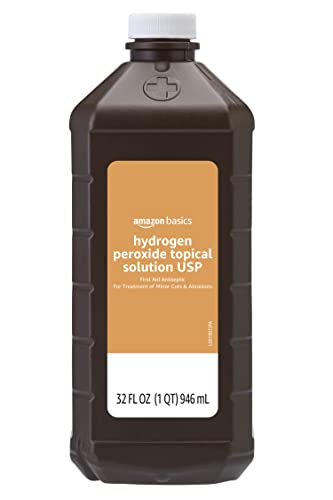
Hydrogen peroxide offers a completely chlorine-free option that breaks down into water and oxygen after sanitizing. These systems maintain crystal-clear water without chemical odors or irritation, making them ideal for swimmers with sensitivities. You’ll need to maintain proper peroxide levels (typically 30-50 ppm) and may need to shock the pool occasionally with higher concentrations during heavy use periods, but many users find the extra monitoring worth the chemical-free experience.
1. Salt Chlorine Generators: Nature’s Solution to Pool Sanitation
Convert your above ground pool to saltwater for easy maintenance and sparkling clean water. This system, suitable for pools up to 15,000 gallons, features an intuitive control panel and HydroAeration Technology for improved water quality.

How Salt Systems Convert to Chlorine
Salt chlorine generators use electrolysis to transform ordinary salt into chlorine. As saltwater passes through the generator’s cell, an electrical current separates sodium from chloride molecules. This process creates hypochlorous acid—the same sanitizing agent found in traditional chlorine—but in a more controlled, continuous manner that maintains consistent sanitization levels throughout your pool.
Benefits of Salt Chlorine for Swimmers and Pool Equipment
Salt systems create softer water that’s gentler on skin, eyes, and hair compared to traditional chlorine. You’ll notice reduced eye irritation, no harsh chemical smell, and swimwear that resists fading. With consistent chlorine levels between 1-3 ppm, salt systems prevent the corrosive spikes common with manual chlorination, extending the life of pool equipment, liners, and surrounding surfaces.
Installation and Maintenance Considerations
Professional installation costs typically range from $300-$500 beyond the system price ($1,000-$2,500). You’ll need to replace the cell every 3-7 years ($300-$800) depending on usage and maintenance. Regular tasks include checking salt levels monthly, inspecting and cleaning the cell quarterly, and maintaining proper water balance. Consider local climate—extremely cold regions may require winterizing the generator to prevent damage.
2. Bromine: The Gentle Alternative for Sensitive Skin
Chemical Properties That Make Bromine Stand Out
Bromine maintains effectiveness at higher temperatures and pH levels than chlorine, making it ideal for hot tubs and heated pools. Unlike chlorine, bromine forms bromamines that continue sanitizing rather than becoming ineffective. It’s also more stable under UV exposure, reducing the need for frequent replenishment during sunny days. This stability translates to more consistent sanitization levels throughout your pool.
Ideal Applications for Bromine-Based Sanitation
Bromine excels in indoor pools and hot tubs where its lower odor becomes a significant advantage. It’s perfect for facilities with regular swimmers who experience skin irritation from chlorine. Heated pools benefit particularly from bromine’s stability at higher temperatures (95-104°F), where chlorine would dissipate rapidly. For enclosed pool areas with limited ventilation, bromine’s minimal gassing-off provides a more comfortable swimming environment.
Cost Comparison with Traditional Chlorine
Bromine typically costs 1.5-2 times more than chlorine, with average annual expenses ranging from $500-700 for a standard 20,000-gallon pool. However, you’ll save on stabilizers since bromine doesn’t require them like chlorine does. The reduced frequency of application offsets some cost differences – most pool owners find they use bromine tablets 25-30% less often than chlorine. Consider the reduced need for supplemental shock treatments when calculating your total sanitization budget.
3. Mineral Systems: Harnessing the Power of Silver and Copper
How Mineral Ionization Works in Pool Water
Mineral systems release tiny amounts of silver and copper ions into your pool water to destroy bacteria and algae. Silver ions attack bacteria’s cell walls, disrupting their metabolism and reproduction. Copper ions primarily target algae, preventing blooms before they start. This natural sanitizing process continues working 24/7, creating a consistent protective barrier throughout your pool.
Reduced Chemical Dependency with Mineral Systems
Mineral sanitizers slash your chlorine needs by up to 80%, bringing levels down to just 0.5 ppm compared to the standard 1-3 ppm. This reduction minimizes chemical irritation while maintaining effective sanitation. You’ll experience softer water that’s gentler on skin, eyes, and swimwear. Most systems cost between $200-$500 initially with replacement mineral cartridges needed every 4-6 months.
Compatibility with Other Sanitation Methods
Mineral systems work exceptionally well as complementary solutions alongside salt systems, UV purifiers, or traditional chlorine. This versatility makes them ideal for pools transitioning away from heavy chemical dependency. Many pool owners combine mineral ionization with salt chlorinators for the ultimate low-maintenance, skin-friendly setup. The systems require minimal adjustment to your existing plumbing and can be installed in just a few hours.
4. Ozone Generators: Advanced Oxidation for Crystal Clear Water
Ozone generators represent one of the most advanced technologies available for pool sanitation today. These systems harness the power of ozone (O₃), a highly reactive form of oxygen, to destroy contaminants through oxidation without the chemical drawbacks of traditional methods.
The Science Behind Ozone Purification
Ozone generators work by creating O₃ molecules that attack bacteria, viruses, and organic compounds on contact. This powerful oxidizer is 3,000 times more effective than chlorine at killing pathogens. When ozone encounters contaminants, it immediately breaks them down through an oxidation reaction, then reverts back to regular oxygen, leaving no chemical residue in your water.
Environmental Benefits of Ozone Treatment
Ozone treatment significantly reduces your pool’s chemical footprint with no harmful byproducts. Unlike chlorine, ozone doesn’t create irritating compounds like chloramines or trihalomethanes. The process uses only electricity and oxygen from the air, making it one of the most environmentally friendly sanitation methods available. Plus, ozonated water returns to the environment as pure, clean water without chemical contamination.
Combining Ozone with Minimal Chlorine for Optimal Results
Most ozone systems work best when paired with very low chlorine levels (0.5-1.0 ppm) for residual protection. This combination approach reduces chlorine usage by 60-90% while maintaining continuous sanitation. The ozone handles the heavy lifting of destroying contaminants, while minimal chlorine provides ongoing protection between ozone treatment cycles. This partnership delivers crystal-clear water with virtually no chemical smell or irritation.
5. UV Light Systems: Chemical-Free Disinfection Technology
Understanding UV Light’s Sanitizing Properties
UV light systems harness ultraviolet radiation’s powerful disinfection capabilities to neutralize 99.9% of bacteria, viruses, and other pathogens in pool water. The UV-C wavelength (254 nanometers) disrupts microorganisms’ DNA structure, rendering them unable to reproduce or cause infections. Unlike chemical sanitizers, UV light works instantly as water passes through the chamber without adding any substances to your pool.
Installation Requirements and Energy Considerations
UV systems require professional installation on your pool’s return line after the filter and before any heater. Most units consume between 30-60 watts of electricity—comparable to a standard light bulb—costing approximately $30-$50 annually to operate. You’ll need adequate space for the UV chamber (typically 24-36 inches) and access to a GFCI-protected outlet. Entry-level systems start around $500, while commercial-grade options range from $1,000-$2,000.
Maintenance and Longevity of UV Systems
UV systems require minimal maintenance compared to chemical alternatives. The UV lamp needs replacement every 12-14 months ($80-$150) regardless of usage, as effectiveness diminishes over time. Quartz sleeves protecting the bulb should be cleaned quarterly to remove mineral deposits that block UV transmission. Most systems include monitoring indicators that alert you when lamp replacement is necessary. With proper care, the main unit typically lasts 5-7 years before major components need upgrading.
Conclusion: Choosing the Right Alternative Sanitation Method for Your Pool
The quest for gentler pool sanitation doesn’t mean sacrificing cleanliness or breaking the bank. Whether you opt for a saltwater system‘s soft water experience UV technology’s chemical-free approach or mineral sanitizers’ natural properties you’ll find significant benefits beyond traditional chlorine.
Consider your budget maintenance preferences and swimming needs when selecting the right solution. Many pool owners even combine these technologies for optimal results. The initial investment in these alternatives often pays off through reduced chemical costs improved swimmer comfort and extended equipment life.
Ready to transform your swimming experience? These five alternatives offer the perfect balance of effective sanitation and gentle water quality that you and your family deserve.
Frequently Asked Questions
What are the main alternatives to traditional chlorine for pool sanitation?
The five main alternatives to traditional chlorine are saltwater chlorination systems, mineral sanitizers, UV light systems, ozonation systems, and hydrogen peroxide systems. Each offers different benefits in terms of cost, maintenance requirements, and chemical reduction. Bromine is also mentioned as a gentler option for those with sensitive skin, particularly effective in heated pools and hot tubs.
How do saltwater chlorination systems work?
Saltwater systems convert salt into chlorine through electrolysis. The system produces a steady, low level of chlorine that’s gentler on skin, eyes, and swimwear. While the initial investment ranges from $1,000-$2,500, these systems can reduce ongoing chemical costs by up to 70% and create softer water that’s less damaging to pool equipment.
Are mineral sanitizers effective for pool sanitation?
Yes, mineral sanitizers effectively maintain pool cleanliness by using elements like silver and copper to destroy bacteria and algae. They reduce chlorine requirements to about 0.5 ppm, creating a more natural swimming environment. With initial costs of $200-$500 and replacement cartridges needed every 4-6 months, they’re an affordable option that can complement other sanitation methods.
How effective are UV light systems at cleaning pools?
UV light systems are extremely effective, destroying 99.9% of contaminants as water passes through the UV-C light chamber. They disrupt microorganisms’ DNA without adding chemicals to the water. While professional installation is required, these systems have low operational costs ($30-$50 annually) and minimal maintenance, with lamp replacement needed every 12-14 months.
What makes ozonation systems different from other alternatives?
Ozonation systems use ozone (O₃) to destroy contaminants through oxidation, making them 3,000 times more effective than chlorine at killing pathogens. They can reduce chlorine dependency by 60-90% and eliminate chloramines without leaving chemical residue. Though they require professional installation ($700-$2,000), their environmental friendliness and low operational costs make them a premium solution.
Is bromine a good alternative for sensitive skin?
Yes, bromine is an excellent alternative for swimmers with sensitive skin. It’s less irritating than chlorine and works effectively at higher temperatures and pH levels, making it ideal for hot tubs and heated pools. While bromine costs 1.5-2 times more than chlorine, it requires fewer stabilizers and less frequent application, potentially offsetting some of the higher costs.
How much can I save by switching from traditional chlorine?
Savings vary by alternative chosen. Saltwater systems can reduce chemical costs by up to 70%, despite the initial investment of $1,000-$2,500. Mineral systems cost $200-$500 initially with ongoing cartridge replacements. UV and ozone systems have higher upfront costs but very low ongoing expenses. Overall, most alternatives offer long-term savings compared to traditional chlorine maintenance.
Do alternative sanitization methods require professional installation?
It depends on the system. Saltwater chlorination, UV light, and ozonation systems typically require professional installation for optimal performance and warranty protection. Mineral sanitizers and hydrogen peroxide systems are generally easier to implement without professional help. Always consult the manufacturer’s guidelines and consider your technical abilities before attempting DIY installation.