
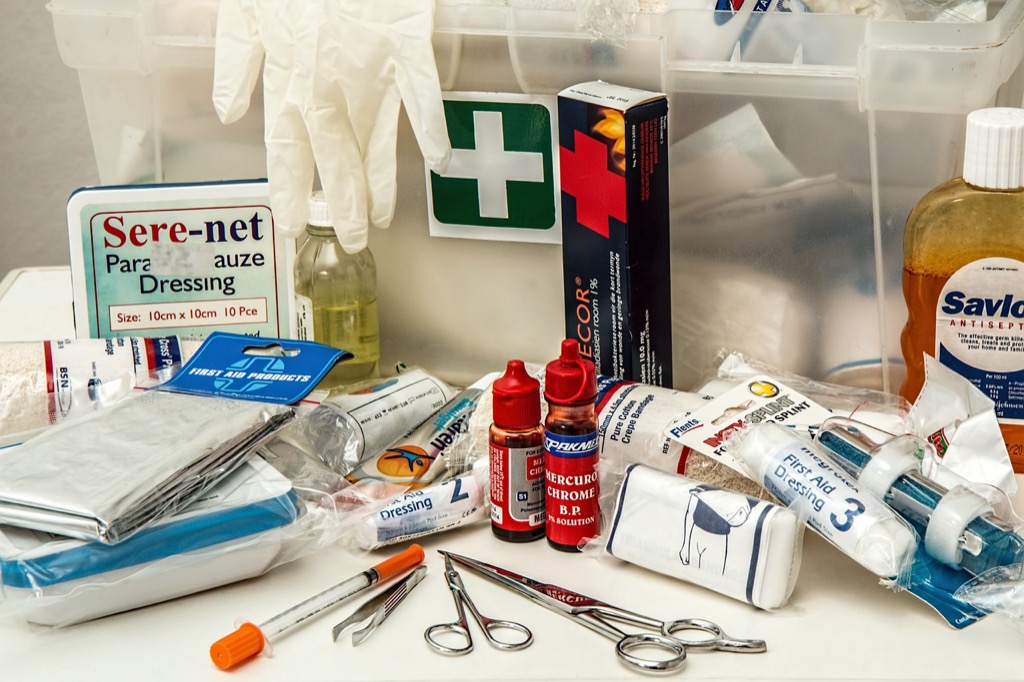
5 Best Poolside First Aid Kits For Emergencies Every Pool Owner Needs
Discover the 5 best poolside first aid kits that keep summer fun safe. From waterproof cases to specialized supplies, be prepared for any emergency while enjoying your pool this season.
When you’re enjoying a day by the pool, safety should always be your top priority. Accidents happen in an instant, and having a properly stocked first aid kit within reach can make all the difference between a minor incident and a serious emergency.
The best poolside first aid kits combine water-resistant storage, essential medical supplies, and compact designs that don’t intrude on your relaxation space. You’ll want a kit that addresses common pool-related injuries like cuts, scrapes, minor burns from hot surfaces, and the occasional bee sting. In this guide, we’ll examine the top five first aid kits specifically designed for poolside emergencies, helping you choose the right protection for your family’s summer fun.
Disclosure: As an Amazon Associate, this site earns from qualifying purchases. Thank you!
Why Every Pool Owner Needs a Dedicated First Aid Kit
Pool ownership comes with the responsibility of ensuring safety for everyone who uses your aquatic oasis. While standard home first aid kits offer basic supplies, they’re often inadequate for the unique hazards encountered around pools. A dedicated poolside first aid kit provides immediate access to specialized supplies for water-related emergencies.
Pools present specific risks that require targeted medical supplies. Slippery surfaces can lead to falls and scrapes, while extended sun exposure may cause sunburns. Chlorine exposure can irritate eyes and skin, and in rare but serious cases, near-drowning incidents demand immediate response capabilities.
Having a dedicated poolside kit eliminates the dangerous delay of running inside during critical moments. When seconds count during a pool emergency, having supplies within arm’s reach can make a significant difference in treatment outcomes and prevent minor issues from becoming major medical concerns.
5 Top-Rated Poolside First Aid Kits for Emergency Preparedness
Comprehensive Waterproof Emergency Kit
The Swimming Pool & Lifeguard First Aid Kit – Metal from Urgent First Aid offers complete protection for poolside emergencies. It’s housed in a moisture-resistant 22-gauge steel case with a protective gasket that keeps supplies dry. This kit includes essential CPR and first aid supplies like antiseptic wipes, bandage strips, triple antibiotic ointment, gauze rolls, and a CPR barrier mask. You’ll also find practical additions like an instant ice pack, scissors, vinyl gloves, and a metal whistle with lanyard.
Compact Quick-Response Trauma Kit
The Type 3 Lifeguard First Aid Kit delivers portable protection for pool emergencies in a compact package. This grab-and-go kit contains all essentials including bandages, gauze pads, dressings, fabric tape, eye pads, and cold packs. You’ll appreciate how easy it is to carry from poolside to backyard during emergencies. Its portability doesn’t compromise content quality – you’ll find antiseptic wipes, gloves, scissors, and emergency blankets all organized for quick access.
Child-Friendly Pool Safety First Aid Kit
While dedicated children’s pool kits aren’t widely marketed, you can adapt comprehensive kits with kid-friendly components. Start with the Swimming Pool & Lifeguard First Aid Kit and customize it with pediatric-sized bandages and gentle antiseptic wipes. These modifications create a perfect solution for families with young swimmers. The kit’s comprehensive guide provides instructions for treating common childhood pool injuries like minor scrapes and insect stings.
UV-Protected All-Weather Emergency Kit
The Swimming Pool & Lifeguard First Aid Kit excels in harsh outdoor conditions with its weather-resistant design. Its metal case construction includes a protective gasket that shields supplies from moisture, sun damage, and extreme temperatures. You’ll have confidence knowing your emergency supplies remain intact despite prolonged outdoor exposure. This durability makes it ideal for permanent poolside installation throughout the swimming season.
Professional-Grade Lifeguard First Aid Station
The Lifeguard Trauma Bag delivers professional-level emergency response capability for serious poolside emergencies. This comprehensive kit includes specialized items like adjustable extrication collars, saline pads, waterproof bandages, and disposable airways. You’ll be equipped to handle major water incidents with its inclusion of CPR face masks, dissecting forceps, and various specialized bandages. This kit represents the gold standard for pools requiring professional-grade emergency response capabilities.
Essential Items Your Poolside First Aid Kit Should Contain
A comprehensive poolside first aid kit is your first line of defense against emergencies. Make sure your kit includes these essential categories of supplies to handle the most common pool-related incidents quickly and effectively.
Water-Related Emergency Supplies
CPR equipment is non-negotiable for any poolside first aid kit. Include a CPR barrier mask with a one-way valve to safely perform resuscitation without direct contact. Consider adding an AED if budget allows—it’s a lifesaving device during cardiac emergencies. Always include multiple pairs of disposable gloves and a rescue whistle to alert others when you need assistance with a water emergency.
Heat and Sun Exposure Treatment Items
Stock instant cold packs to quickly address heat exhaustion or sunstroke—you’ll need at least 4-6 packs for multiple victims. Include electrolyte replacement packets to combat dehydration, which can happen quickly in hot pool environments. Keep a digital thermometer to monitor body temperature and cooling cloths that activate when wet. Store SPF 50+ waterproof sunscreen nearby to prevent burns before they happen.
Basic Wound Care Necessities
Equip your kit with waterproof bandages in assorted sizes specifically designed to stay adhered when wet. Include non-stick sterile dressings, medical-grade adhesive tape, and antibiotic ointment for cuts from pool decks or equipment. Stock vinyl gloves rather than latex to avoid allergic reactions. Don’t forget tweezers for splinter removal and antiseptic wipes that won’t sting open wounds—essential for encouraging children to let you treat their injuries.
How to Properly Store and Maintain Your Poolside First Aid Kit
Storage
Waterproof Container: Your poolside first aid kit must be stored in a waterproof container to protect supplies from moisture, chlorine splash, and weather exposure. Quality kits like the Urgent First Aid model come with water-resistant metal cases that shield contents from pool water and humidity.
Accessible Location: Position your kit in an easily visible and reachable spot near the pool area—ideally mounted on a wall or stored in a weatherproof cabinet. The kit should be within 30 seconds’ reach of the pool but high enough to prevent children from accessing it unsupervised.
Maintenance
Regular Inspection: Check your first aid supplies monthly during pool season and quarterly during off-seasons. Examine each item for expiration dates, package integrity, and completeness. The antiseptic wipes and medications in kits like the Fieldtex Products Pool First Aid Kit typically expire within 1-3 years.
Restock Supplies: Replace used or expired items immediately to ensure your kit remains fully functional. Create a supply inventory list and attach it inside the kit’s lid for quick reference. Pay special attention to bandages, antiseptic solutions, and pain relievers, which typically get depleted fastest.
Cleanliness: Wipe down your first aid kit’s exterior with a mild disinfectant monthly. After each use, ensure all items are properly sealed and the case is completely dry before closing it. Moisture trapped inside can compromise sterility and encourage mold growth on bandages and gauze.
Additional Tips
First Aid Training: Ensure at least one regular pool user has current CPR and basic first aid certification. Many community pools require this, but home pools often overlook this critical safety measure. The American Red Cross offers specific courses for pool owners and operators.
Emergency Contact Information: Post a waterproof emergency contact card inside your kit with local emergency numbers, pool address details, and directions to your location. During emergencies, stress can make it difficult to recall even basic information.
Customization: Supplement standard kits with additional items specific to your pool’s unique needs. If children frequently use your pool, include pediatric-sized bandages and medications. For pools with diving boards, extra immobilization supplies may be warranted.
Critical Pool Emergency Procedures Every Family Should Know
1. Drowning Incidents
Drowning can occur silently and rapidly, requiring immediate action. You’ll need to know proper CPR techniques and have quick access to an oral airway device. Make sure your poolside first aid kit includes a CPR one-way valve face shield that creates a barrier between you and the victim. For maximum preparation, consider adding an AED to your emergency equipment if your budget allows.
2. Slip and Fall Accidents
Pool decks present serious slip hazards that can lead to injuries ranging from minor scrapes to severe trauma. You should stock your first aid kit with antiseptic wipes to clean wounds, various sizes of adhesive bandages for different cuts, and butterfly wound closures for larger lacerations. Being prepared for these common accidents means having the right supplies within arm’s reach when seconds count.
3. Waterborne Infections
Swimming pools can harbor bacteria that cause infections despite proper chemical treatment. You’ll want to include antiseptic wipes, antibiotic ointments, and specialized eye care solutions in your kit to treat conditions like swimmer’s ear and conjunctivitis. Prompt treatment of these infections can prevent them from developing into more serious health issues requiring medical intervention.
4. Chemical Reactions
Pool chemicals can cause skin irritation, respiratory problems, and allergic reactions in sensitive individuals. Your poolside first aid kit should contain antihistamine creams and tablets to counter allergic responses, hydrocortisone creams for skin irritation, and asthma inhalers for those with respiratory conditions. Quick access to these items can significantly reduce discomfort and prevent escalation of symptoms.
5. Heat-Related Illnesses
Extended sun exposure around pools often leads to dehydration and heat-related conditions. You’ll need saline solution for eye irritation, electrolyte replacement drinks to combat dehydration, and instant cool packs to reduce body temperature in cases of heat stroke. These supplies are essential for addressing conditions that can rapidly become life-threatening in hot weather.
6. Cardiac Emergencies
Heart-related incidents can occur during swimming or pool activities, especially among older adults. You should ensure an AED is accessible and that family members know how to use it. Your first aid kit must include a CPR barrier mask and clearly written instructions for performing CPR and operating the AED, as immediate response is critical for survival in cardiac emergencies.
7. Swimmer-Specific Injuries
Active swimming can result in muscle strains, cramps, and other physical injuries. Stock your kit with instant cold packs to reduce swelling, elastic bandages for support and compression, and analgesic creams for pain relief. These supplies enable you to provide immediate care for musculoskeletal injuries that frequently occur during vigorous pool activities.
Conclusion: Investing in Pool Safety Through Proper Emergency Preparedness
Keeping your loved ones safe by the pool requires more than just watchful eyes. With the right first aid kit nearby you’ll have peace of mind while everyone enjoys summer fun. Each of our recommended kits offers unique features that address specific poolside hazards.
Remember that proper storage maintenance and accessibility of your kit are just as important as its contents. Whether you choose a waterproof trauma bag or a kid-friendly option your preparation demonstrates your commitment to responsible pool ownership.
Don’t wait for an emergency to think about safety. The small investment in a quality poolside first aid kit could make all the difference when seconds count. Stock up now and focus on creating wonderful memories around your pool instead of worrying about what might happen.
Frequently Asked Questions
What should be included in a poolside first aid kit?
A comprehensive poolside first aid kit should include water-related emergency supplies (CPR equipment, disposable gloves, rescue whistle), heat and sun exposure treatments (instant cold packs, electrolyte packets, waterproof sunscreen), and basic wound care items (waterproof bandages, non-stick sterile dressings, antiseptic wipes). The kit should be tailored to address common pool-related injuries such as cuts, scrapes, minor burns, and bee stings.
How should I store my poolside first aid kit?
Store your poolside first aid kit in a waterproof container to protect supplies from moisture and chlorine. Place it in an easily accessible location near the pool where adults can quickly retrieve it during emergencies. Keep the kit out of direct sunlight and extreme heat to prevent deterioration of medical supplies.
How often should I check and restock my pool first aid kit?
Inspect your poolside first aid kit monthly during swimming season and at least quarterly during off-seasons. Check expiration dates on medications and sterile items, and replace any used or expired supplies immediately. A thorough inventory should be conducted at the beginning of each swimming season to ensure everything is ready for use.
Why do I need a separate first aid kit for my pool area?
A dedicated poolside first aid kit addresses unique hazards around pools that standard home kits don’t cover adequately. Pool environments present specific risks including slips on wet surfaces, chlorine exposure, sunburns, and potential drowning incidents. Having specialized supplies immediately accessible during pool emergencies eliminates critical delays and improves treatment outcomes.
What are the most common pool-related injuries?
The most common pool-related injuries include slips and falls on wet surfaces, cuts and scrapes from pool edges, sunburns, eye irritation from chlorine, heat-related illnesses, and insect stings. More serious emergencies might include near-drowning incidents, head injuries from diving, and allergic reactions to chemicals or insects.
How do I respond to a potential drowning incident?
For a potential drowning, immediately remove the person from water while supporting their head and neck. Call 911 right away. If the person is unconscious and not breathing, begin CPR if you’re trained. Clear their airway and continue resuscitation efforts until emergency services arrive. Always have rescue equipment and a phone nearby when people are swimming.
Are regular home first aid kits sufficient for pool areas?
Regular home first aid kits are typically insufficient for pool areas because they lack water-resistant packaging and pool-specific supplies. Poolside kits should include additional items like rescue whistles, CPR masks, waterproof bandages, and treatments for chlorine exposure and sunburn—items not commonly found in standard household kits.
What should I do for chemical-related eye injuries at the pool?
For chemical splashes in the eyes, immediately flush the affected eye with clean, cool water for at least 15 minutes. Have the person remove contact lenses first if applicable. Use an eye wash station if available. After rinsing, seek medical attention, as chemical injuries can cause serious damage even if pain subsides.


