6 Best Lens Filters For Surf Lighting To Enhance Clarity
Master surf photography with these 6 essential lens filters. Improve clarity, reduce glare, and capture stunning ocean detail in any lighting condition.
Capturing the rhythmic power of a breaking wave is the ultimate challenge for any water photographer. The relentless reflection of the sun off the surface often turns a pristine blue barrel into a washed-out, flat image. Mastering your lens filters is the secret to cutting through that glare and revealing the true, vibrant soul of the ocean.
Disclosure: As an Amazon Associate, this site earns from qualifying purchases. Thank you!
Understanding Surf Lighting and Glare Challenges
Shooting at the beach presents a unique set of lighting hurdles that differ significantly from landscape or portrait photography. Water is a highly reflective surface, and when the sun hits the ocean, it creates "specular highlights"—those blinding white spots that hide the texture and color of the water. Without intervention, your camera sensor struggles to balance these bright patches with the darker shadows in the wave face.
Beyond just the glare, you are battling salt spray and atmospheric haze. Even on a clear day, microscopic water particles in the air scatter light, which can make your surf shots look soft or desaturated. Understanding these conditions is the first step toward choosing the right glass to protect your lens while enhancing the final image quality.
Polarized Filters: Essential for Ocean Clarity
A polarizer is the single most important tool in a surf photographer’s bag. By physically blocking specific light waves that vibrate at certain angles, these filters strip away the glare from the water’s surface. This allows you to see "into" the water rather than just seeing the reflection of the sky.
When you rotate a polarizer, you will notice the ocean color shift from a milky, overexposed blue to a deep, saturated turquoise. This effect is most pronounced when shooting at a 90-degree angle to the sun. It is a transformative tool that turns a flat, uninspiring shot into a professional-grade image with depth and contrast.
Circular Polarizers for Surf Photography Needs
While linear polarizers exist, modern digital cameras require Circular Polarizers (C-PL) to ensure your autofocus and exposure metering systems continue to function correctly. A C-PL filter acts as a gatekeeper, allowing only the light you want to reach the sensor while discarding the distracting, scattered light that ruins clarity.


When selecting a C-PL for the surf, consider the build quality and the "feel" of the rotation ring. You want a filter that moves smoothly enough to adjust on the fly but is stiff enough to stay in place once you have dialed in the perfect angle. Investing in a high-quality circular polarizer is the difference between a hazy, blown-out mess and a crisp, high-contrast masterpiece.
Tiffen Circular Polarizer: Best for Glare Control
If you are just starting your journey into surf photography, the Tiffen Circular Polarizer is your reliable workhorse. It is budget-friendly without sacrificing the essential ability to cut through harsh mid-day glare. You will find it effectively darkens the sky and removes surface reflections, providing a noticeable boost in color saturation.
This filter is ideal for the photographer who needs a dependable, no-nonsense tool for bright, sunny beach days. While it may not have the exotic coatings of high-end glass, it gets the job done consistently. If you want to see an immediate improvement in your surf shots without breaking the bank, this is the filter for you.
Hoya Fusion Antistatic Filter: Best for Spray
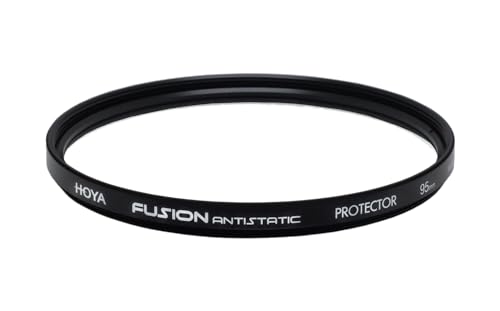
Salt spray is the enemy of every surf photographer, often leaving stubborn, crusty residue on your lens element. The Hoya Fusion Antistatic filter is a game-changer because it features a specialized coating that actively repels dust and water droplets. This makes cleaning your gear between sets significantly faster and safer for your lens coating.
Beyond the anti-static properties, the optical glass is incredibly clear and maintains excellent light transmission. If you frequently shoot from the shoreline where mist and sea spray are constant, this filter is a mandatory addition to your kit. It is the best choice for those who prioritize equipment longevity and ease of maintenance in harsh environments.
B+W XS-Pro Digital Filter: Best for Sharpness
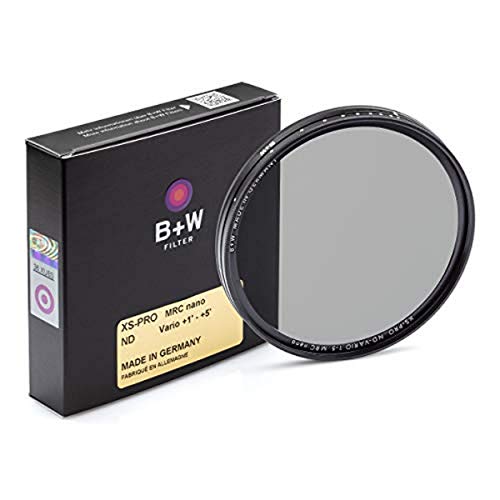
When you have invested thousands into a high-end telephoto lens, you cannot afford to put cheap glass in front of it. The B+W XS-Pro Digital filter uses premium German-made Schott glass that ensures zero loss in image sharpness or detail. It is designed to be ultra-slim, which prevents vignetting even when using wide-angle lenses to capture the scale of a massive swell.
This filter is for the professional or serious enthusiast who demands absolute optical perfection. Its brass mount is remarkably durable, meaning it won’t seize up or cross-thread even after repeated exposure to salt air. If you refuse to compromise on image fidelity, the B+W XS-Pro is your definitive answer.
Breakthrough Photography X4: Best Neutral Color
One common issue with cheaper filters is a noticeable "color cast," where the image takes on an unwanted yellow or green tint. The Breakthrough Photography X4 is engineered with a focus on color neutrality, ensuring the blues of the ocean and the whites of the foam look exactly as they did to your naked eye. It provides a clean, honest representation of the scene.
The X4 is also incredibly easy to clean, thanks to its weather-sealed design. It is the perfect match for a photographer who values color accuracy above all else. If you spend hours in post-production trying to correct color shifts, switching to the X4 will save you significant time and frustration.
NiSi HUC Circular Polarizer: Best for Durability
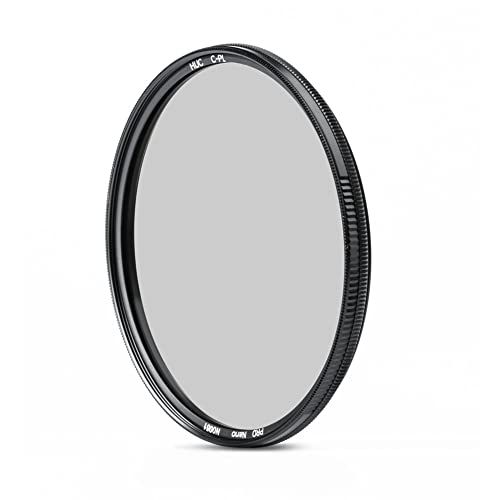
The NiSi HUC (High Ultra Clarity) filter is built to survive the rigors of the beach. It features a hardened optical glass that is remarkably resistant to scratches, which is essential when you are constantly wiping away sand and salt. The filter is also incredibly thin, making it easy to stack with other filters if you ever need to combine polarization with a neutral density effect.
This filter is for the photographer who is tough on their gear and needs something that can handle the occasional knock against a tripod or a stray grain of sand. It offers a fantastic balance of durability and optical performance. If you want a "set it and forget it" filter that can take a beating, the NiSi HUC is the superior choice.
Kenko Zeta Quint C-PL: Best for Low Reflection

The Kenko Zeta Quint is a masterpiece of light management, featuring an ultra-low reflection coating that prevents internal "ghosting" or lens flare. When shooting toward the sun or in high-contrast lighting, this filter keeps your images looking crisp and punchy. It also utilizes a unique "ZR" coating that makes the glass surface extremely hard and easy to wipe clean.
This filter is for the technical shooter who is often frustrated by lens flares during golden hour sessions. It manages light so effectively that you will barely notice it is there, aside from the stunning improvement in contrast. If you struggle with internal reflections in your surf photography, the Zeta Quint is the premium solution you’ve been looking for.
Maintenance Tips for Your Surf Lens Filters
- Rinse with fresh water: Always rinse your filter with distilled or fresh water after a beach session to prevent salt crystals from hardening on the glass.
- Use a dedicated blower: Before wiping, use a high-quality air blower to remove loose sand particles, which can scratch the glass if dragged across the surface.
- Microfiber is key: Only use clean, dedicated microfiber cloths for cleaning, and replace them frequently to avoid transferring old oils or salt residue back onto the filter.
- Store securely: When not in use, keep your filters in a hard-shell case to prevent accidental drops or pressure damage to the threads.
Selecting the right filter is a balancing act between protecting your investment and maximizing the beauty of the breaking wave. By choosing a filter that matches your specific environmental challenges—whether that is salt spray, glare, or color accuracy—you can elevate your photography to a professional standard. Get out there, keep your glass clean, and enjoy the process of capturing the ocean’s ever-changing light.